


Primary sourceDocument
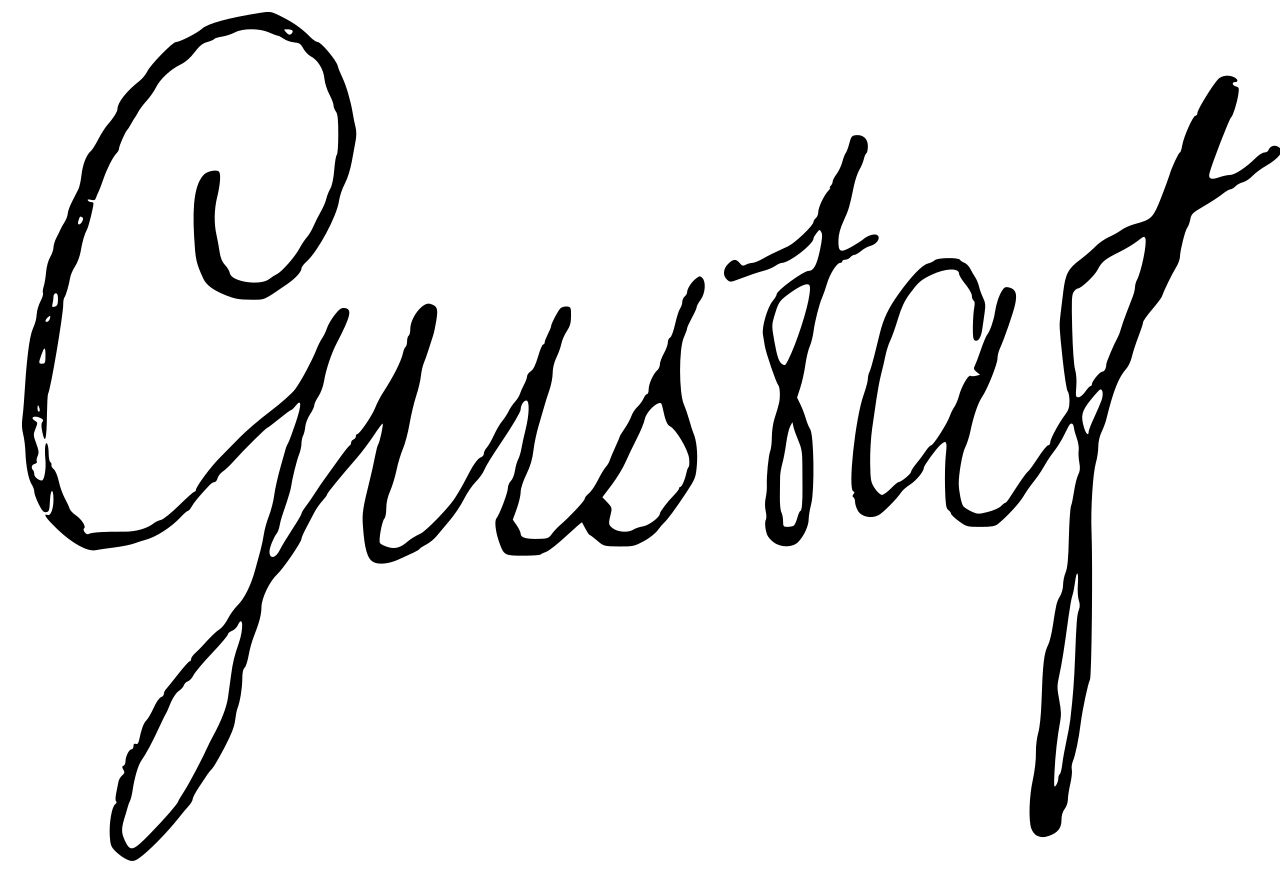
Signature of Gustav III of Sweden
Gustav III of Sweden
The handwritten signature of King Gustav III, as it appeared on state documents. It is a direct sign of his authority as the signer.
Shows Gustav III's own autograph, the mark he used on state documents as king.
About this source
What it is
This is the handwritten signature of Gustav III of Sweden, reading 'Gustaf' in cursive ink on a white background. The large capital G has a looping form, and the letters run together with long descending strokes. The image comes from a Wikimedia Commons file that was used as the king's signature on Wikidata. The file is a scan or reproduction made for a reference work, so it is not the original page it was taken from.
Why it matters
A signature was how a ruler approved official papers. Gustav III signed state documents as king from 1771 to 1792, and his autograph gave those papers their authority. Studying a signature helps students connect a famous name with the real act of signing a decree or letter. It also shows how one person's handwriting could stand for the power of the Swedish crown.
Look closer
- What features of this signature could help you recognise it on another document?
- Why might a ruler's signature have been more than a name on a page?
- What can this single image not tell us about the documents the king actually signed?
This document is part of the curated material that grounds the AI version of Gustav III on Humy.ai — when students ask about related events, the AI can quote it and cite it.
More Gustav III sources
Browse all 92 →Primary source
Swedish Constitution of 1772
Gustav III of Sweden · 21 August 1772
 Painting
Primary source
Riksdagen 1789
Louis Jean Desprez · 1789
 Painting
Primary source
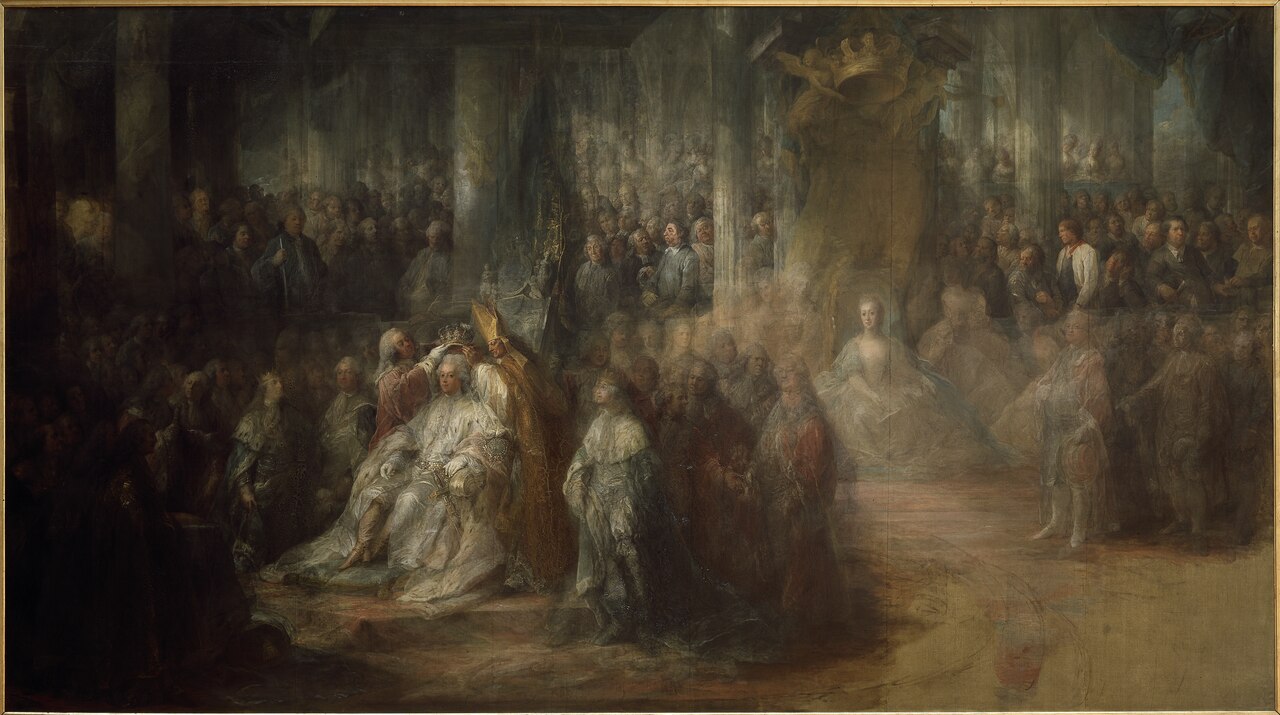
Coronation of Gustav III
Carl Gustaf Pilo · 1792
 Painting
Primary source
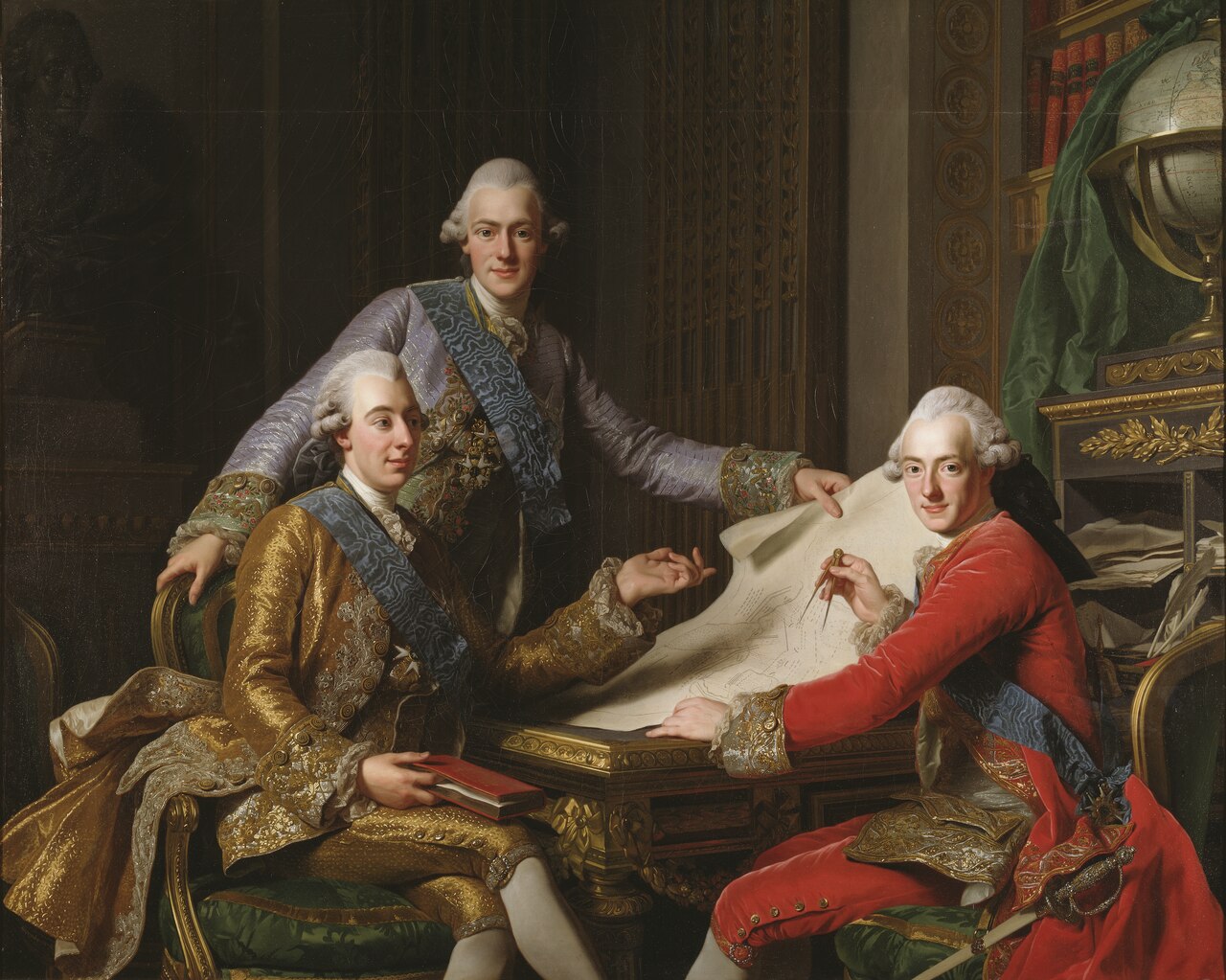
King Gustav III of Sweden and his Brothers
Alexander Roslin · 1771

Free account
Read every Gustav III source
Sign up free →
Ready when you are
Start chatting with Gustav III now.
20 messages free · No credit card · Available in 50+ languages.