


Primary sourceDocument
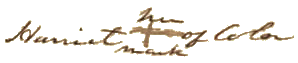
Signature of Harriet Robinson Scott
Harriet Robinson Scott
Harriet Robinson Scott's mark on a legal record, made with a cross since she never learned to read or write.
This mark is Harriet Robinson Scott's own trace of authorship on a legal record, since she never learned to read or write.
About this source
What it is
This image shows Harriet Robinson Scott's signature as it appears on a legal document. Rather than written letters, it is a cross-shaped mark, labelled 'her mark', with her name written around it by someone else.
Why it matters
Harriet Robinson Scott, the wife of Dred Scott, pursued her own freedom suit alongside her husband's famous Supreme Court case. Because she could not read or write, this mark is the closest thing to her own signature that survives, a reminder of how denied education was part of the system of slavery.
Look closer
- Why would someone unable to write still need to make a mark on a legal paper?
- What does this tell you about the barriers Harriet Scott faced beyond the courtroom?
- Why might this be the only direct trace of her own hand that exists?
This document is part of the curated material that grounds the AI version of Harriet Robinson Scott on Humy.ai — when students ask about related events, the AI can quote it and cite it.
More Harriet Robinson Scott sources
Meet the AI Harriet Robinson Scott →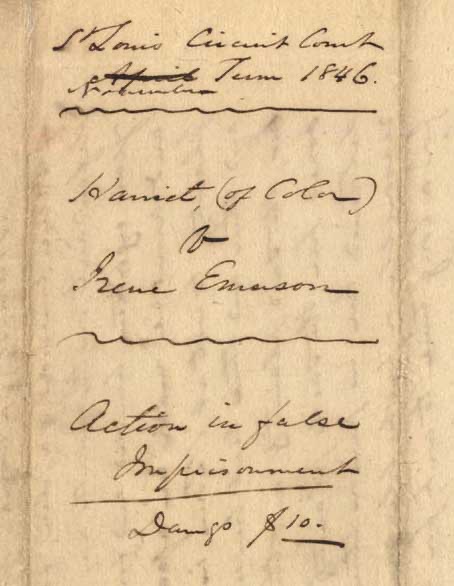 Document
Primary source
Harriet Scott v. Irene Emerson Court Record Heading, 1846
Francis B. Murdoch · April 1846
 Painting
Primary source
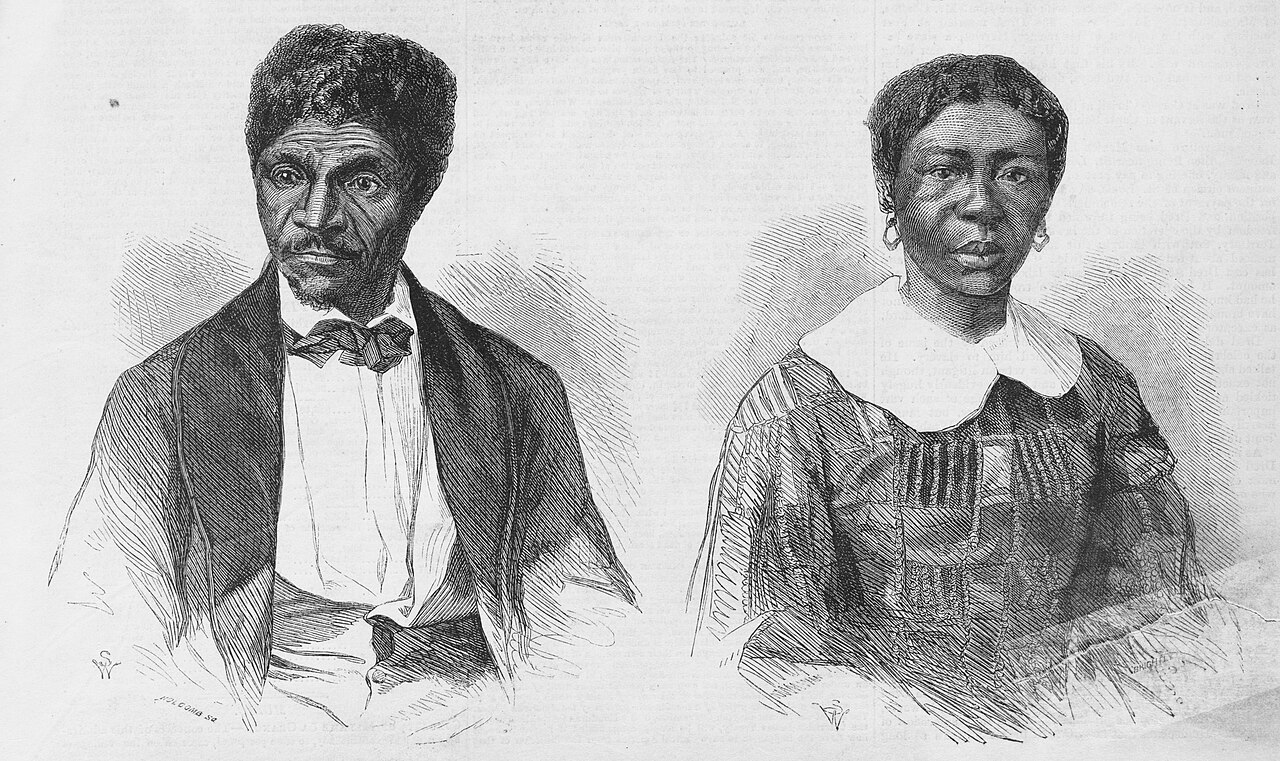
Dred Scott and Harriet Scott Wood Engravings
After John H. Fitzgibbon · 1857
 Document
Primary source
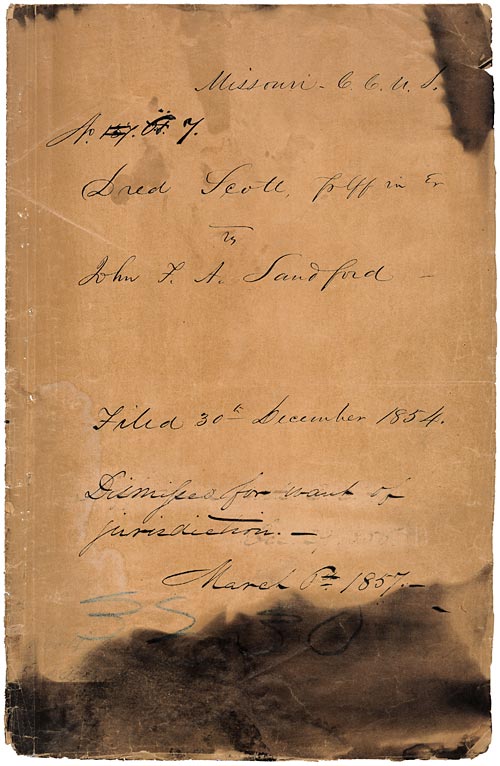
Dred Scott v. Sandford
Roger B. Taney · 6 March 1857
 Document
Primary source
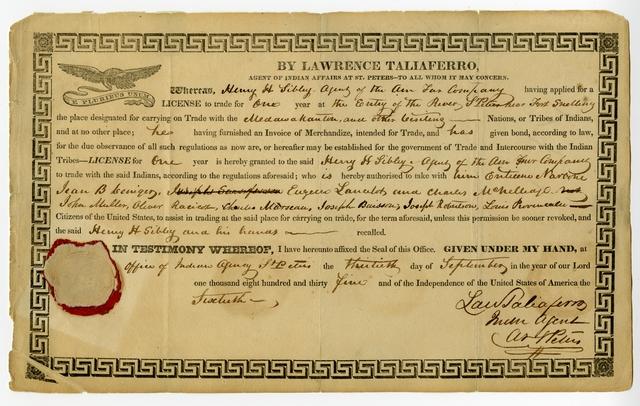
Trading License Granted to Henry H. Sibley
Lawrence Taliaferro · 30 September 1835
 Newspaper article
Primary source
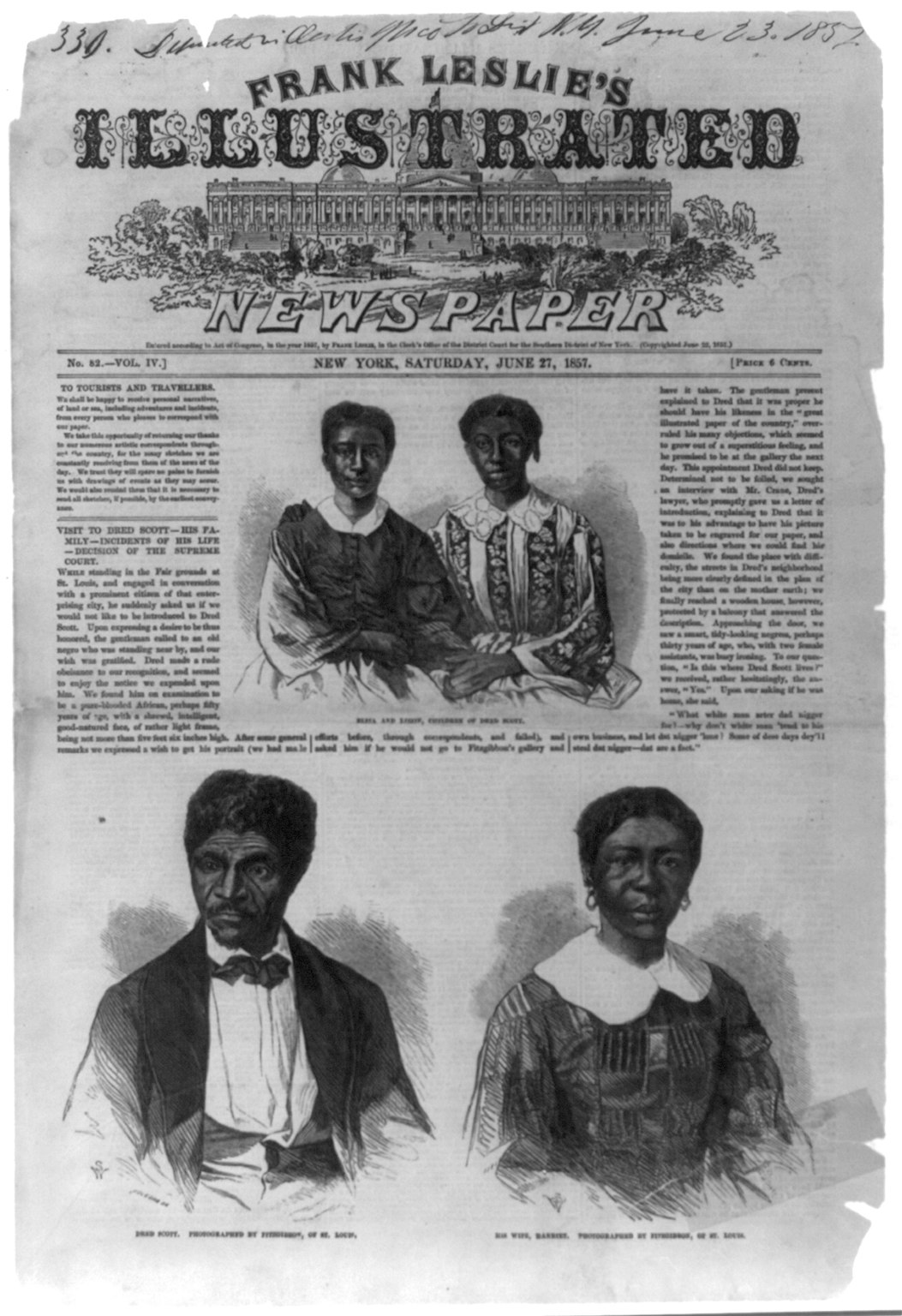
Visit to Dred Scott: His Family, Incidents of His Life, Decision of the Supreme Court
27 June 1857
Ready when you are
Start chatting with Harriet Robinson Scott now.
20 messages free · No credit card · Available in 50+ languages.