


Primary sourceDocument
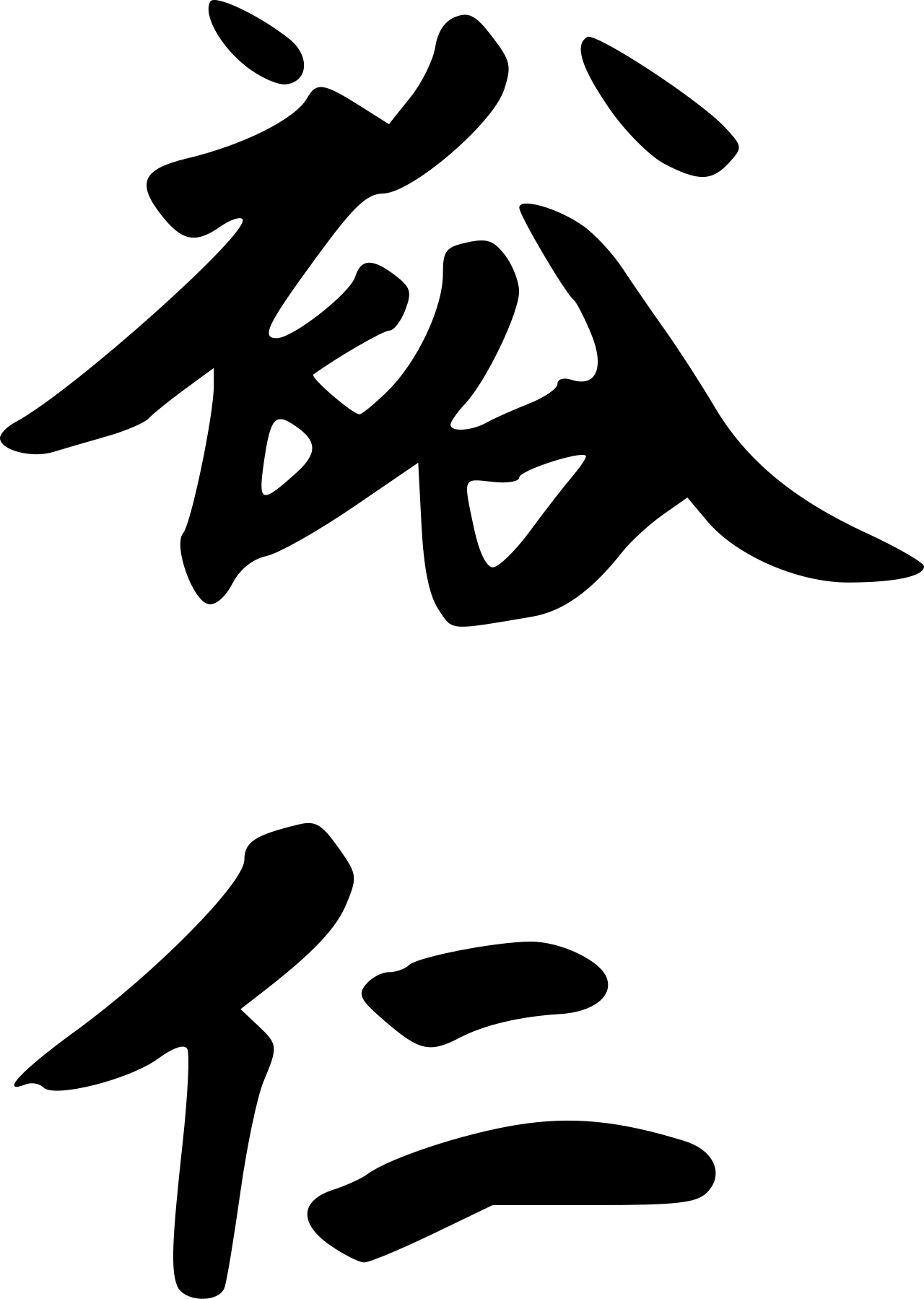
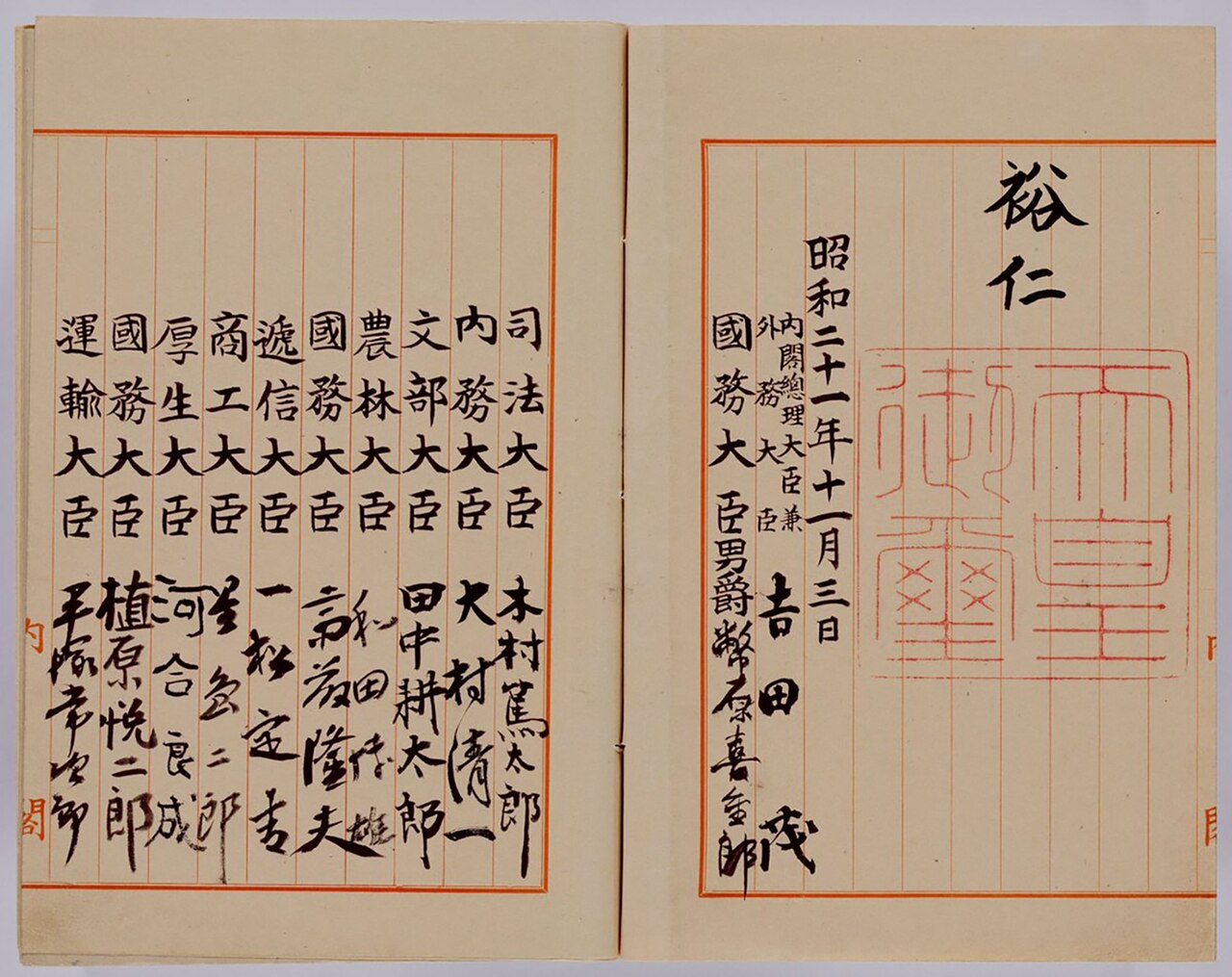
Signature of Hirohito
Hirohito
The emperor's sign-manual, used on official rescripts, laws and treaties throughout his reign.
This is Hirohito's own sign-manual, used to authorize laws, rescripts and treaties during his reign.
About this source
What it is
This is a reproduction of Hirohito's personal signature, rendered in brush-style Japanese calligraphy. It shows the character for his given name, Hirohito, in a bold, tapered script.
Why it matters
A monarch's signature was required to make laws, decrees and treaties official. This signature would have appeared on countless state documents across six decades of Hirohito's reign, from the prewar empire through the Second World War and into postwar Japan, making it a symbol of continuity through dramatic political change.
Look closer
- Why would a ruler's handwriting be treated as an important historical record?
- What might change about the meaning of a signature on documents from before and after 1945?
- How does a signature differ from a photograph or speech as a way of understanding a historical figure?
This document is part of the curated material that grounds the AI version of Emperor Hirohito on Humy.ai — when students ask about related events, the AI can quote it and cite it.
More Emperor Hirohito sources
Browse all 96 →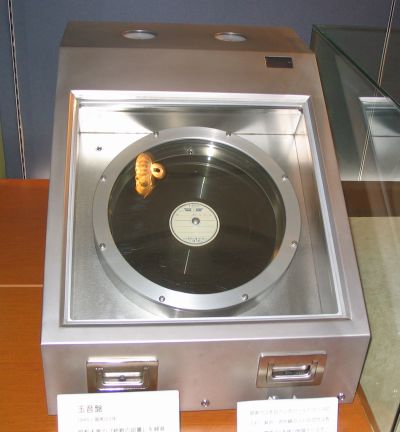 Speech
Primary source
Hirohito Surrender Broadcast (Jewel Voice Broadcast)
Hirohito · 15 August 1945
 Document
Primary source
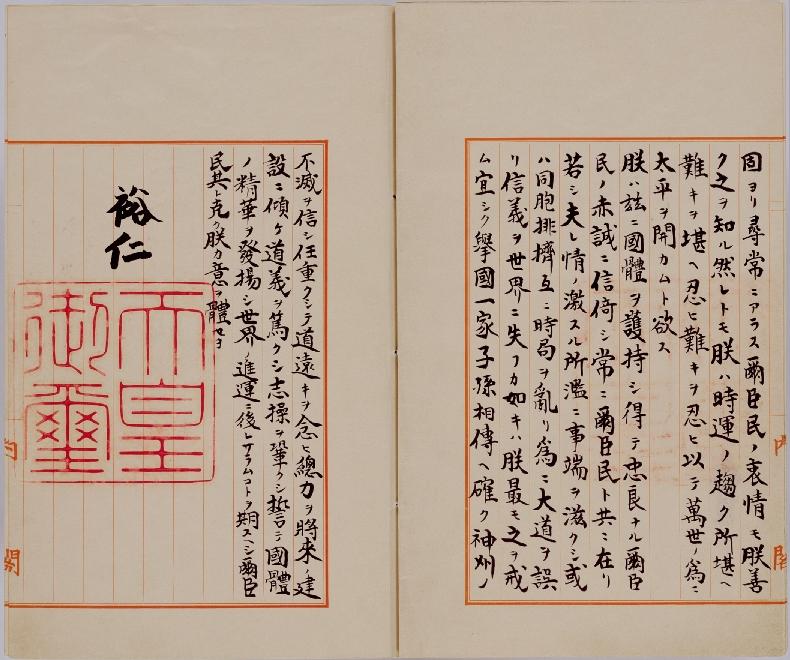
Imperial Rescript on the Termination of the War
Hirohito · 15 August 1945
 Photograph
Primary source
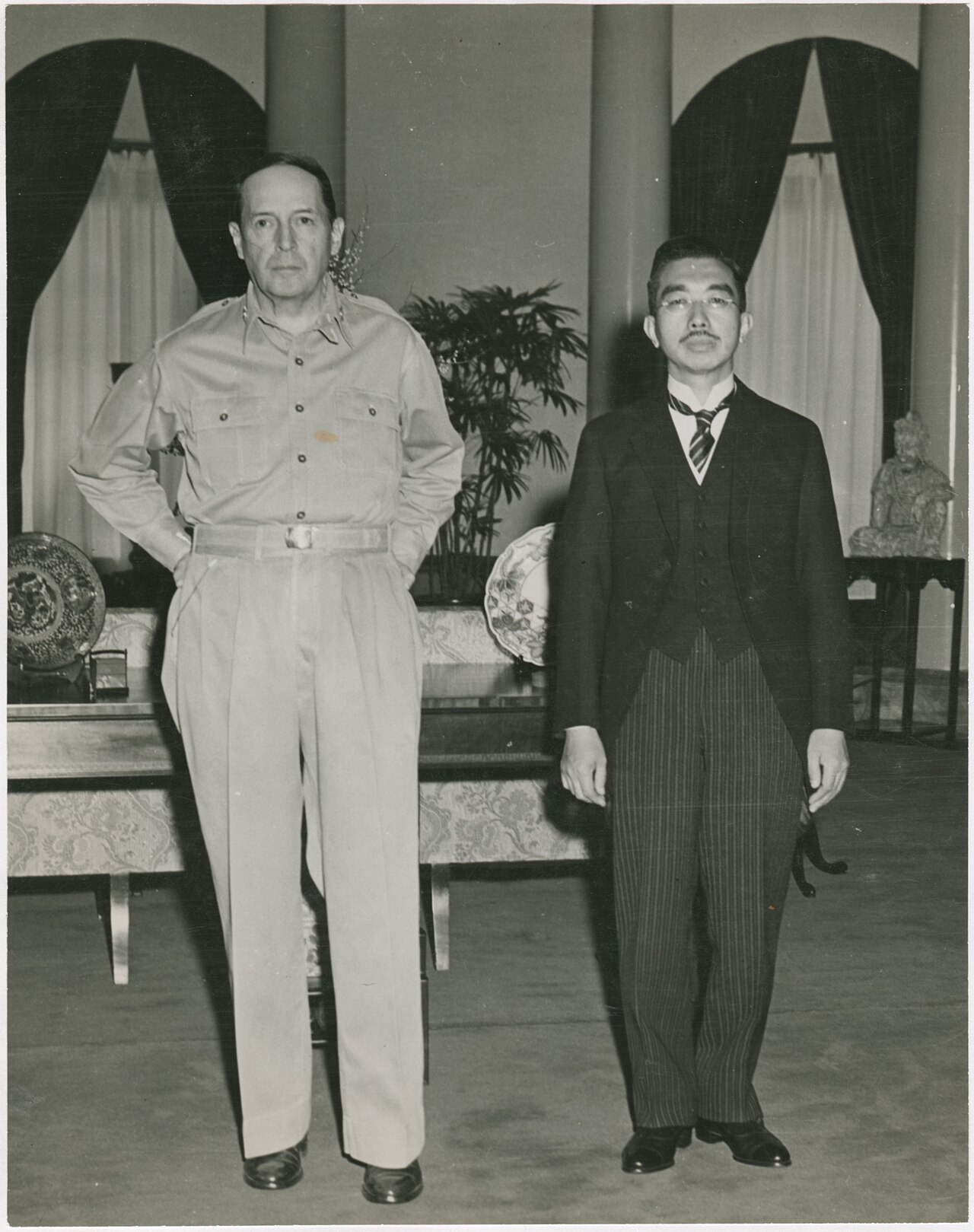
Photograph of General MacArthur and Emperor Hirohito at the U.S. Embassy, Tokyo
Gaetano Faillace · 27 September 1945
Primary source
Humanity Declaration
Hirohito · 1 January 1946
Free account
Read every Emperor Hirohito source
Sign up free →
Ready when you are
Start chatting with Emperor Hirohito now.
20 messages free · No credit card · Available in 50+ languages.