


Primary sourceDocument
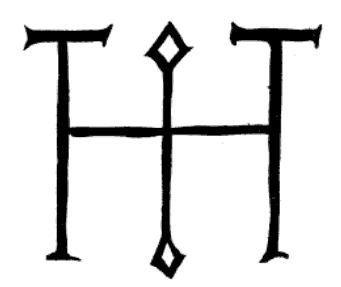
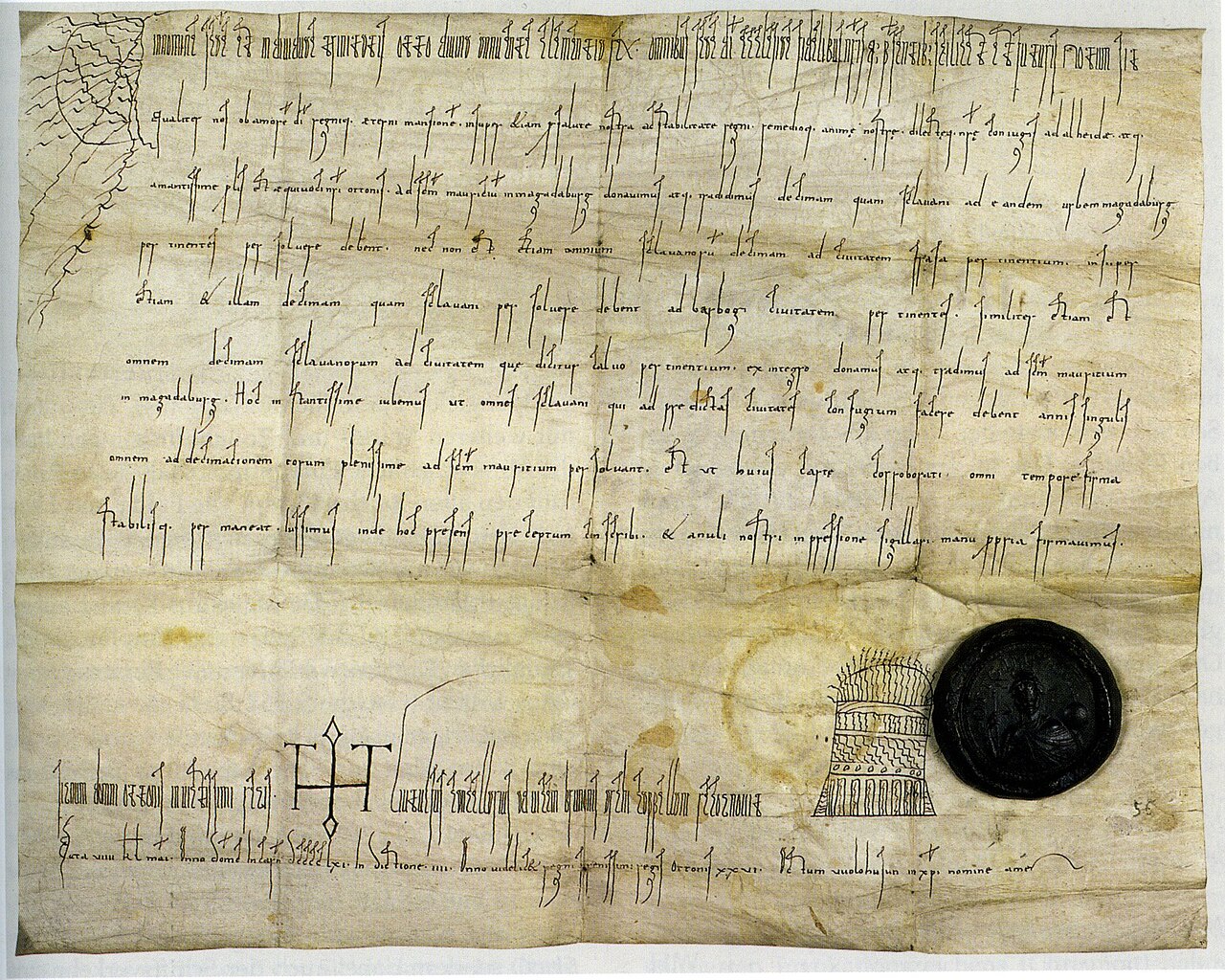
Signature of Otto I the Great
Otto I the Great
The monogram Otto I used to personally validate his official charters and diplomas.
Otto's own monogram, used to validate his charters and diplomas.
About this source
What it is
This is the signum, or monogram, of Otto I, the mark he completed with his own hand on official diplomas to confirm them. It takes the form of a stylized symbol built from crossing strokes.
Why it matters
Because many rulers of this period could not write in the way modern readers understand writing, a monogram like this let a king personally validate a document even without full literacy. It shows how medieval rulers combined the work of scribes with their own physical mark to make a charter official.
Look closer
- What does the use of a monogram instead of a full signature suggest about literacy among rulers of this time?
- Why might this personal mark matter as much as written words on a document?
- How might historians use a signum like this to check whether a document is genuine?
This document is part of the curated material that grounds the AI version of Otto I the Great on Humy.ai — when students ask about related events, the AI can quote it and cite it.
More Otto I the Great sources
Browse all 95 →Primary source
Res gestae saxonicae sive annalium libri tres
Widukind of Corvey · c. 960-973
 Artifact
Primary source
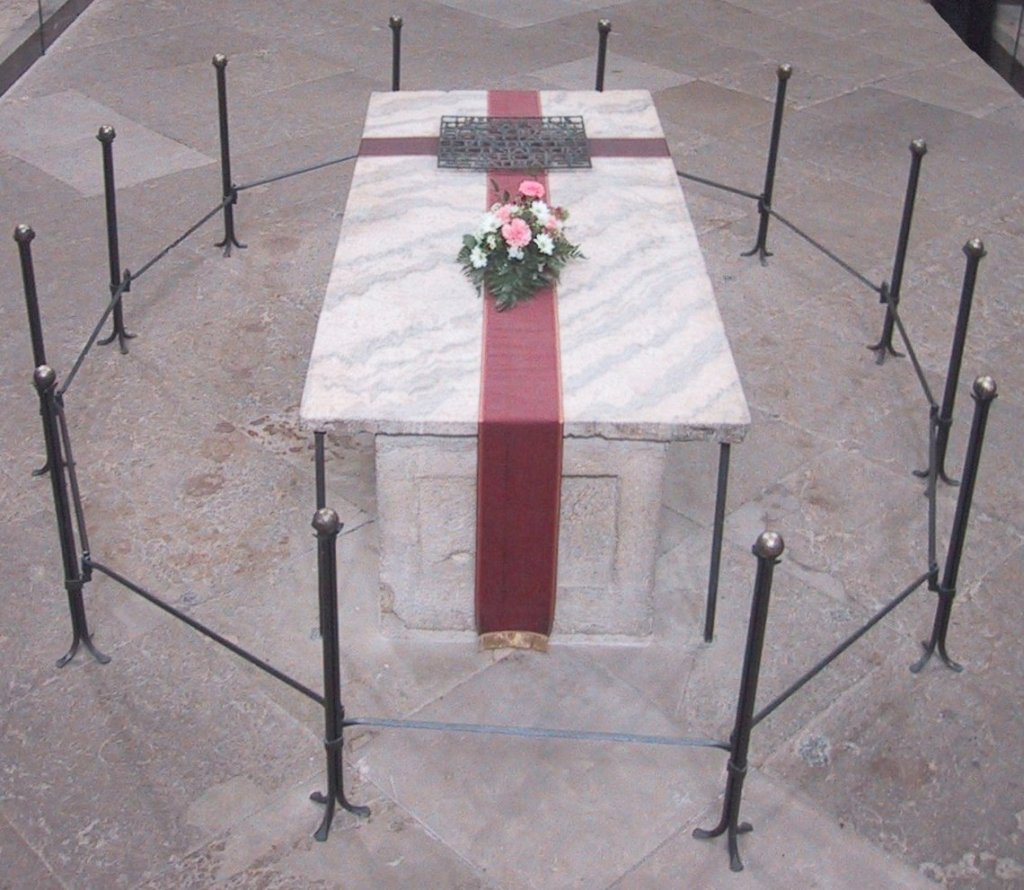
Tomb of Otto I, Holy Roman Emperor
973
 Letter
Primary source
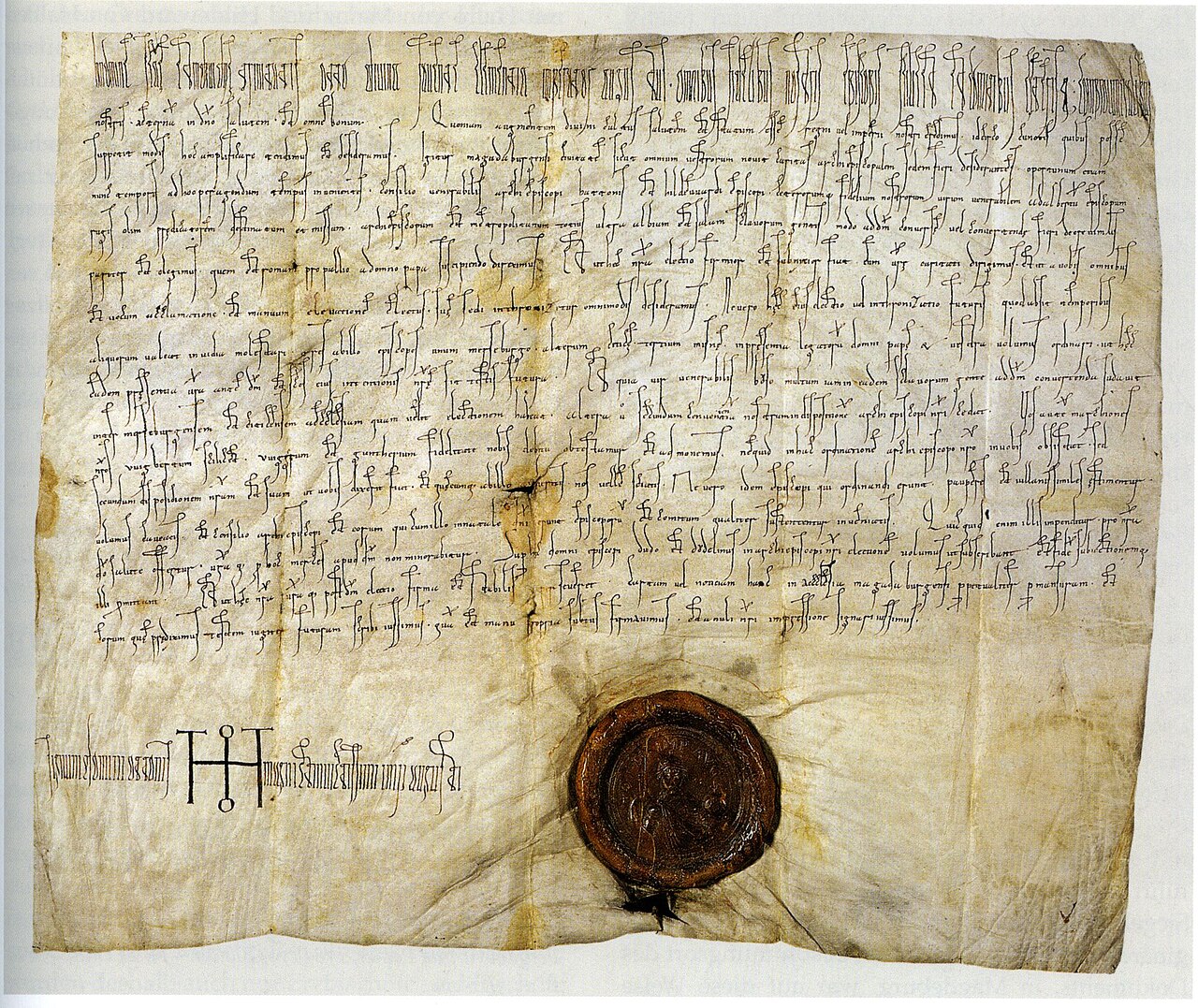
Letter announcing the Archbishopric of Magdeburg
Otto I the Great · 968
Primary source
Carmen de gestis Ottonis I. imperatoris
Hrotsvitha · c. 950

Free account
Read every Otto I the Great source
Sign up free →
Ready when you are
Start chatting with Otto I the Great now.
20 messages free · No credit card · Available in 50+ languages.