


Primary sourceDocument
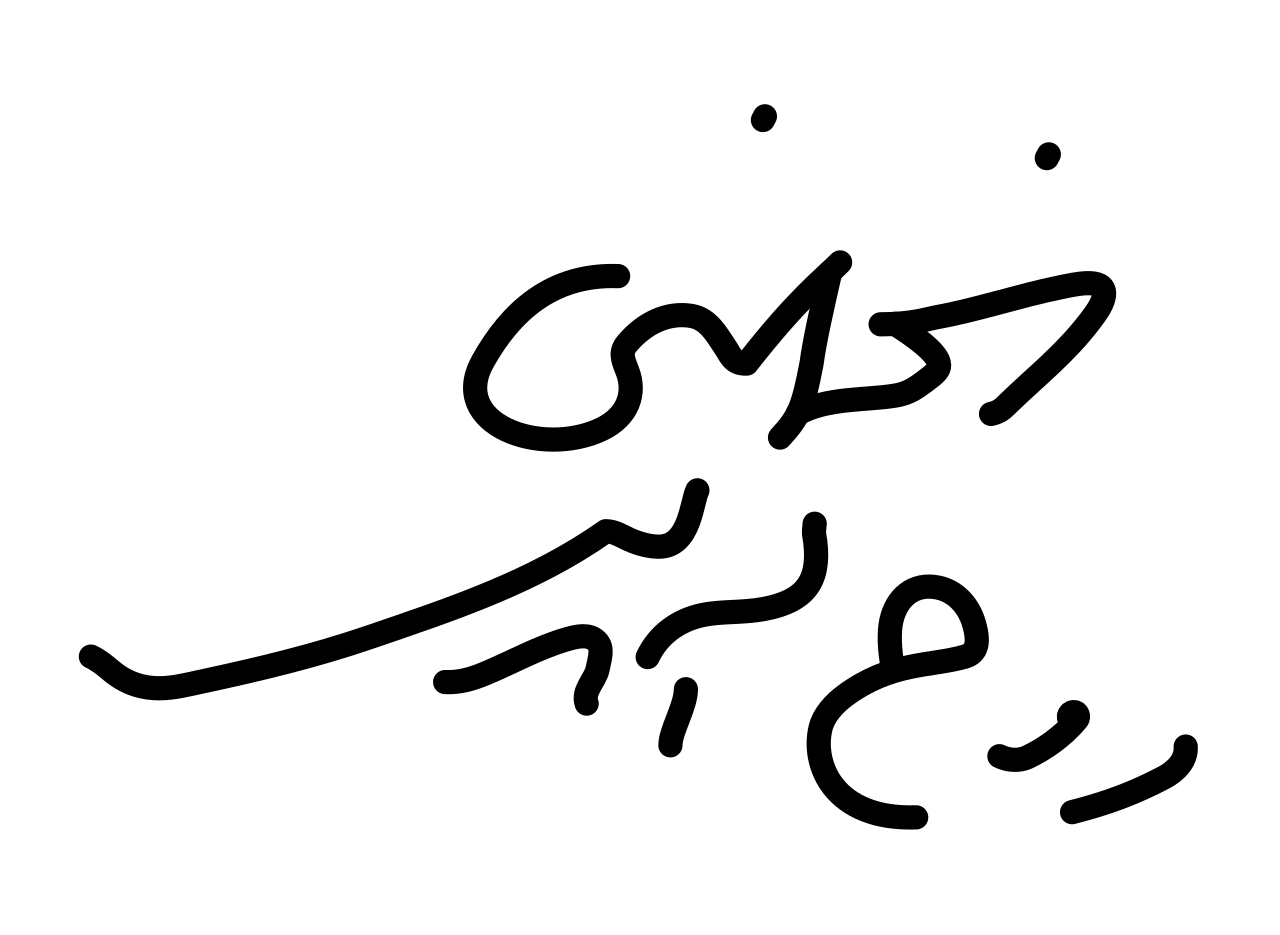
Signature of Ruhollah Khomeini
Ruhollah Khomeini
The handwritten signature of Ruhollah Khomeini, used to authenticate the decrees and fatwas through which he ruled.
His own signature, used to authenticate the decrees and fatwas through which he ruled.
About this source
What it is
A black handwritten signature in Persian script on a white background, made with thick strokes, including two dots above the script and a long flowing stroke beneath. It is recorded as the signature of Seyyed Ruhollah Musavi Khomeini.
Why it matters
A leader's signature authenticated official documents, decrees and religious rulings (fatwas). As Supreme Leader of Iran, Khomeini's signature carried enormous weight, marking the documents through which he exercised religious and political authority.
Look closer
- What does the style of the handwriting suggest about how it was written, quickly or carefully?
- Why do signatures matter for verifying official documents?
- What can a signature alone tell us, and what can it not tell us, about the person who wrote it?
This document is part of the curated material that grounds the AI version of Ruhollah Khomeini on Humy.ai — when students ask about related events, the AI can quote it and cite it.
More Ruhollah Khomeini sources
Browse all 90 →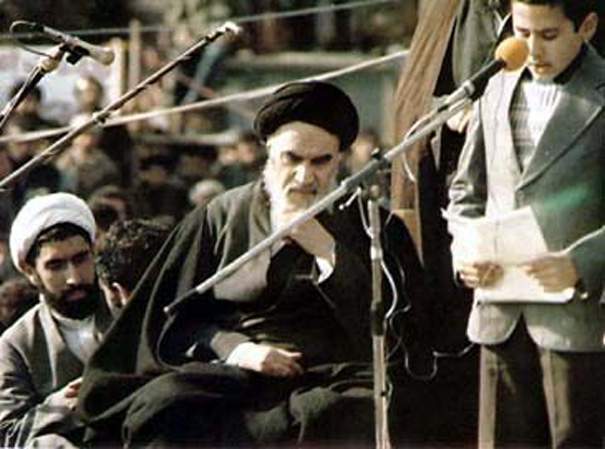 Speech
Primary source
Speech at Behesht-e Zahra
Ruhollah Khomeini · 1 February 1979
Primary source
Air France Flight 4721: Khomeini's Return to Iran
emam.com · 1 February 1979
 Document
Primary source
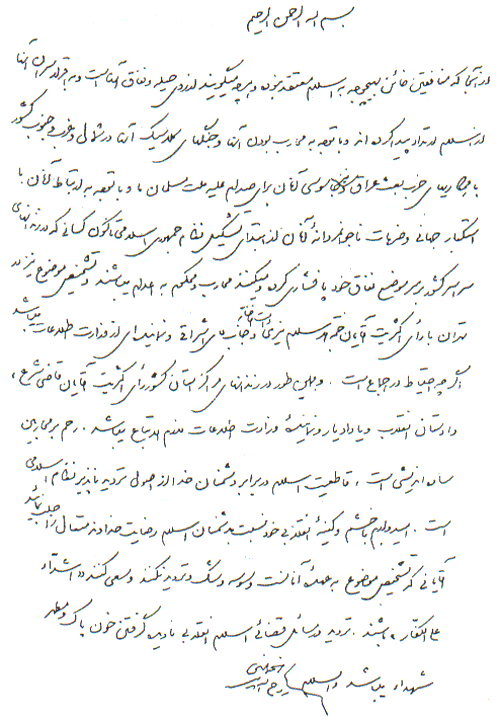
Order for 1988 Executions of Political Prisoners
Ruhollah Khomeini · 1988
 Photograph
Primary source
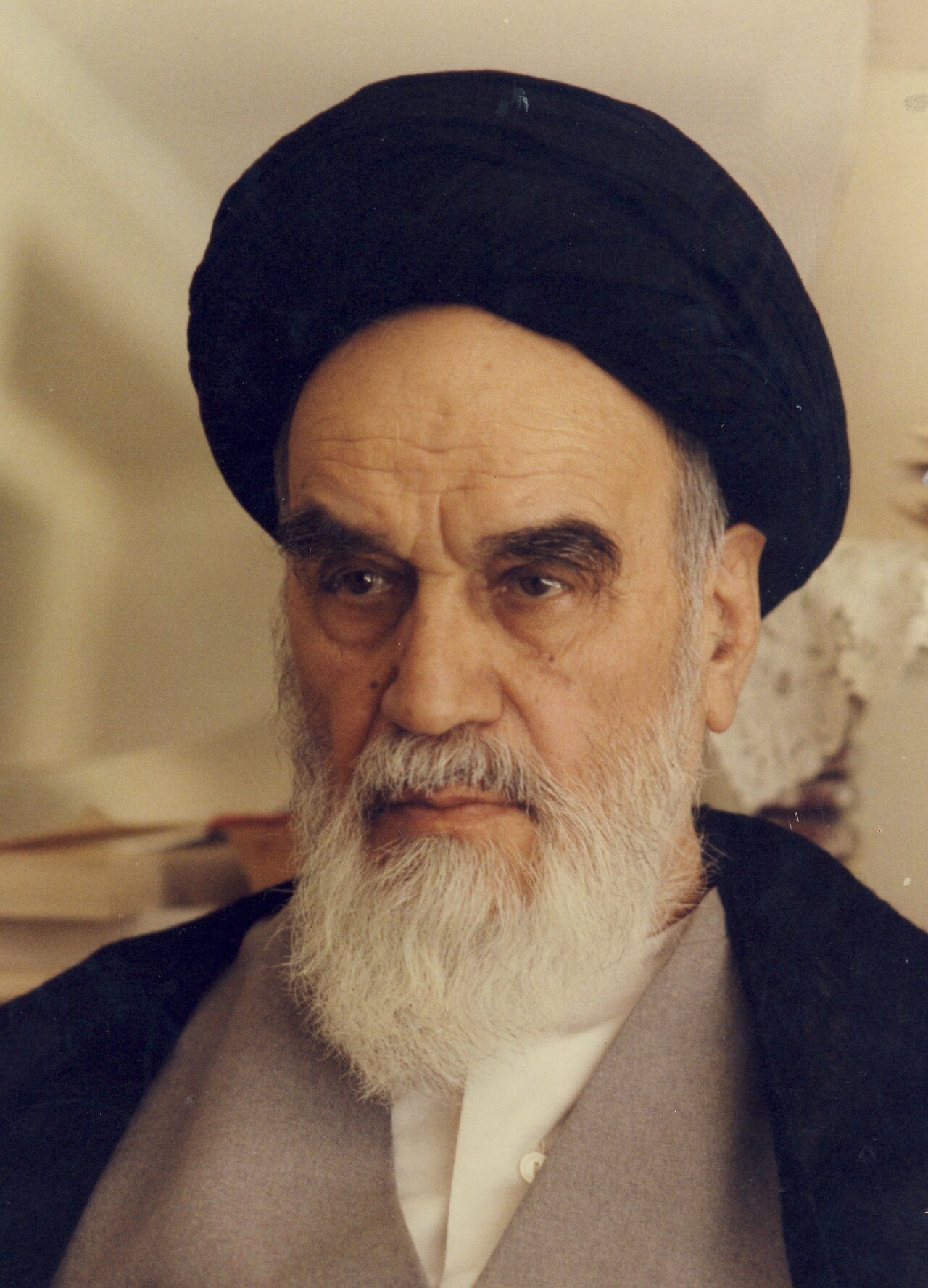
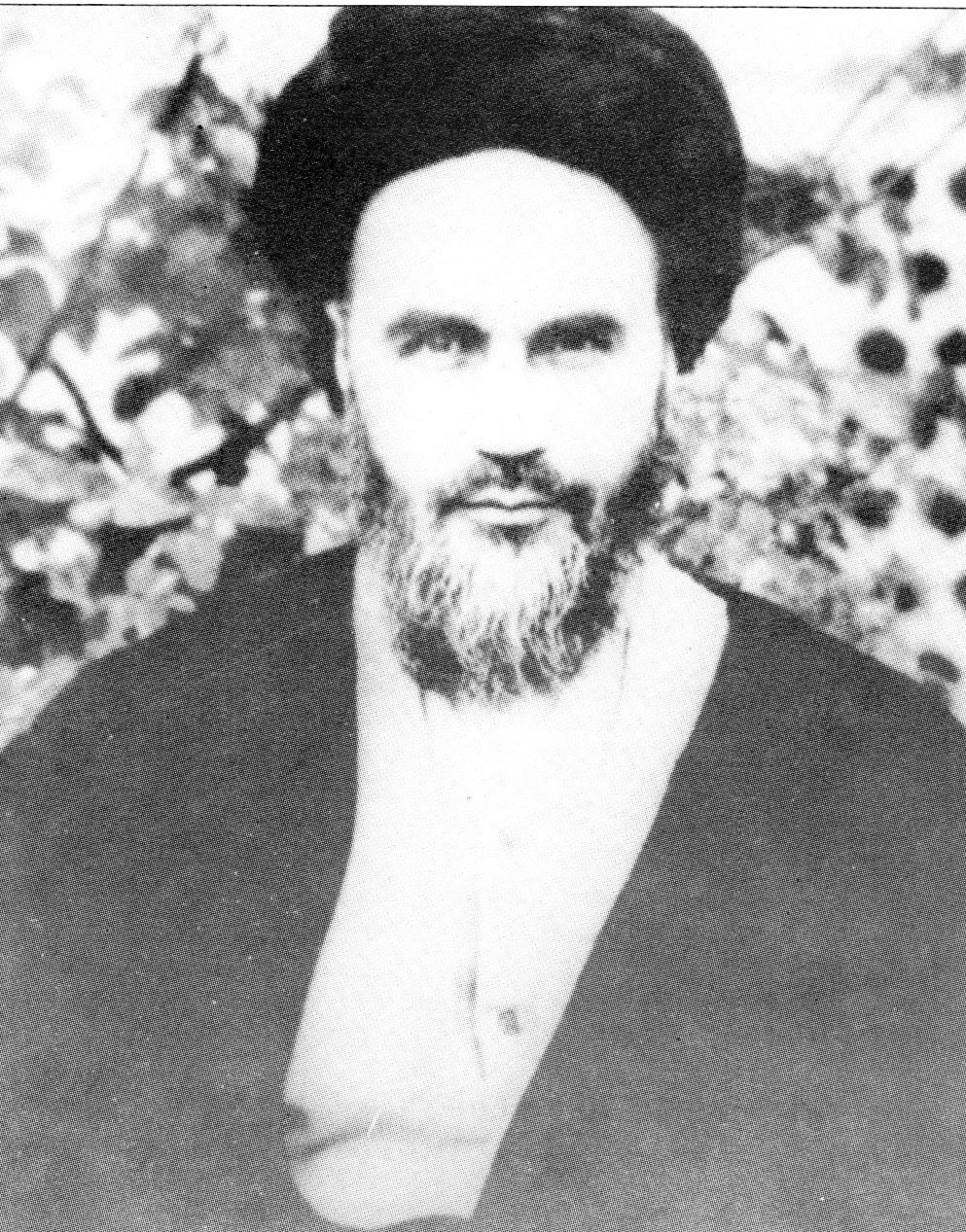
Portrait of Ruhollah Khomeini
Free account
Read every Ruhollah Khomeini source
Sign up free →
Ready when you are
Start chatting with Ruhollah Khomeini now.
20 messages free · No credit card · Available in 50+ languages.