


Primary sourceDocument
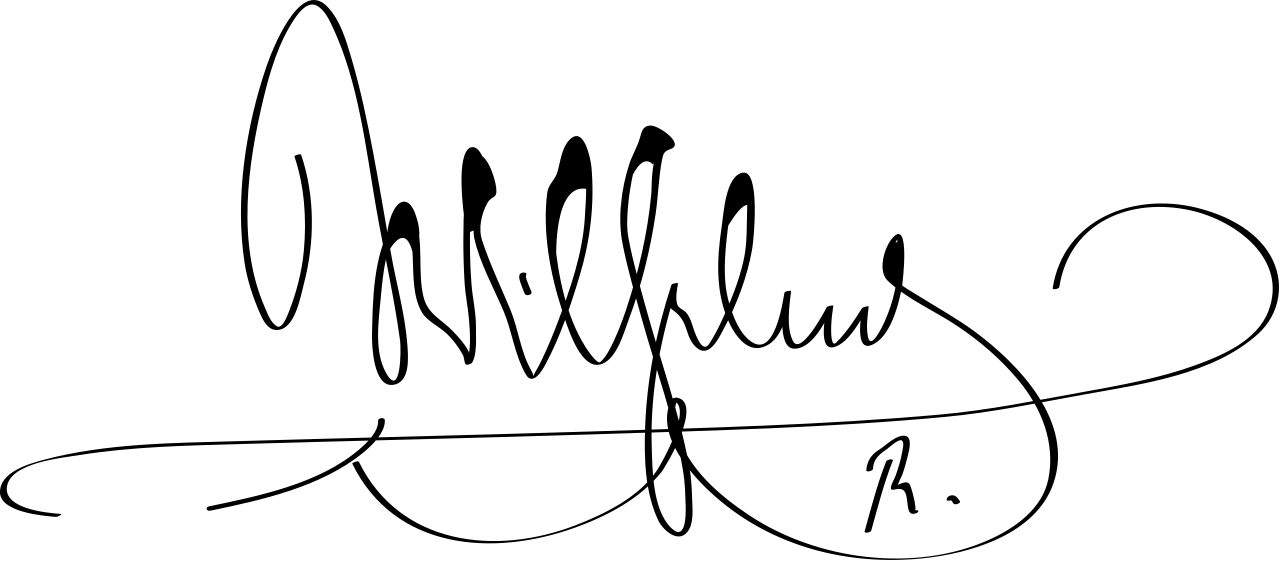
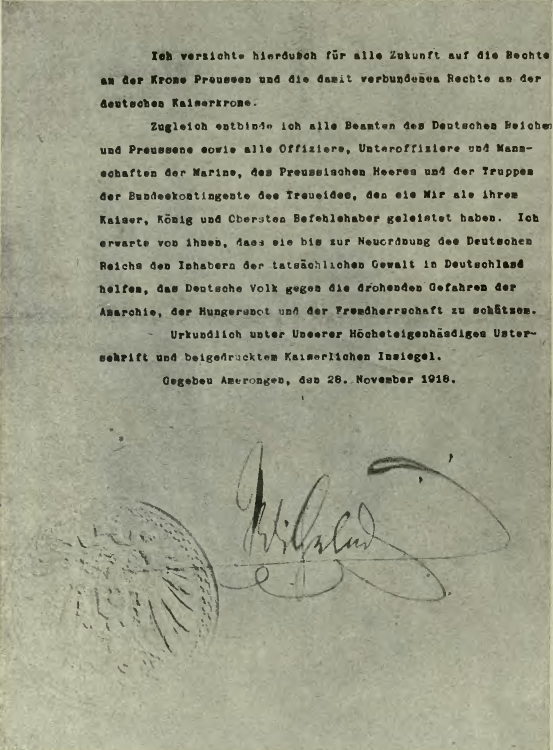
Signature of Wilhelm II
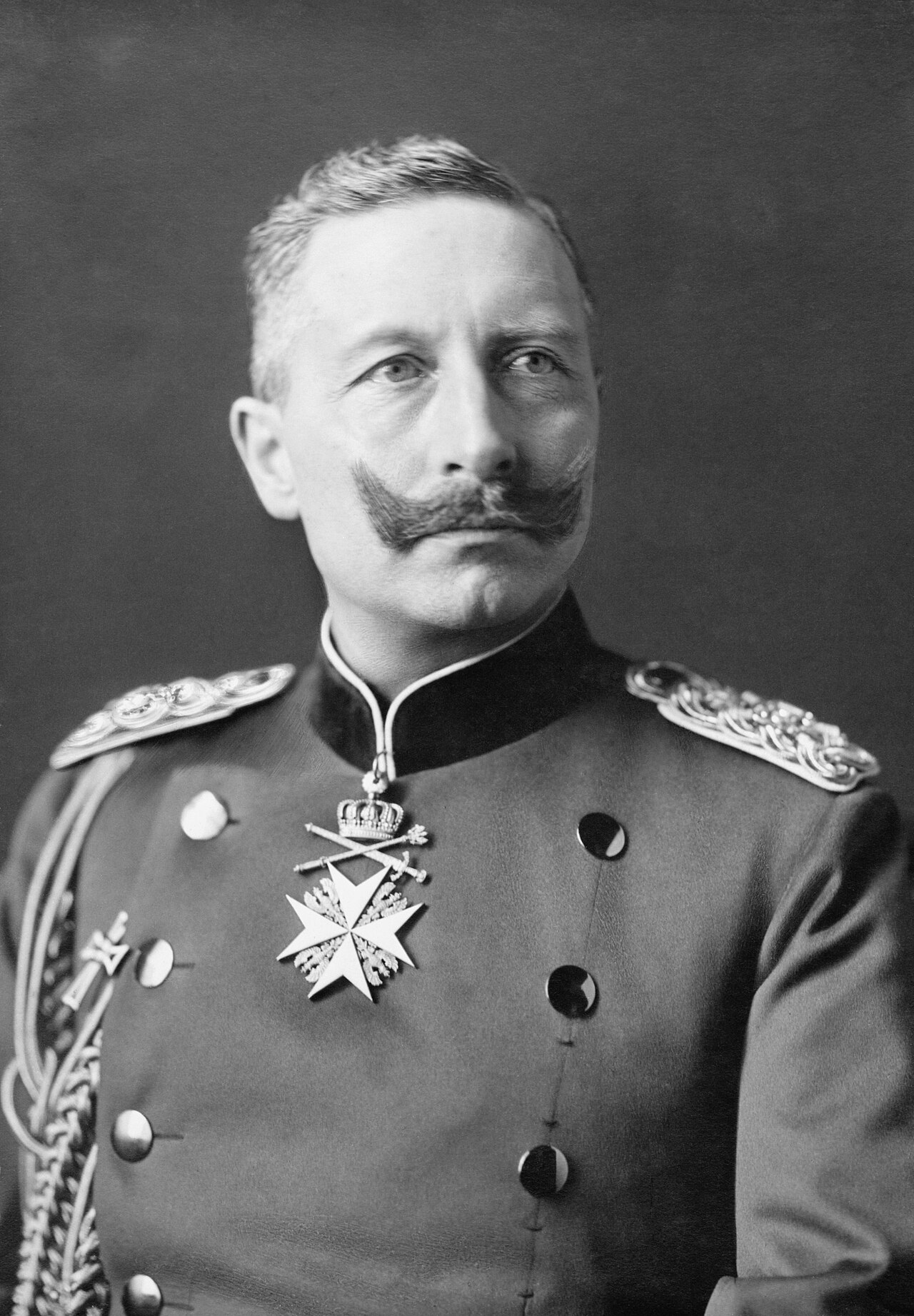
Wilhelm II
The handwritten signature of Wilhelm II, reading Wilhelm with an initial R, as it appeared on state documents.
The emperor's own signature, which he used on state documents as their official mark of authority.
About this source
What it is
This is a digital image of the handwritten signature of Wilhelm II, taken from a Wikimedia Commons file linked to his Wikidata entry. The signature shows the word Wilhelm in large looping script, with a long flourish, a horizontal underline and a small initial R with a dot. The archive note says it is written as Wilhelm I.R., as found on state documents. The date of the signature is not given in the facts.
Why it matters
A monarch's signature was the legal mark that gave a decree or document its authority. Studying it helps students see how the emperor's name was used to make state business official. The signature alone does not show what the emperor decided, so it must be read together with the documents it appears on.
Look closer
- What letters can you recognize in the signature, and what parts are hard to read?
- Why might a ruler sign documents in a stylized way that is hard to copy?
- What would you need to know about a document before trusting that a signature was really written by the emperor himself?
This document is part of the curated material that grounds the AI version of Kaiser Wilhelm II on Humy.ai — when students ask about related events, the AI can quote it and cite it.
More Kaiser Wilhelm II sources
Browse all 97 →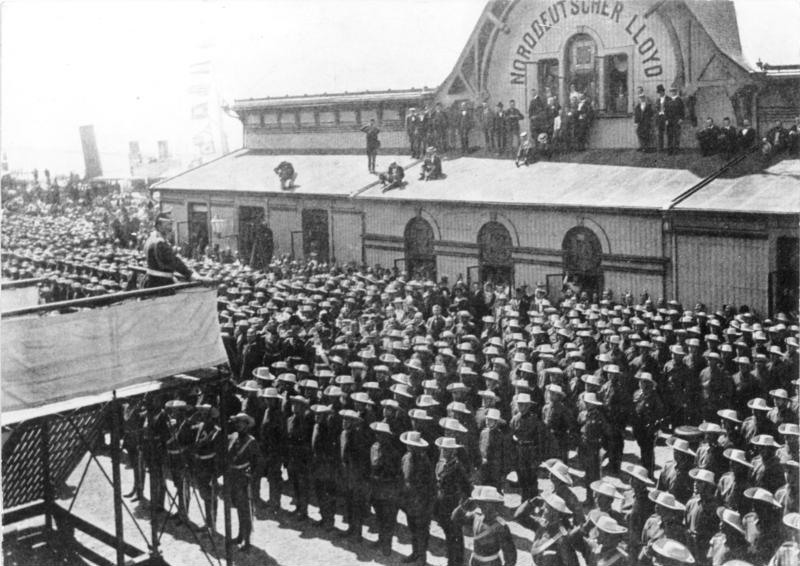 Speech
Primary source
Hun Speech
Wilhelm II · 27 July 1900
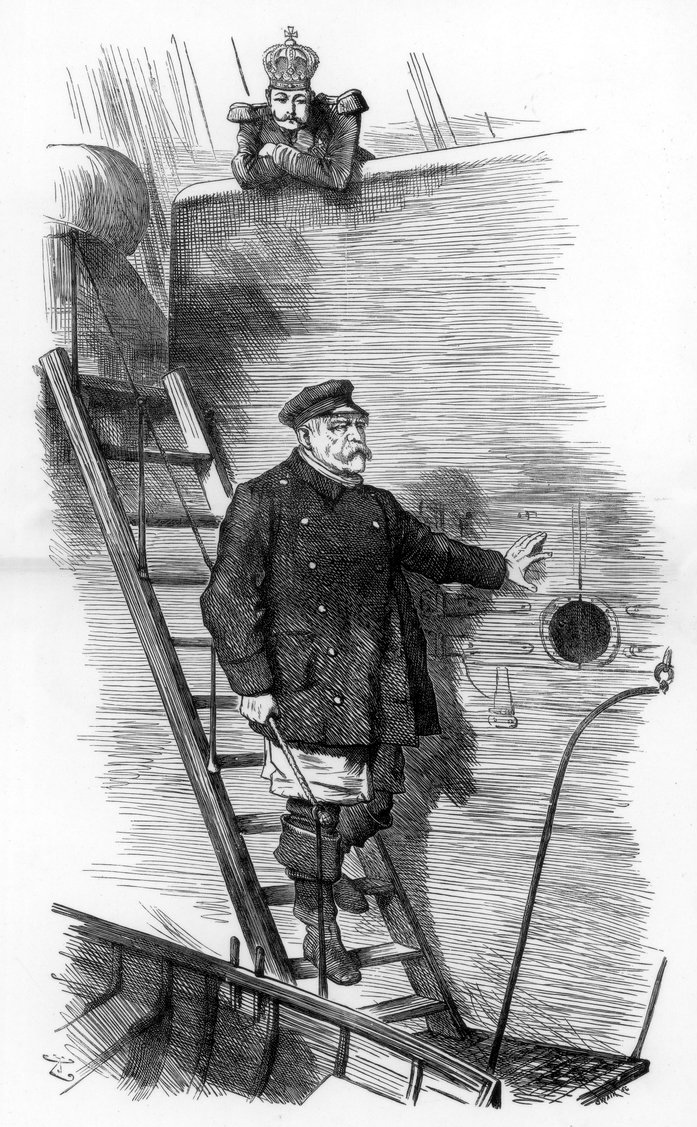 Painting
Secondary source
Dropping the Pilot
John Tenniel · 29 March 1890
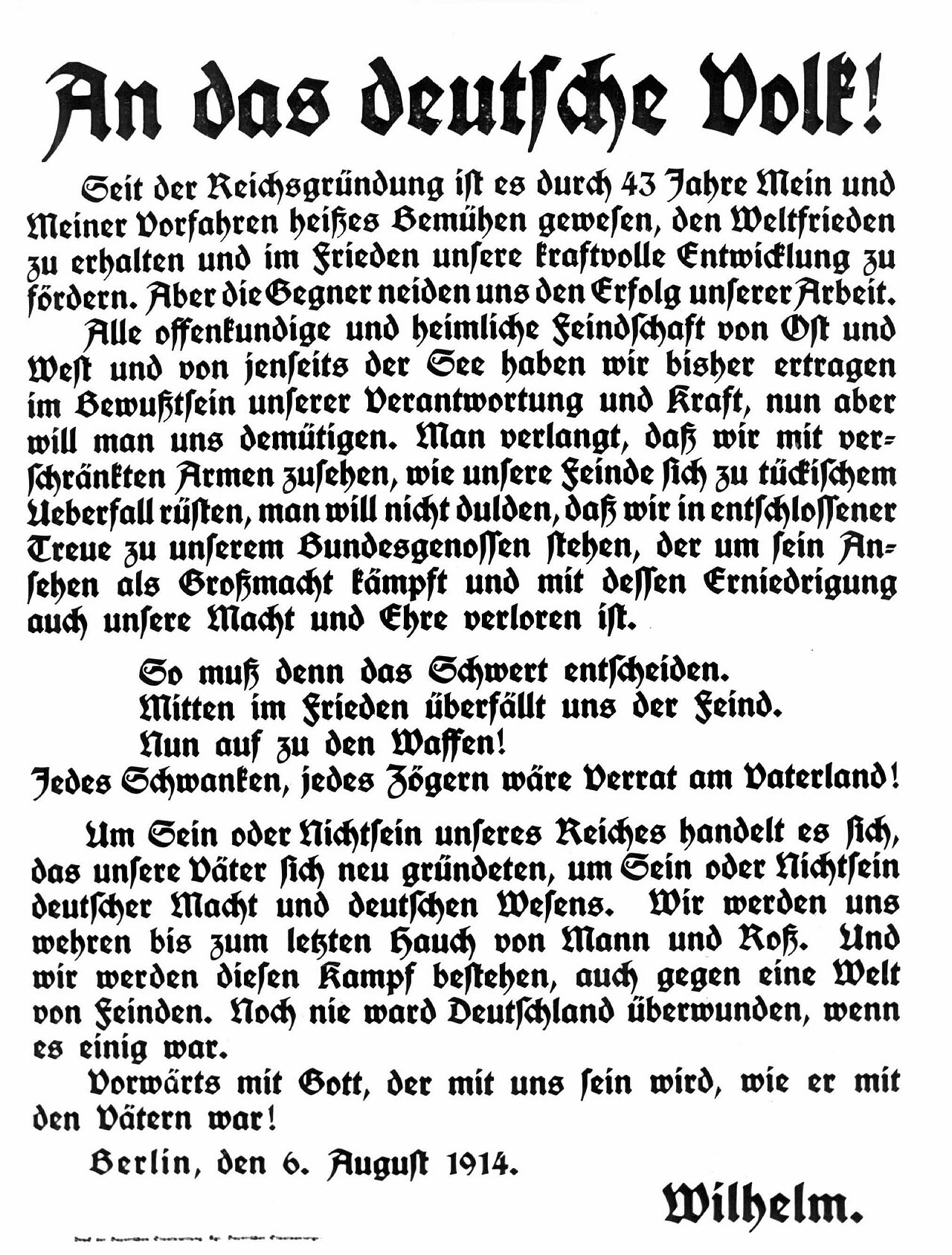 Document
Primary source
To the German People
Kaiser Wilhelm II · 6 August 1914
Primary source
Recording of the Voice of Wilhelm II
Wilhelm II · 6 August 1914
Free account
Read every Kaiser Wilhelm II source
Sign up free →
Ready when you are
Start chatting with Kaiser Wilhelm II now.
20 messages free · No credit card · Available in 50+ languages.