


Primary sourceBook1861
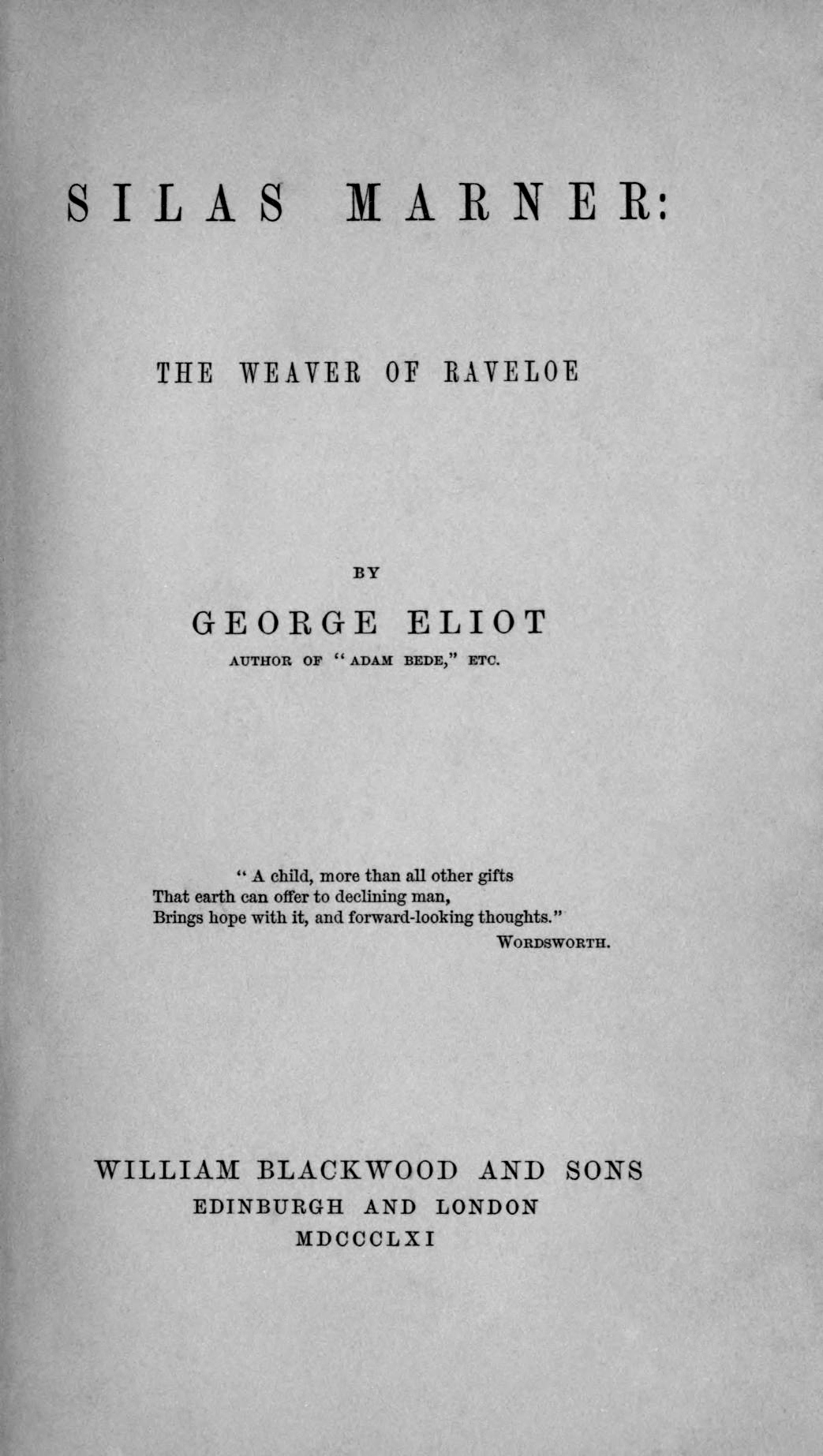
Silas Marner
George Eliot · 1861
George Eliot's short novel about a wronged weaver redeemed by caring for a foundling child, a long-standing school text.
Silas Marner is George Eliot's own novel, long used in schools to study her moral themes.
Free Humy account · No credit card · 53,307 sources to read
About this source
What it is
Silas Marner: The Weaver of Raveloe is George Eliot's third novel, published on 2 April 1861 by William Blackwood and Sons.
It tells the story of a linen weaver falsely accused of theft, who withdraws from society and hoards gold, until the arrival of an abandoned child transforms his life.
Why it matters
Written by Mary Ann Evans under her pen name, the novel combines realism with themes of religion, industrialisation and community. Its depiction of moral regeneration through love and belonging has made it a frequently studied set text in schools.
Look closer
- What does Silas's transformation suggest about what Eliot believed could heal a damaged life?
- Why might Eliot set the story partly in a changing industrial landscape?
- How does the novel use a simple fable-like plot to explore serious moral questions?
This book is part of the curated material that grounds the AI version of George Eliot on Humy.ai — when students ask about related events, the AI can quote it and cite it.
More George Eliot sources
Browse all 95 →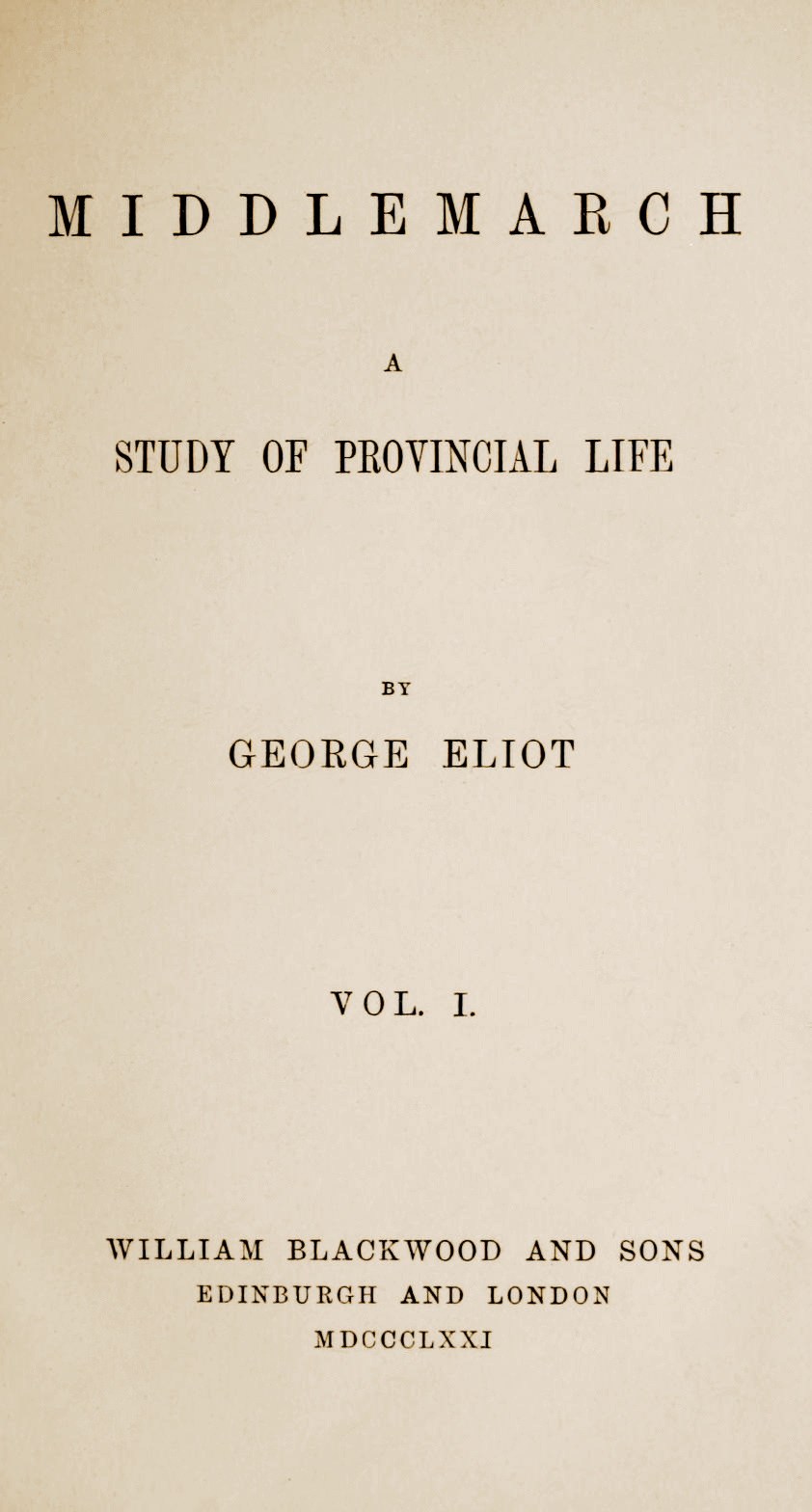 Book
Primary source
Middlemarch
George Eliot · 1871-1872
 Book
Primary source
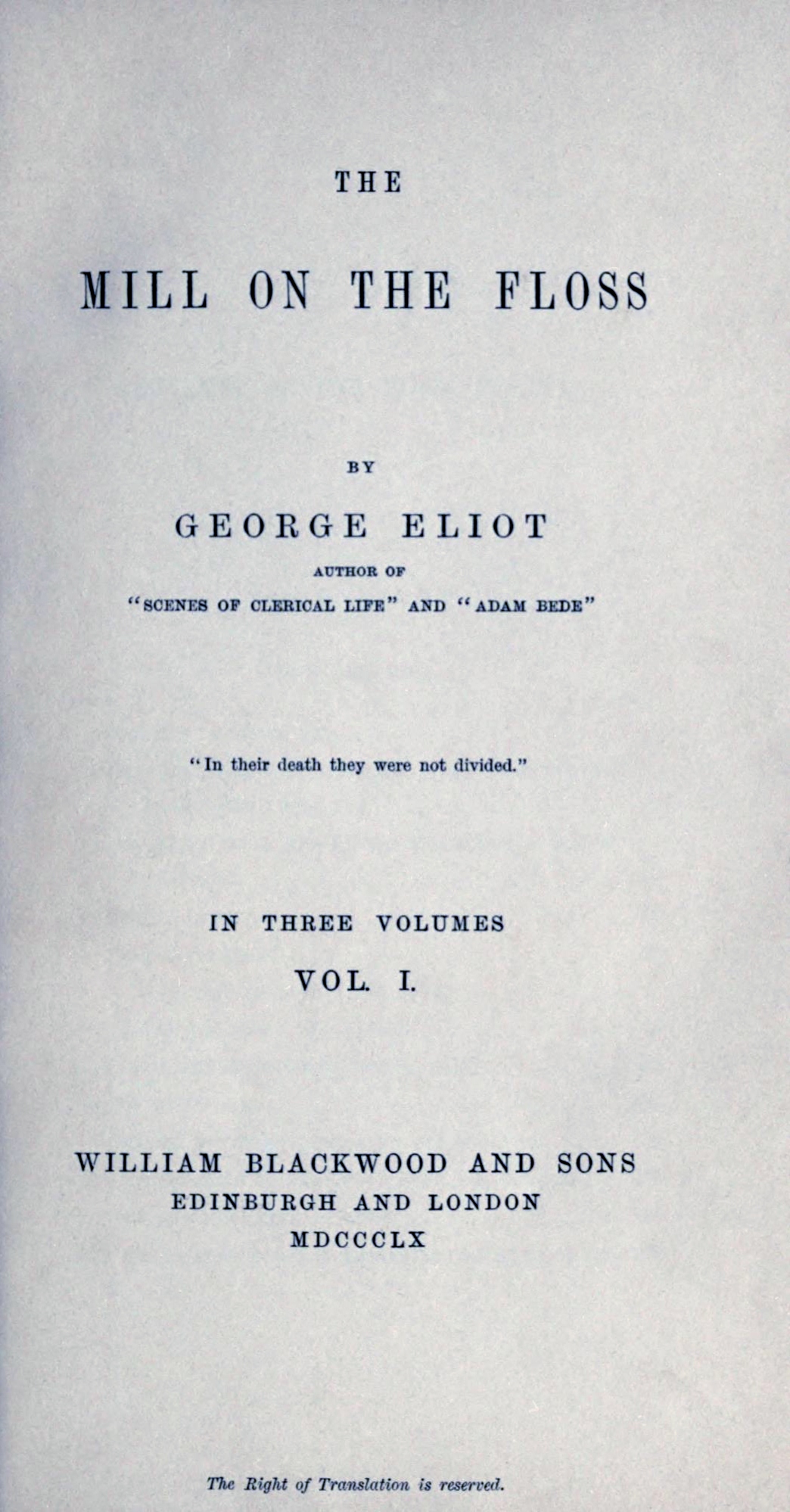
The Mill on the Floss
George Eliot · 1860
 Book
Primary source
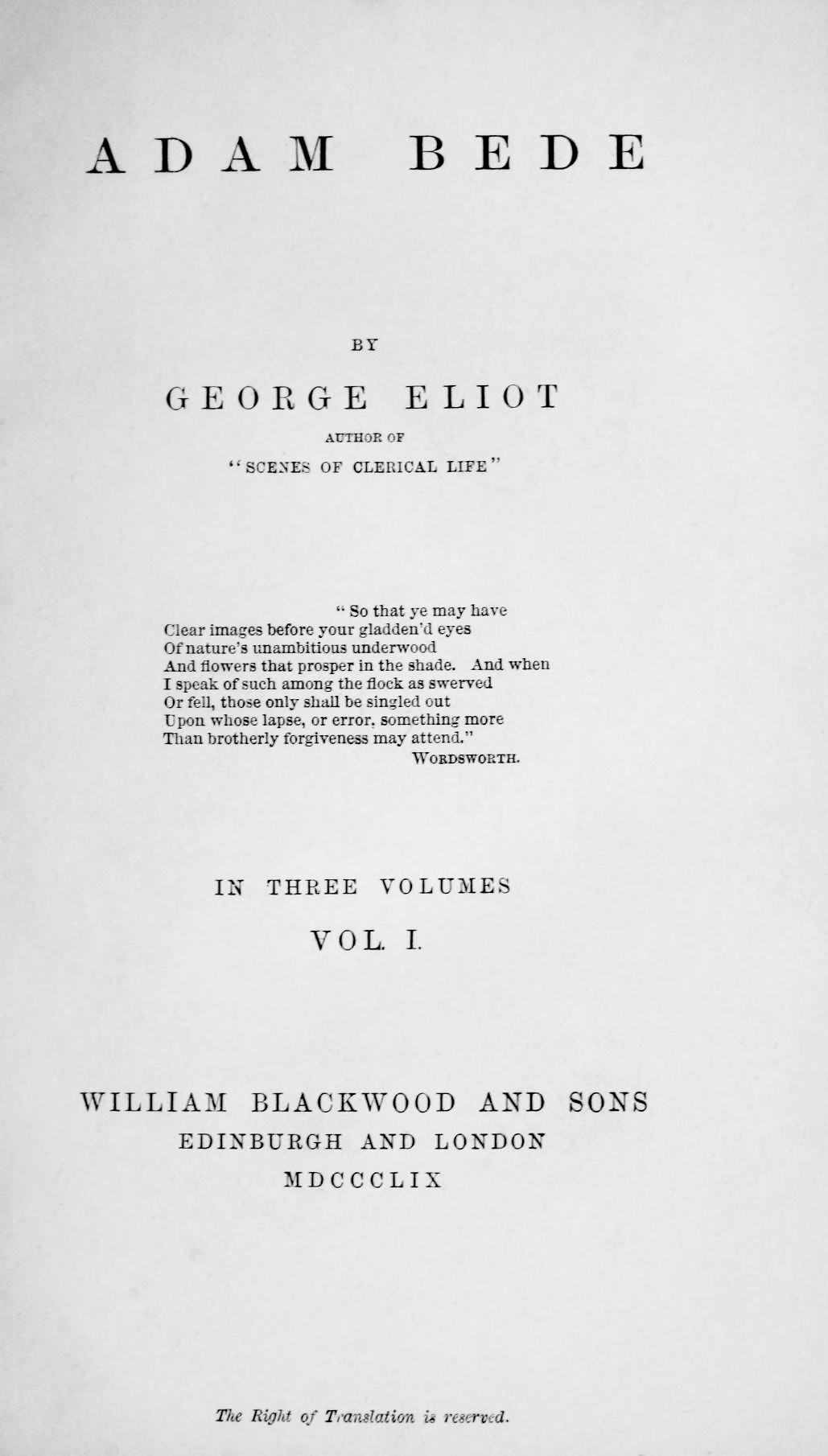
Adam Bede
George Eliot · 1859
 Painting
Primary source
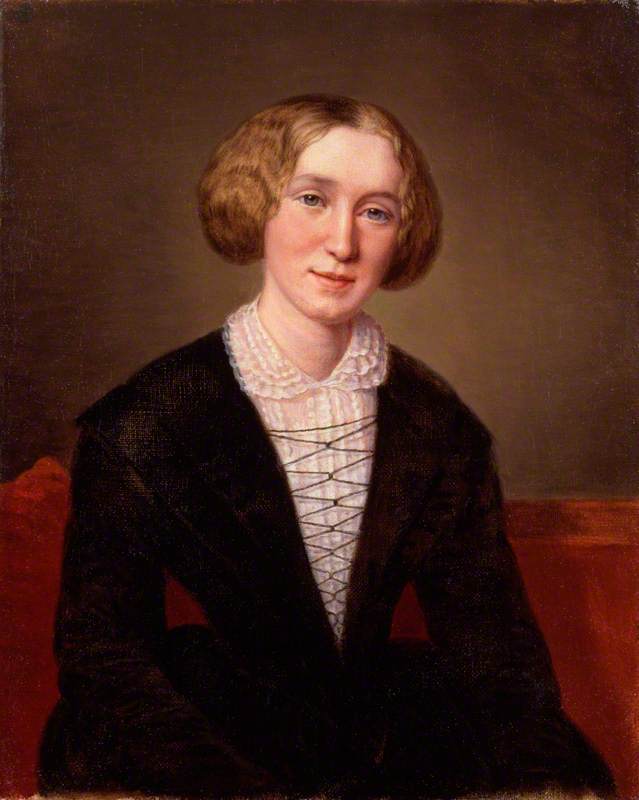
George Eliot (Mary Ann Cross, née Evans)
François D'Albert Durade · 1849-1850
Free account
Browse every George Eliot source
Sign up free →
Ready when you are
Start chatting with George Eliot now.
20 messages free · No credit card · Available in 50+ languages.