


Primary sourceArtifact1894 (printed illustration; the coin's own date is not given)
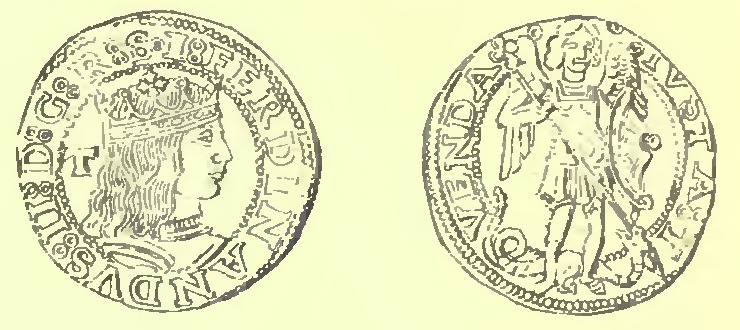
Silver Coin of Ferdinand II, from a 1894 Numismatic Journal
Francesco Gnecchi, Solone Ambrosoli, others · 1894 (printed illustration; the coin's own date is not given)
Two engraved drawings of a silver coin of Ferdinand II, printed in an 1894 numismatic journal. One side shows the king's crowned head and the other shows Saint Michael with a lance.
Shows a coin issued under Ferdinand II that carries his crowned head and royal title, a sign of his authority over his realms.
About this source
What it is
This is a printed illustration of a silver coin of Ferdinand II, shown as two line drawings in an 1894 numismatic journal. The left side shows a crowned head in profile facing right. The right side shows an armed figure with a long lance topped by a cross, with a creature at his feet. The collection record gives the legend FERDINANDVS II D G R S I and, on the reverse, IVSTA T VENDA, and says the coin weighs 3.28 grams. The journal article's authors were Francesco Gnecchi and Solone Ambrosoli, with others. The coin itself is a real object, but this image is a drawing made from it.
Why it matters
Coins were official statements of royal power, carrying the ruler's name and image across the realm. The lance-and-dragon design draws on the story of Saint Michael, a figure of Christian victory, and shows how religion and kingship were linked. Numismatists in the 1800s studied such coins to learn about the rulers who issued them.
Look closer
- What does the king's name and title on the coin tell you about how he wanted to be seen?
- Why might the coin show a saint defeating a dragon rather than the king himself on horseback?
- How does a printed drawing differ from the coin, and what details might it lose?
This artifact is part of the curated material that grounds the AI version of Ferdinand II of Aragon on Humy.ai — when students ask about related events, the AI can quote it and cite it.
More Ferdinand II of Aragon sources
Meet the AI Ferdinand II of Aragon →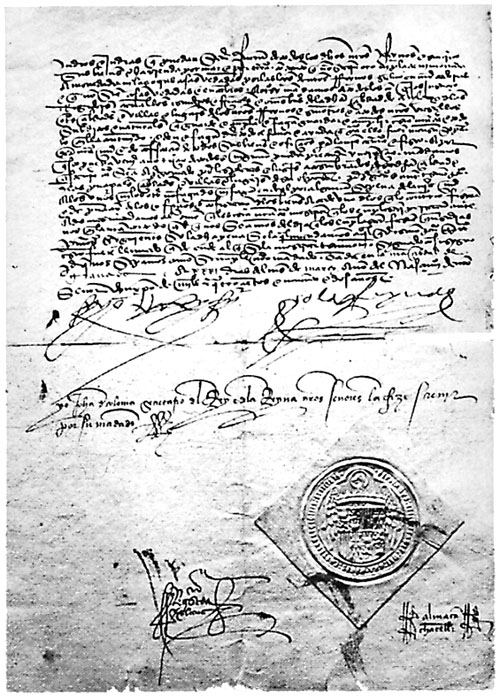 Document
Primary source
Alhambra Decree
Isabella I of Castile and Ferdinand II of Aragon · 31 March 1492
 Document
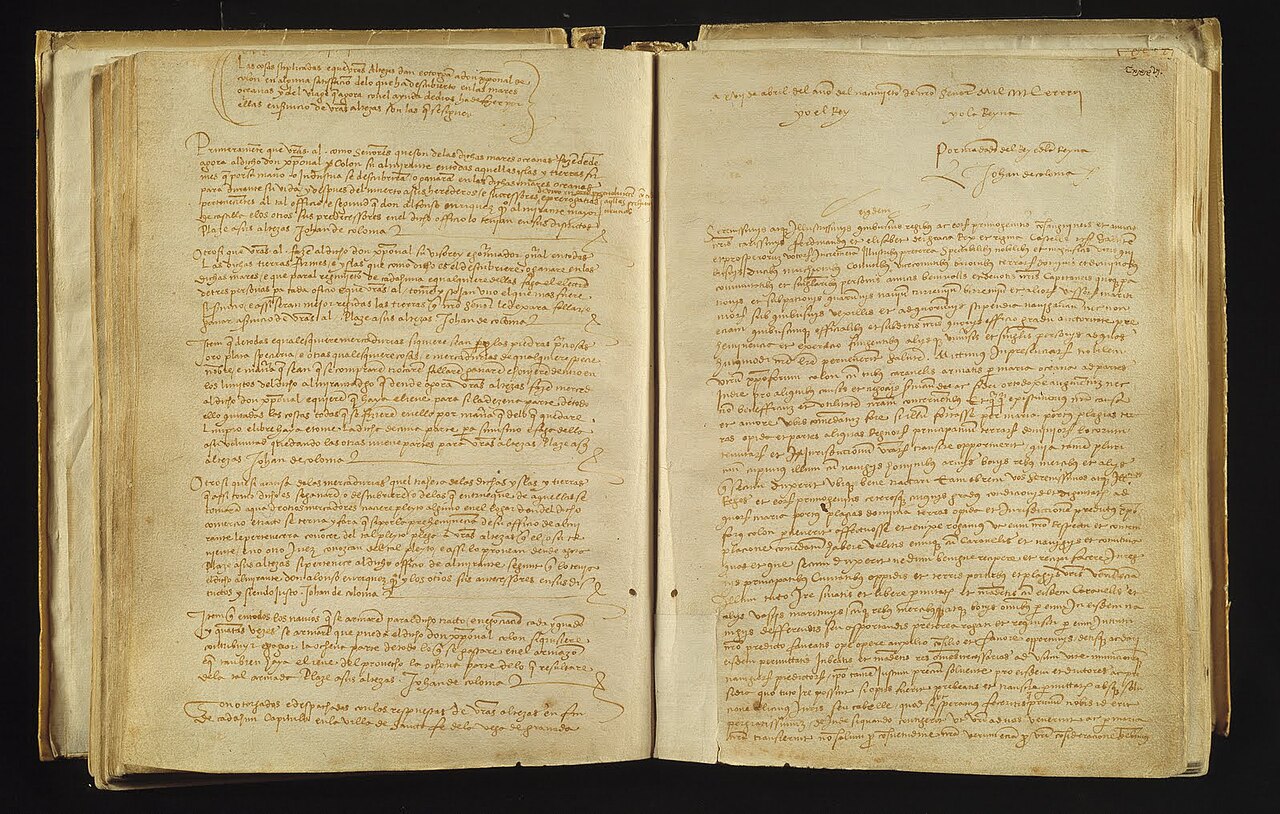
Primary source
Capitulations of Santa Fe
Catholic Monarchs · 17 April 1492
 Document
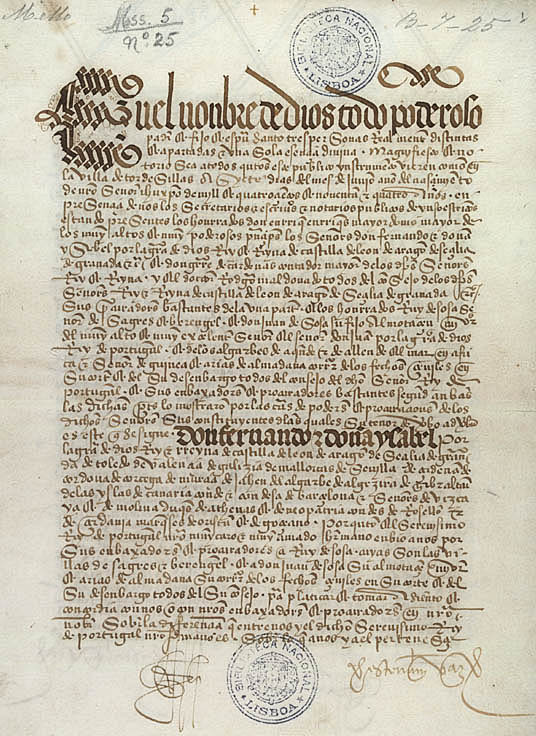
Primary source
Treaty of Tordesillas
7 June 1494
 Painting
Primary source
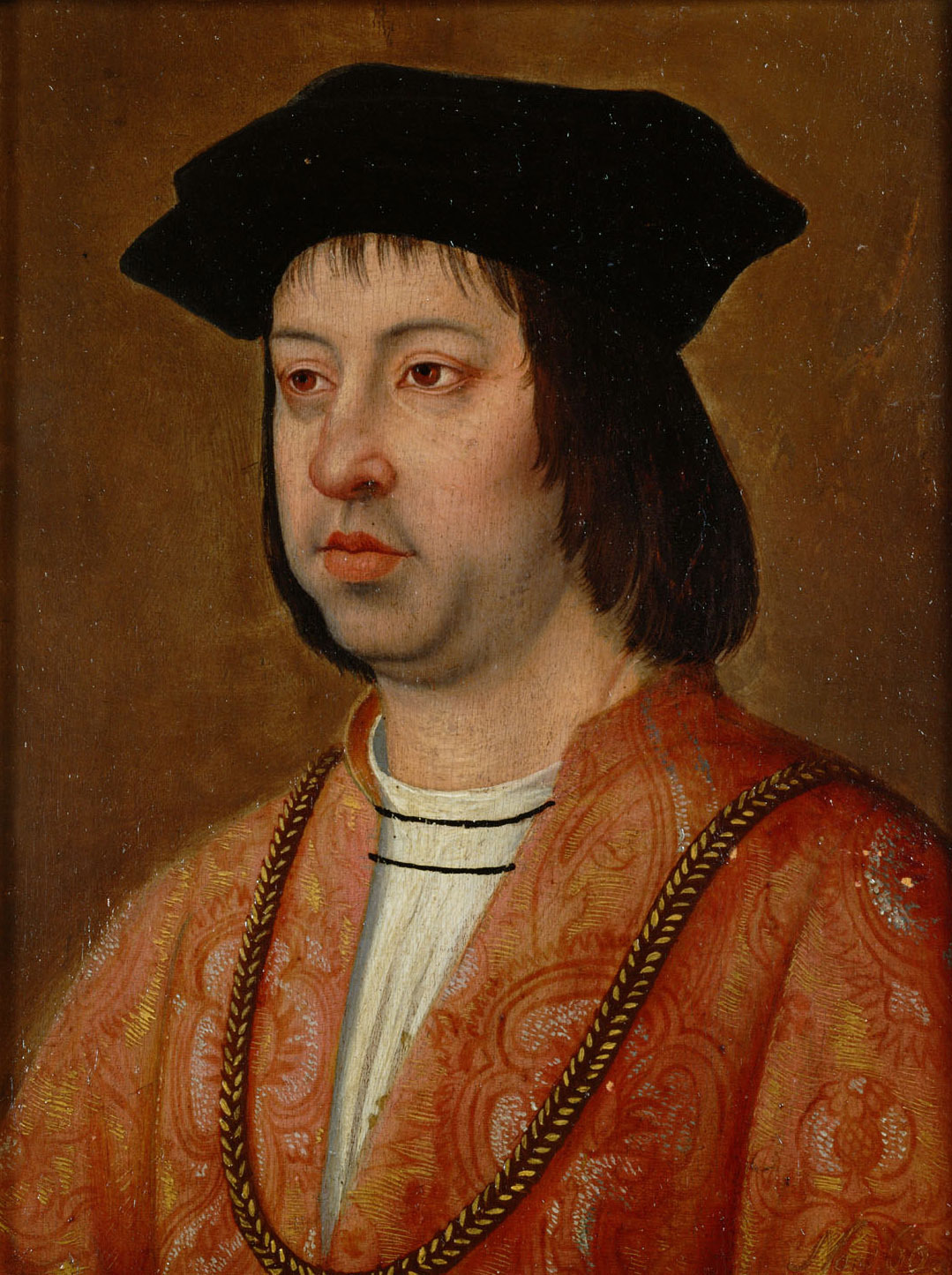
Portrait of Ferdinand II of Aragon
Michel Sittow
Primary source
Treaty of Granada
Ferdinand II of Aragon, Isabella I of Castile, and Boabdil · 25 November 1491
Ready when you are
Start chatting with Ferdinand II of Aragon now.
20 messages free · No credit card · Available in 50+ languages.