


Primary sourceArtifactc. 1393-1405
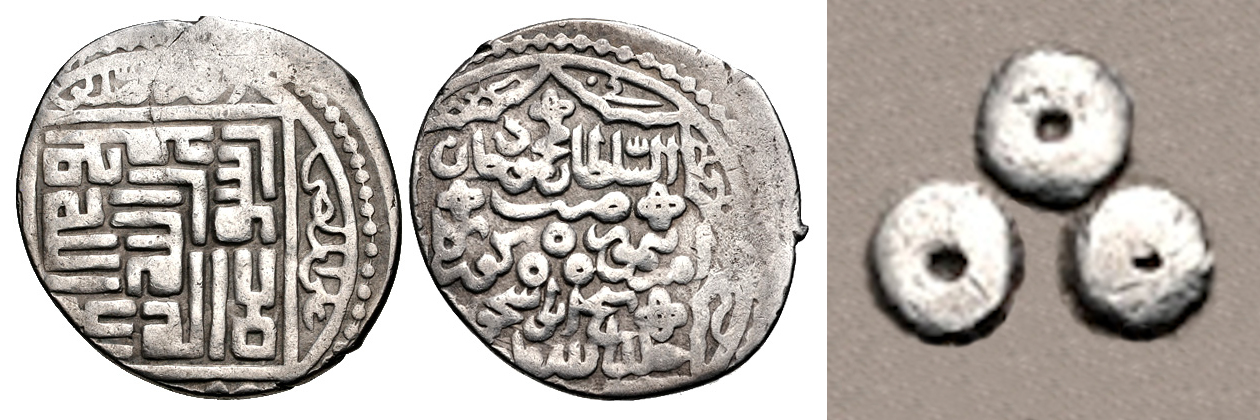
Silver Coin of Timur with Three Annulets
c. 1393-1405
An undated silver coin struck in Timur's name at the Kazirun mint sometime during his reign, marked with a three-annulet symbol.
A coin struck in Timur's name, evidence of the currency used across his empire during his reign.
About this source
What it is
This silver coin was struck at the Shaykh abu-Ishaq (Kazirun) mint, undated but from around AH 795-807 (AD 1393-1405), during Timur's reign. It carries Arabic inscriptions and is marked with a symbol of three annulets.
Why it matters
Coins like this circulated across the vast territory Timur controlled, carrying his authority into everyday transactions. The mint mark and symbol help historians trace how coinage was organized across his empire.
Look closer
- What can the inscriptions and symbols on a coin tell historians even without a precise date?
- Why would a ruler want his name on coins used throughout his territory?
- What does the existence of many mints suggest about the size of Timur's empire?
This artifact is part of the curated material that grounds the AI version of Timur on Humy.ai — when students ask about related events, the AI can quote it and cite it.
More Timur sources
Browse all 68 →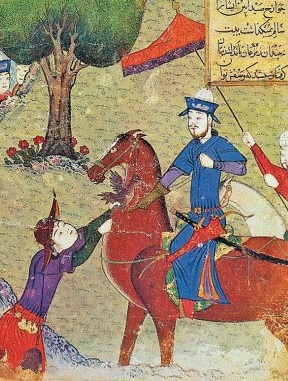 Painting
Secondary source
Timur Hunting
1436 CE (AH 839)
 Painting
Secondary source
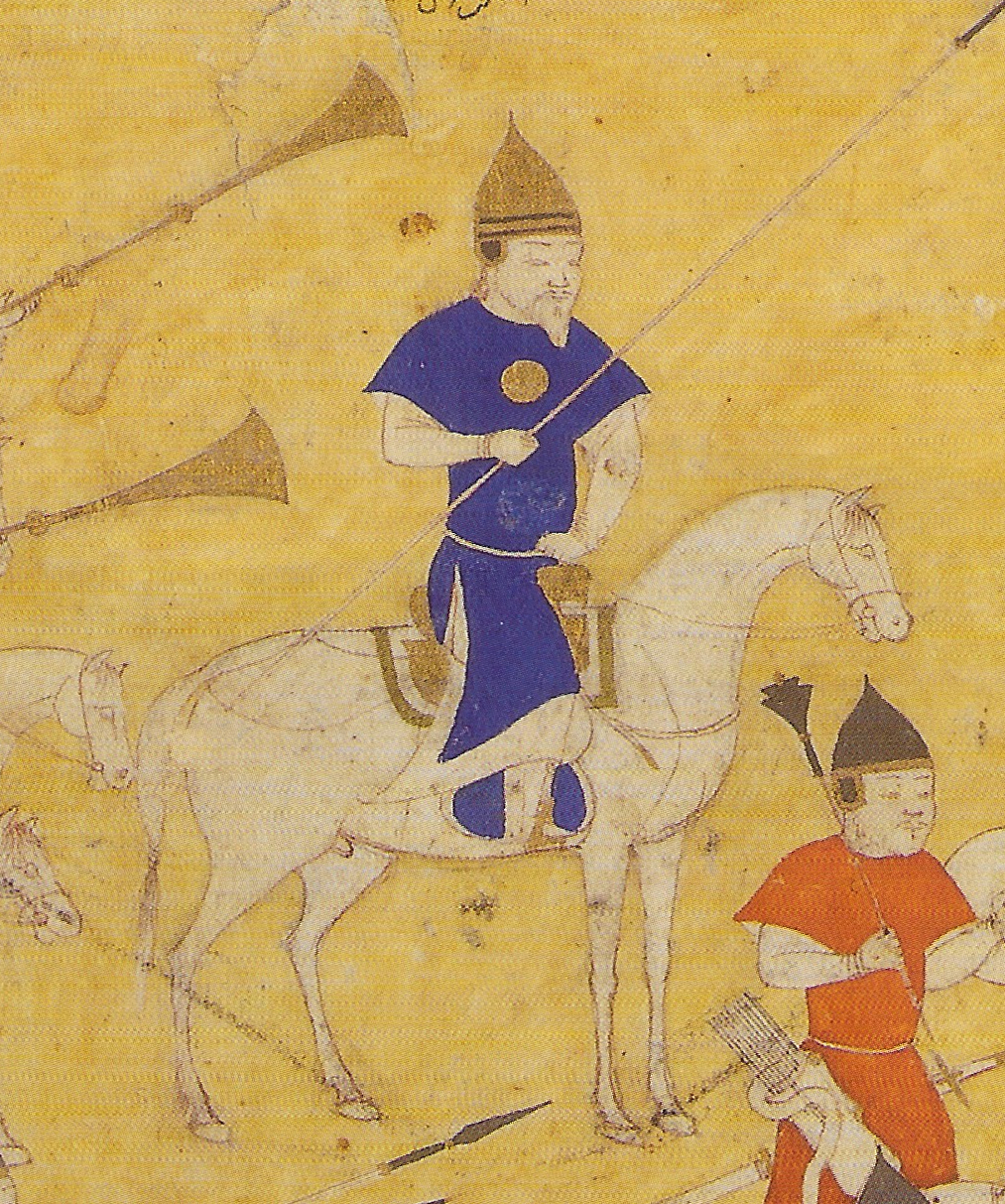
Timur on Horse: Battle Between Timur and Toqtamish Khan
1420-1440
 Painting
Secondary source
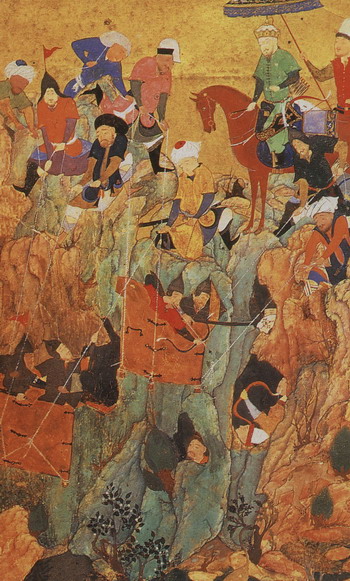
Timur's Army Attacks Nerges, Georgia
Kamal ud-Din Behzad · spring 1396 (depicted); 16th century (painted)
 Painting
Secondary source
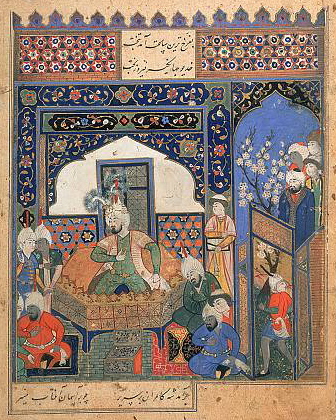
Timur Enthroned at Balkh, Afghanistan
Free account
Read every Timur source
Sign up free →
Ready when you are
Start chatting with Timur now.
20 messages free · No credit card · Available in 50+ languages.