


Primary sourceArtifactAD 77
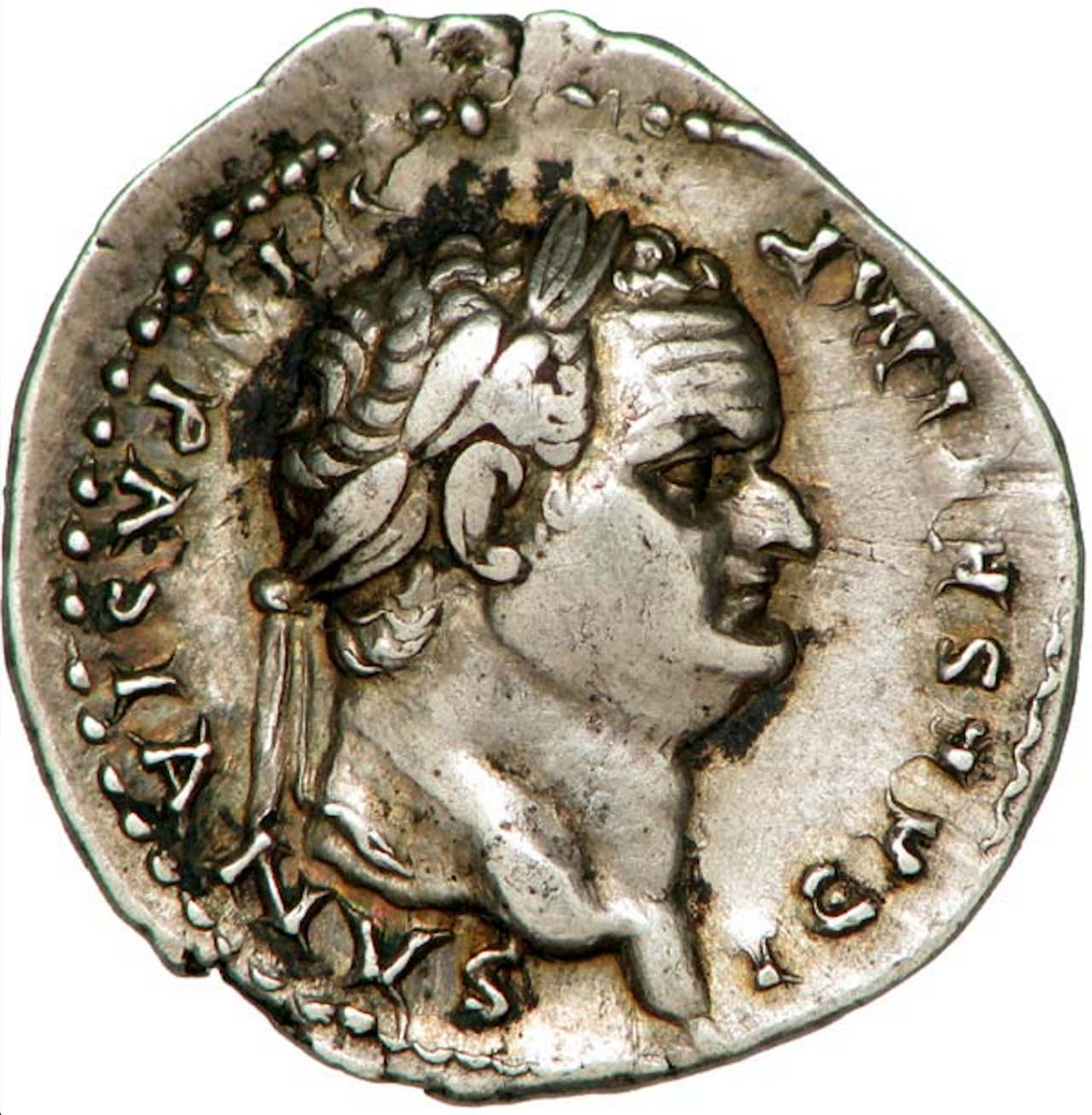
Silver denarius of Titus as Caesar
AD 77
A silver denarius issued in Titus's name in AD 77, when he was Caesar. It shows his portrait and the Latin titles that promoted the Flavian dynasty.
This denarius was issued in Titus's name while he was Caesar, showing how his public image was built before he became emperor.
About this source
What it is
This is a silver denarius, a Roman coin, photographed for Wikimedia Commons. It shows a laureate bust of a man in profile facing right. The Latin inscription on the edge reads TITVS CAESAR VESPASIANVS. The coin is dated to AD 77, a time when Titus was Caesar, the heir and junior partner of his father, the emperor Vespasian.
Why it matters
Coins were a main way Roman rulers reached ordinary people across the empire. By naming Titus alongside his father, this coin promoted the new Flavian dynasty, which had come to power after the civil wars of 69 AD. Titus later became emperor himself in 79. The coin shows how a future ruler was introduced to the public while his father still held power.
Look closer
- Which names appear on the coin, and what do they suggest about who held power?
- Why might a coin naming an heir be useful to the government that issued it?
- What does the coin not show about the people who handled it, or the wider economy it belonged to?
This artifact is part of the curated material that grounds the AI version of Titus on Humy.ai — when students ask about related events, the AI can quote it and cite it.
More Titus sources
Browse all 98 →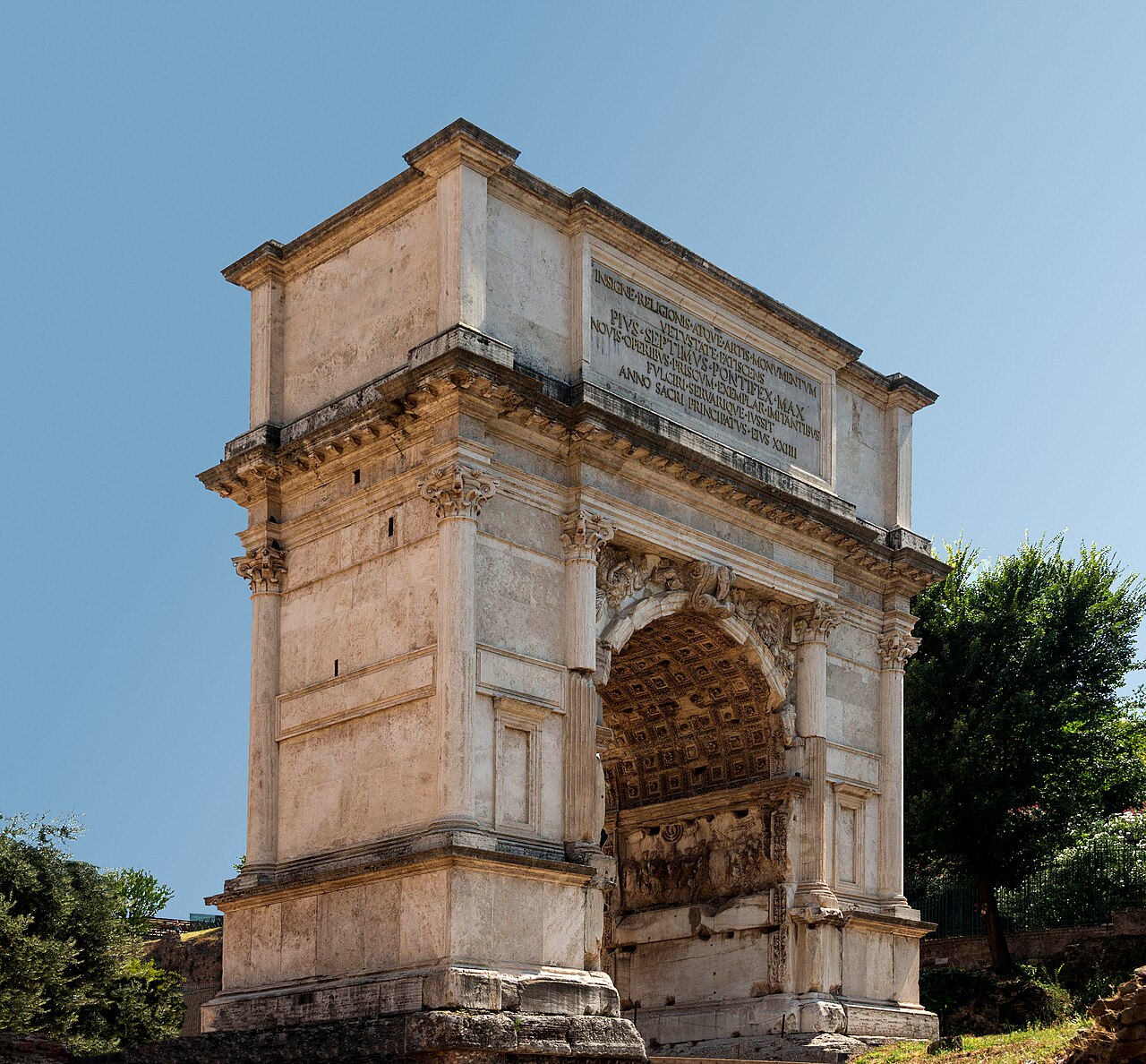 Artifact
Primary source
Arch of Titus
Rabirius · c. 81–82 AD
 Sculpture
Secondary source
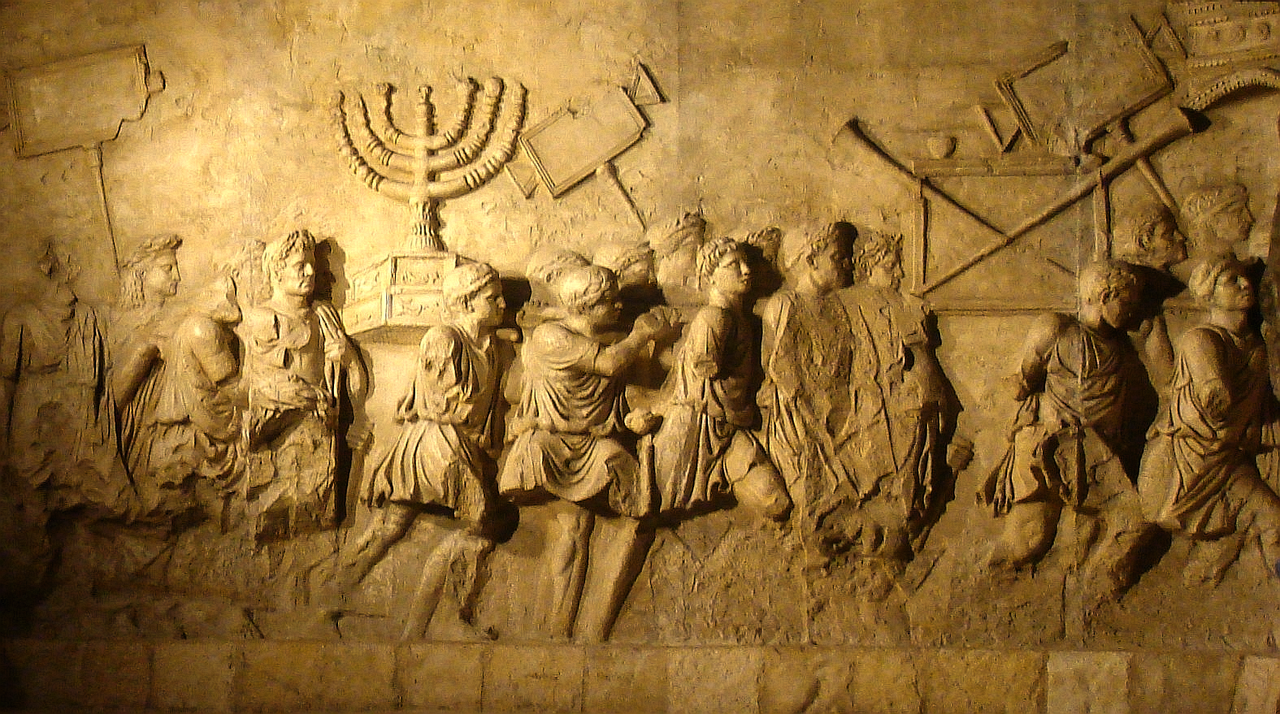
Spoils of Jerusalem Relief (Menorah Panel)
Roman sculptors under Domitian · c. 81–82 AD
 Book
Secondary source
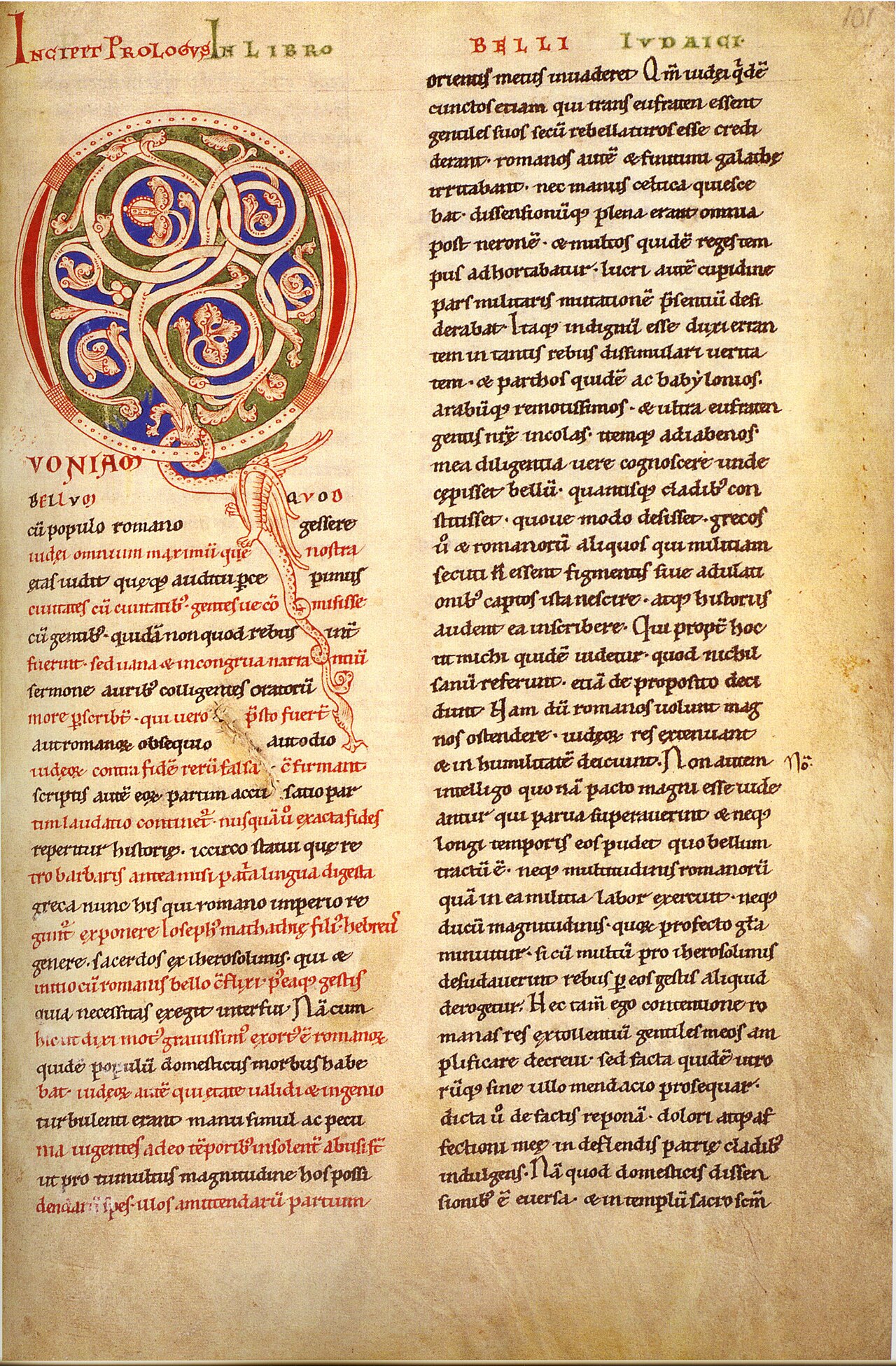
The Jewish War
Josephus · c. AD 75
 Artifact
Primary source
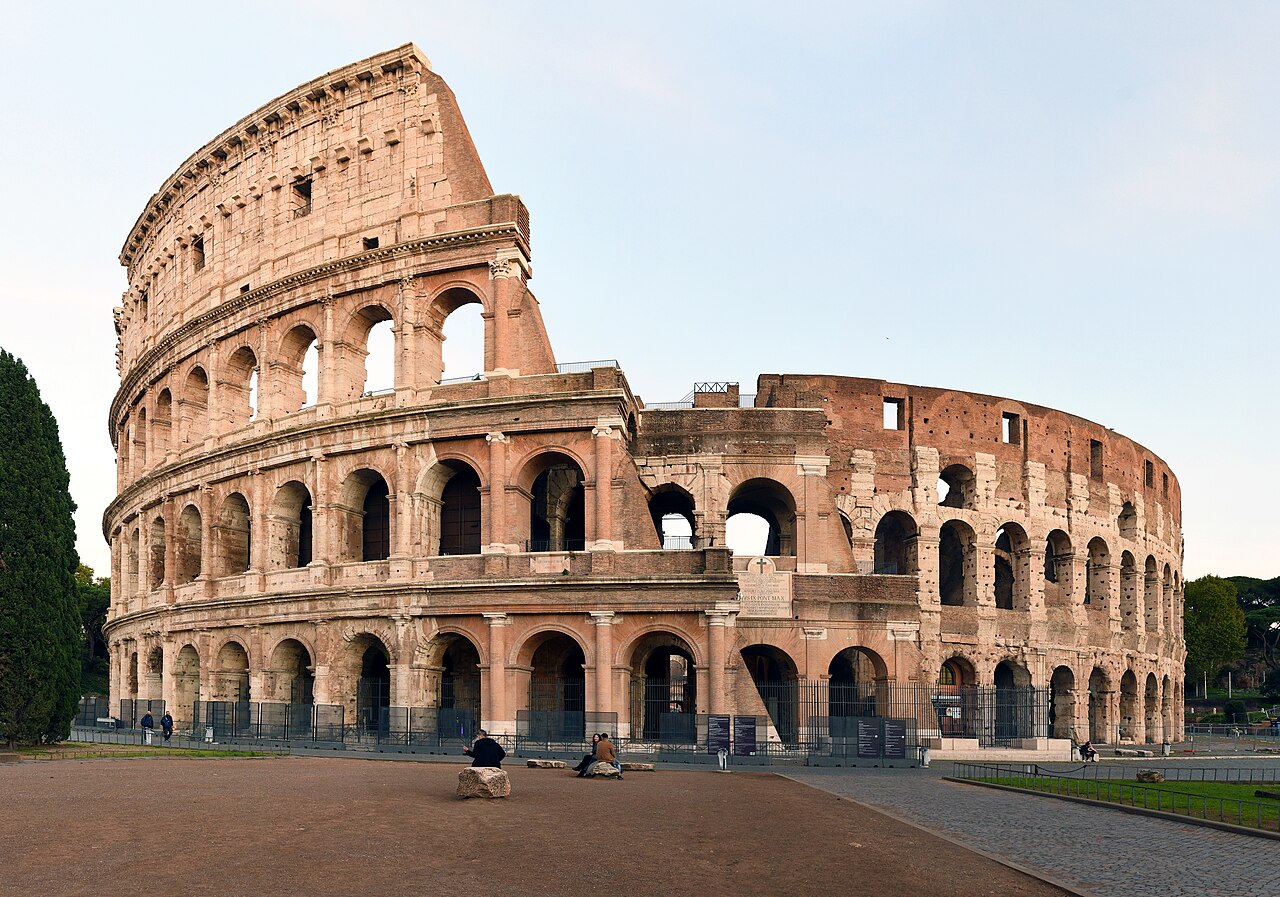
Colosseum
begun 72 AD, completed 80 AD
Free account
Read every Titus source
Sign up free →
Ready when you are
Start chatting with Titus now.
20 messages free · No credit card · Available in 50+ languages.