


Primary sourceArtifactc. 1017-1023
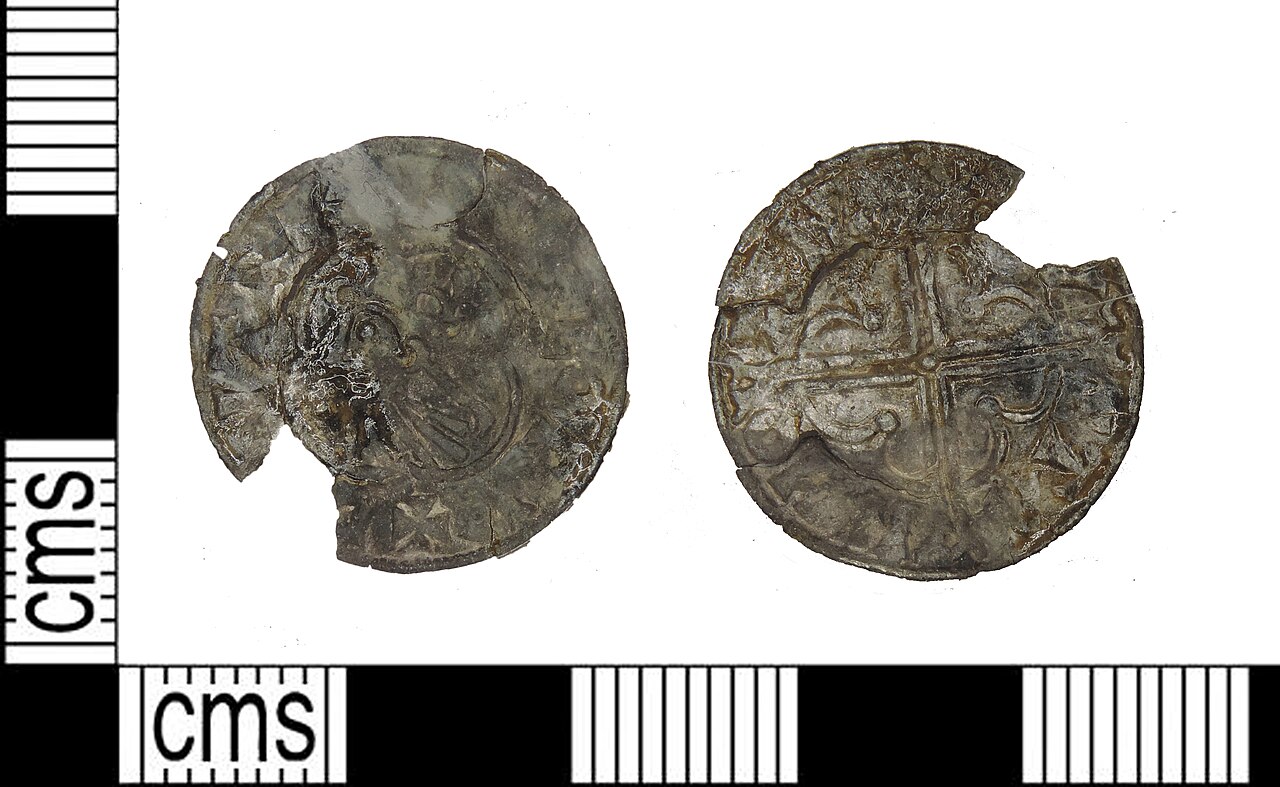
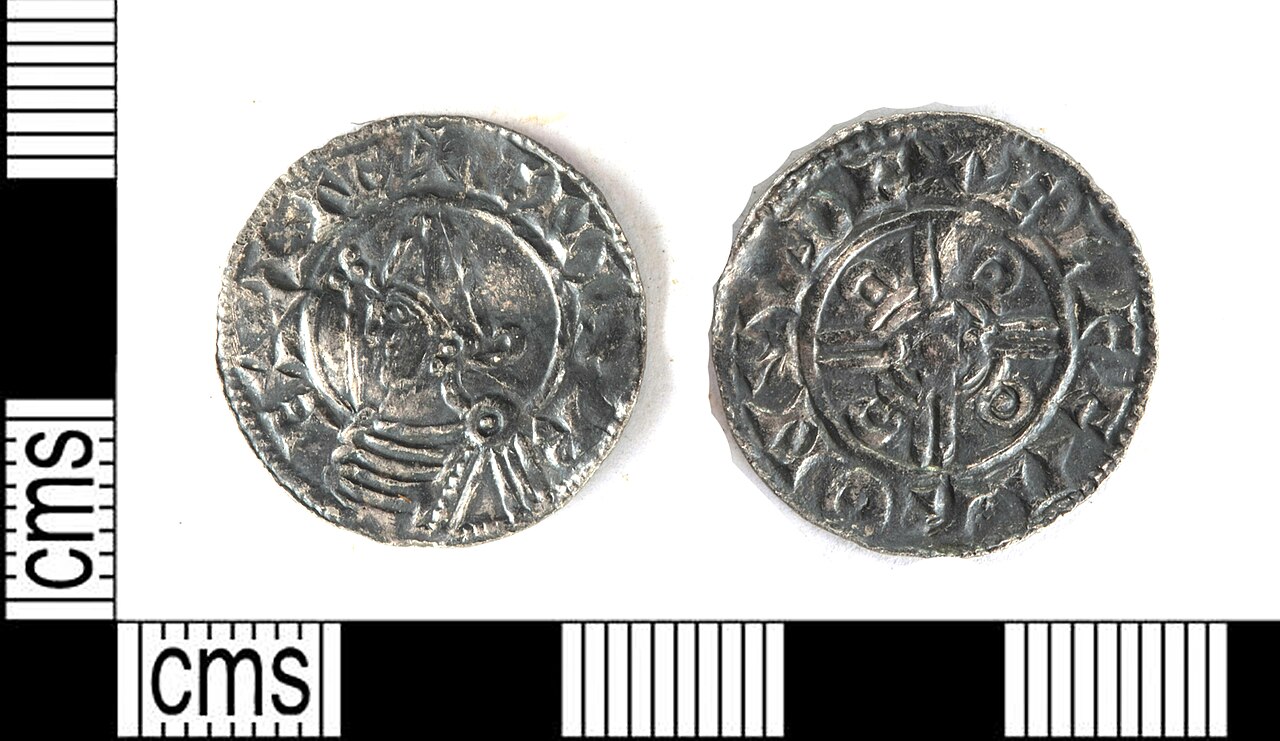
Silver Penny of Cnut (Quatrefoil Type)
English royal moneyers · c. 1017-1023
A silver coin struck in Cnut's name showing his crowned bust, evidence of how he controlled England's coinage and wealth.
Struck in Cnut's name and bearing his image, this coin shows his control over England's coinage.
Free Humy account · No credit card · 120,912 sources to read
About this source
What it is
This worn silver penny, of the Quatrefoil type, was struck by English royal moneyers between about 1017 and 1023, during Cnut's reign. It is held in the British Museum and bears a crowned bust and a cross design.
Why it matters
Coins like this were struck at many mints across England, showing how firmly Cnut controlled the country's money supply. Similar quatrefoil coinage was also struck in Dublin bearing Cnut's name, suggesting his influence reached beyond England into the Scandinavian world.
Look closer
- Why would a king want his image and title stamped on every coin in the kingdom?
- What does controlling coinage tell us about a ruler's power?
- What is missing from a coin that a written document might tell us?
This artifact is part of the curated material that grounds the AI version of Canute the Great on Humy.ai — when students ask about related events, the AI can quote it and cite it.
More Canute the Great sources
Browse all 75 →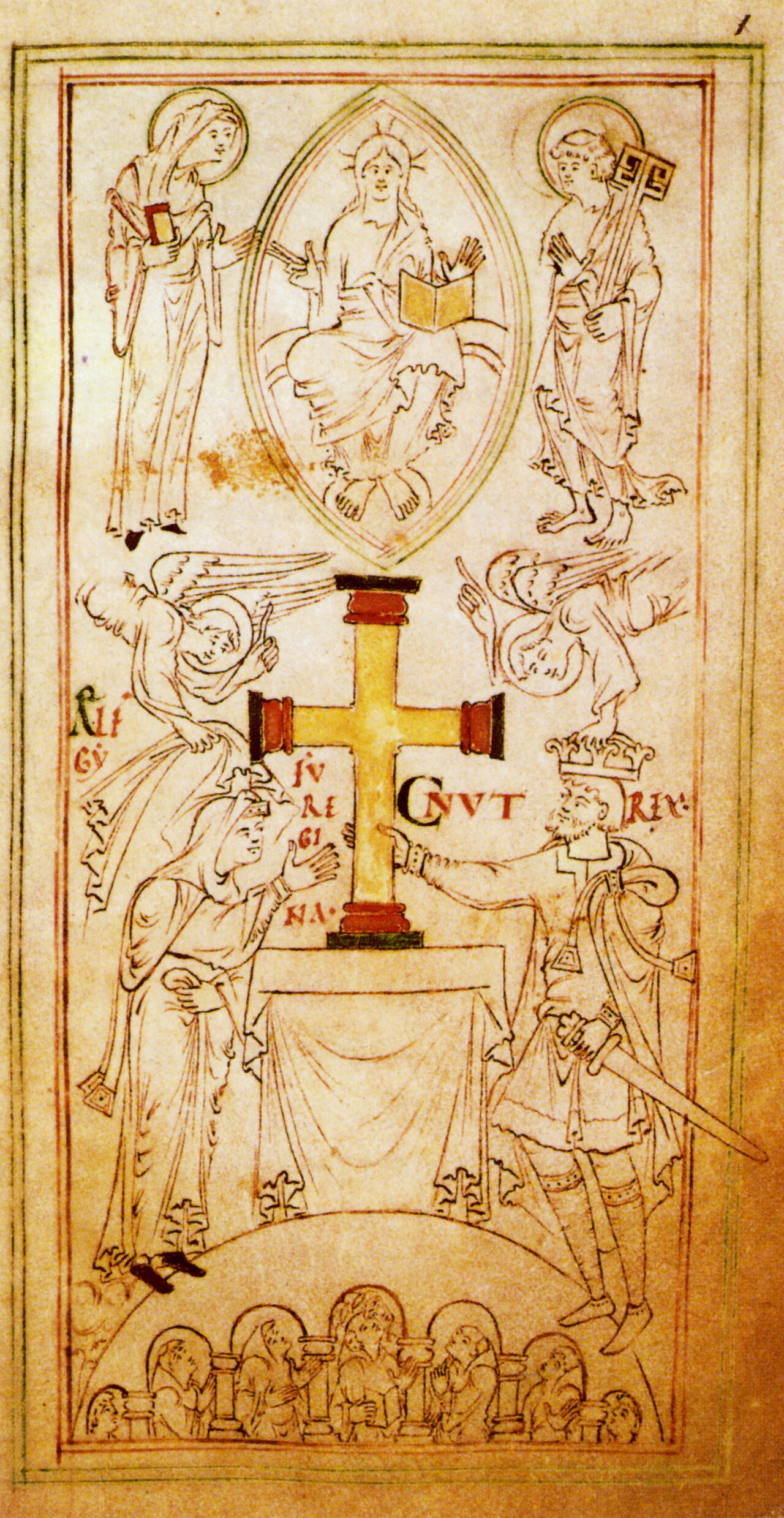 Painting
Primary source
Canute and Ælfgifu
c. 1031
 Document
Primary source
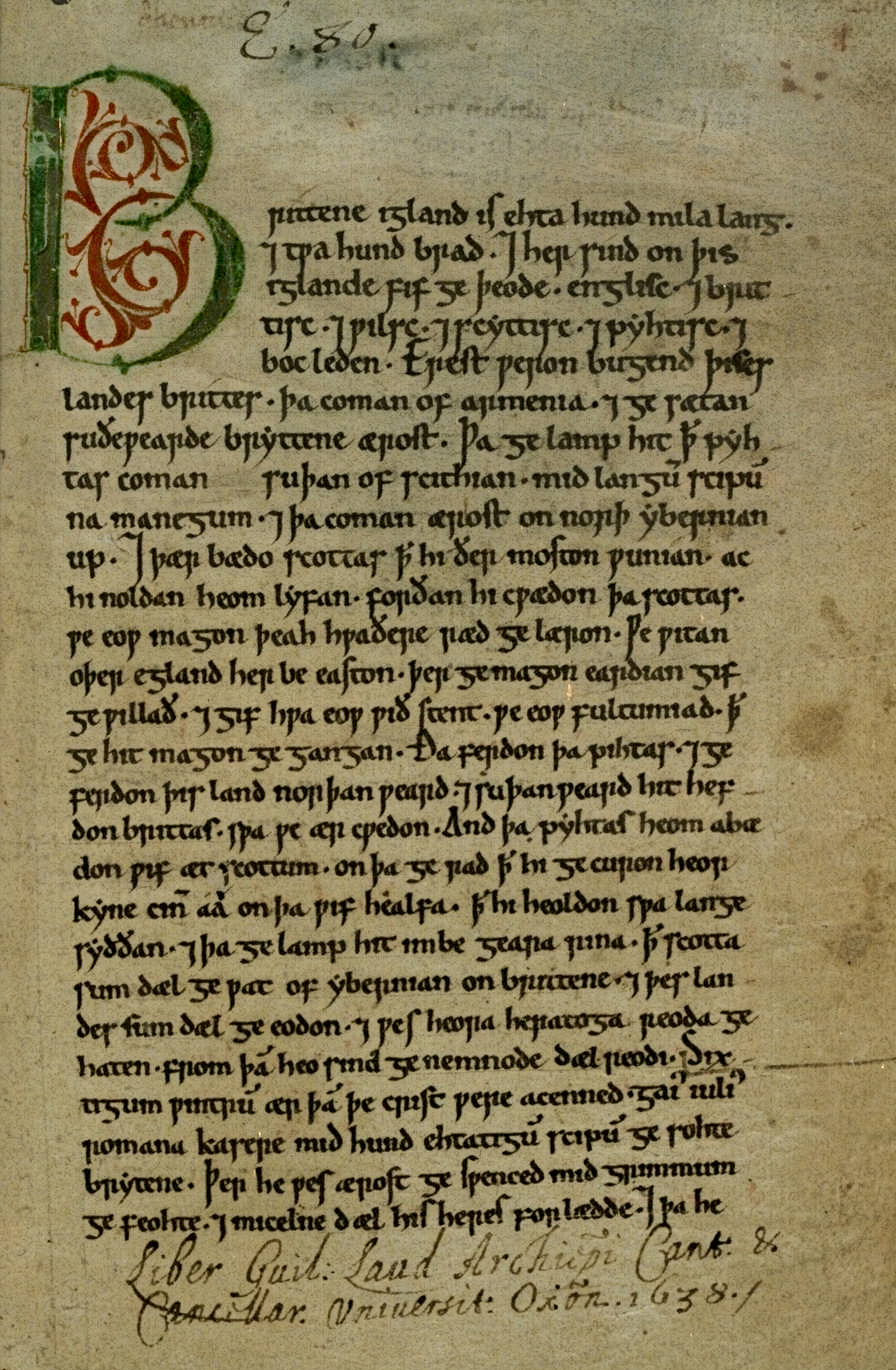
Anglo-Saxon Chronicle
c. 890 (Common Stock)
 Artifact
Primary source
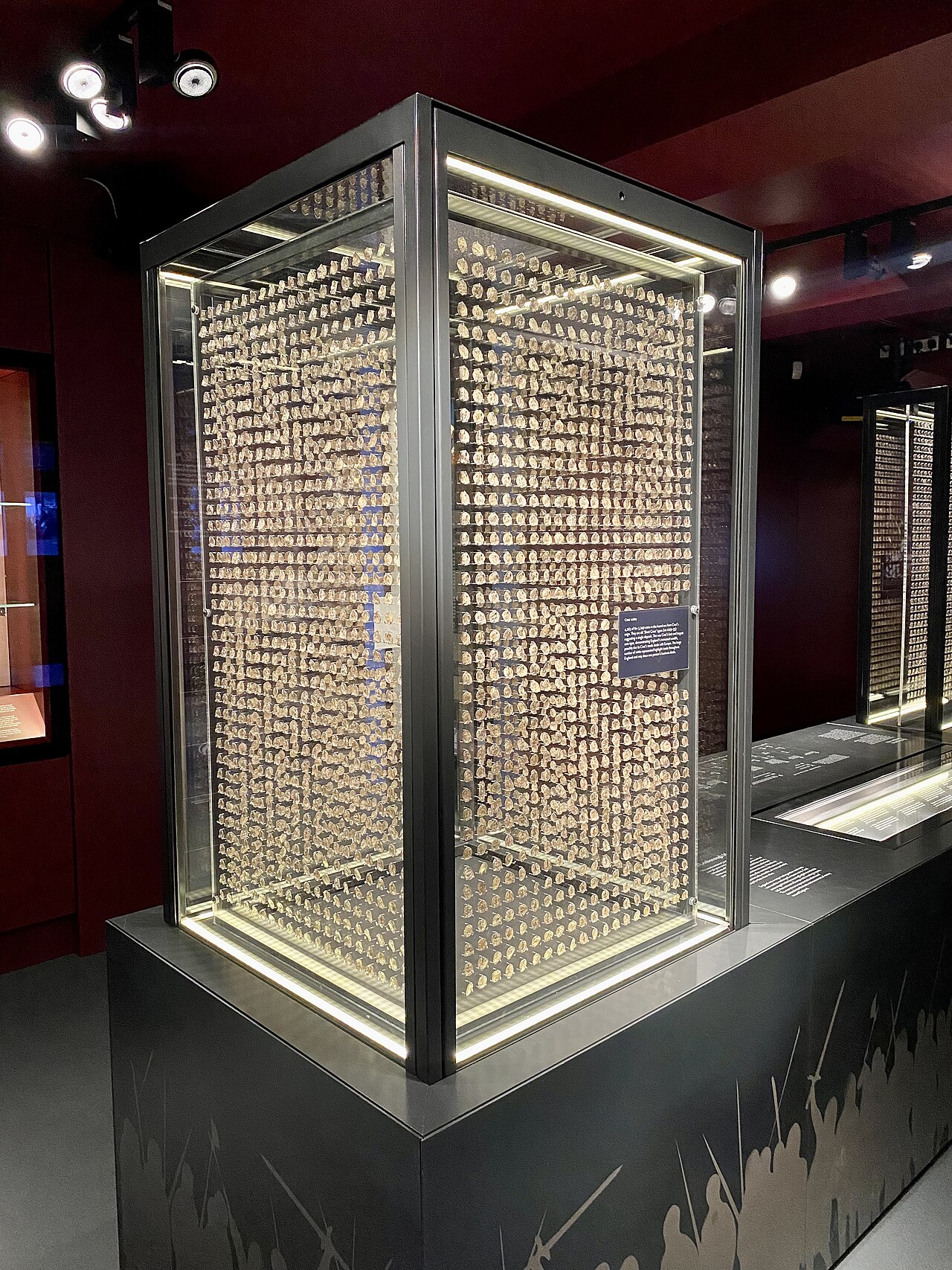
Lenborough Hoard
1020s (found 2014)
 Painting
Secondary source
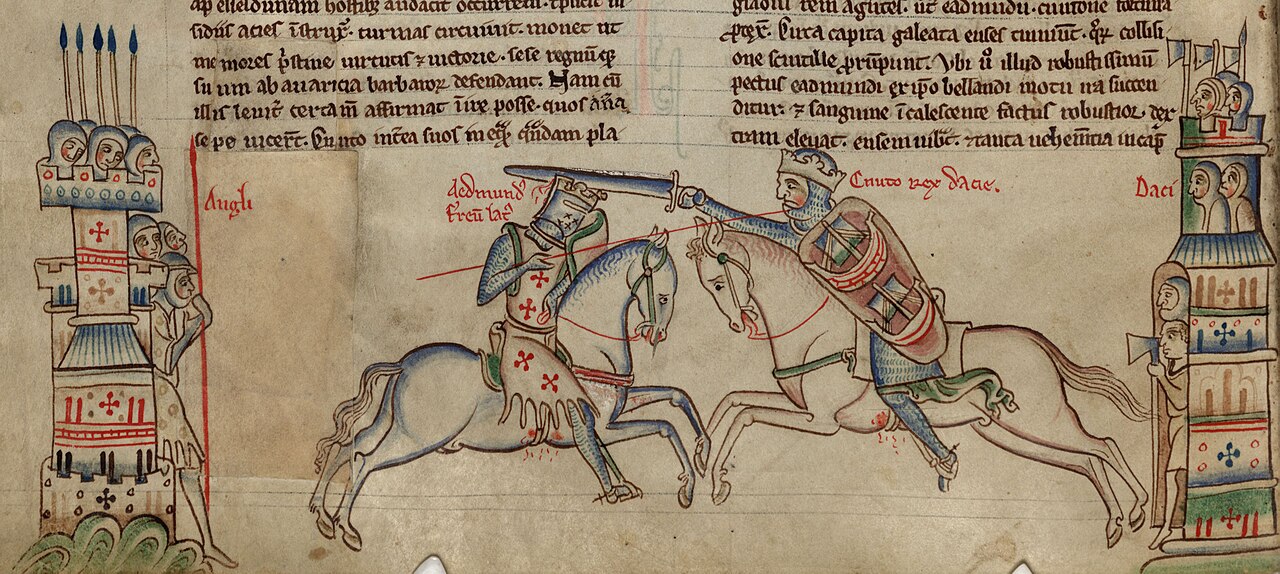
Battle of Assandun, Edmund and Cnut Fighting
Matthew Paris · 13th century


Free account
Read every Canute the Great source
Sign up free →
Ready when you are
Start chatting with Canute the Great now.
20 messages free · No credit card · Available in 50+ languages.