


Primary sourceArtifact1035-1037
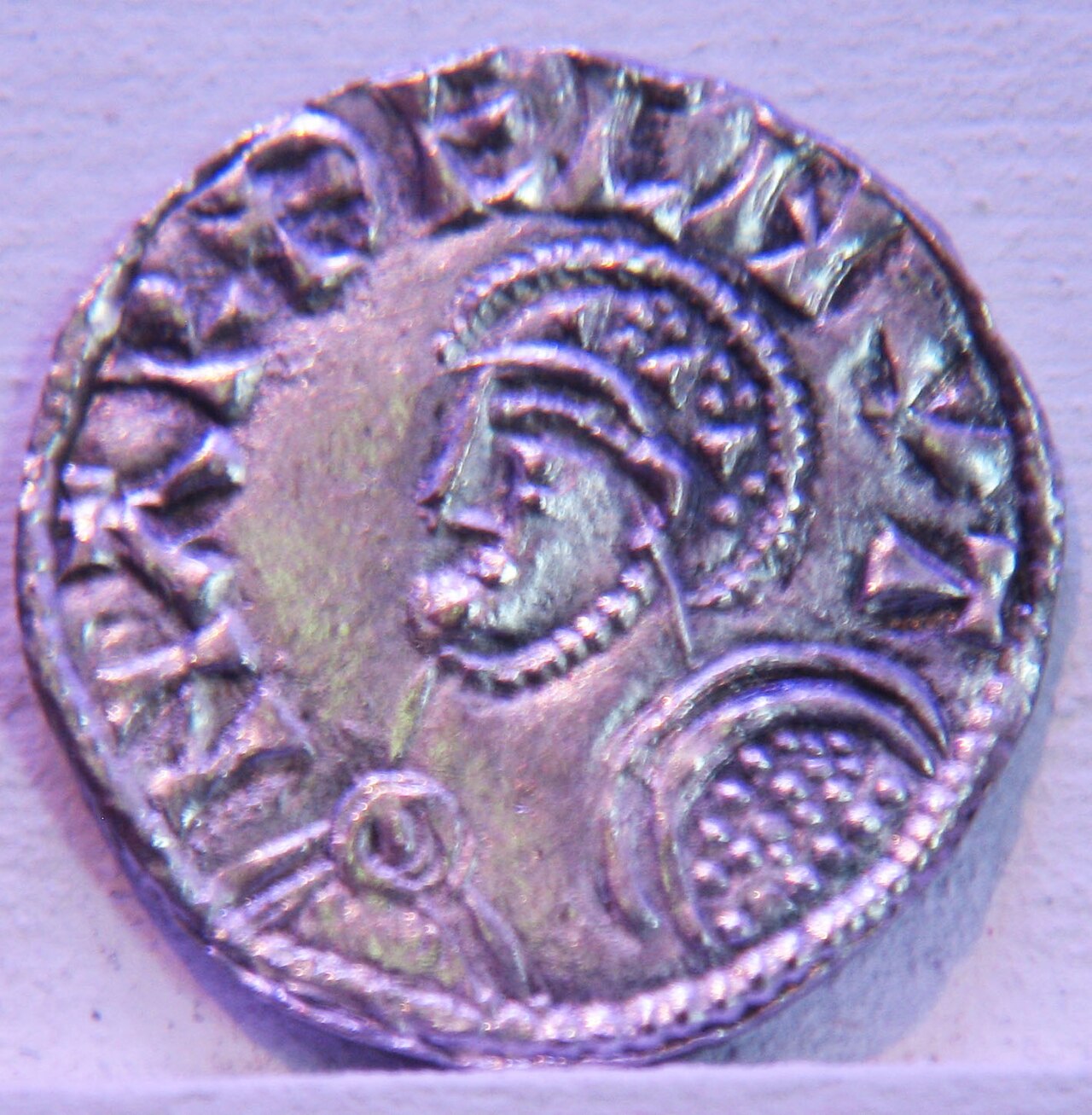
Silver Penny of Harthacanute
1035-1037
A silver coin struck in Harthacnut's name, showing a crowned royal bust and his authority as king of both England and Denmark.
This coin, struck in Harthacnut's name, is physical evidence of his rule and the divided English throne he shared with Harold.
About this source
What it is
This is a silver penny bearing a stylised crowned bust, struck in the name of King Harthacnut. Coins like this were issued during his reign over Denmark and, from 1035, also in England, where output was split with his rival Harold. The coin photographed here is held at Lund University's Historical Museum in Sweden.
Why it matters
Coins were one of the main ways a medieval king asserted his authority across his lands. The existence of English issues naming Harthacnut during the years 1035–37 is physical evidence of the divided rule between him and Harold, showing how contested his claim to the English throne was before he actually took the crown.
Look closer
- What does the style of the portrait tell you about how kings wanted to be seen, rather than what they actually looked like?
- Why would issuing coins in two kingdoms matter to a king's claim to power?
- What can a coin tell historians that a written chronicle cannot?
This artifact is part of the curated material that grounds the AI version of Harthacanute on Humy.ai — when students ask about related events, the AI can quote it and cite it.
More Harthacanute sources
Browse all 45 →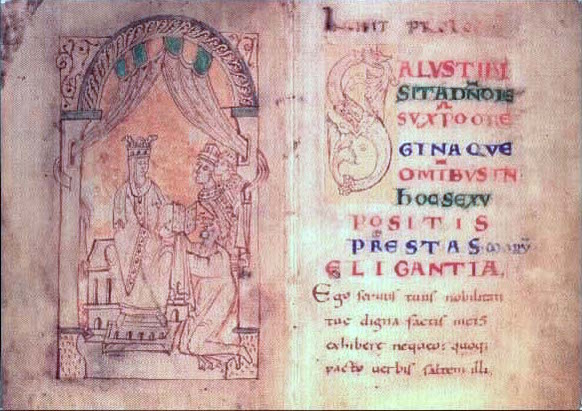 Painting
Primary source
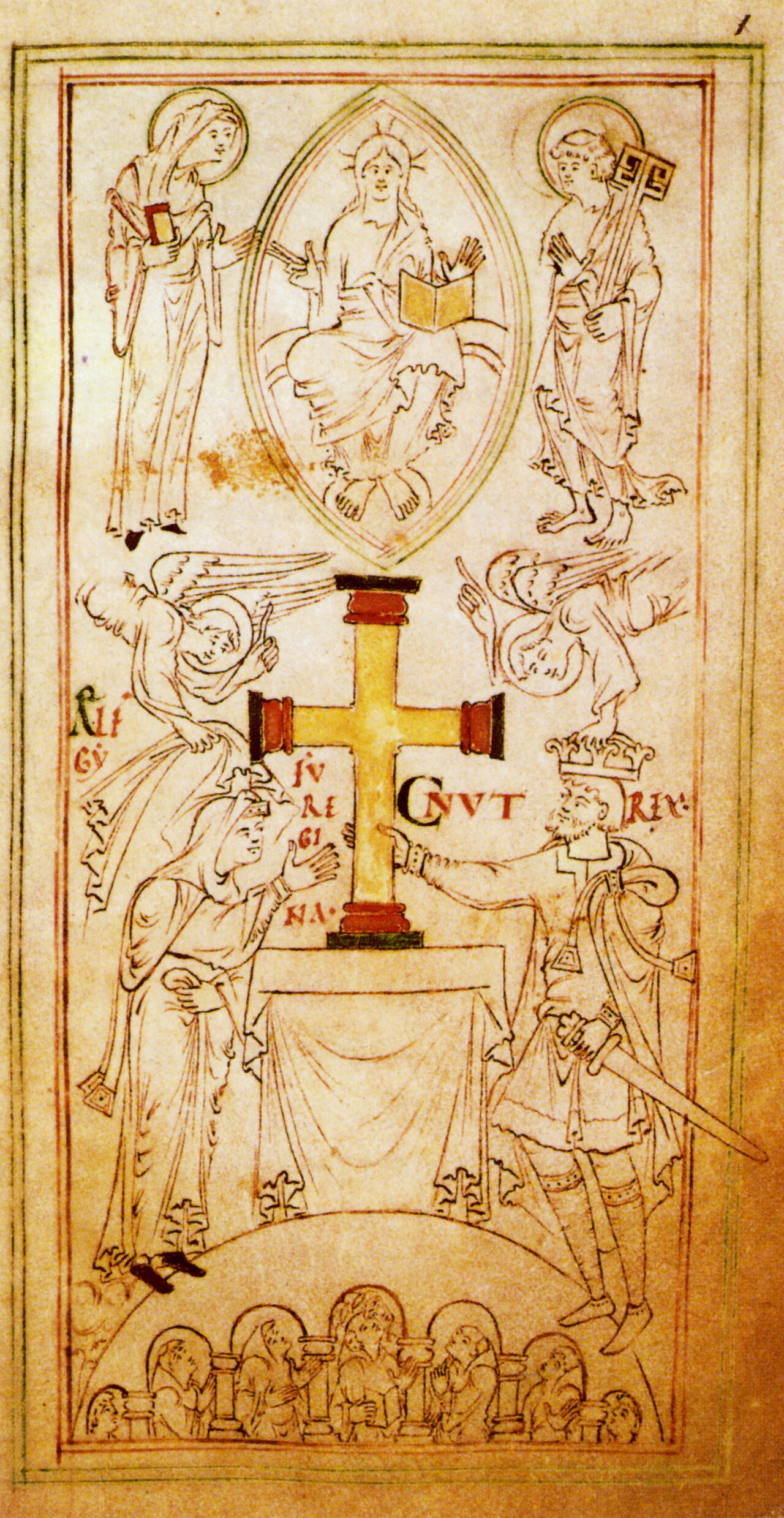
Frontispiece of the Encomium Emmae Reginae
Unknown author · c. 1041-1042
 Document
Primary source
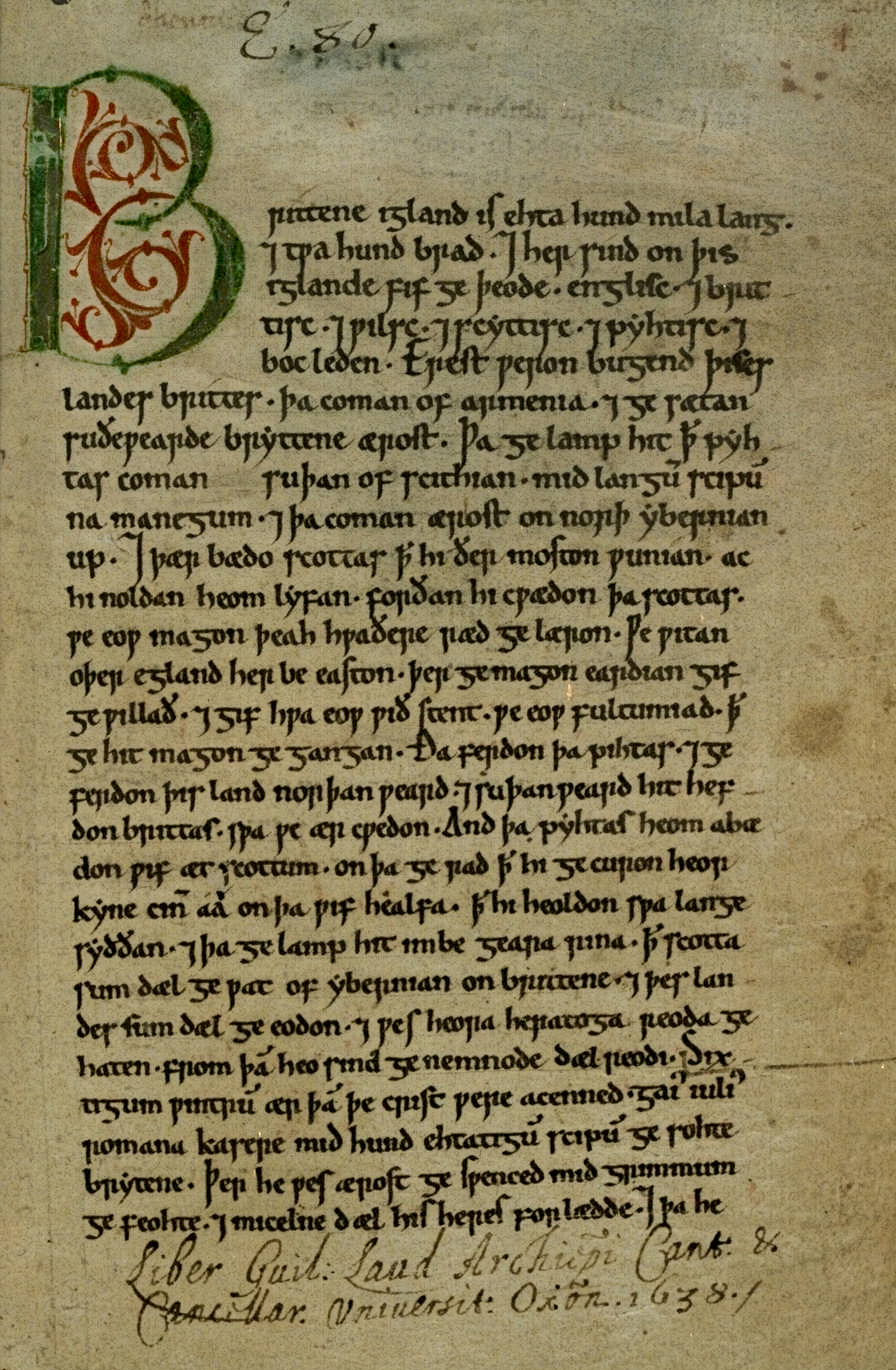
Anglo-Saxon Chronicle
c. 890 (Common Stock)
 Painting
Secondary source
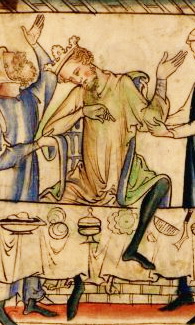
Death of Harthacnut at a Wedding Feast
Unknown author · 13th century
 Book
Primary source
The Chronicle of John of Worcester, 1118-1140
John of Worcester · 1118-1140
Free account
Read every Harthacanute source
Sign up free →
Ready when you are
Start chatting with Harthacanute now.
20 messages free · No credit card · Available in 50+ languages.