


Primary sourceArtifact350-336 BCE
Silver Wine Jug with Silenus Relief from Philip II's Tomb
350-336 BCE
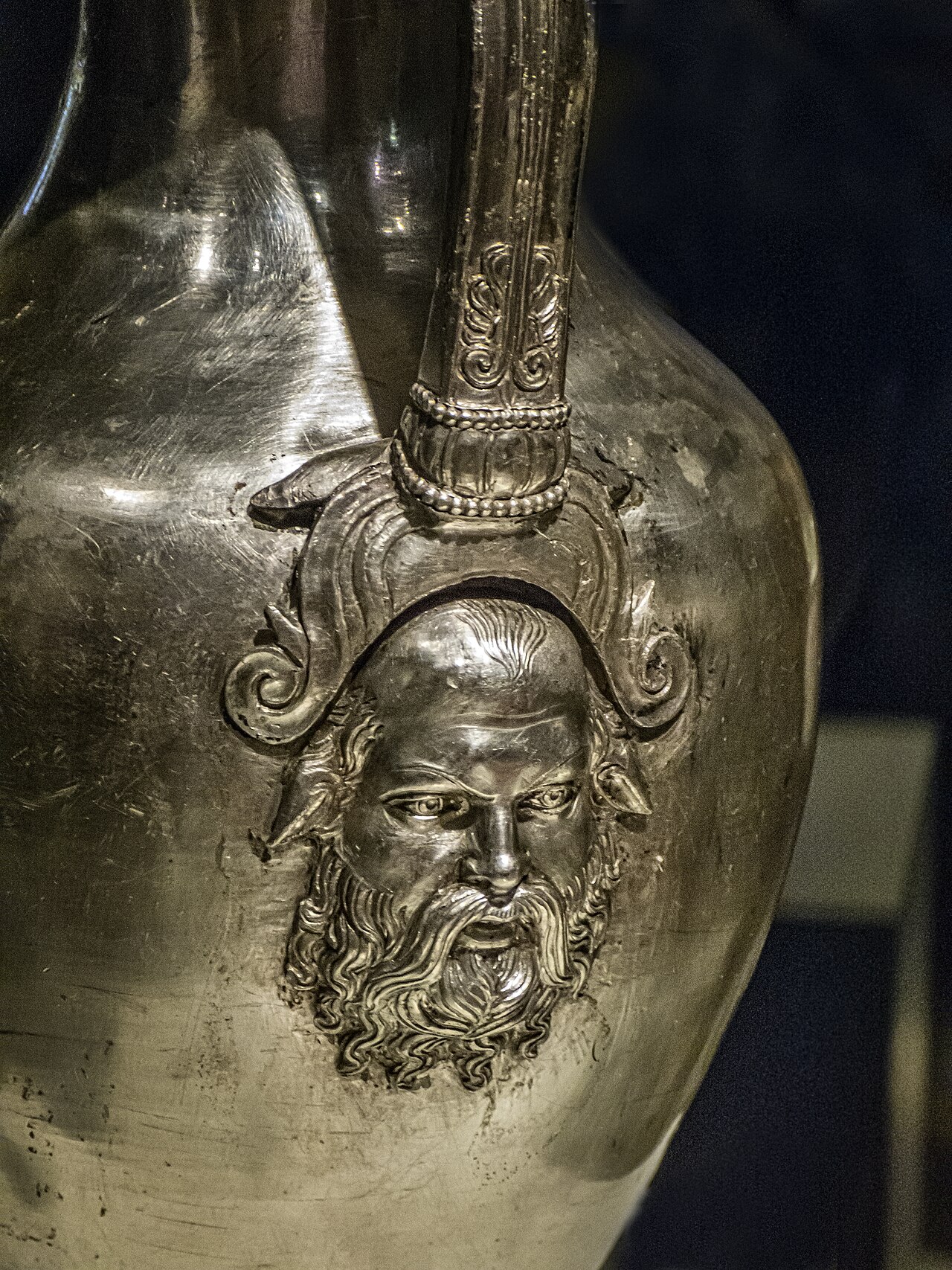
A silver wine jug decorated with a relief of the satyr Silenus, found in the tomb of Philip II of Macedon at Aigai.
This silver wine jug was a burial good from Philip II's tomb, showing the cultural life of his court.
About this source
What it is
This is a silver oinochoe, or wine jug, decorated with a relief of the bearded satyr Silenus at the base of its handle, along with fluted and leaf decoration. It was found in the tomb of Philip II of Macedon at Aigai (Vergina), dated to around 350-336 BCE.
Why it matters
As a grave good from Philip's reign, this jug shows the role of wine and feasting in Macedonian royal life, and the fine craftsmanship available to the court. The image of Silenus, a figure from Greek mythology associated with wine and revelry, reflects the cultural world Philip II lived in.
Look closer
- Why might a wine jug feature a mythological figure like Silenus instead of a plain design?
- What does the presence of fine drinking vessels in a royal tomb suggest about feasting in Macedonian culture?
- How does this object connect Philip's court to wider Greek mythology and customs?
This artifact is part of the curated material that grounds the AI version of Philip II of Macedon on Humy.ai — when students ask about related events, the AI can quote it and cite it.
More Philip II of Macedon sources
Browse all 90 →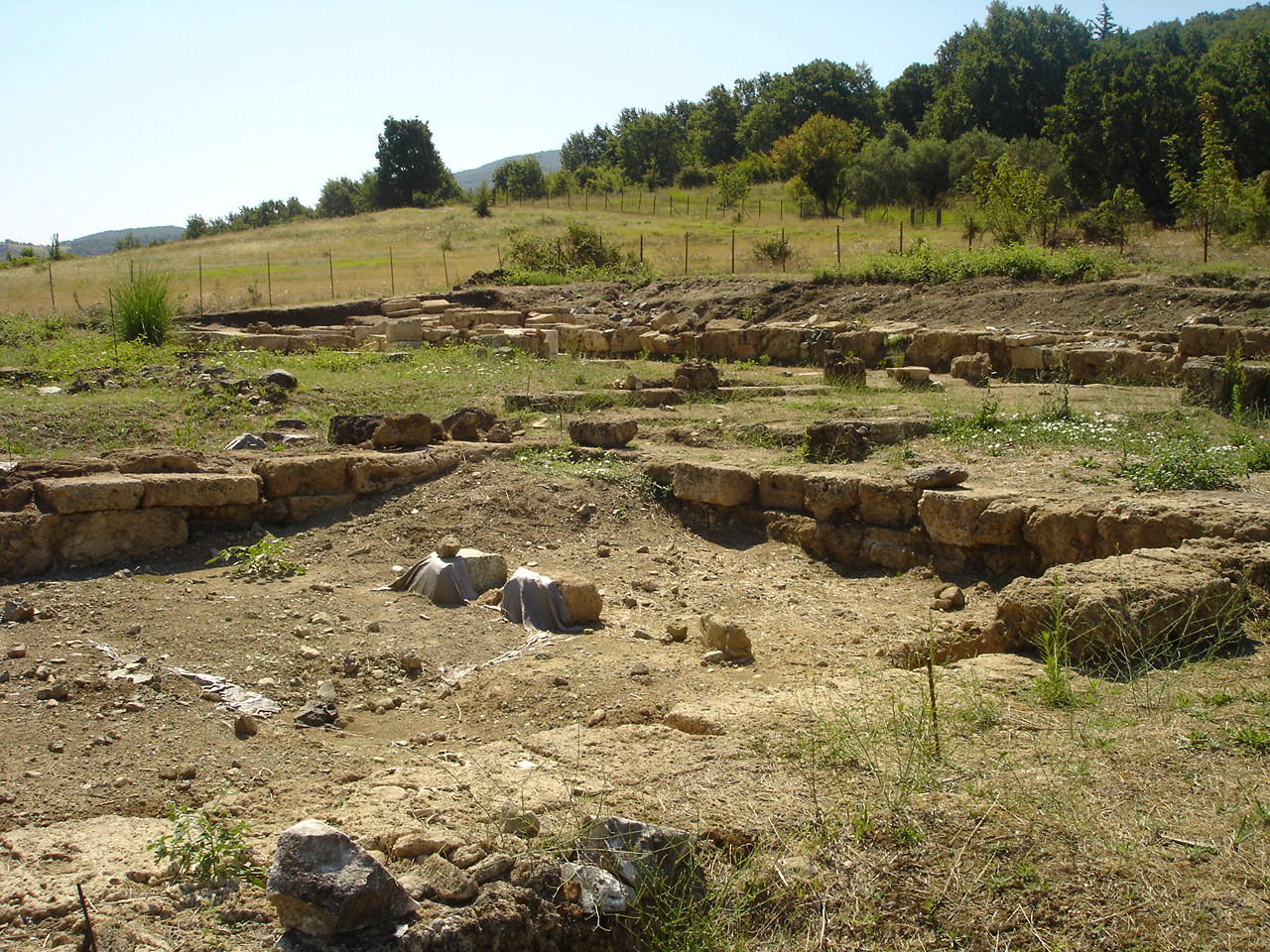 Artifact
Secondary source
Aigai
c. 750 BC onward; Philip's tomb c. 336 BC
 Speech
Primary source
First Philippic
Demosthenes · c. 351-350 BC
 Speech
Primary source
Third Philippic
Demosthenes · 341 BC
 Artifact
Primary source
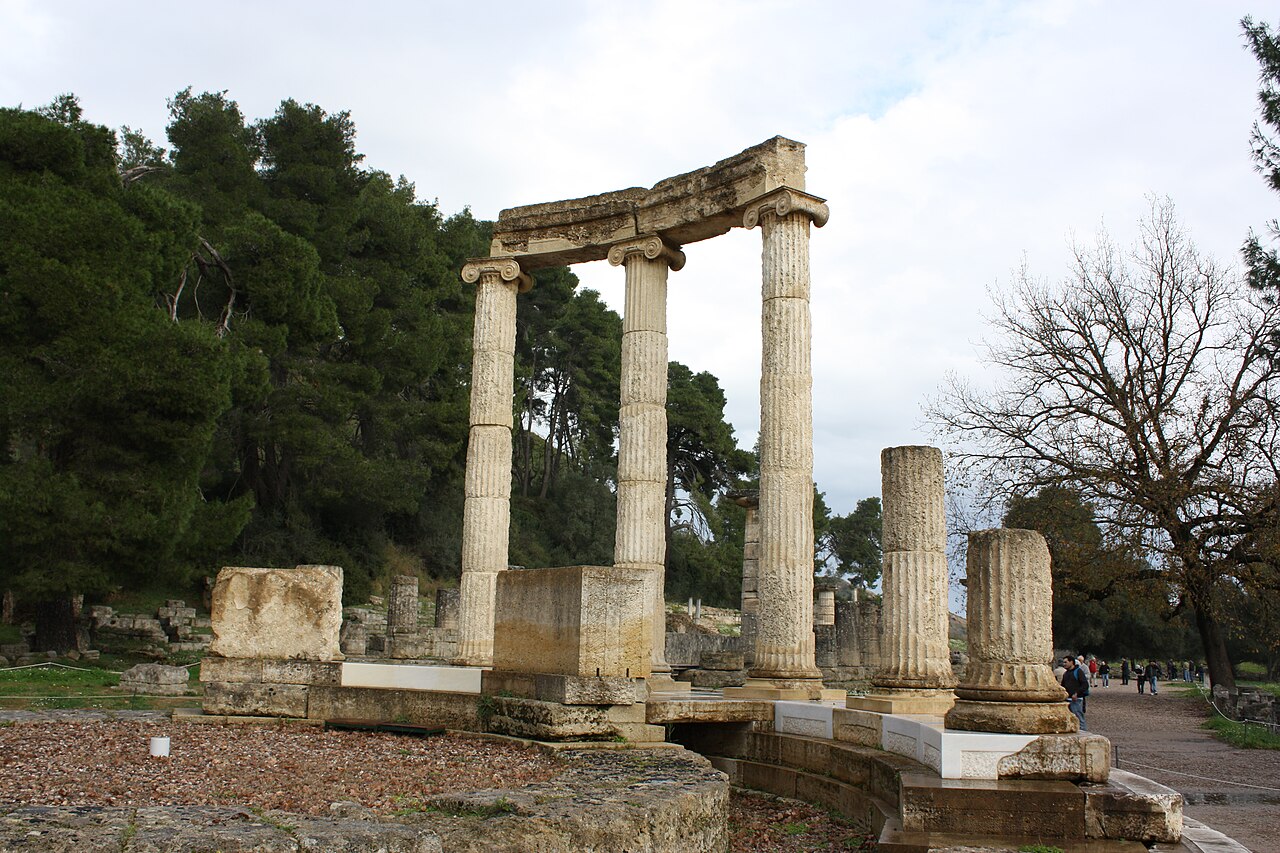
Philippeion
Leochares · begun 338/337 BC, completed under Alexander
Free account
Read every Philip II of Macedon source
Sign up free →
Ready when you are
Start chatting with Philip II of Macedon now.
20 messages free · No credit card · Available in 50+ languages.