


Primary sourcePhotographearly 20th century
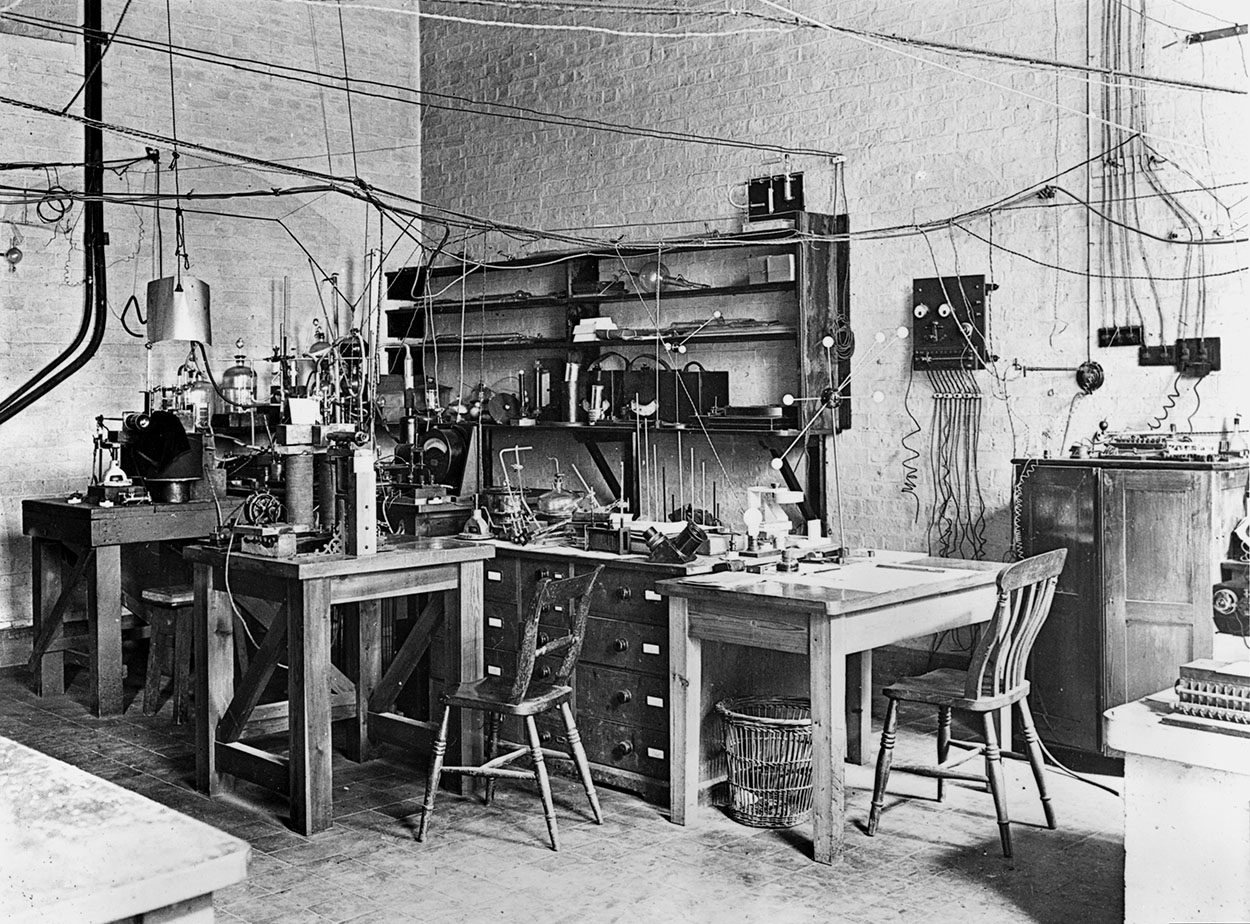
Sir Ernest Rutherford's Laboratory, early 20th century
Science Museum London / Science and Society Picture Library · early 20th century
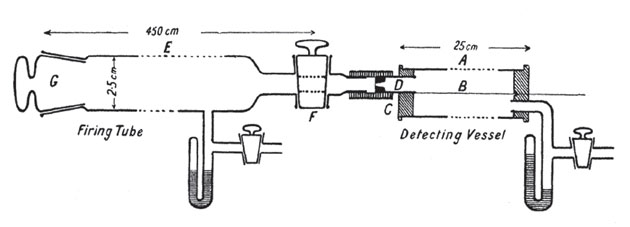
A photograph of the apparatus Rutherford used in his atom-splitting experiments at Cambridge's Cavendish Laboratory.
This photograph documents the actual apparatus Rutherford used in his atom-splitting experiments at Cambridge.
About this source
What it is
This photograph, held by the Science Museum London, shows the apparatus Ernest Rutherford used for his atom-splitting experiments, set up in his research room at the Cavendish Laboratory, Cambridge University.
Why it matters
Rutherford, born in New Zealand, built on the work of Henri Becquerel and Marie Curie to show that radiation consisted of alpha, beta, and gamma rays. In 1911 he proposed that atoms have a nucleus with electrons orbiting it, like a miniature solar system, and later suggested that protons were building blocks of all matter. This cluttered laboratory is where some of that pioneering experimental work took place.
Look closer
- What does the clutter and simplicity of the equipment tell you about scientific research at this time?
- How might this compare to a modern physics laboratory?
- What questions would you want to ask about how this equipment was actually used?
This photograph is part of the curated material that grounds the AI version of Ernest Rutherford on Humy.ai — when students ask about related events, the AI can quote it and cite it.
More Ernest Rutherford sources
Browse all 73 →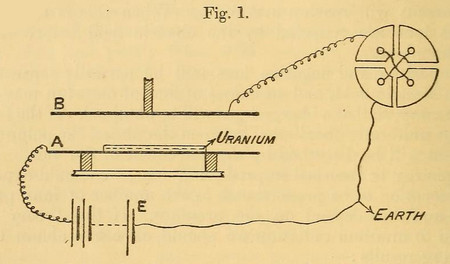 Document
Primary source
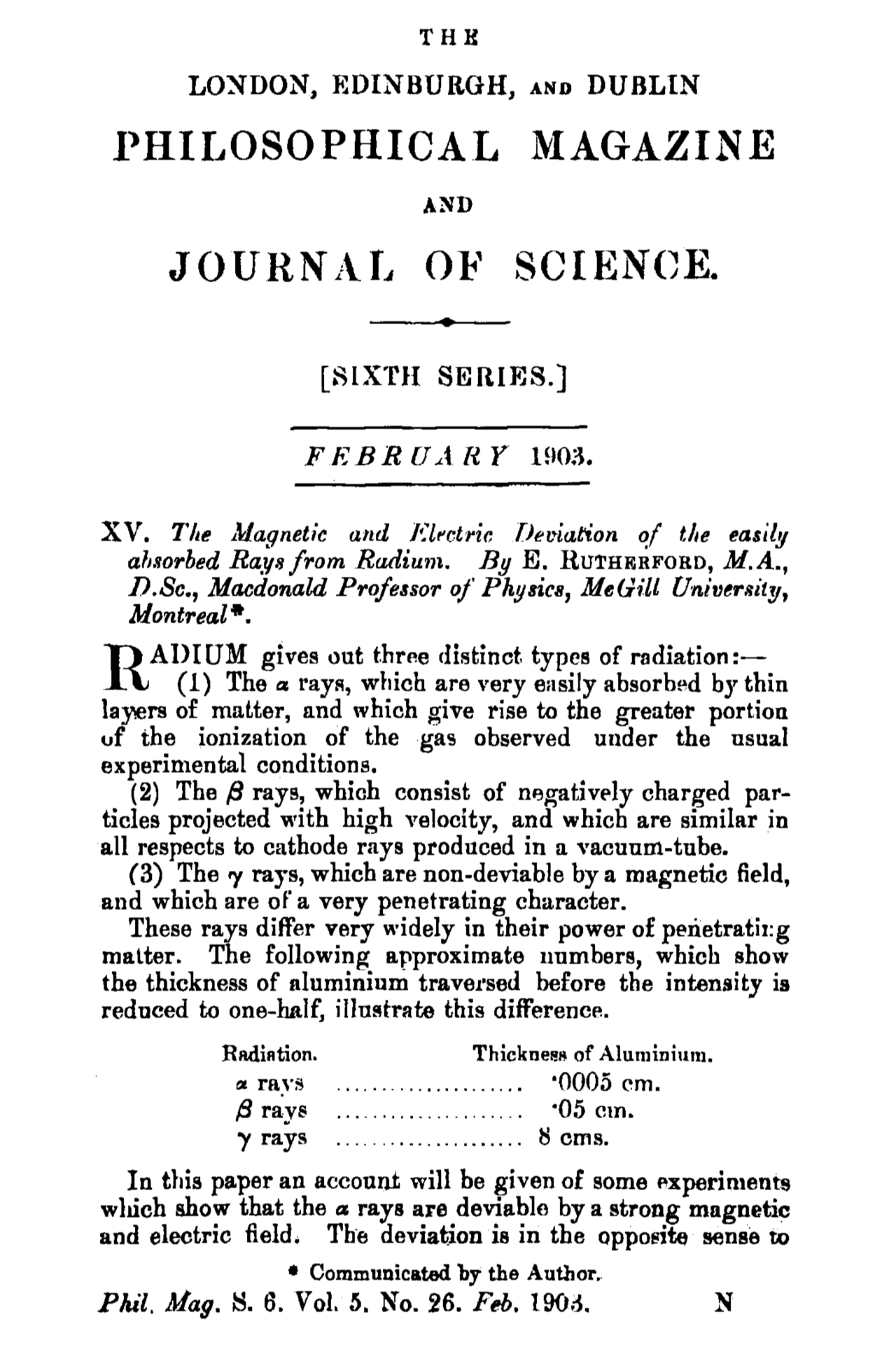
Uranium Radiation and the Electrical Conduction Produced by It
Ernest Rutherford · 1899
 Photograph
Primary source
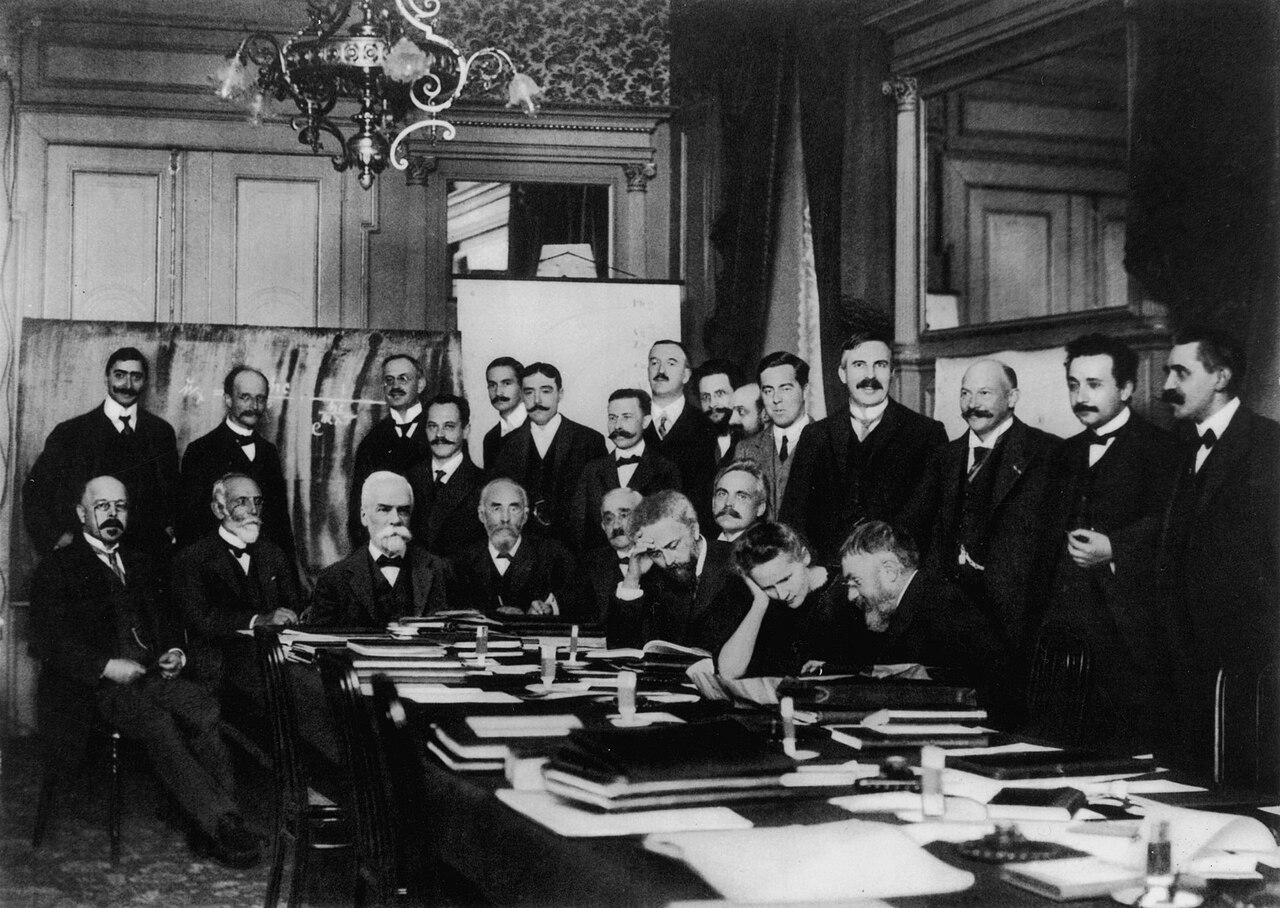
1911 Solvay Conference Photograph
Benjamin Couprie · 1911
 Photograph
Primary source
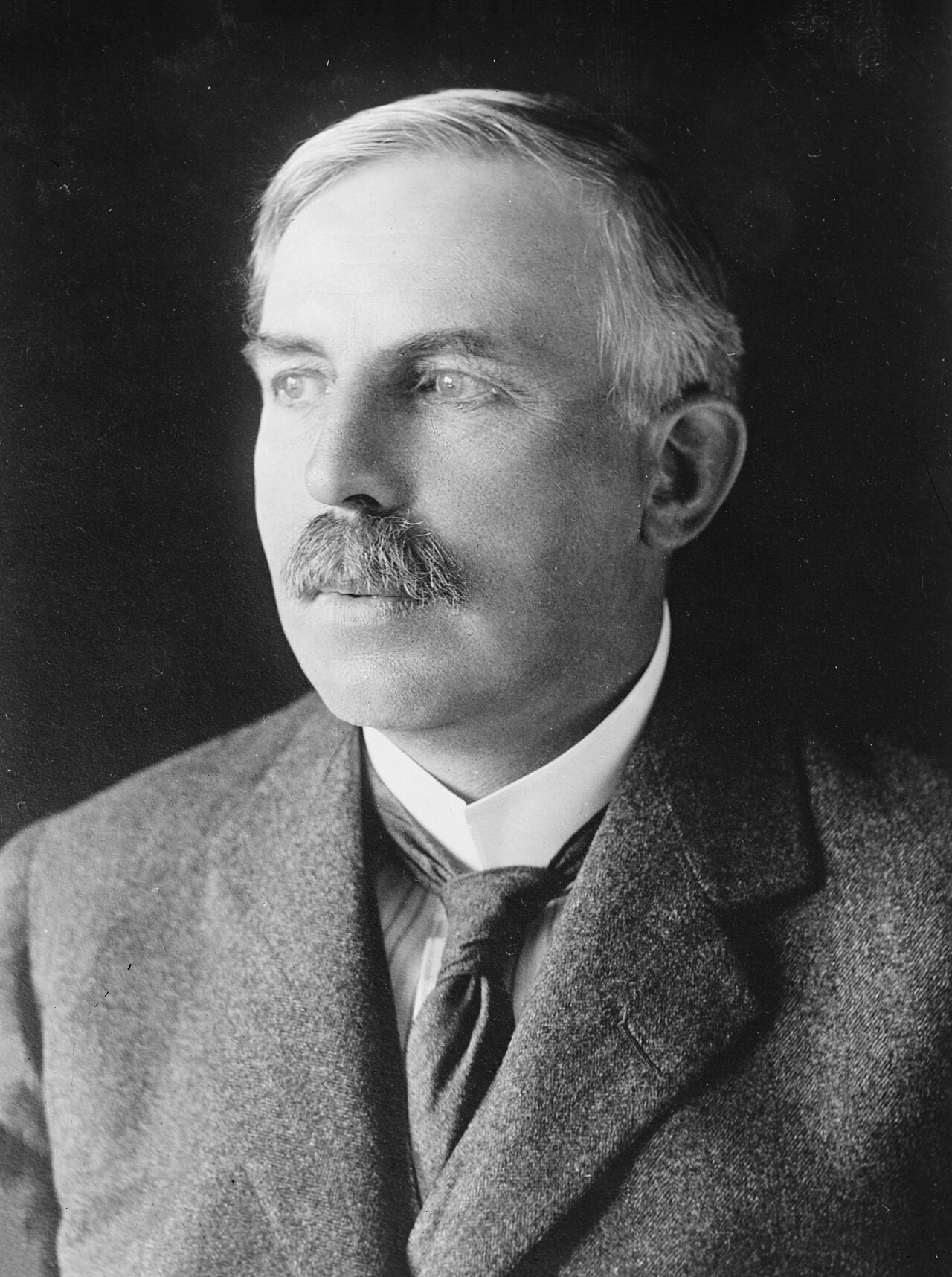
Portrait of Ernest Rutherford
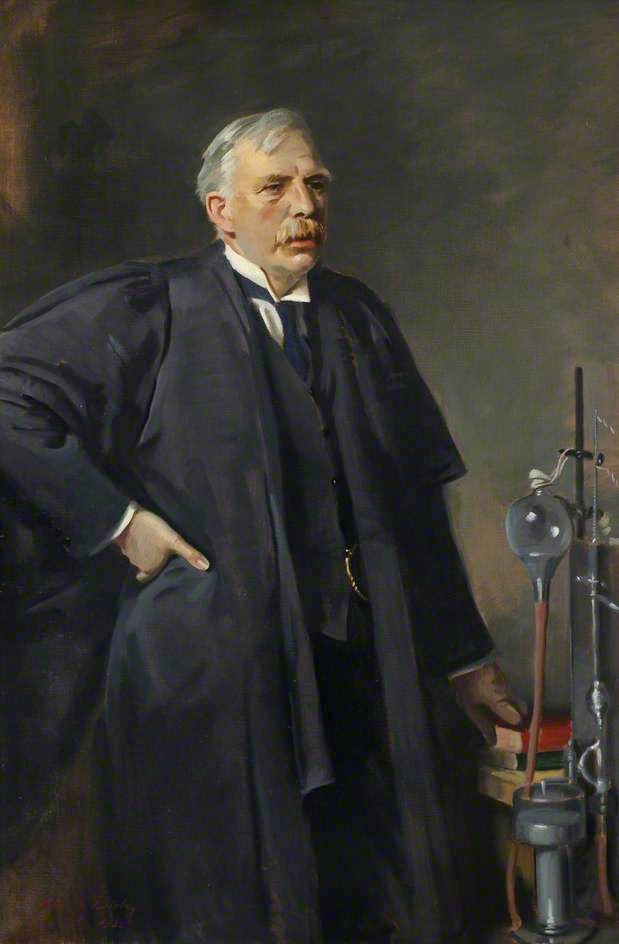 Painting
Primary source
Ernest Rutherford, Lord Rutherford of Nelson, Cavendish Professor
Oswald Birley · 1932
Free account
Browse every Ernest Rutherford source
Sign up free →
Ready when you are
Start chatting with Ernest Rutherford now.
20 messages free · No credit card · Available in 50+ languages.