


Primary sourceSculptureTang dynasty (618-907)
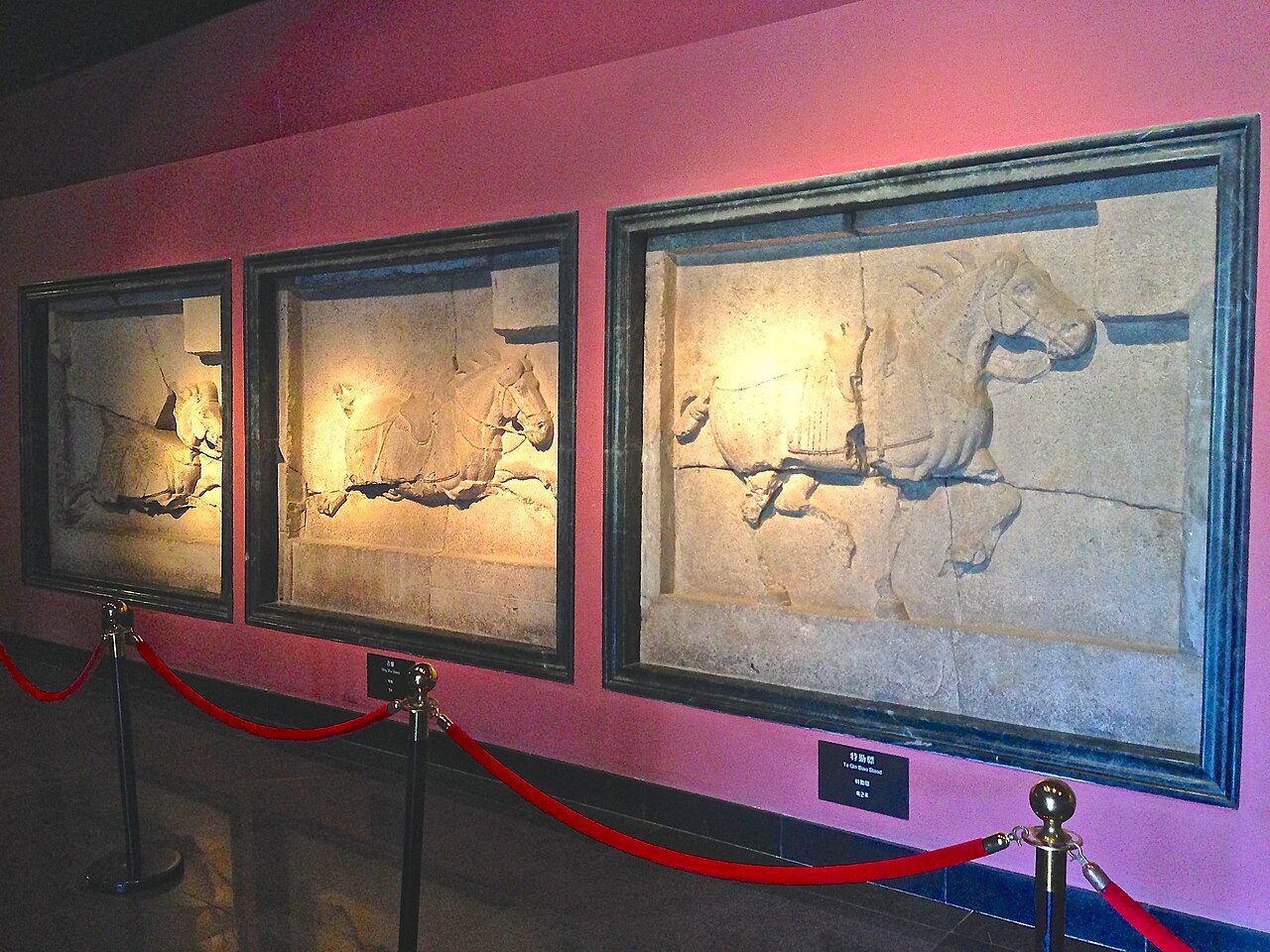
Six Steeds of Zhao Mausoleum
Yan Liben (attributed) · Tang dynasty (618-907)
Stone relief carvings of the six war horses ridden by Emperor Taizong during his campaigns, commissioned for his tomb.
Taizong commissioned these reliefs of his own war horses for his tomb, recording his military career.
Free Humy account · No credit card · 65,431 sources to read
About this source
What it is
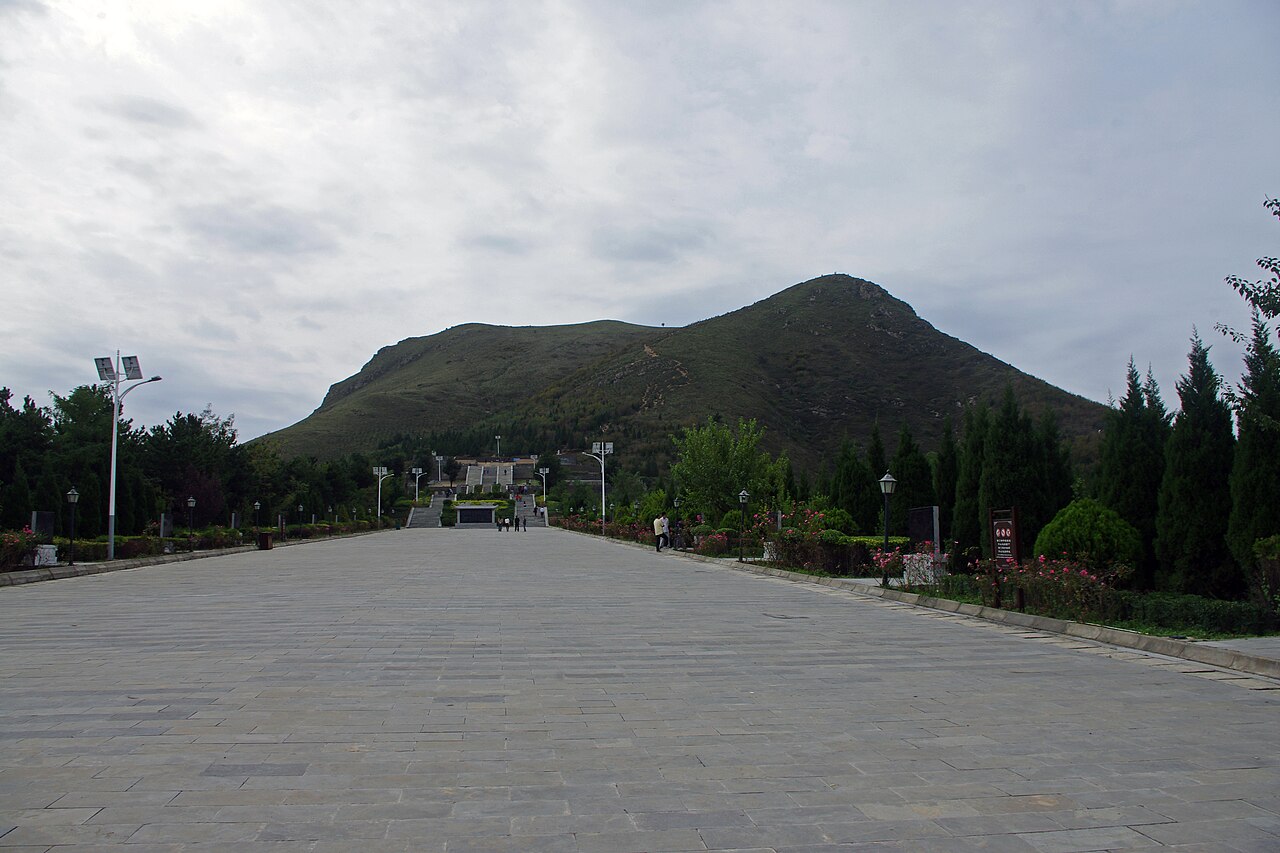
These are Tang dynasty stone reliefs, each showing one of six horses. They were made for the Zhao mausoleum, the tomb of Emperor Taizong of Tang, in Shaanxi. Tradition credits their design to the court painter Yan Liben. Two of the six panels are now in the Penn Museum in the United States; the other four remain in Xi'an.
Why it matters
The horses were Taizong's own war mounts, ridden during the campaigns that reunified China under the Tang. Their names come from Turkic or Central Asian words, suggesting they were gifts or tribute from steppe peoples. The reliefs show how Taizong wanted to be remembered: as a warrior who fought personally in the battles that founded his dynasty.
Look closer
- Why might an emperor choose to honor his horses with carved monuments at his own tomb?
- What do the horses' non-Chinese names suggest about Tang China's connections with other peoples?
- Two of the six panels left China in 1914 — what questions does that raise about where historical artifacts should be kept?
This sculpture is part of the curated material that grounds the AI version of Taizong of Tang on Humy.ai — when students ask about related events, the AI can quote it and cite it.
More Taizong of Tang sources
Browse all 60 →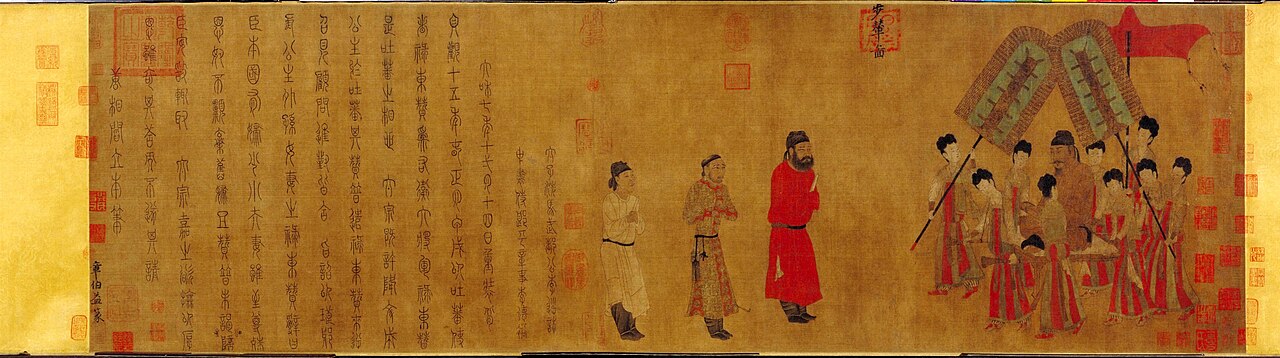 Painting
Secondary source
Bunian Tu
Yan Liben · c. 700 (possibly a later copy of an earlier original)
Primary source
Difan
Emperor Taizong of Tang · 648
 Document
Primary source
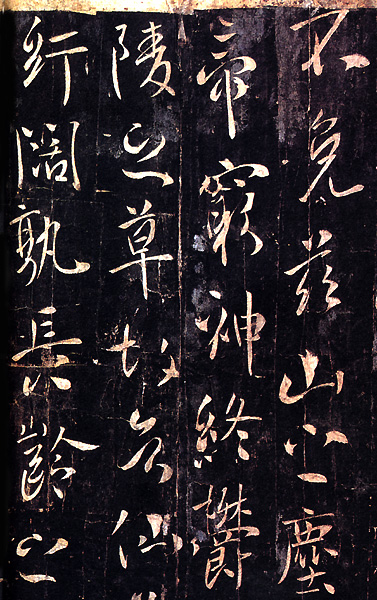
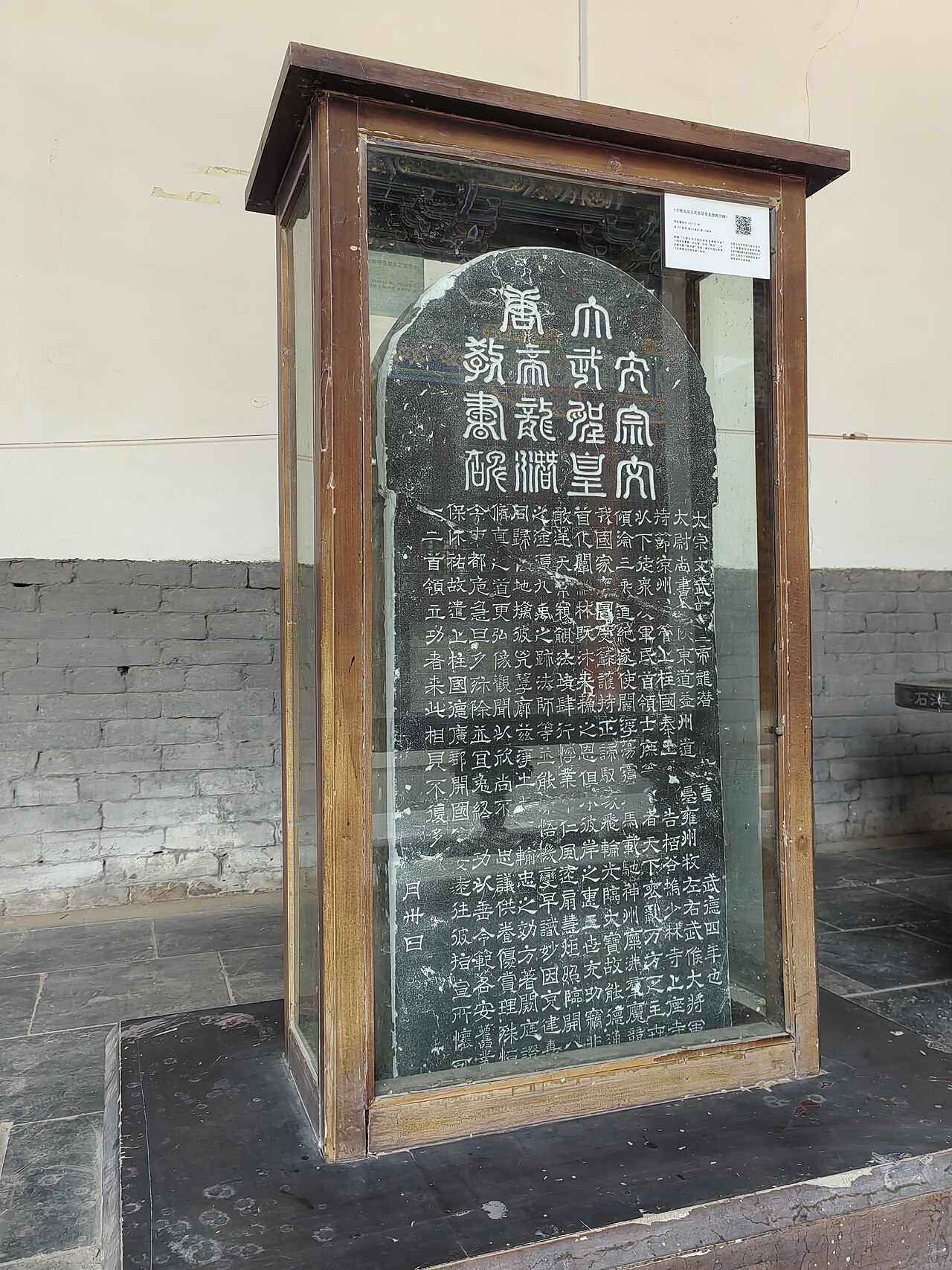
Hot Spring Inscription
Emperor Taizong of Tang · Tang dynasty
 Painting
Secondary source
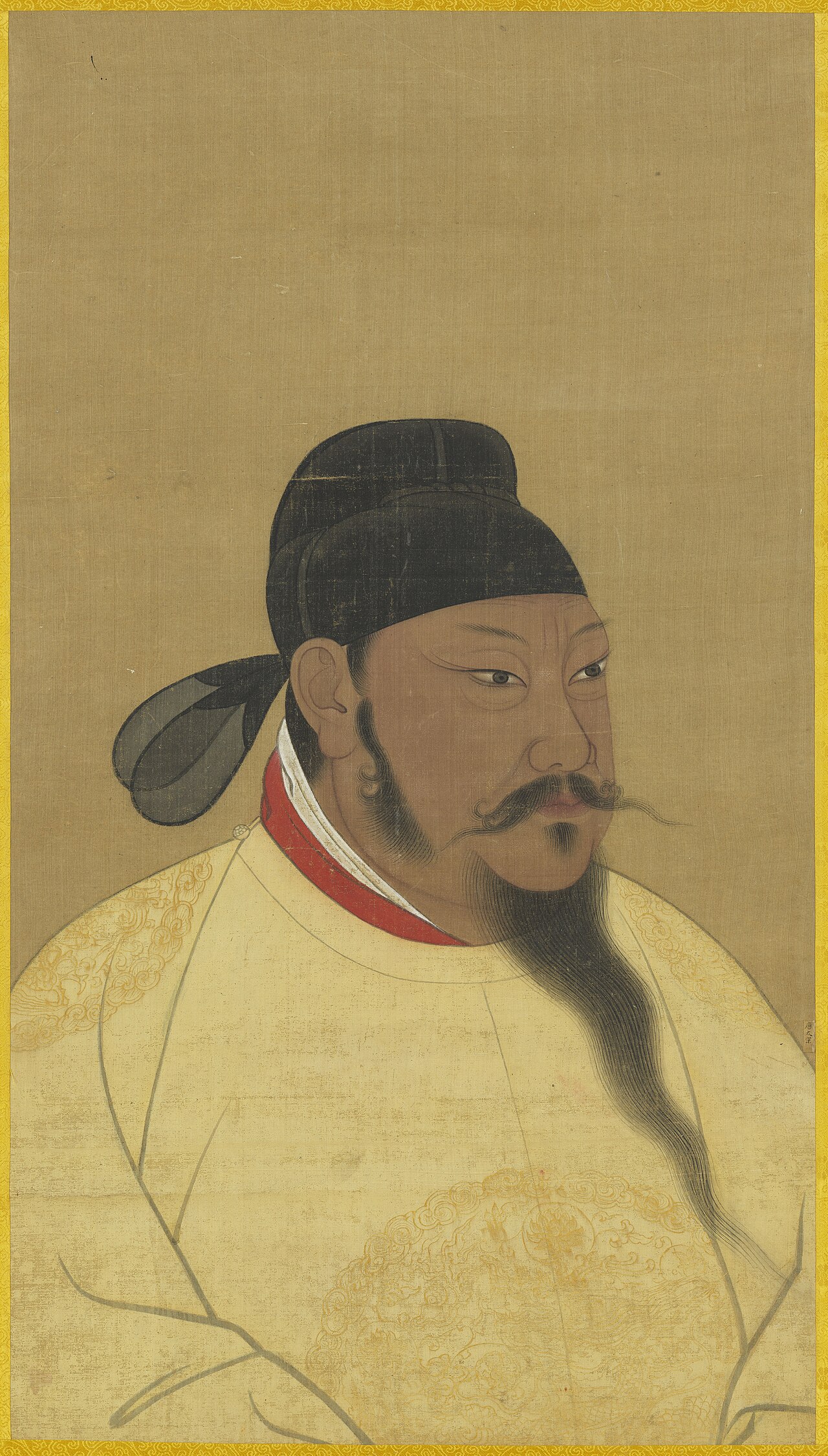
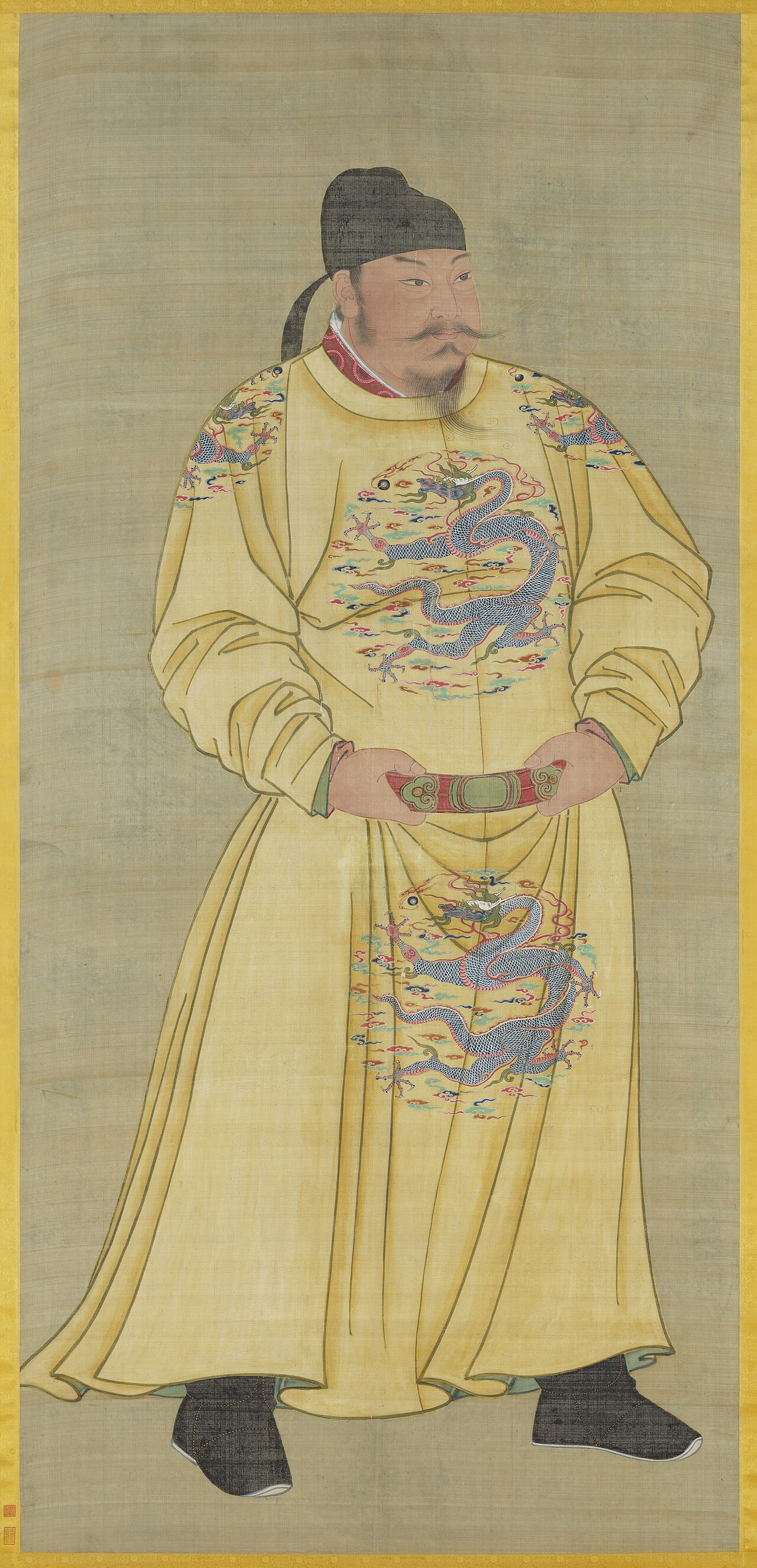
Portrait of Emperor Taizong of Tang
Unknown artist
Free account
Read every Taizong of Tang source
Sign up free →
Ready when you are
Start chatting with Taizong of Tang now.
20 messages free · No credit card · Available in 50+ languages.