


Primary sourcePhotographDecember 1895
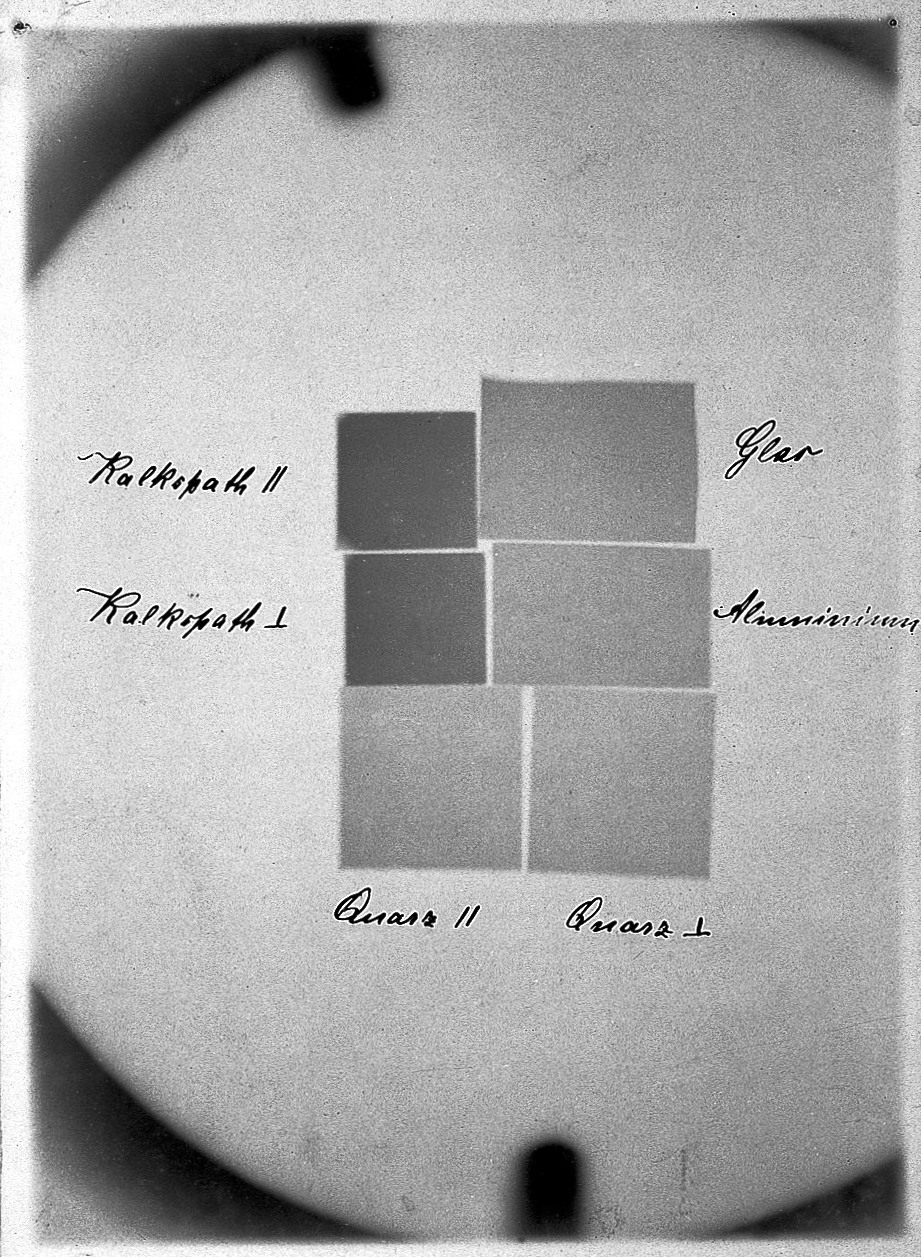
Six Substances Radiograph
Wilhelm Conrad Röntgen · December 1895
An 1895 X-ray image made by Röntgen showing six blocks of different materials, demonstrating how X-rays pass through substances differently.
Röntgen made this radiograph himself as part of his early experiments testing X-rays on different materials.
About this source
What it is
This is a radiograph made by Wilhelm Röntgen in December 1895. It shows six rectangular blocks of different materials—calcite, glass, aluminium and quartz, each labelled by hand in German—arranged in a grid to compare how X-rays passed through them.
Why it matters
Röntgen had just discovered X-rays, and images like this one were part of his systematic testing of the new rays. By photographing many different substances, he worked out that materials transmit X-rays differently depending on their density and structure, laying groundwork for the whole science of radiography.
Look closer
- Why do some blocks appear darker and some lighter?
- What does the careful labelling tell you about how Röntgen worked?
- What questions might Röntgen have been trying to answer with this experiment?
This photograph is part of the curated material that grounds the AI version of Wilhelm Röntgen on Humy.ai — when students ask about related events, the AI can quote it and cite it.
More Wilhelm Röntgen sources
Browse all 96 →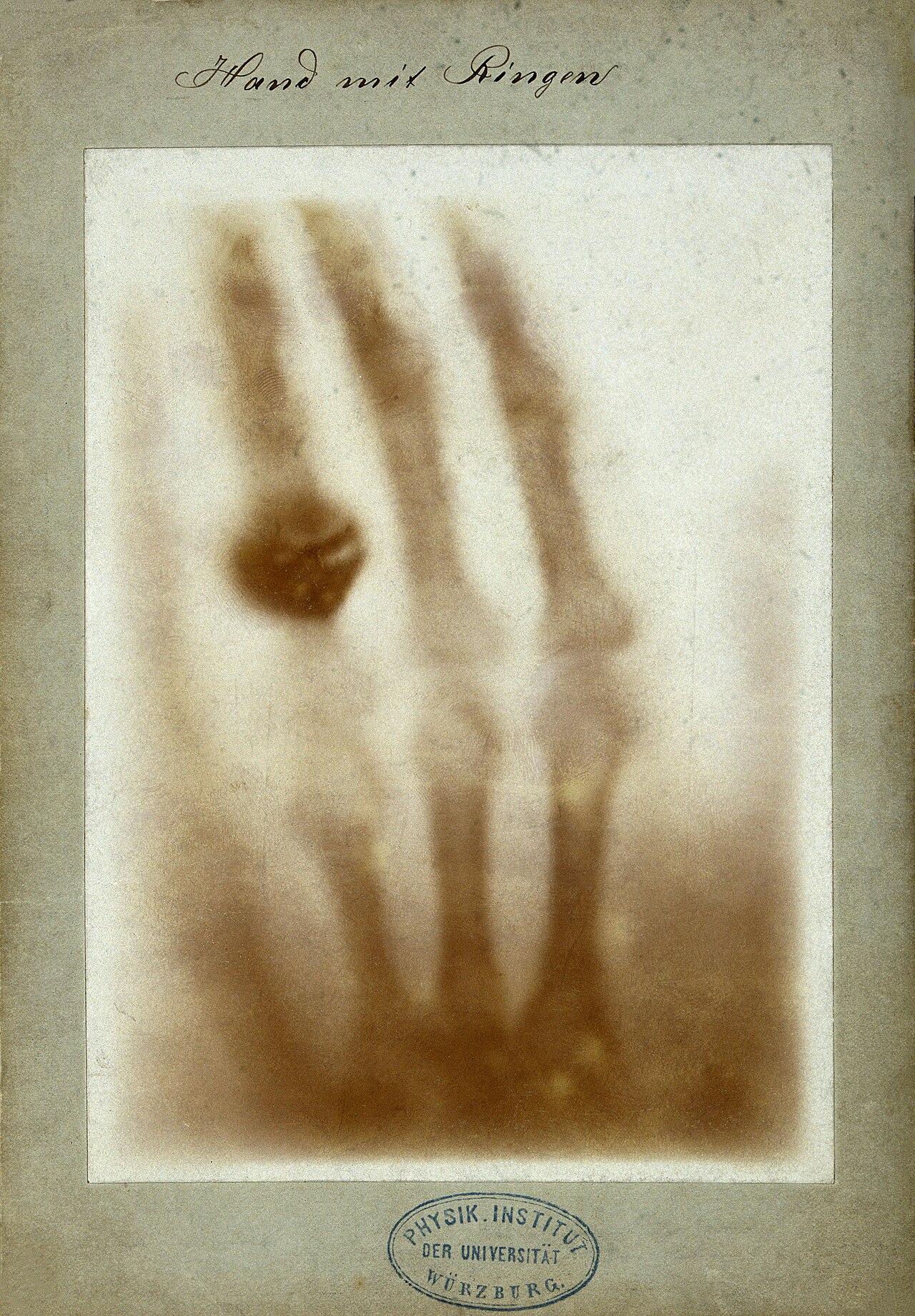 Photograph
Primary source
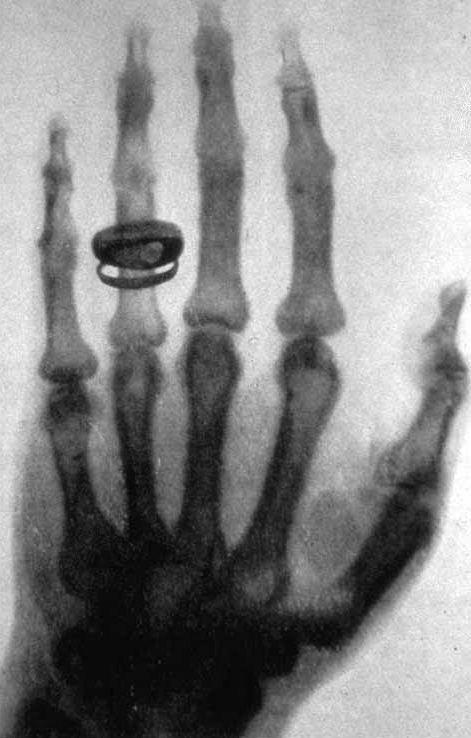
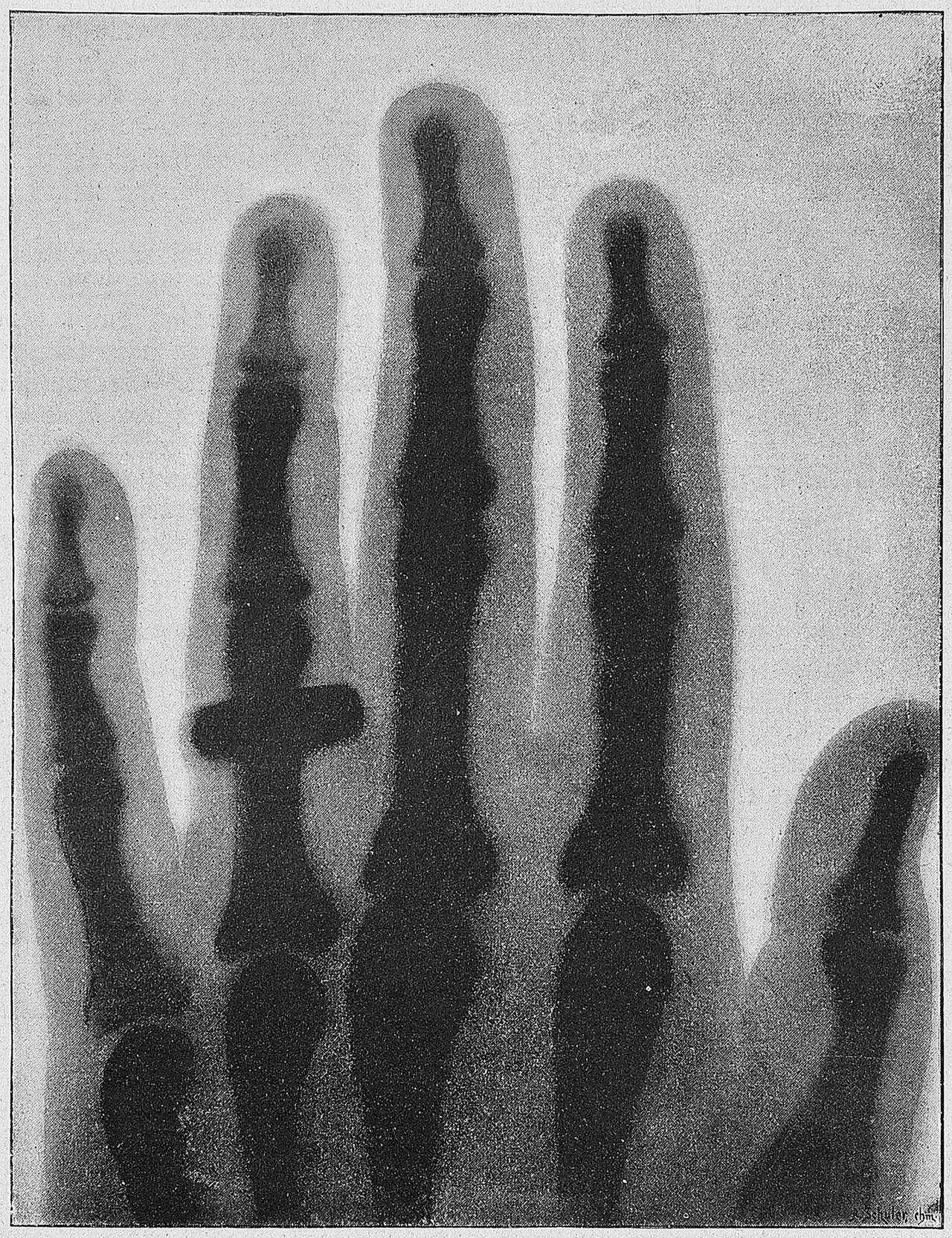
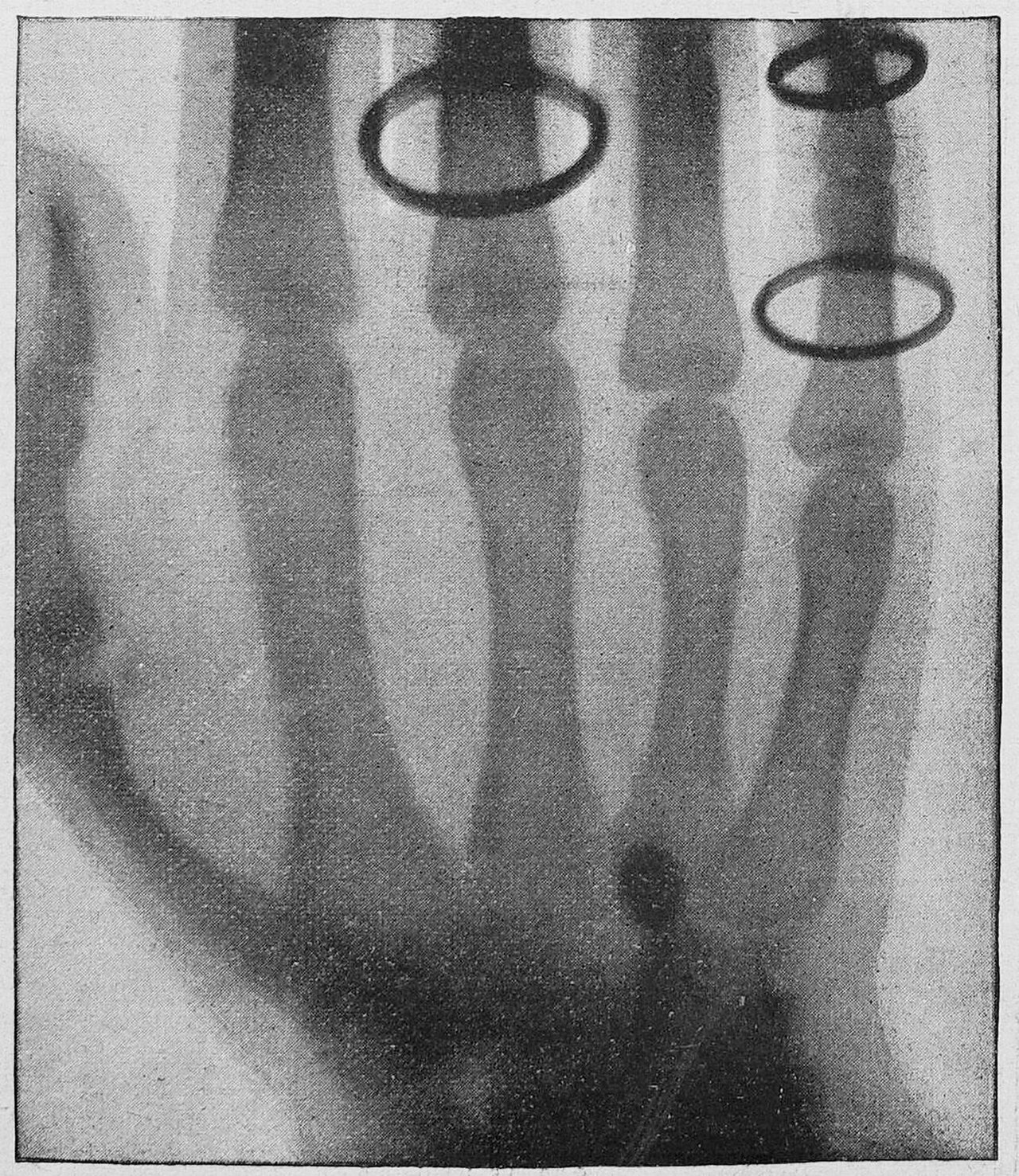
Hand with Rings
Wilhelm Röntgen · 22 December 1895
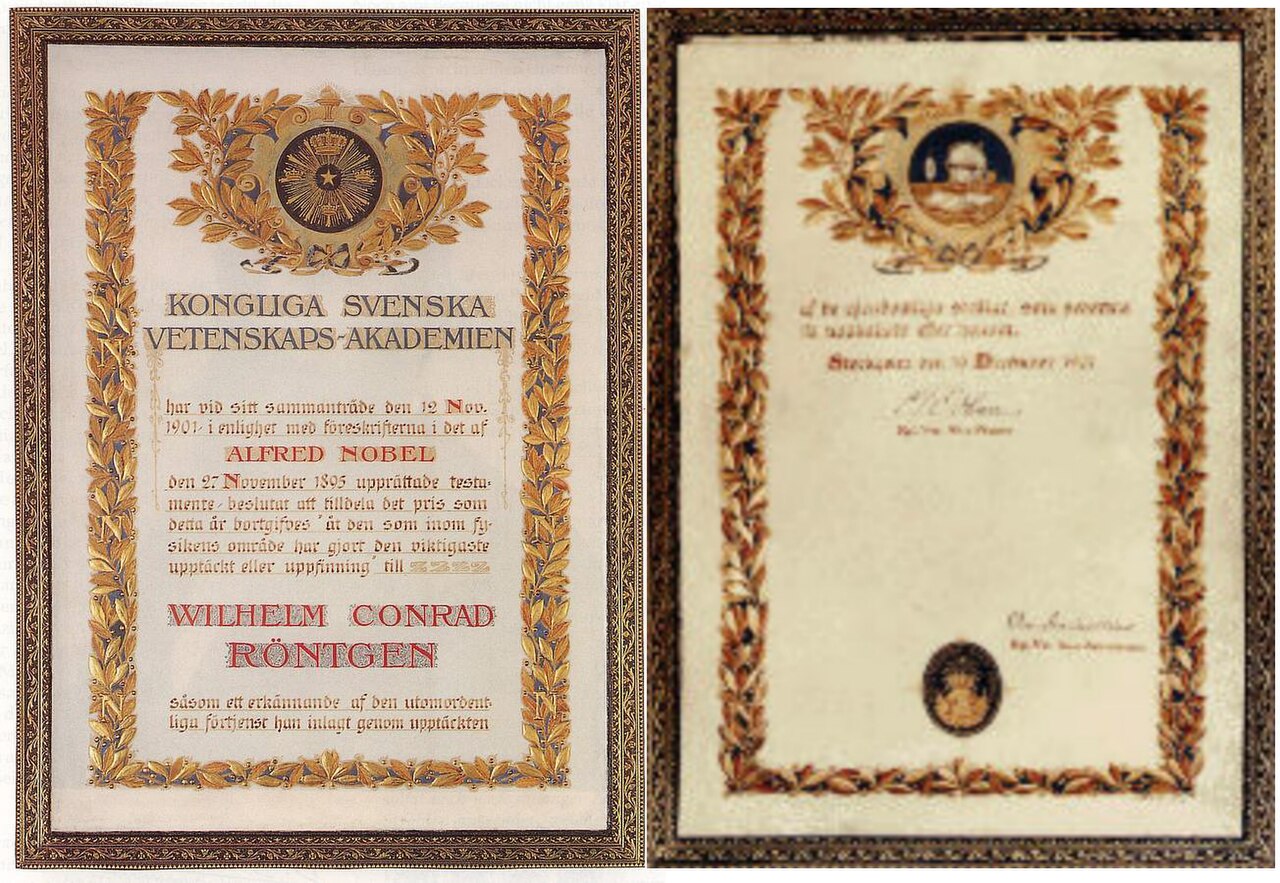 Document
Primary source
Nobel Prize Diploma of Wilhelm Conrad Röntgen
Sofia Gisberg · 12 November 1901
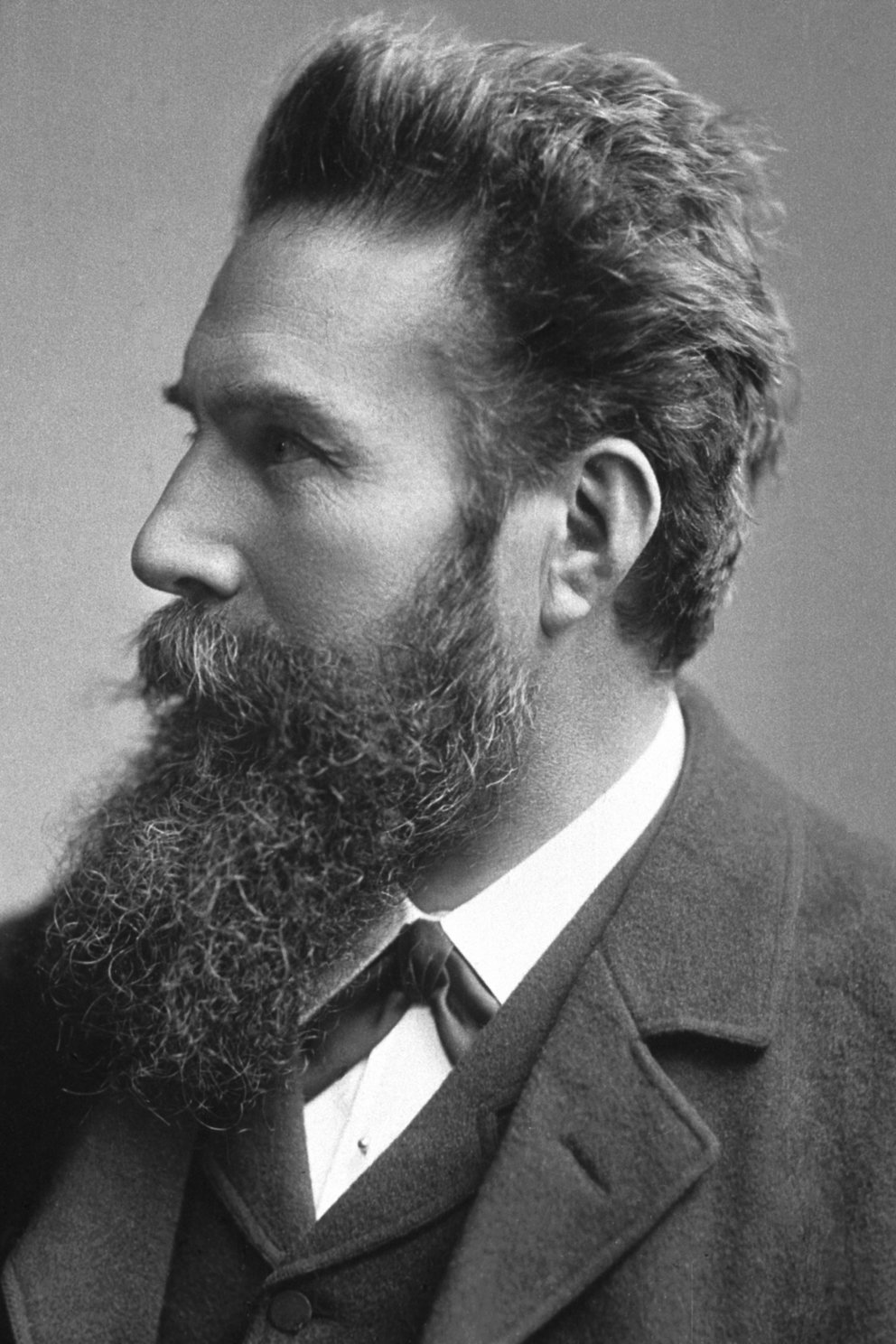 Photograph
Primary source
Wilhelm Röntgen
Nobel Foundation
 Artifact
Secondary source
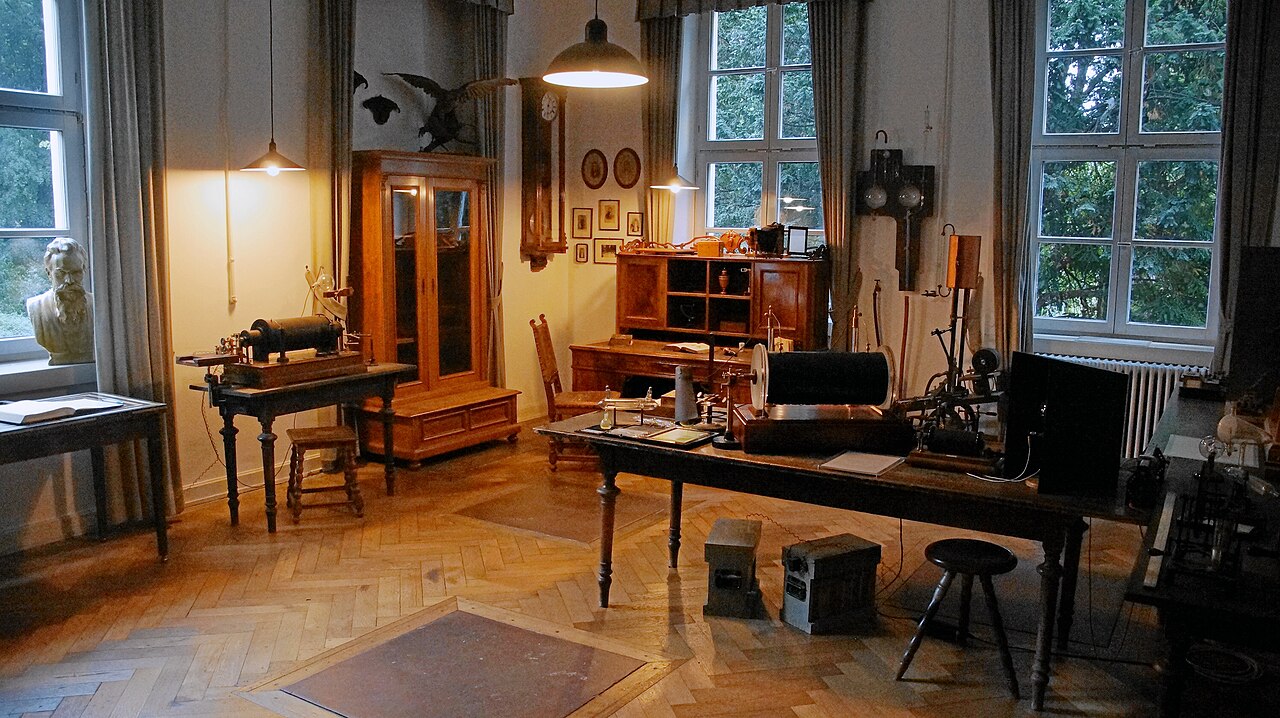
Röntgen Memorial Site, Würzburg
1981 (as heritage monument)
Free account
Read every Wilhelm Röntgen source
Sign up free →
Ready when you are
Start chatting with Wilhelm Röntgen now.
20 messages free · No credit card · Available in 50+ languages.