


Primary sourcePainting23 February 1848
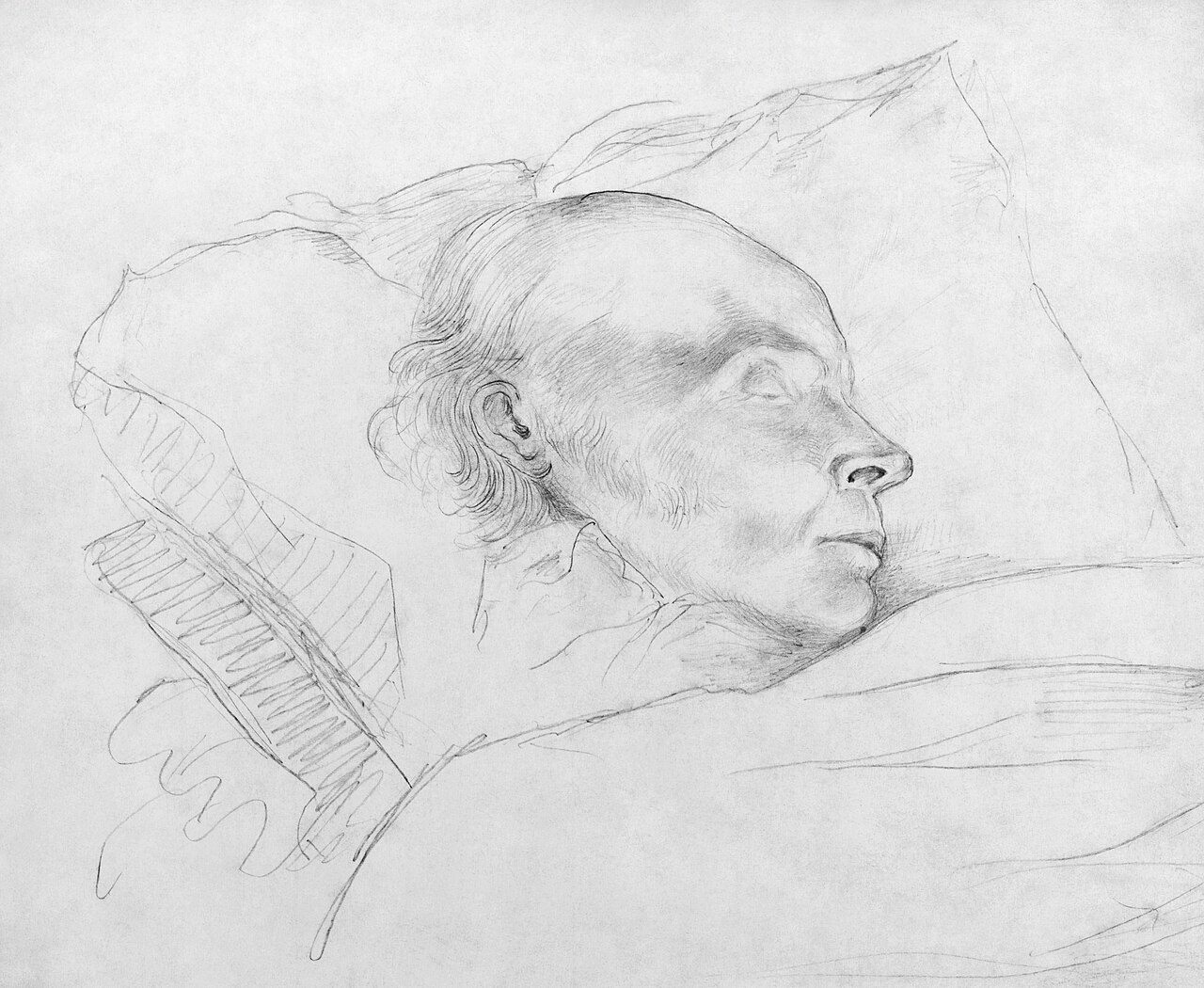
Sketch of John Quincy Adams Lying Unconscious in the Capitol Rotunda
Arthur J. Stansbury · 23 February 1848
An eyewitness pencil sketch of John Quincy Adams dying after his stroke in the Capitol Rotunda, drawn the day he died.
This sketch shows Adams himself, drawn by an eyewitness on the day he died in the Capitol.
About this source
What it is
This is a pencil sketch made by Arthur J. Stansbury on 23 February 1848, showing John Quincy Adams lying unconscious in the Rotunda of the Capitol in Washington after suffering a stroke.
Why it matters
Adams collapsed at the Capitol and this sketch was made that same day, making it a rare firsthand image of his final hours. It captures a moment when the former president, still serving in Congress, was witnessed dying by someone present at the scene.
Look closer
- What details in the drawing suggest it was made quickly, from life, rather than planned in advance?
- Why might someone choose to sketch a dying public figure rather than simply write about the event?
- What does this image not show about Adams's life and career?
This painting is part of the curated material that grounds the AI version of John Quincy Adams on Humy.ai — when students ask about related events, the AI can quote it and cite it.
More John Quincy Adams sources
Meet the AI John Quincy Adams →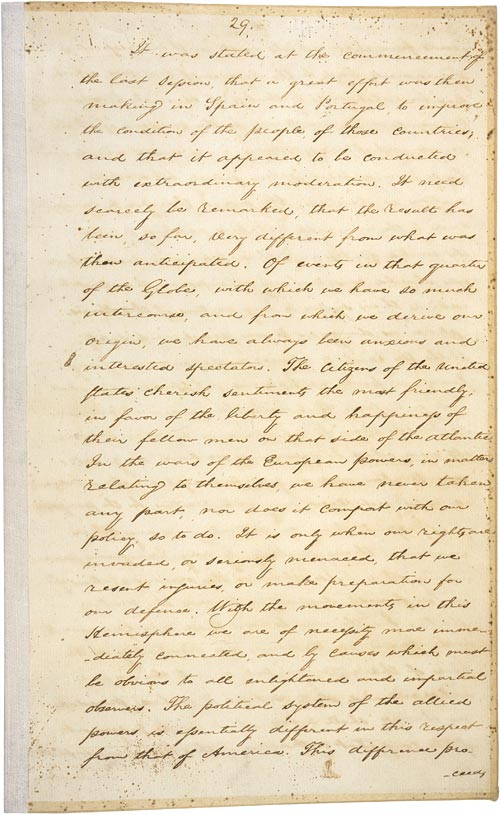 Speech
Primary source
Monroe Doctrine
James Monroe · 2 December 1823
 Diary entry
Primary source
Diary of John Quincy Adams
John Quincy Adams · 1779–1848
 Document
Primary source
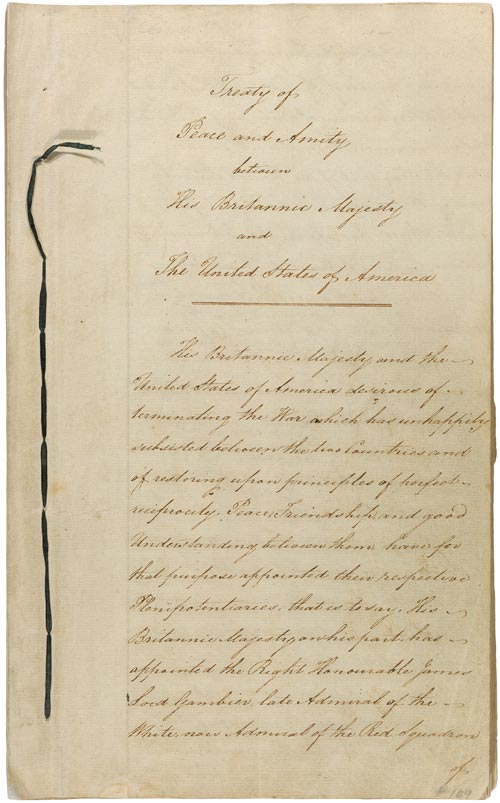
Treaty of Ghent
24 December 1814
 Document
Primary source
Adams–Onís Treaty
1819 (effective 1821)
 Speech
Primary source
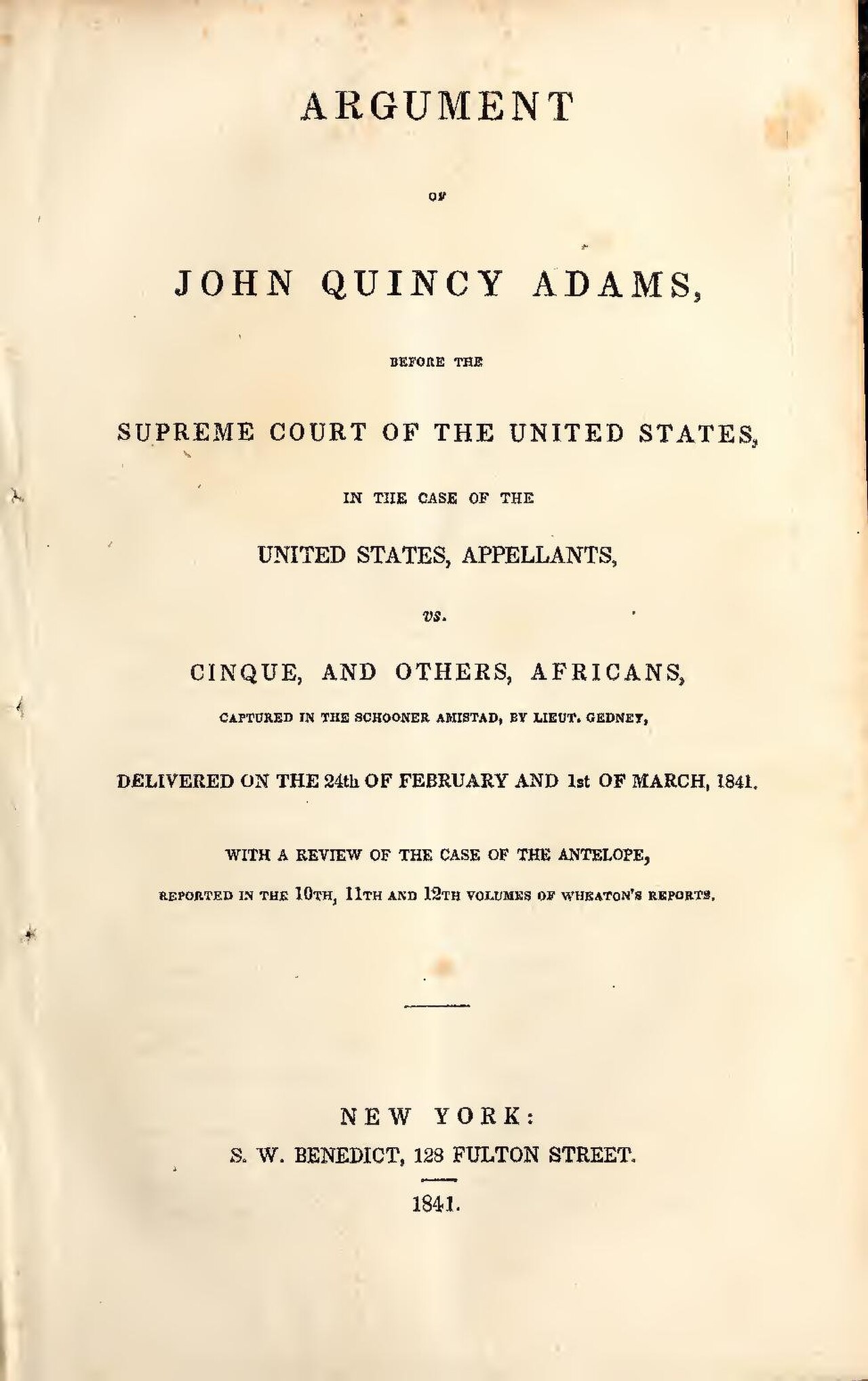
Argument of John Quincy Adams before the Supreme Court in the case of United States v. Cinque (Amistad)
John Quincy Adams · 24 February and 1 March 1841
Ready when you are
Start chatting with John Quincy Adams now.
20 messages free · No credit card · Available in 50+ languages.