


Secondary sourceArtifactc. 1790
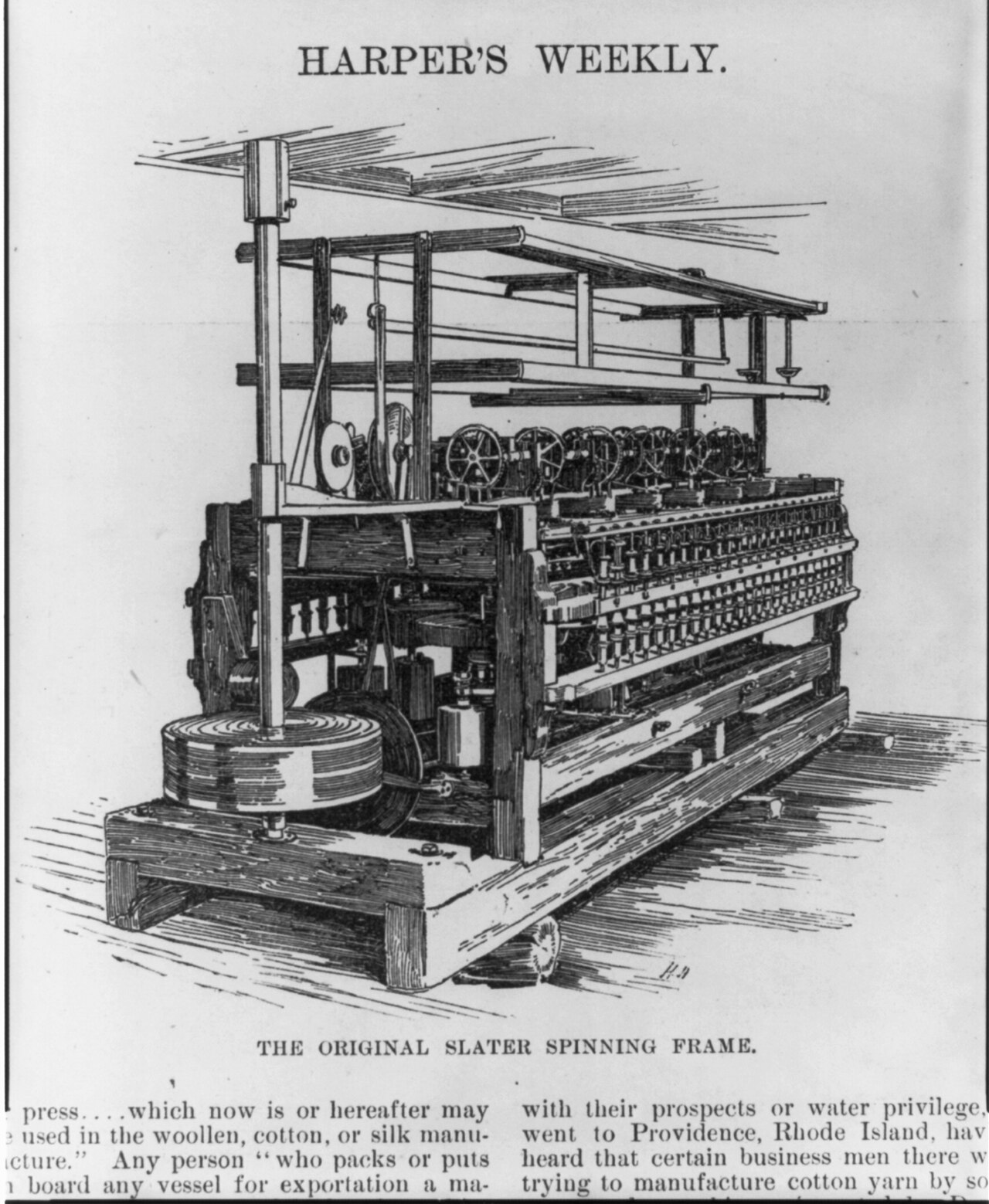
Slater Spinning Frame
Samuel Slater · c. 1790
An engraving of the original water frame Samuel Slater built around 1790 for Almy & Brown, rebuilding Arkwright spinning technology from memory.
Slater built this spinning frame, the technology at the heart of his career as an industrialist.
About this source
What it is
This is a wood engraving, published in Harper's Weekly, showing the original spinning frame associated with Samuel Slater's machinery from around 1790. The frame is a large wooden spinning machine with rows of spindles and bobbins, built for the firm Almy & Brown. An example is held by the Smithsonian National Museum of American History.
Why it matters
Slater had worked in England's textile industry and used his knowledge of the Arkwright system to recreate this technology in America without plans or patents, since Britain tried to prevent such machinery and expertise from being exported. The frame is physical evidence of how industrial knowledge spread, legally or not, across the Atlantic.
Look closer
- Why might Slater have needed to build this machine from memory rather than from written plans?
- What does this image, made decades later for a magazine, tell you about how Americans later wanted to remember this machine?
- What parts of the machine can you identify, and what job might each part have done?
This artifact is part of the curated material that grounds the AI version of Samuel Slater on Humy.ai — when students ask about related events, the AI can quote it and cite it.
More Samuel Slater sources
Meet the AI Samuel Slater →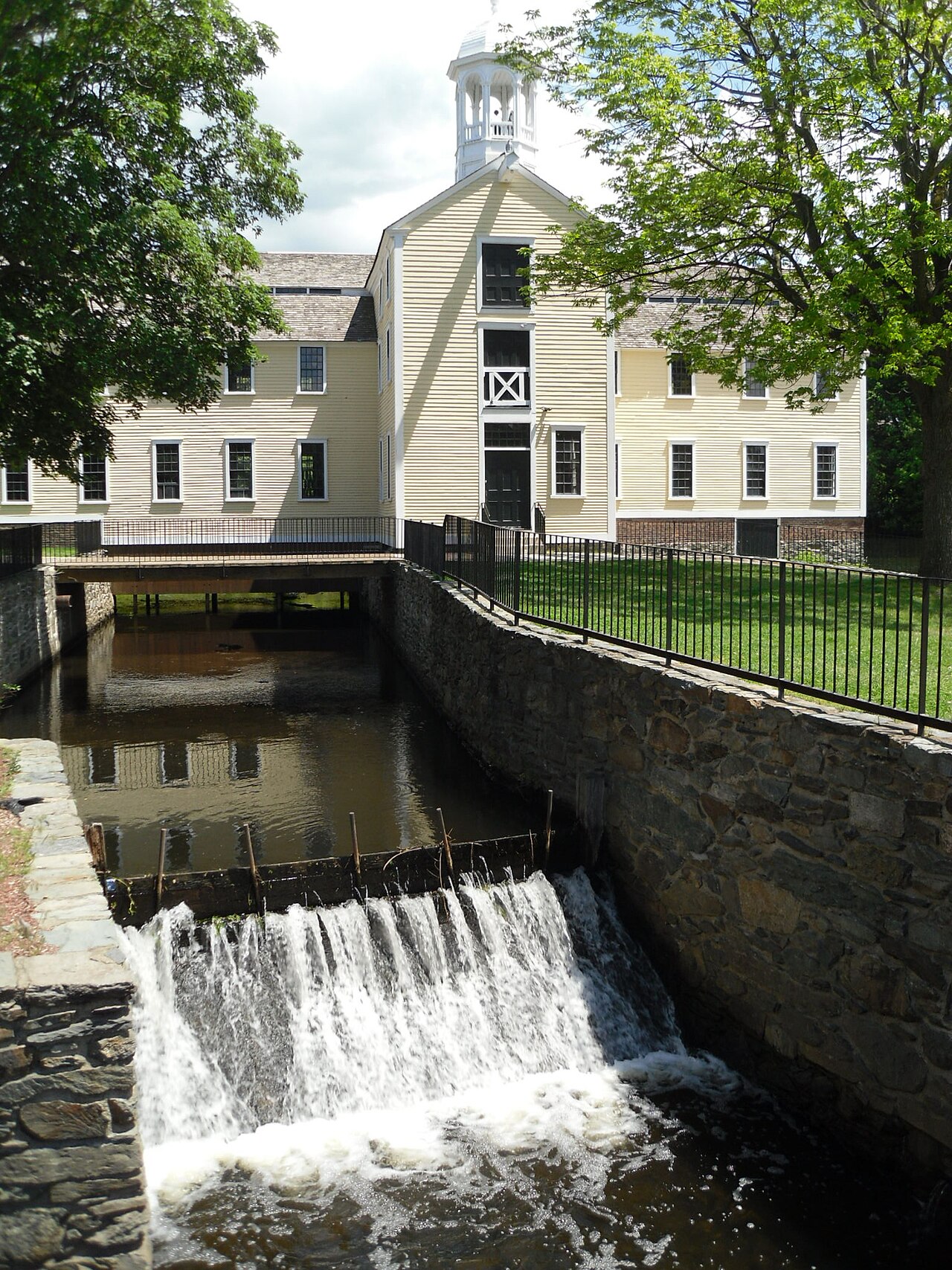 Artifact
Secondary source
Slater Mill Historic Site
Samuel Slater · 1955 (museum opening); mill built 1793
 Photograph
Secondary source
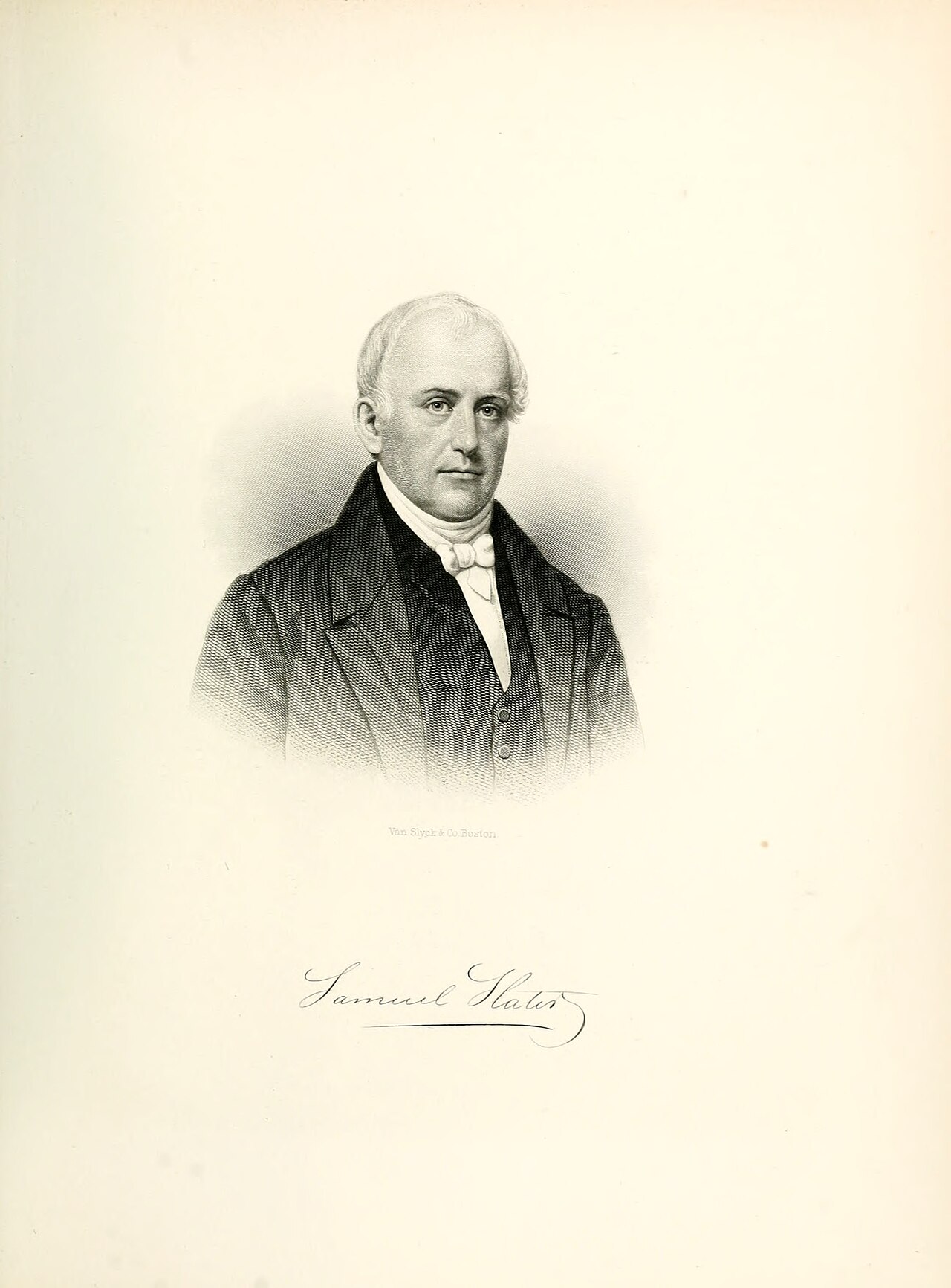
Samuel Slater Biographical Engraving
 Painting
Secondary source
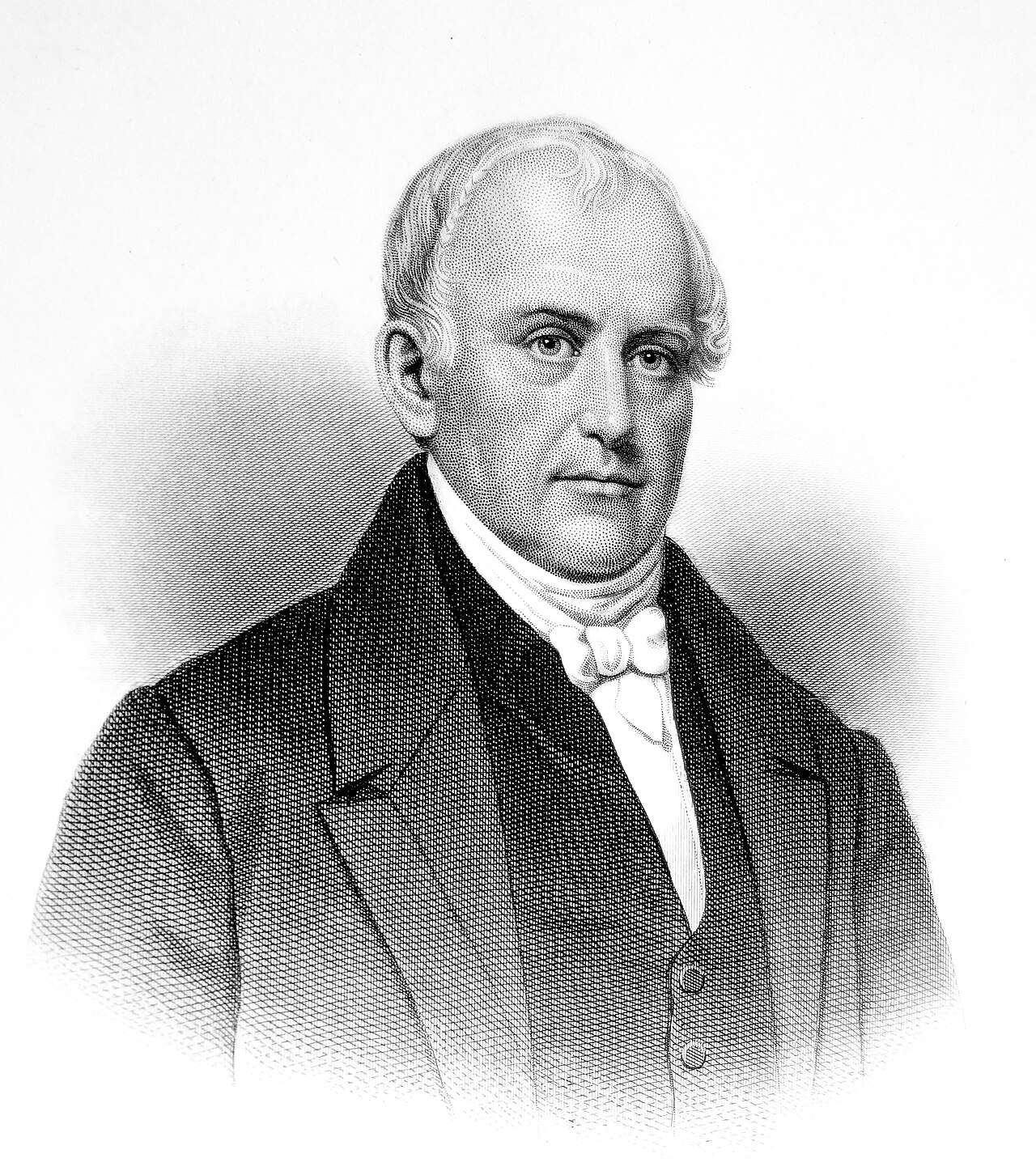
Samuel Slater, Industrialist
National Biographical Publishing Company
 Document
Primary source
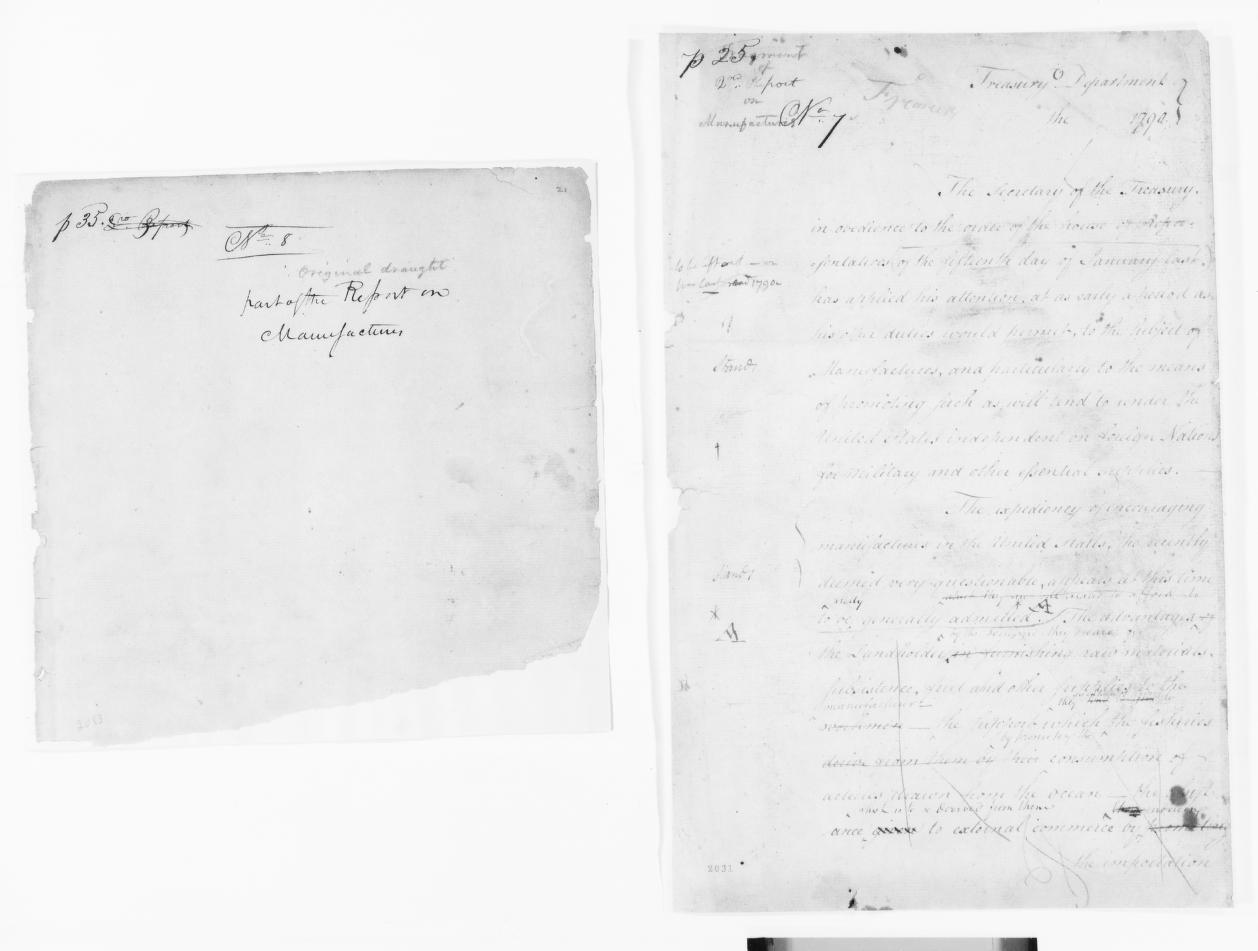
Report on Manufactures
Alexander Hamilton · 5 December 1791
 Photograph
Secondary source
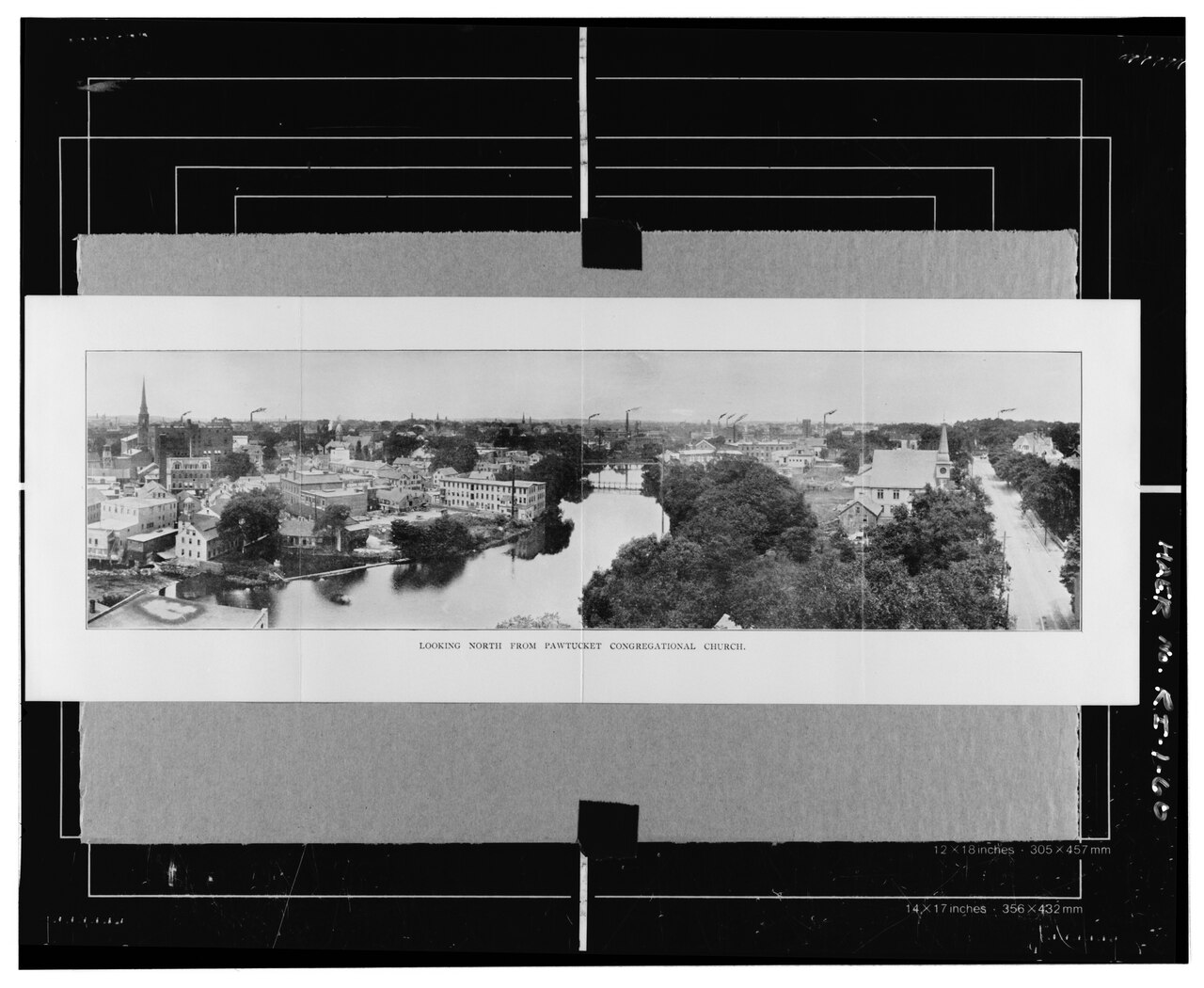
Looking north from Pawtucket Congregational Church, Slater Mill
1902
Ready when you are
Start chatting with Samuel Slater now.
20 messages free · No credit card · Available in 50+ languages.