


Primary sourcePhotograph
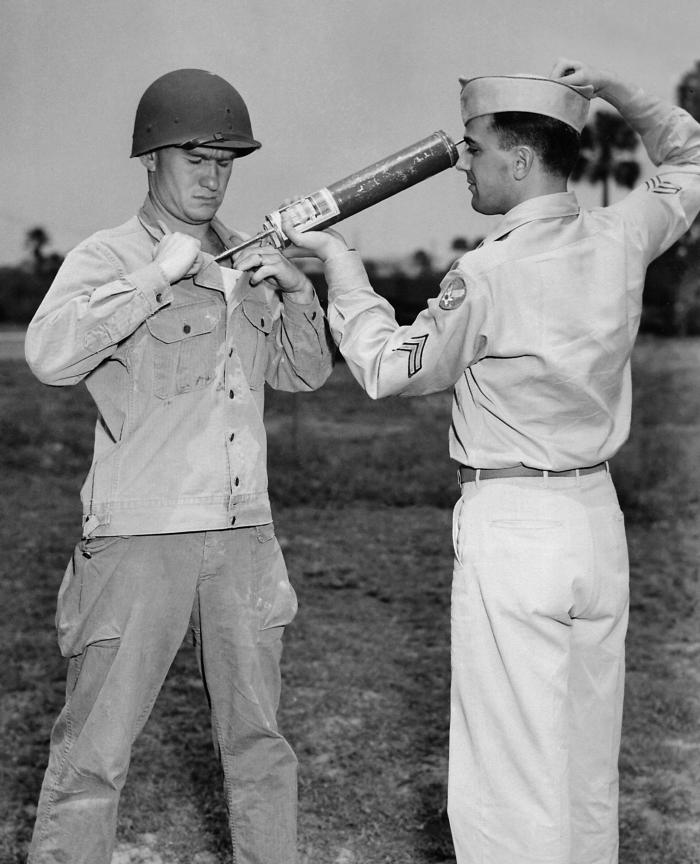
Soldier Demonstrating DDT Hand-Spraying Equipment
A CDC photo of a US soldier demonstrating hand-spraying DDT equipment during WWII, showing the insecticide's mass use before Carson's warnings.
Documents the wartime success story of DDT that made Carson's later critique of the chemical so controversial.
About this source
What it is
A black-and-white photograph provided by the CDC showing two US Army soldiers, one demonstrating hand-operated DDT spraying equipment on the other, during World War II. DDT was used at this time to control mosquitoes and lice that spread malaria and typhus.
Why it matters
This photo shows why DDT was embraced so enthusiastically: it was credited with controlling deadly diseases and saving lives during and after the war. Rachel Carson's later book Silent Spring challenged this triumphant view by pointing to DDT's harm to wildlife and ecosystems, making images like this important background to understand what she was arguing against.
Look closer
- Why might the military have wanted this scene photographed and shared publicly?
- What does the direct spraying onto a person's body suggest about safety concerns at the time?
- How might this image have shaped public trust in DDT before Carson's book?
This photograph is part of the curated material that grounds the AI version of Rachel Carson on Humy.ai — when students ask about related events, the AI can quote it and cite it.
More Rachel Carson sources
Meet the AI Rachel Carson → Book
Primary source
Silent Spring
Rachel Carson · 1962
 Photograph
Primary source
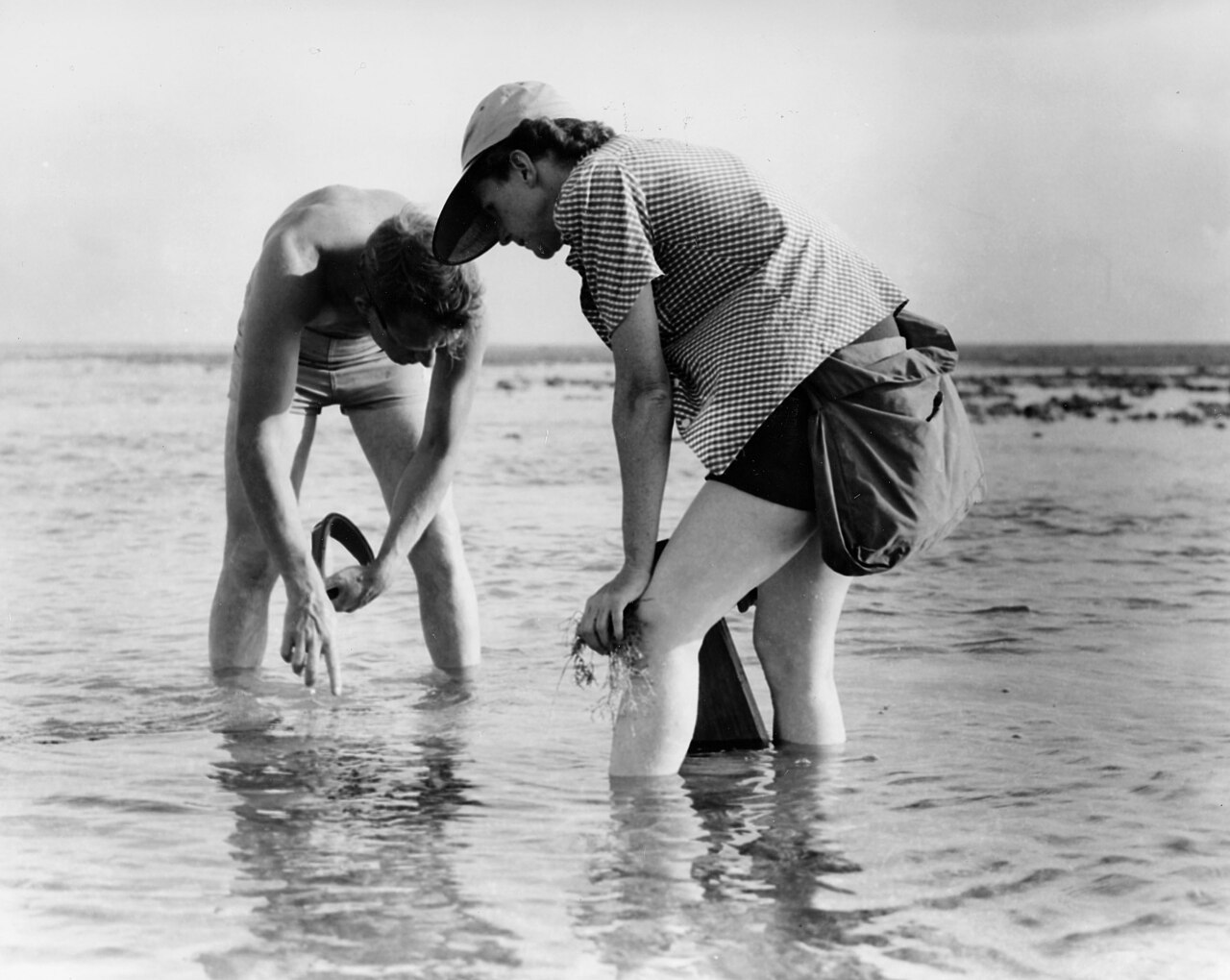
Rachel Carson Conducts Marine Biology Research with Bob Hines
U.S. Fish and Wildlife Service · 1952
 Sculpture
Secondary source
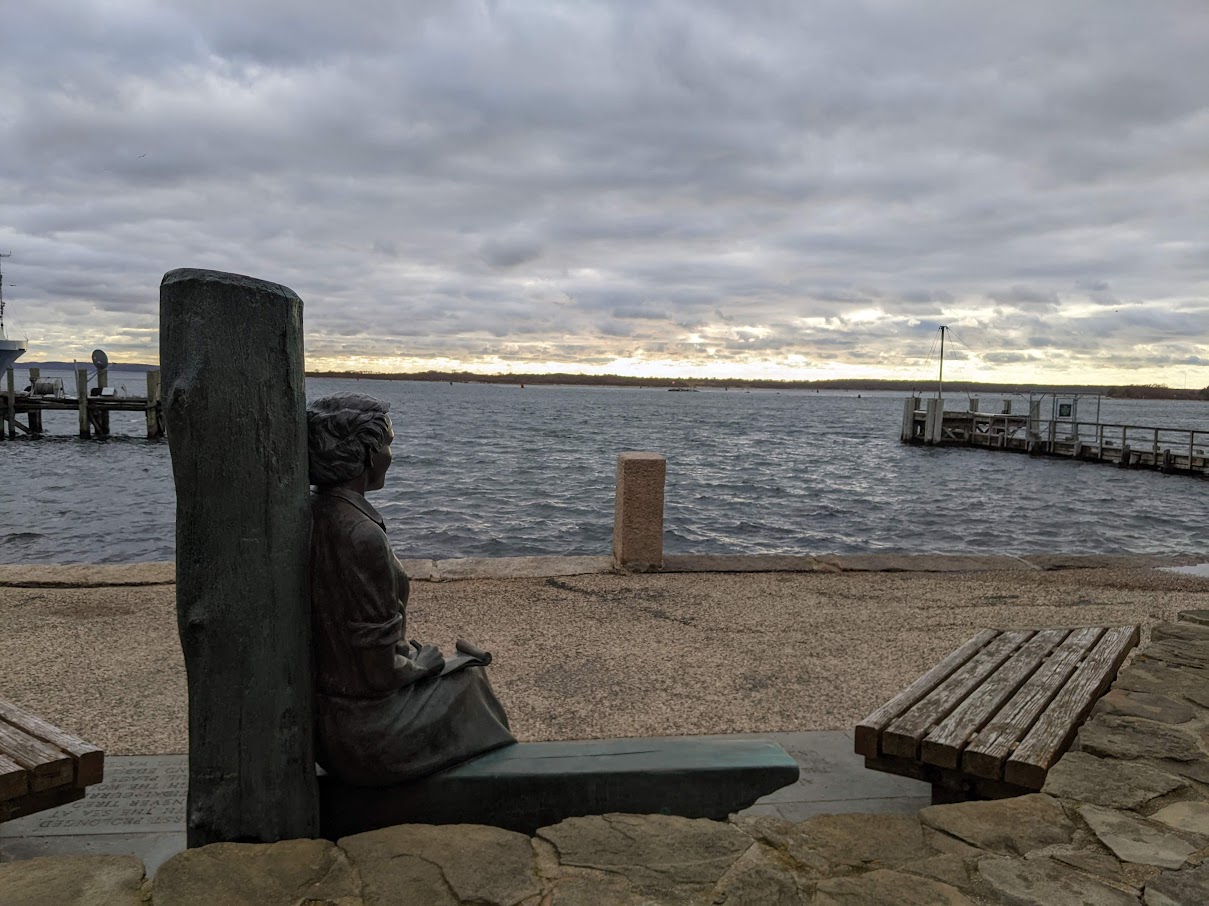
Rachel Carson Statue in Woods Hole
2022
Secondary source
Public Law 110-62 Naming the Rachel Carson Post Office Building
110th United States Congress · 9 August 2007
 Photograph
Primary source
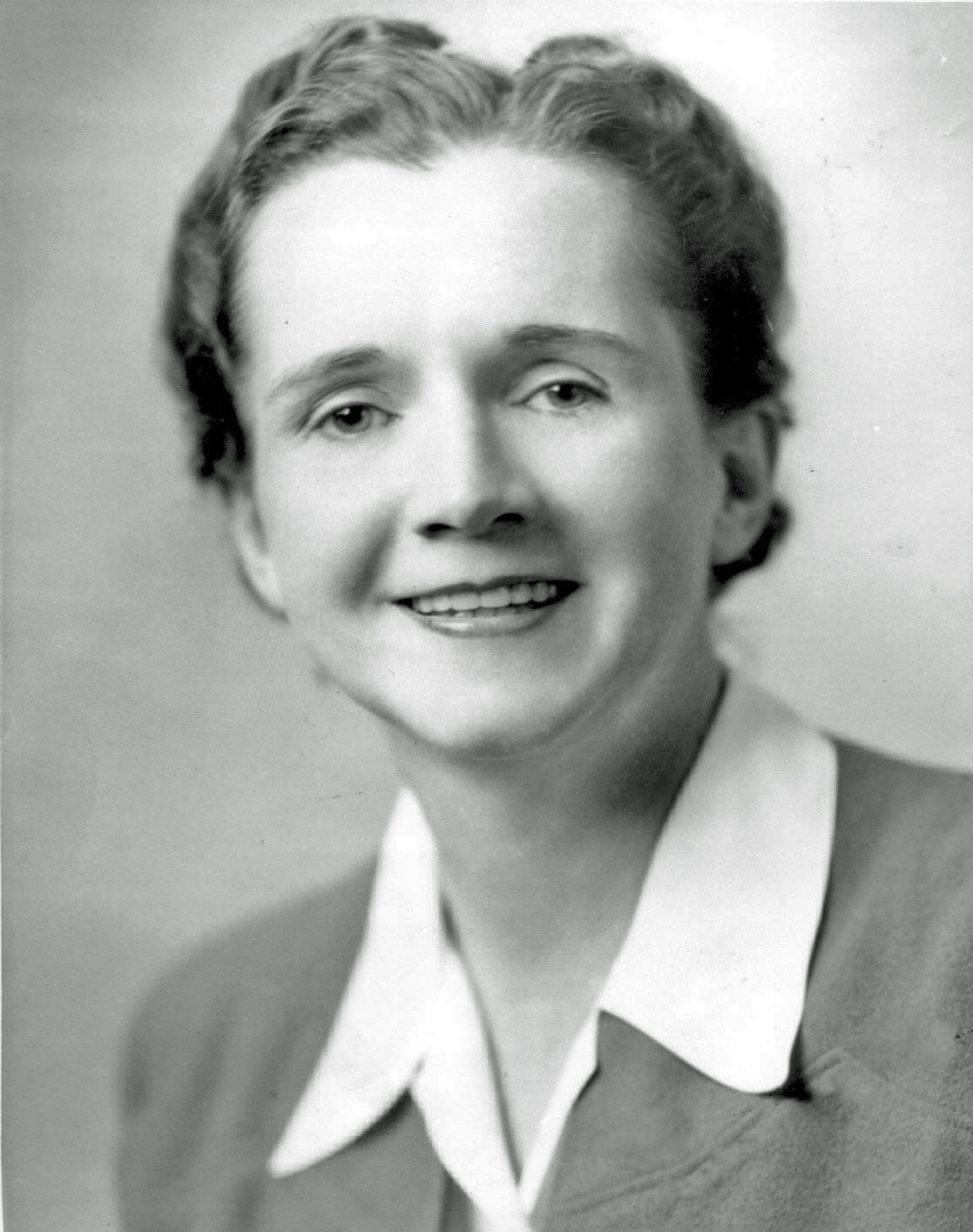
Rachel Carson, Official FWS Portrait
U.S. Fish and Wildlife Service
Ready when you are
Start chatting with Rachel Carson now.
20 messages free · No credit card · Available in 50+ languages.