


Primary sourceBookMay 1870
Soleil et chair
Arthur Rimbaud · May 1870
A long early poem by Arthur Rimbaud, written in May 1870, that praises the sun and earth in a pagan style and was sent to Théodore de Banville.
Rimbaud wrote this long early poem himself and sent it to Théodore de Banville, showing his early ambitions as a poet.
Free Humy account · No credit card · 120,912 sources to read
About this source
What it is
Soleil et chair is a long poem by Arthur Rimbaud, written in May 1870 and first titled Credo in Unam. It is written in 12-syllable lines in four sections and praises the sun and the earth. It calls on pagan gods such as Venus, Cybele, Eros and Pan and laments the loss of their world. The poem has strong sexual imagery, and it was sent to the older poet Théodore de Banville, who did not notice it much.
Why it matters
The poem shows how the young Rimbaud learned from Latin writers such as Horace, Virgil and Lucretius and from the Romantic poets such as Victor Hugo. Its contrast between Christian monotheism and the diversity of ancient polytheism shows his early ideas about religion and nature. It was written when he was about fifteen, and it reveals how he tried to win recognition in the poetry world of his time.
Look closer
- How does the poem use the sun and the earth to describe love, and what does it show about the poet's view of the body?
- Why might the poet repeat the phrase about missing the time of the old gods?
- Which older poets and traditions does the poem draw on, and which parts are most clearly Rimbaud's own?
This book is part of the curated material that grounds the AI version of Arthur Rimbaud on Humy.ai — when students ask about related events, the AI can quote it and cite it.
More Arthur Rimbaud sources
Browse all 97 →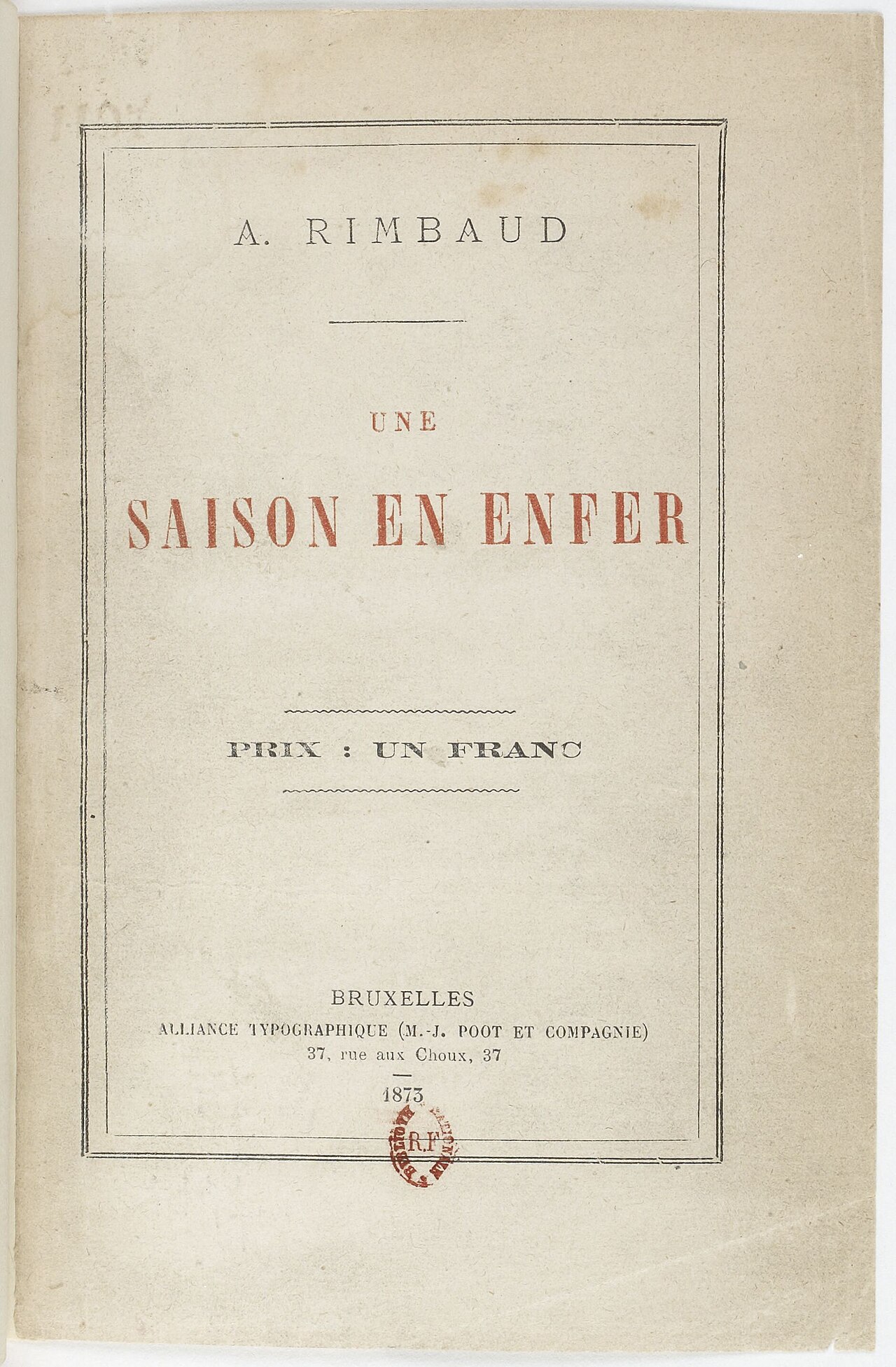 Book
Primary source
A Season in Hell
Arthur Rimbaud · 1873
 Book
Primary source
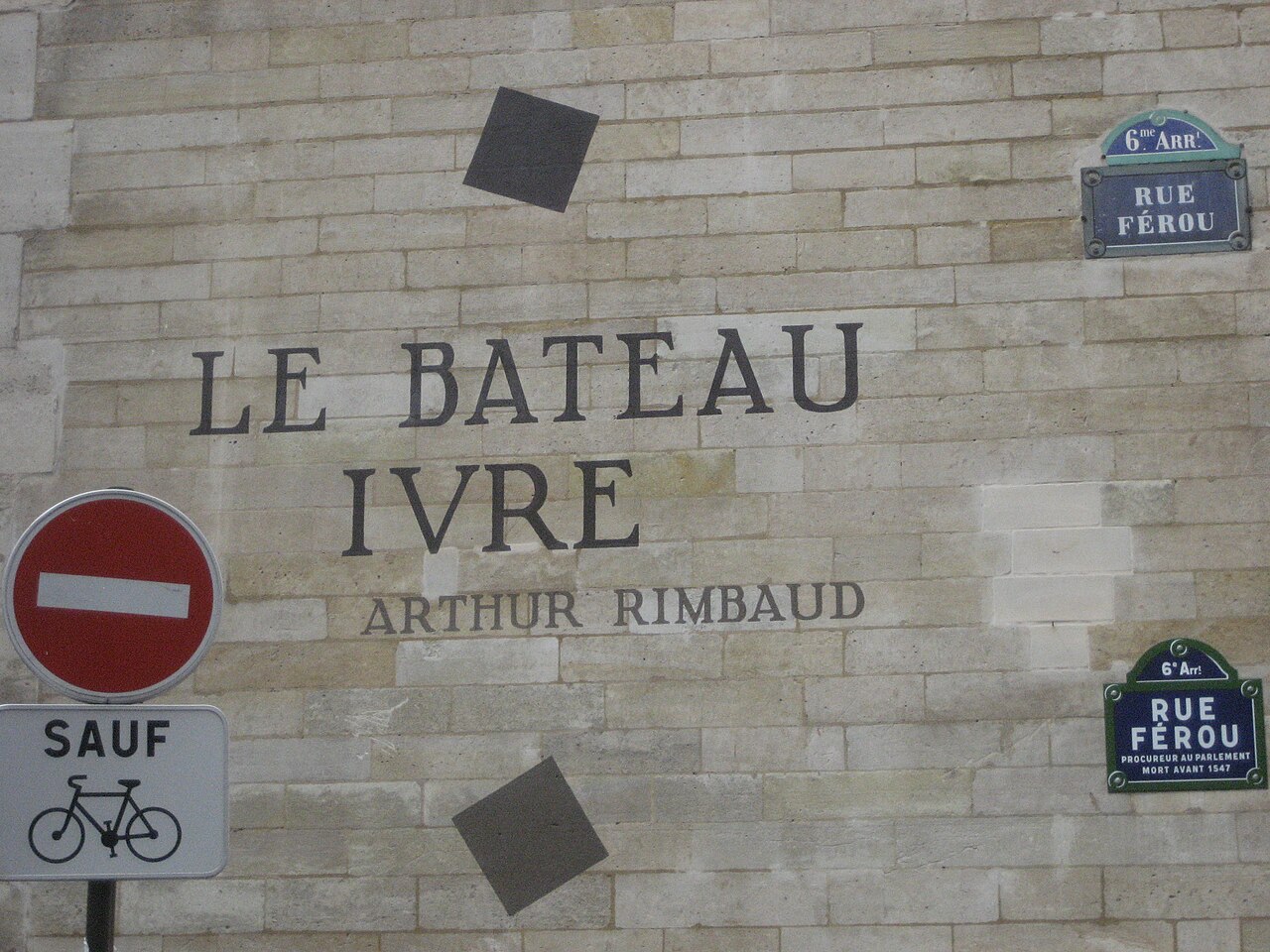
Le Bateau ivre
Arthur Rimbaud · 1871
Primary source
Illuminations
Arthur Rimbaud · 1873-1875
 Book
Primary source
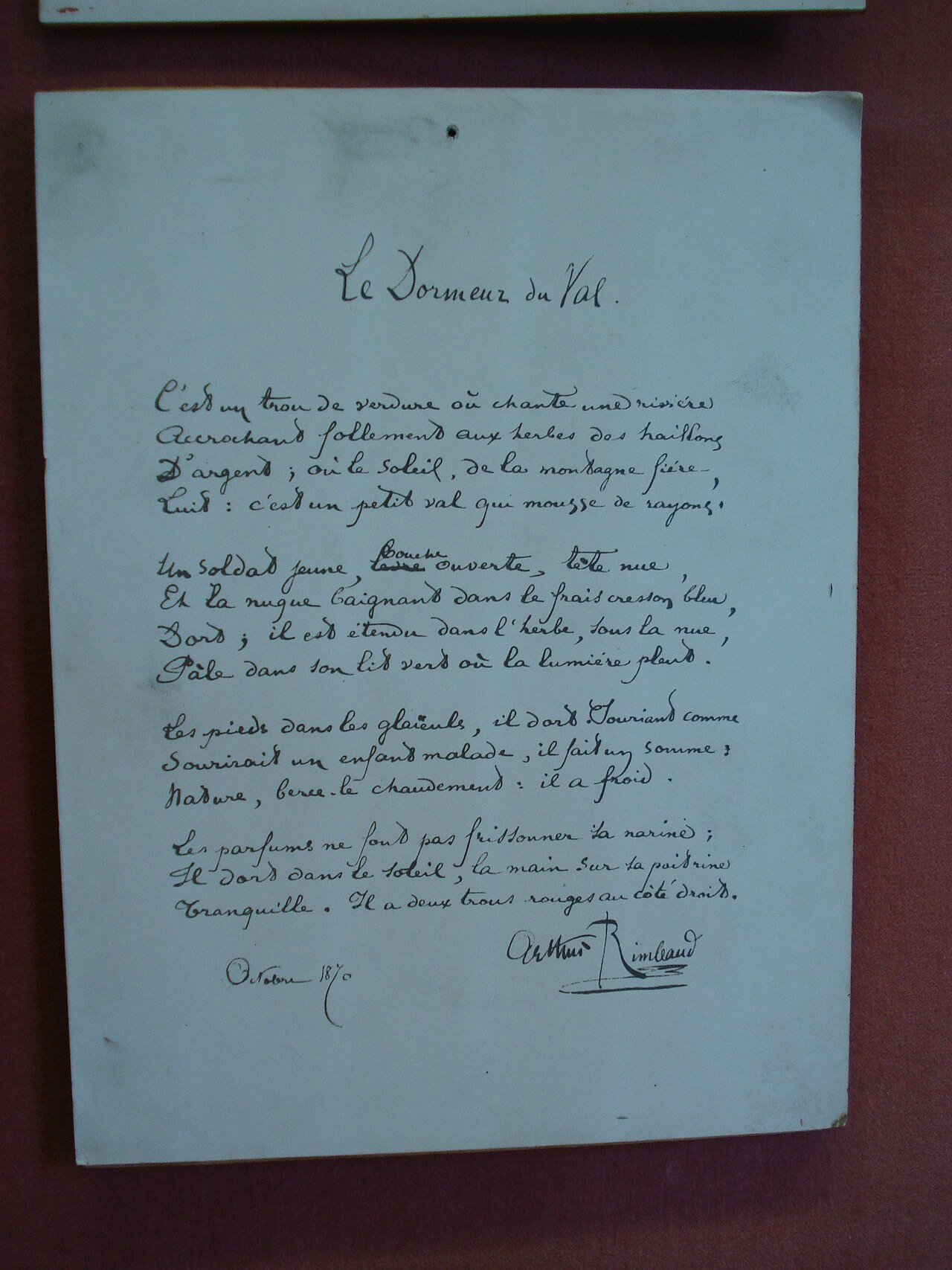
Le Dormeur du val
Arthur Rimbaud · October 1870
Free account
Read every Arthur Rimbaud source
Sign up free →
Ready when you are
Start chatting with Arthur Rimbaud now.
20 messages free · No credit card · Available in 50+ languages.