


Secondary sourcePhotograph2013-05-05
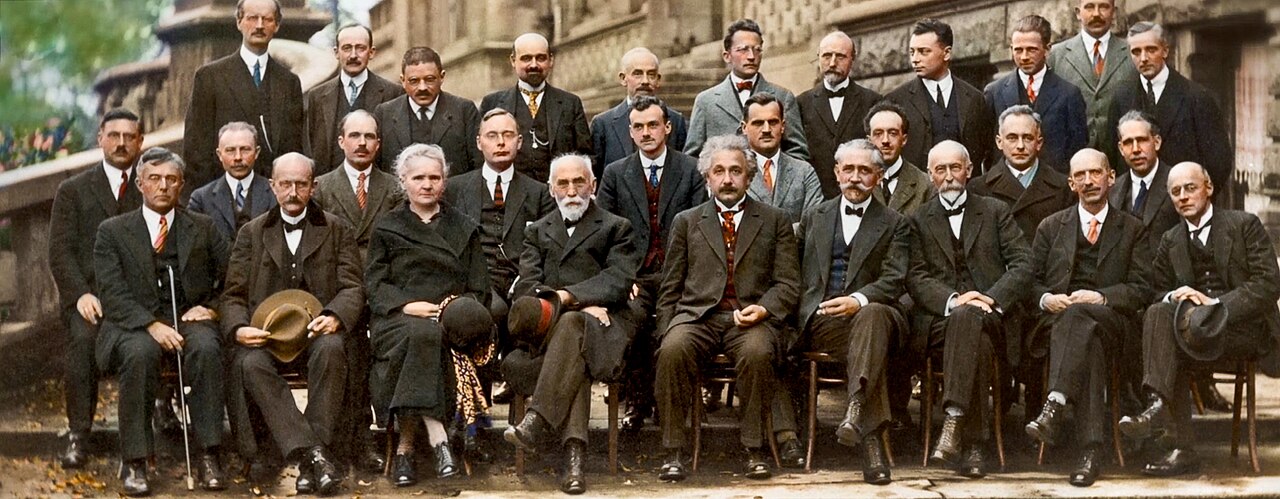
Solvay Conference 1927 Participants, Colorized Version
Sanna Dullaway (colorization) · 2013-05-05
A modern colorized version of the famous 1927 Solvay Conference group photograph, which included Louis de Broglie among the physicists present.
De Broglie attended the 1927 Solvay Conference, shown in this image, a landmark meeting of quantum physicists.
About this source
What it is
A colorized version, made by Sanna Dullaway in 2013, of the original group photograph taken at the 1927 Solvay Conference. The photo shows about 29 men and two women in formal dress arranged on an outdoor stone staircase.
Why it matters
The 1927 Solvay Conference brought together many of the leading physicists of the time to discuss the new quantum theory, and Louis de Broglie was among those present. This gathering is considered one of the most significant meetings in the history of physics. Note that this version is a modern recoloring, not the original black-and-white photograph.
Look closer
- Why might someone choose to colorize a historic black-and-white photograph?
- What does the formal arrangement and dress of the group suggest about the event's importance?
- What might be lost or changed when a photograph is colorized long after it was taken?
This photograph is part of the curated material that grounds the AI version of Louis de Broglie on Humy.ai — when students ask about related events, the AI can quote it and cite it.
More Louis de Broglie sources
Meet the AI Louis de Broglie →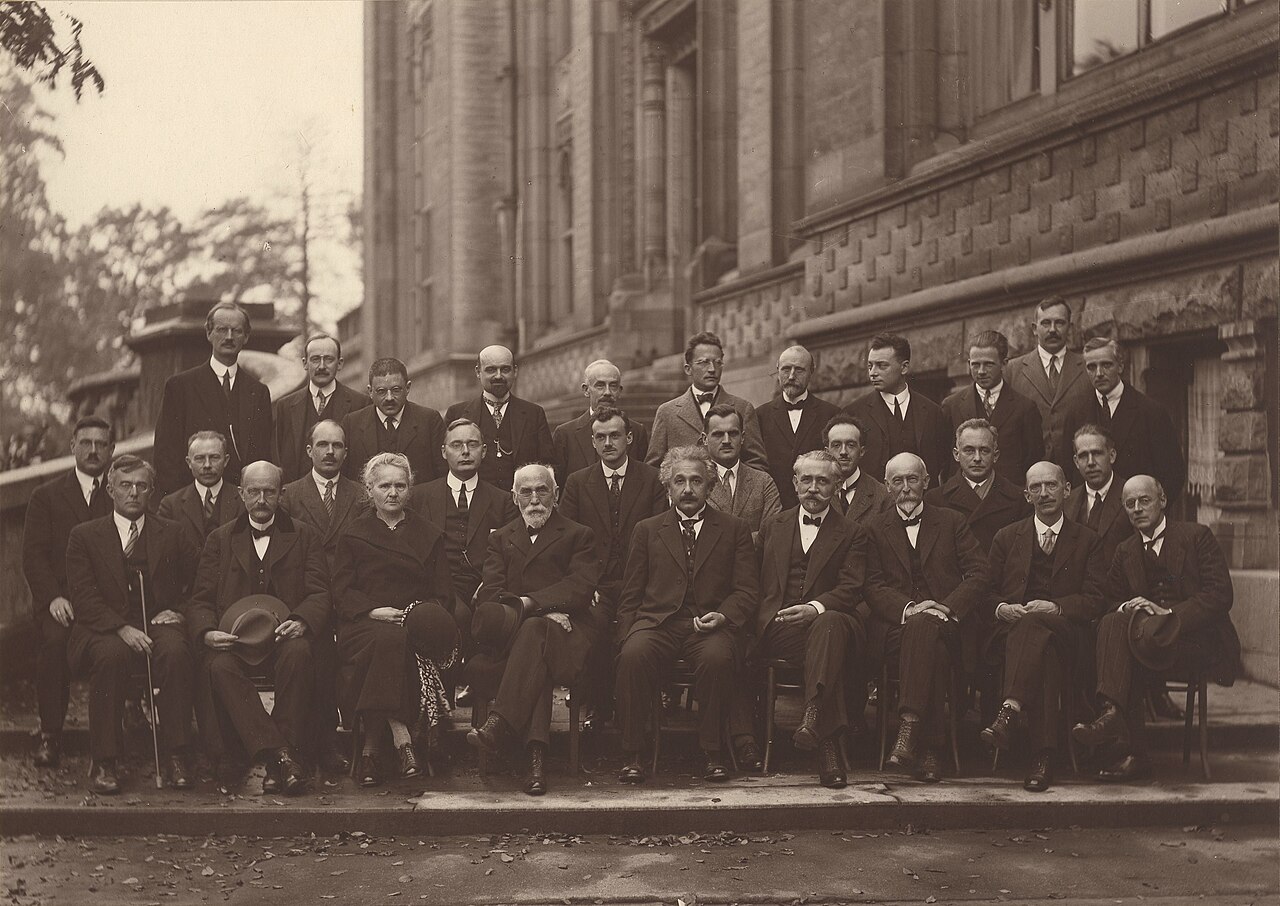 Photograph
Primary source
1927 Solvay Conference Photograph
Benjamin Couprie · 1927
 Photograph
Primary source
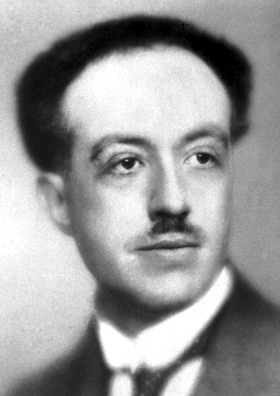
Louis de Broglie Nobel Portrait
Nobel Foundation · c. 1929
 Book
Primary source
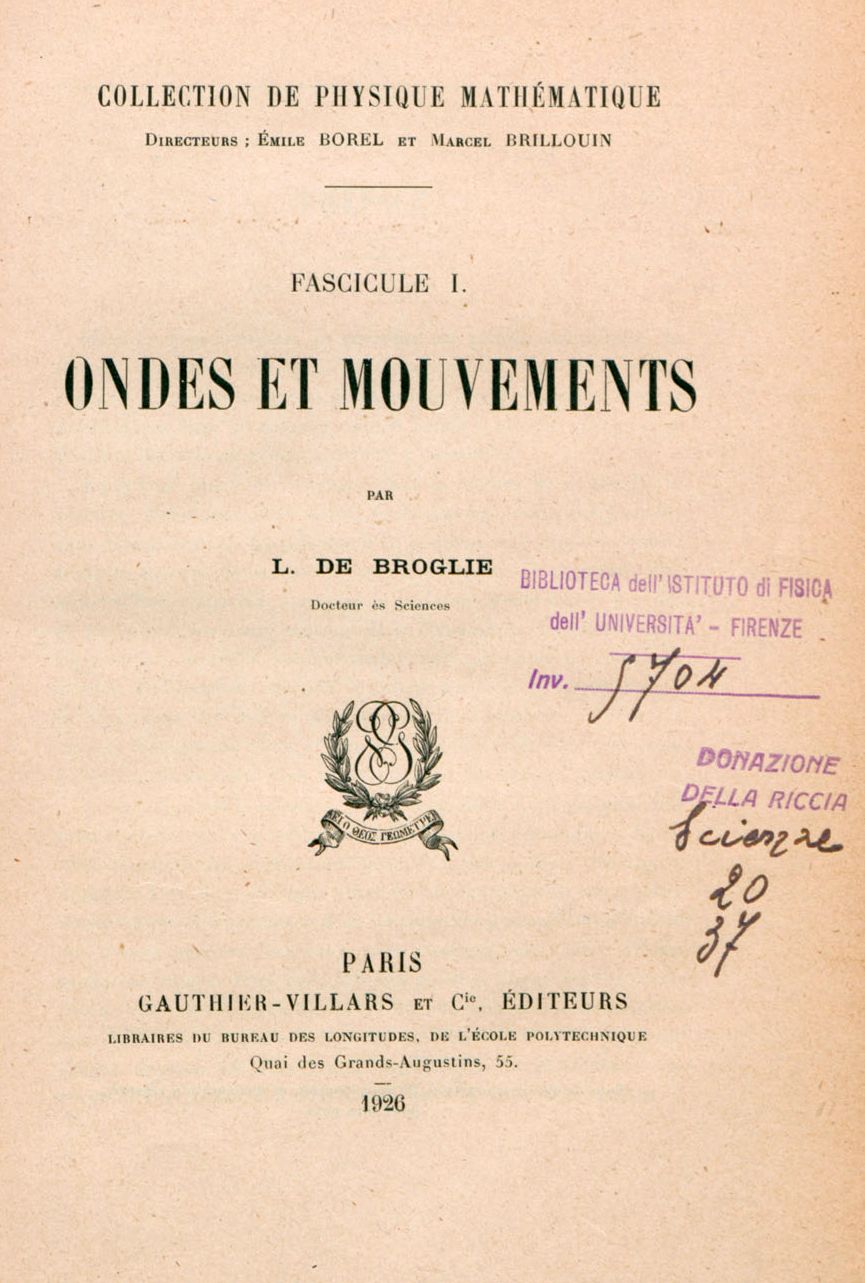
Ondes et mouvements
Louis de Broglie · 1926
 Photograph
Primary source
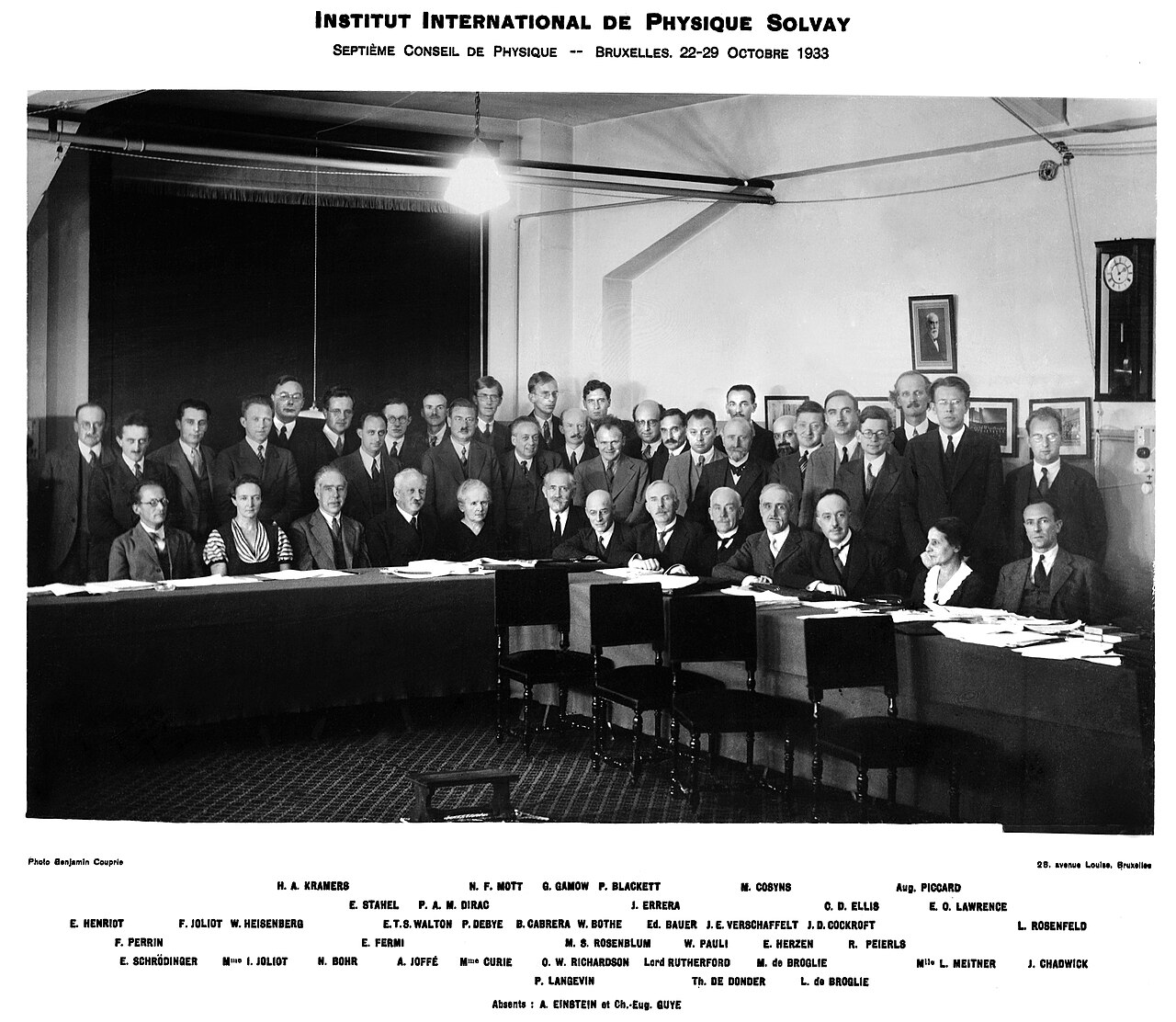
Photograph of the 1933 Solvay Conference
Benjamin Couprie · October 1933
 Photograph
Primary source
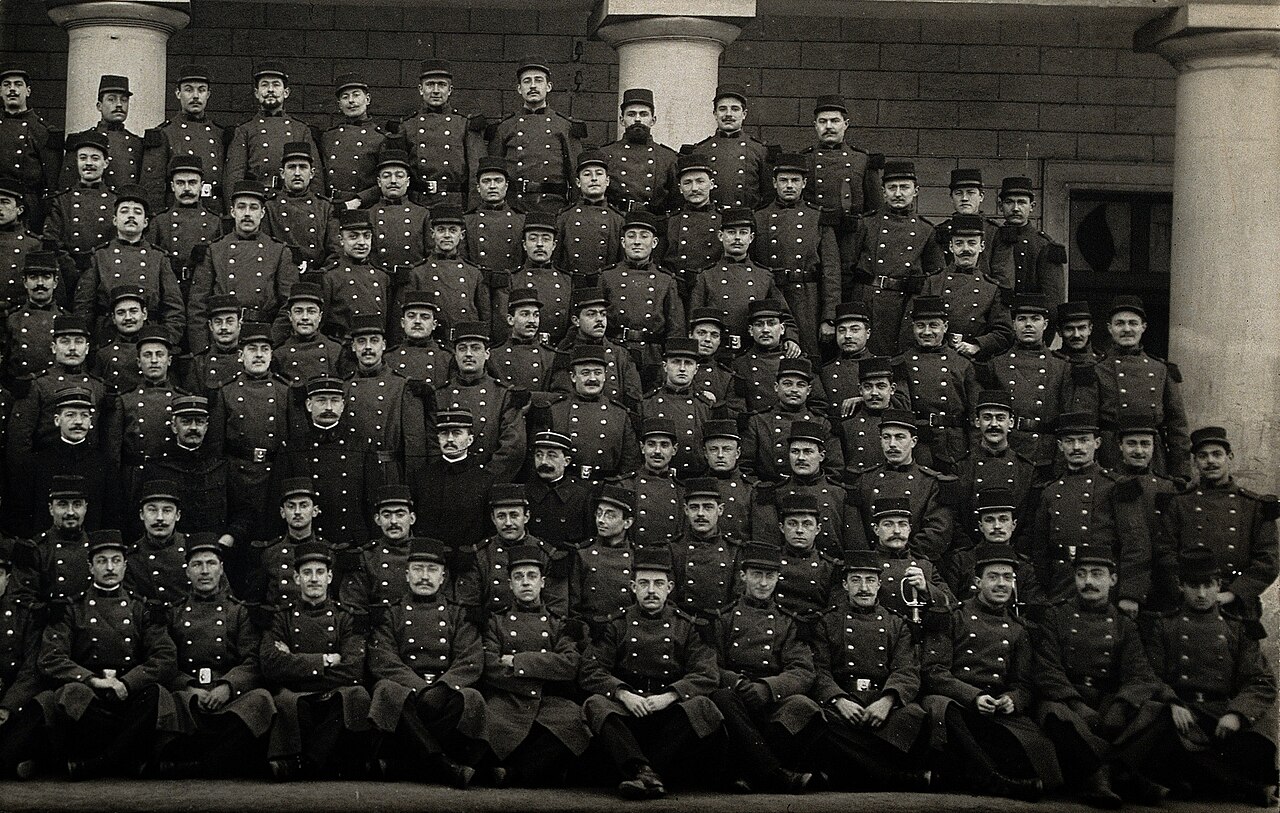
French Soldiers Including Louis de Broglie
1914
Ready when you are
Start chatting with Louis de Broglie now.
20 messages free · No credit card · Available in 50+ languages.