


Primary sourcePainting
Sophie Victoire Delaborde
George Sand
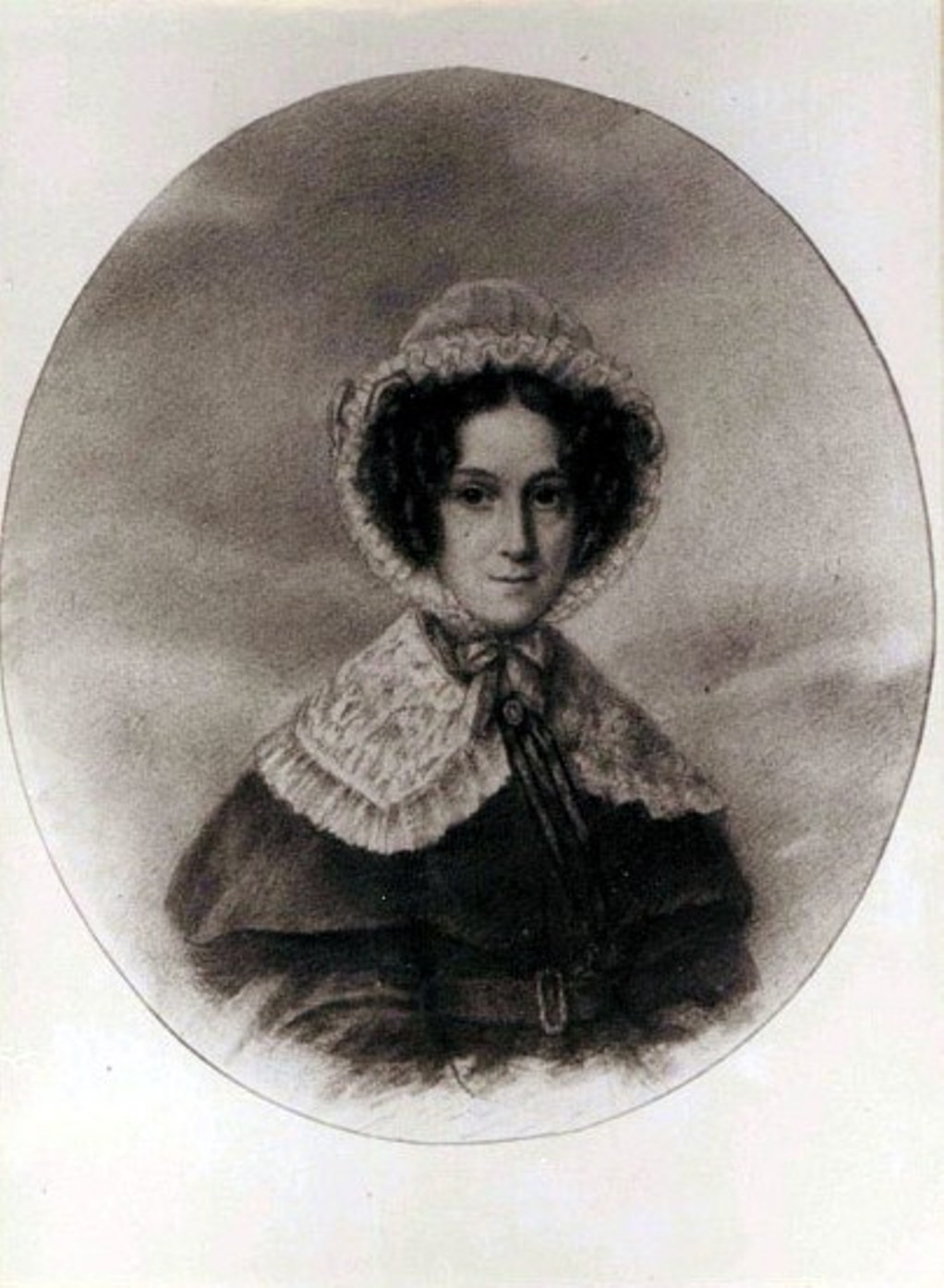
An oval sepia portrait of Sophie Victoire Delaborde, Sand's mother, drawn by Sand herself. It shows a working-class woman in a lace bonnet and dark dress.
Sand made this portrait of her mother, whose origins and rivalry with her grandmother shaped Sand's childhood.
About this source
What it is
This sepia-toned oval portrait shows Sophie Victoire Delaborde, who lived from 1773 to 1837. It was made by George Sand, who was her daughter. The woman has dark curled hair under a lace-trimmed bonnet and wears a dark dress with a lace collar, a ribbon at the neckline and a buckled belt. The background is cloudy. The image is a portrait made by hand, so it is a drawing or painting rather than a photograph. The facts do not give a date or current location.
Why it matters
Sand's mother came from a working-class background, and her relationship with Sand's grandmother shaped Sand's childhood. A portrait by the daughter is a personal record of a family that was divided by social class. It shows how a novelist saw her own mother, rather than how a public figure was presented.
Look closer
- What details of clothing and setting does the portrait include, and what might they say about the sitter's life?
- Why might a daughter choose to draw her mother in this way?
- What might a portrait like this not show about the relationship between mother and daughter?
This painting is part of the curated material that grounds the AI version of George Sand on Humy.ai — when students ask about related events, the AI can quote it and cite it.
More George Sand sources
Browse all 92 →Primary source
Indiana
George Sand · 1832
Primary source
Histoire de ma vie
George Sand · 1854-1855
 Book
Primary source
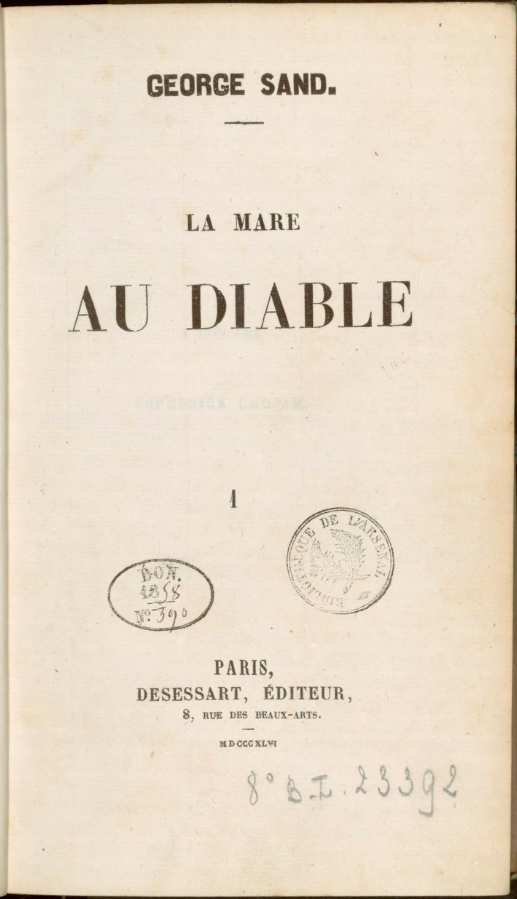
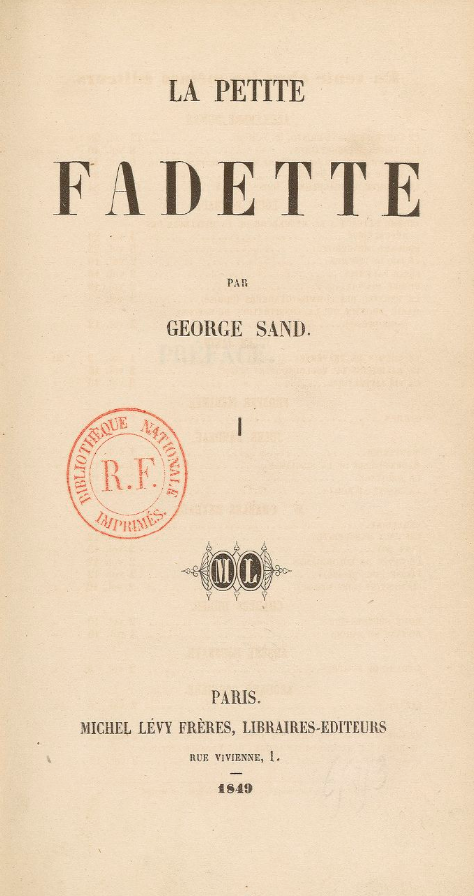
La Mare au diable
George Sand · 1846
 Painting
Primary source
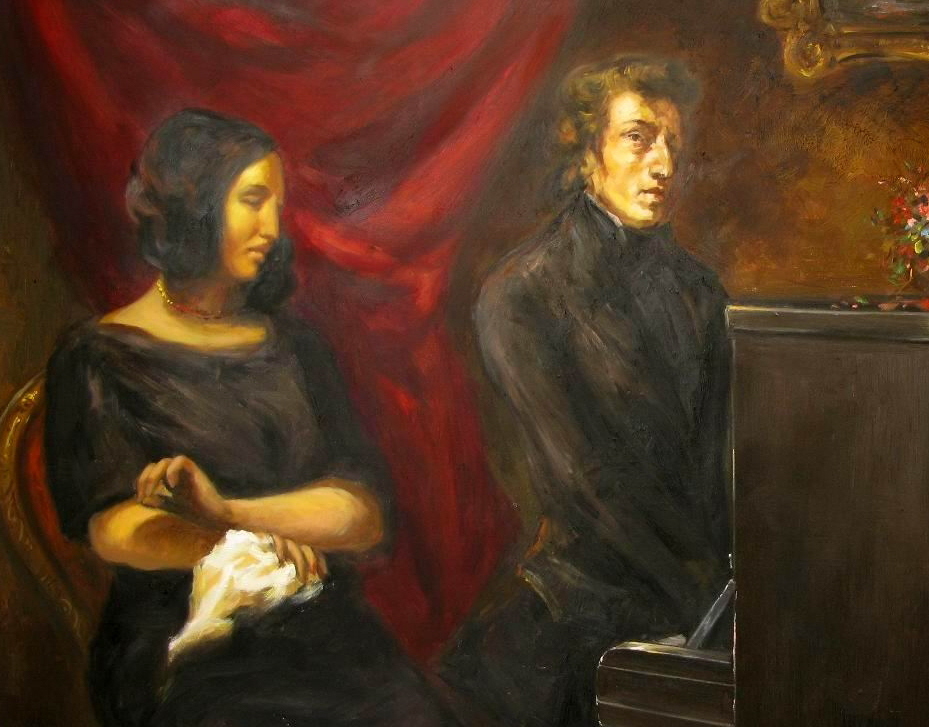
Portrait of Frédéric Chopin and George Sand
Eugène Delacroix · 1837-1838
Free account
Read every George Sand source
Sign up free →
Ready when you are
Start chatting with George Sand now.
20 messages free · No credit card · Available in 50+ languages.