


Primary sourceBook1919
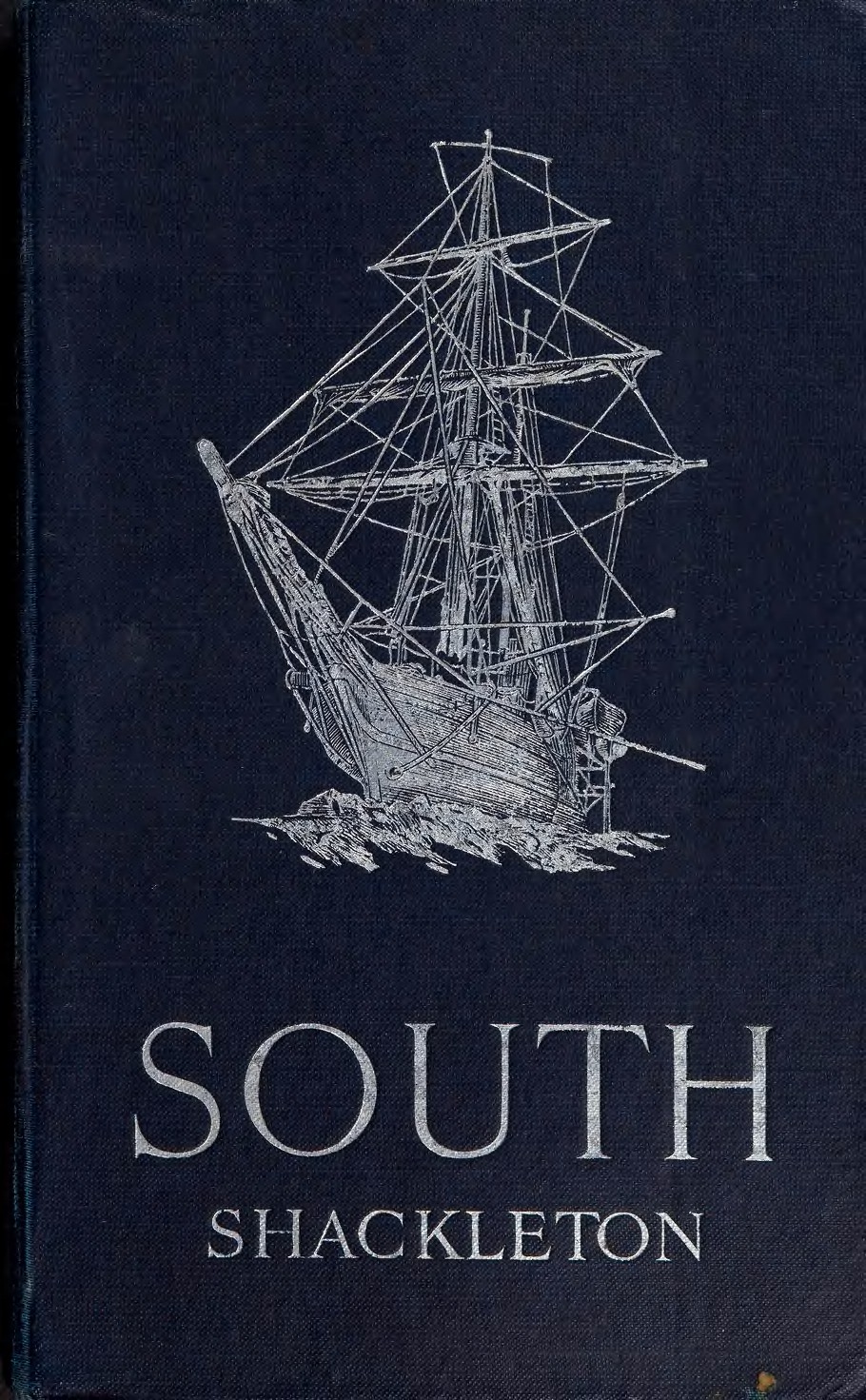
South
Ernest Shackleton · 1919
Shackleton's own 1919 account of the Imperial Trans-Antarctic Expedition, describing the loss of the Endurance and the boat journey to South Georgia.
Shackleton's own narrative of his expedition, written and dictated by him, is the central primary source for his leadership and survival story.
About this source
What it is
South is a book written by Ernest Shackleton, published in London in 1919. It tells the story of the Imperial Trans-Antarctic Expedition of 1914–1917, including the crushing of the ship Endurance, the drift on the ice, the open-boat journey, and the crossing of South Georgia. Shackleton worked with journalist Edward Saunders and expedition member Leonard Hussey to prepare the text.
Why it matters
The book shaped how Shackleton's leadership during the expedition's disasters has been remembered ever since. It also honours the men who served with him, some of whom died in the expedition or in the First World War, and includes scientific reports and diary extracts from other crew members such as Ernest Joyce and Joseph Stenhouse.
Look closer
- Why might Shackleton have wanted help writing his own story?
- What does the dedication to comrades who died suggest about how he wanted the expedition remembered?
- What parts of the story come from other people's diaries and logs rather than Shackleton himself?
This book is part of the curated material that grounds the AI version of Ernest Shackleton on Humy.ai — when students ask about related events, the AI can quote it and cite it.
More Ernest Shackleton sources
Meet the AI Ernest Shackleton →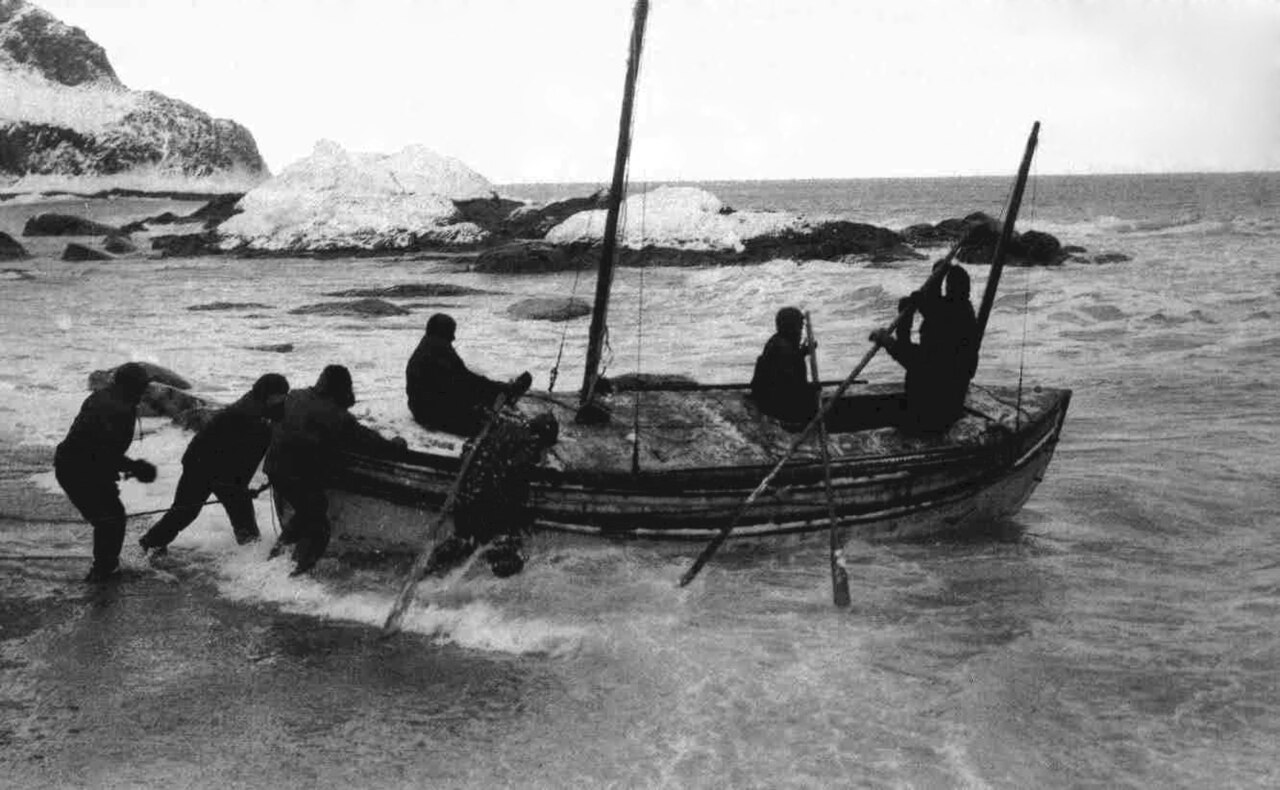 Artifact
Primary source
James Caird
1914–1916
 Photograph
Primary source
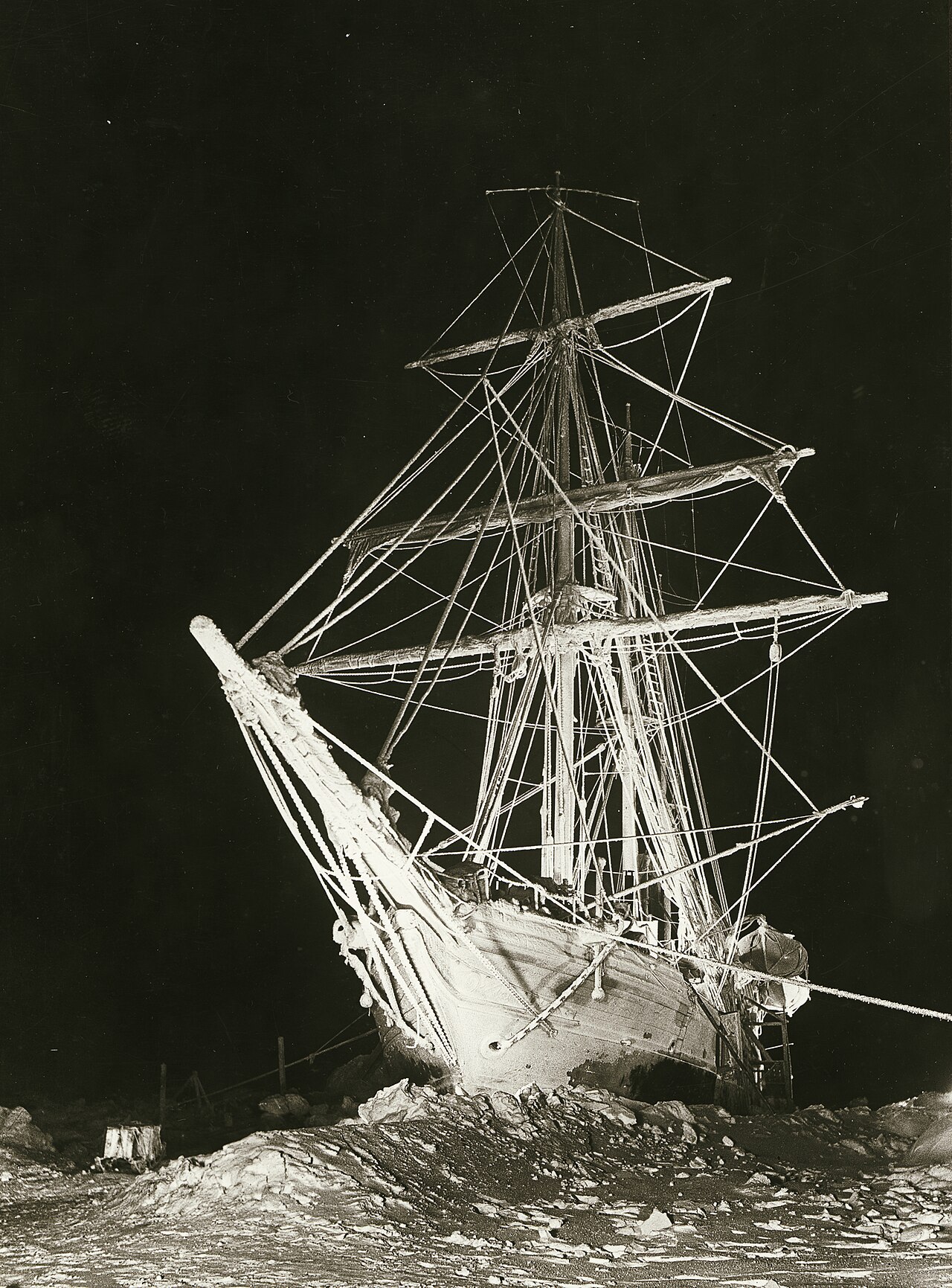
Shackleton's Ship Endurance Illuminated, Weddell Sea, Antarctica, 1915
Frank Hurley · 1915
Primary source
My South Polar Expedition
Ernest Shackleton · 30 March 1910 (recorded); July 1910 (released)
Primary source
The Heart of the Antarctic
Ernest Shackleton · 1909
 Photograph
Primary source
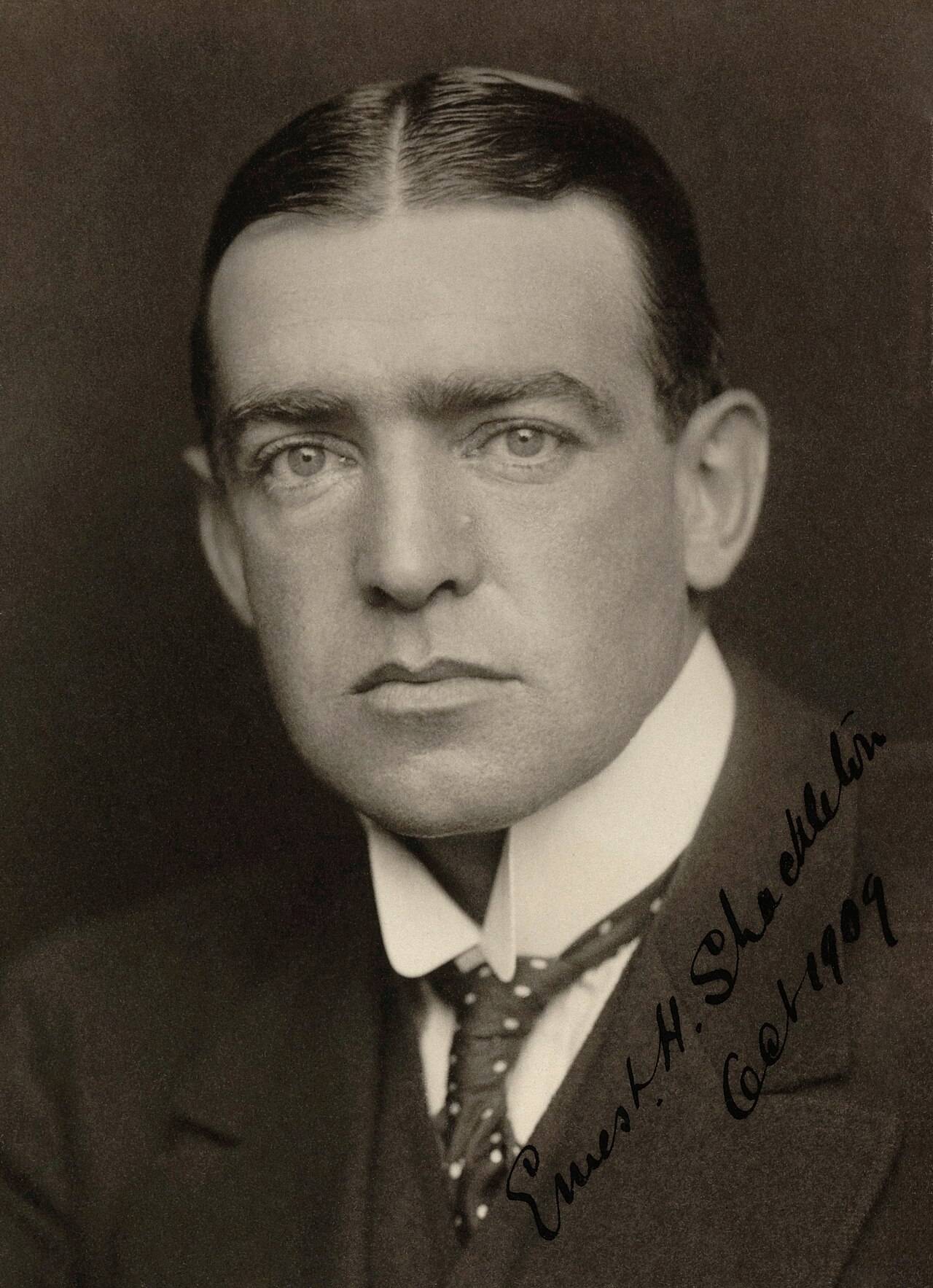
Ernest Shackleton Studio Portrait
George Charles Beresford · 1909
Ready when you are
Start chatting with Ernest Shackleton now.
20 messages free · No credit card · Available in 50+ languages.