


Primary sourceBook
Souvenirs d'un gentilhomme italien
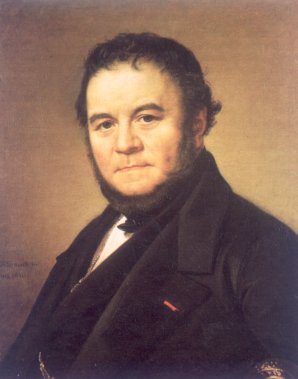
Stendhal
A short prose work by Stendhal set in Italy, in which a narrator born in Rome recalls being raised by an uncle who hoped to make him a devoted supporter of the priests.
Stendhal wrote this Italian-set tale himself, so it shows his own fiction and his interest in Italy, religion and belief.
Free Humy account · No credit card · 120,912 sources to read
About this source
What it is
This is the opening of Souvenirs d'un gentilhomme italien, a short fictional work in French by Stendhal. The narrator says he was born in Rome to a family of honorable rank, lost his father at the age of three, and was raised by an uncle who had no children and wanted him to become a devoted supporter of the priests. The opening also describes a rumour that wooden statues of Christ and the Virgin had opened their eyes, spread while French armies threatened to invade the Papal States. The text is listed on French Wikisource, a volunteer-made transcription of Stendhal's collected fiction, so the words are a modern reading of the printed work and not a manuscript. The facts do not give a publication date.
Why it matters
Stendhal wrote about Italy in several tales, and this one shows his interest in how religion, rumour and politics shaped ordinary people's beliefs. The narrator calls the miracle story a 'pious lie' that the crowd readily accepted. The text connects the church, the uncle who expects to use his position as guardian, and the wider upheaval caused by the French armies. It shows how a French writer used a narrator looking back on Italian life to examine power and belief with some irony.
Look closer
- What does the uncle's plan for his nephew suggest about the links between family, guardianship and the Church?
- Who is telling this story, and how might a memory told by an adult change what we believe happened?
- What does the passage leave out about the ordinary people who believed the rumour?
This book is part of the curated material that grounds the AI version of Stendhal on Humy.ai — when students ask about related events, the AI can quote it and cite it.
More Stendhal sources
Browse all 95 →
Ready when you are
Start chatting with Stendhal now.
20 messages free · No credit card · Available in 50+ languages.