


Primary sourceDocument5 October 1939
Soviet–Latvian Mutual Assistance Treaty
5 October 1939
The 1939 treaty signed in Moscow that let Soviet military bases into Latvia, accepted by Ulmanis's government under pressure.
Signed by Ulmanis's government under Soviet pressure, this treaty led toward the end of his rule and Latvia's independence.
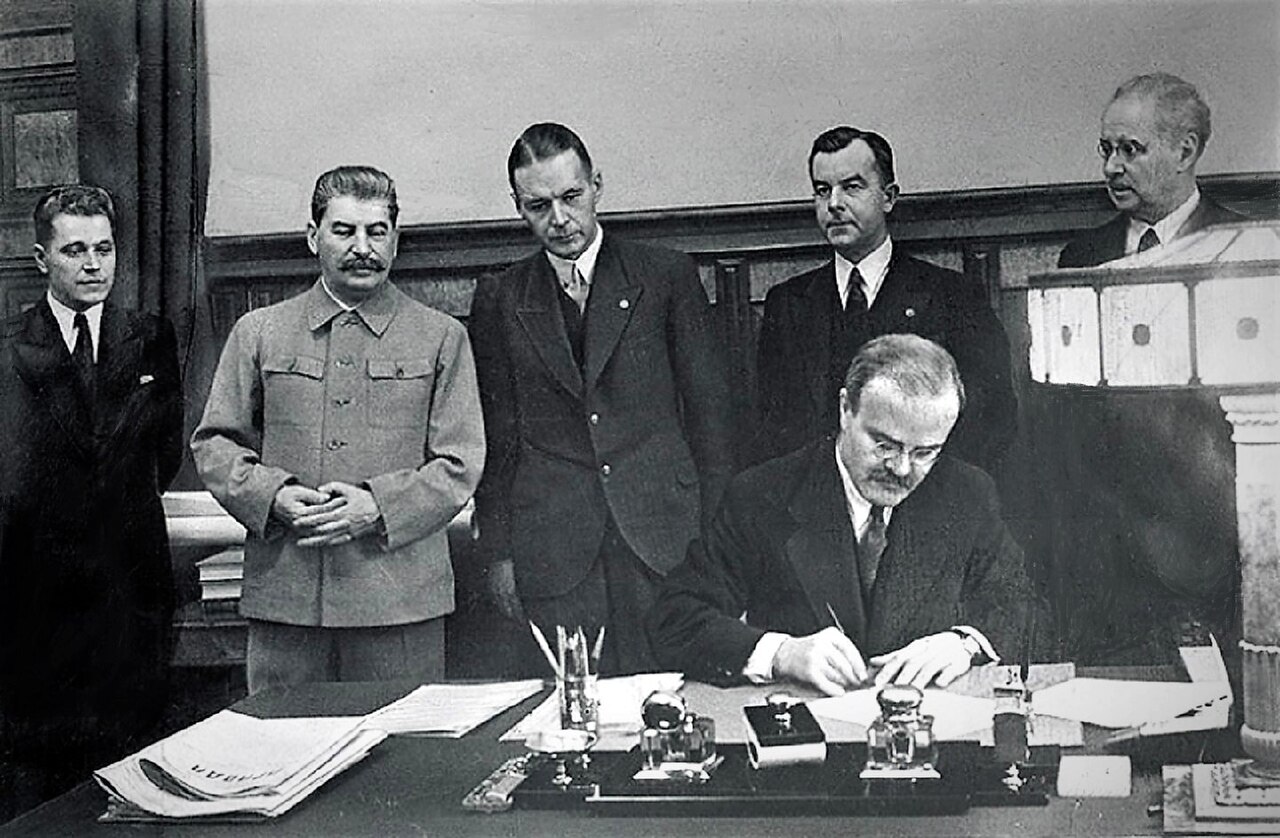
About this source
What it is
A bilateral treaty signed in Moscow on 5 October 1939 between the Soviet Union and Latvia, signed by Latvian Foreign Minister Vilhelms Munters and Soviet Commissar Vyacheslav Molotov. It is held in Moscow and was registered with the League of Nations.
Why it matters
Although the treaty promised to respect Latvia's sovereignty, it allowed the Soviet Union to place military bases on Latvian soil. It was signed under pressure following the Molotov–Ribbentrop Pact and similar treaties forced on Estonia and Finland. Ulmanis's government accepted it, and it became a key step toward the Soviet occupation of Latvia in 1940, during which Ulmanis's rule ended.
Look closer
- Why might a government sign a treaty it knew limited its own independence?
- What does the gap between the treaty's words (respecting sovereignty) and its real effects teach us about treaties made under pressure?
- Who is shown signing in the photograph, and who is absent from the image?
This document is part of the curated material that grounds the AI version of Kārlis Ulmanis on Humy.ai — when students ask about related events, the AI can quote it and cite it.
More Kārlis Ulmanis sources
Browse all 51 →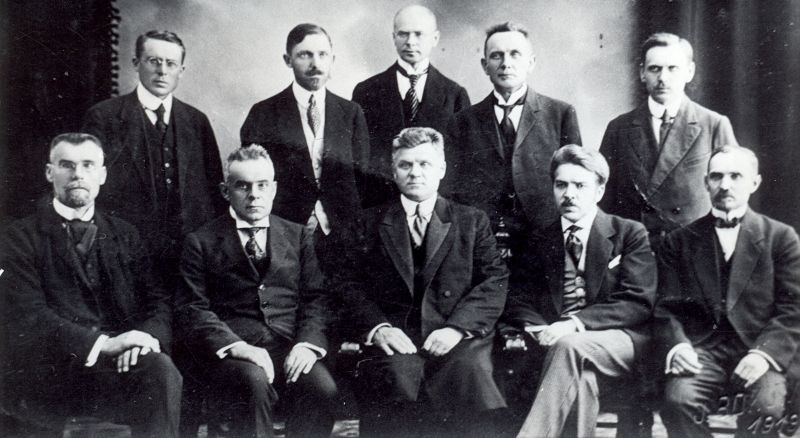 Photograph
Primary source
Provisional Government of Latvia, Liepāja 1919
April 1919
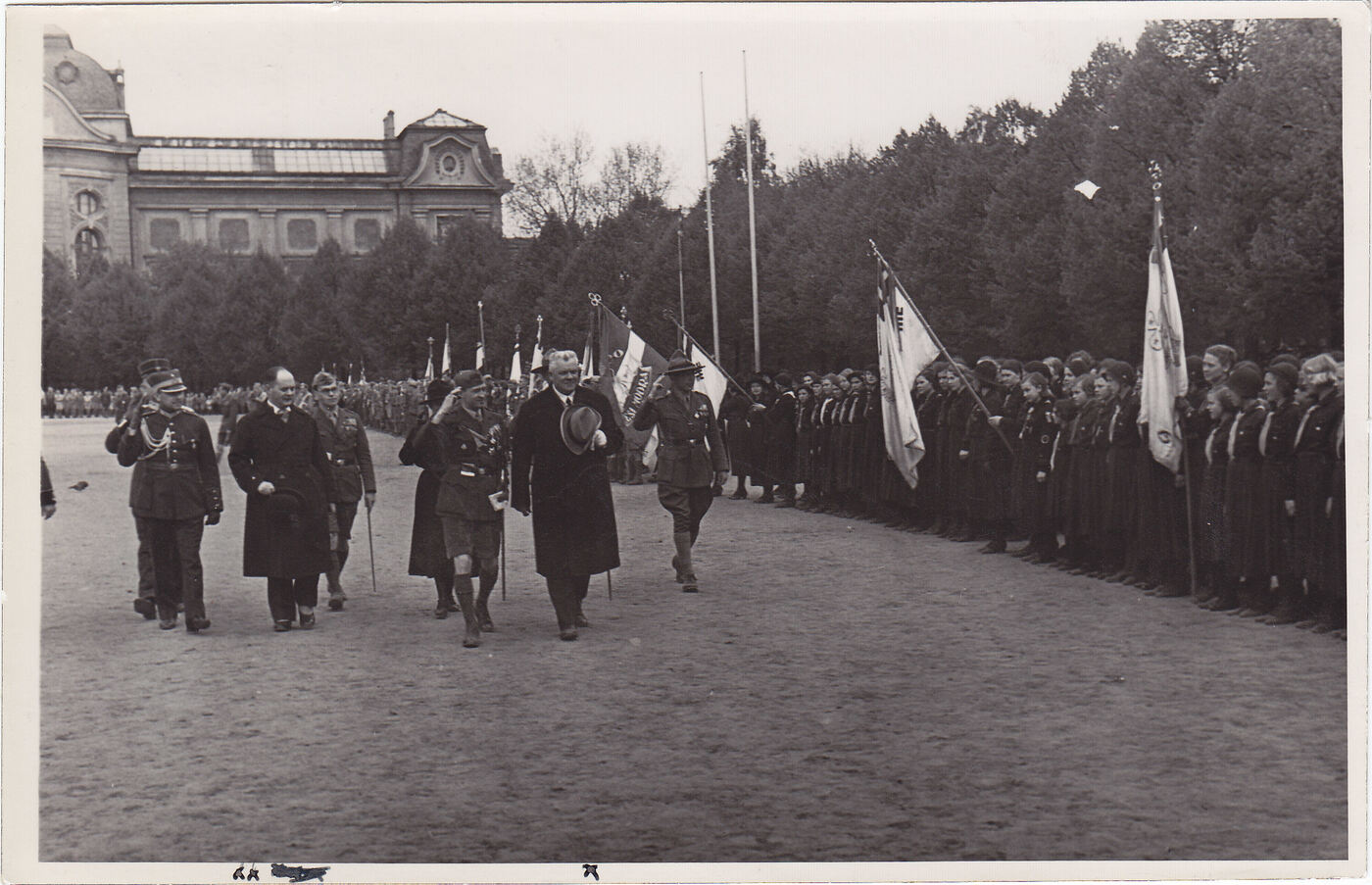 Photograph
Primary source
Ulmanis as Scout Chief at Riga Spring Festival
1938
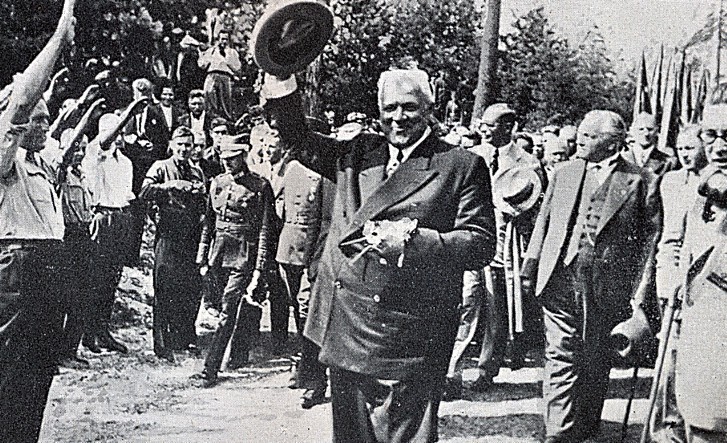 Photograph
Primary source
President Kārlis Ulmanis Visiting His Supporters
1934
 Photograph
Primary source
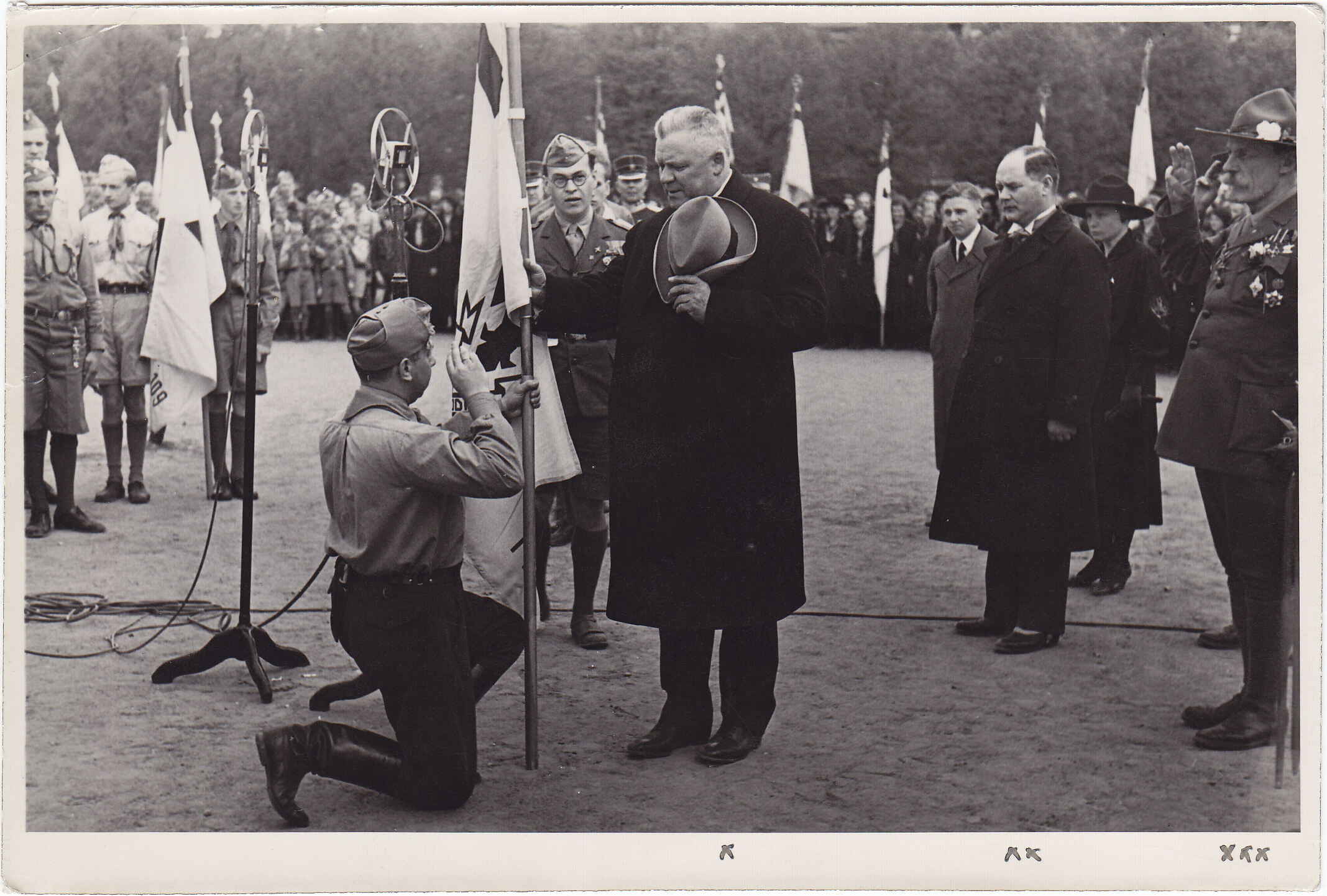
Ulmanis Presenting a Flag at the Riga Scout Festival
1938
Free account
Read every Kārlis Ulmanis source
Sign up free →
Ready when you are
Start chatting with Kārlis Ulmanis now.
20 messages free · No credit card · Available in 50+ languages.