


Secondary sourceArtifact1876
Spectrum Observation Disks
1876
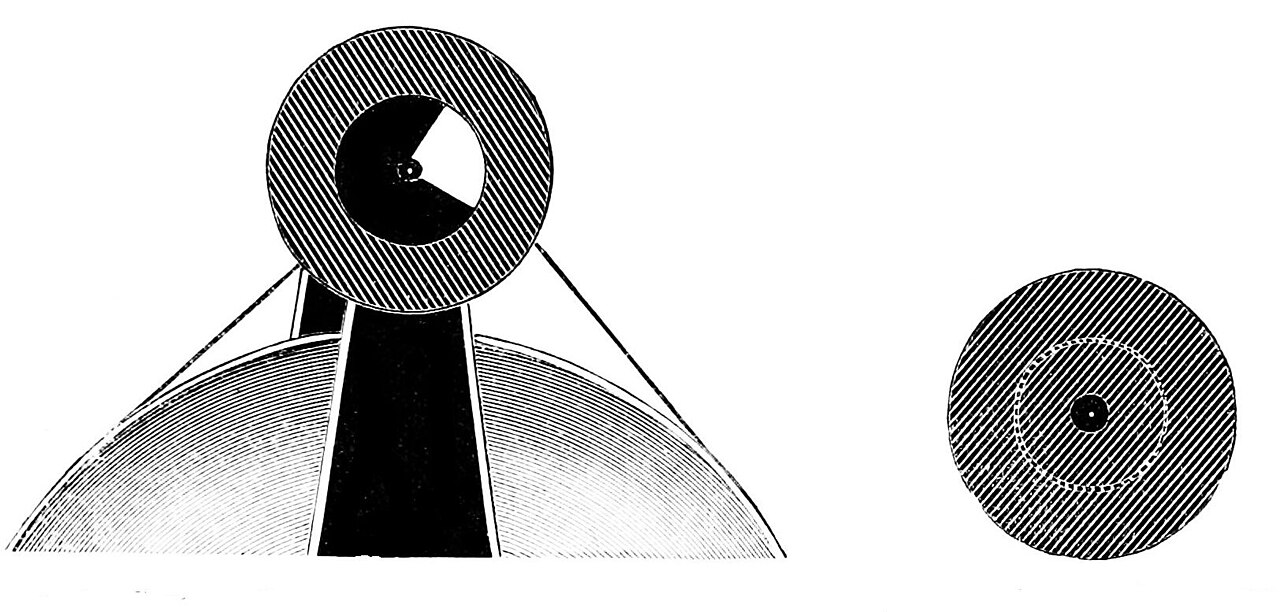
An engraved illustration of spectroscopy apparatus from a nineteenth-century scientific encyclopedia, from the era when Kirchhoff worked on spectral analysis.
This illustration reflects the spectroscopy apparatus of Kirchhoff's era but is not shown to involve him directly.
About this source
What it is
This is an engraved line drawing showing two disks used in spectrum observation apparatus. It appeared in volume 9 of a nineteenth-century scientific encyclopedia published in 1876. The maker of the drawing is unknown.
The image shows two circular disks: one larger disk with a wedge-shaped opening mounted on a dome-shaped stand, and a smaller disk with a dark central dot and a faint ring, connected by thin support rods.
Why it matters
Spectroscopy -- the study of light split into its component colours -- was a major scientific advance of the nineteenth century. Gustav Kirchhoff helped develop the methods and theory behind analysing light spectra to identify chemical elements. This illustration reflects the kind of apparatus used during that era of scientific discovery, though it is not shown to be connected to Kirchhoff directly.
Look closer
- What details in the drawing help you understand how this apparatus might have worked?
- Why might scientific encyclopedias of this time use detailed engravings instead of photographs?
- What does this illustration leave out about who actually used such apparatus and how?
This artifact is part of the curated material that grounds the AI version of Gustav Kirchhoff on Humy.ai — when students ask about related events, the AI can quote it and cite it.
More Gustav Kirchhoff sources
Browse all 55 →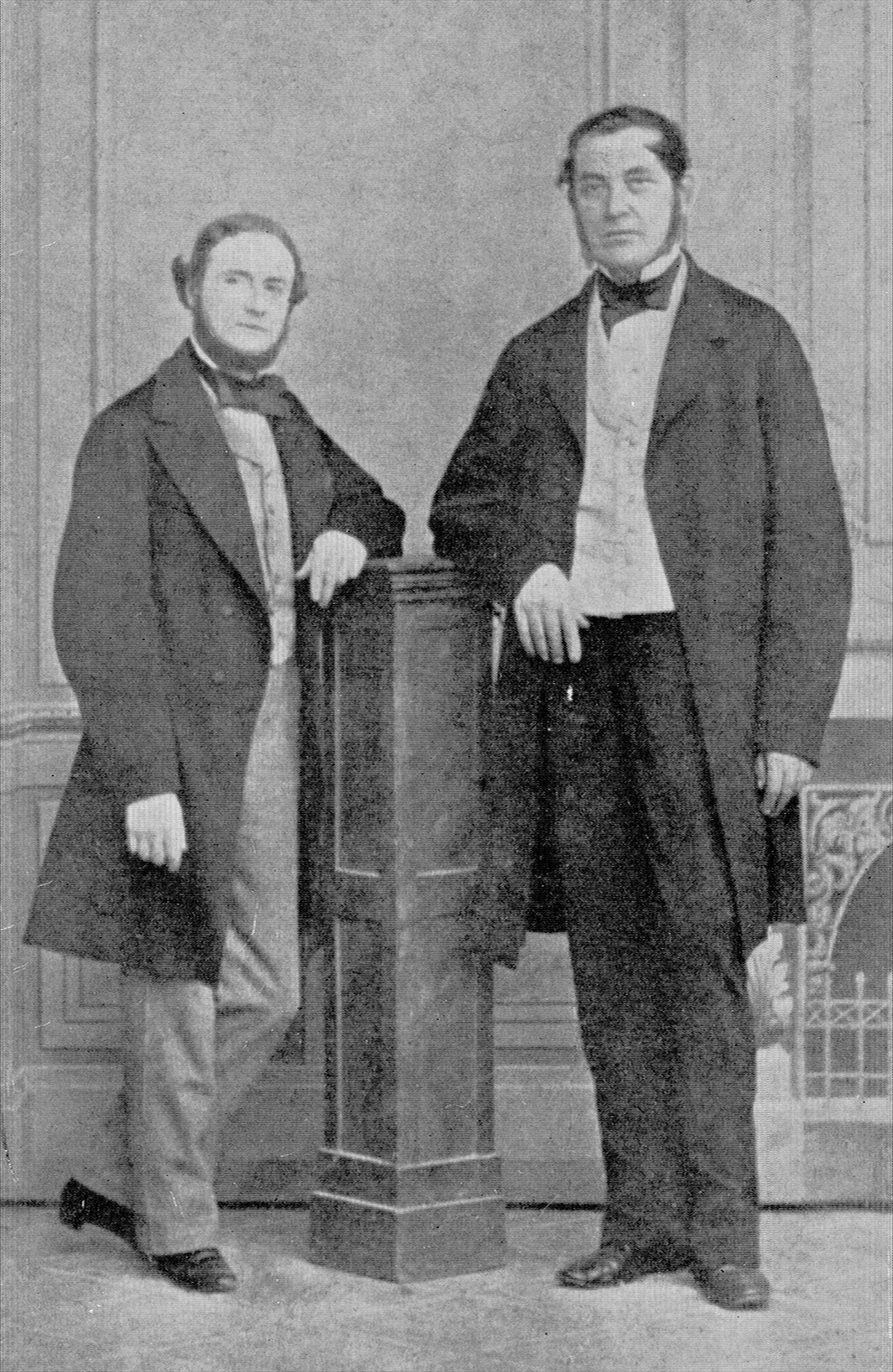 Photograph
Primary source
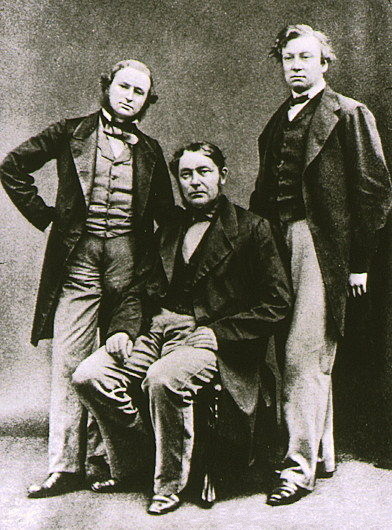
Photograph of Bunsen and Kirchhoff
Unknown
 Document
Primary source
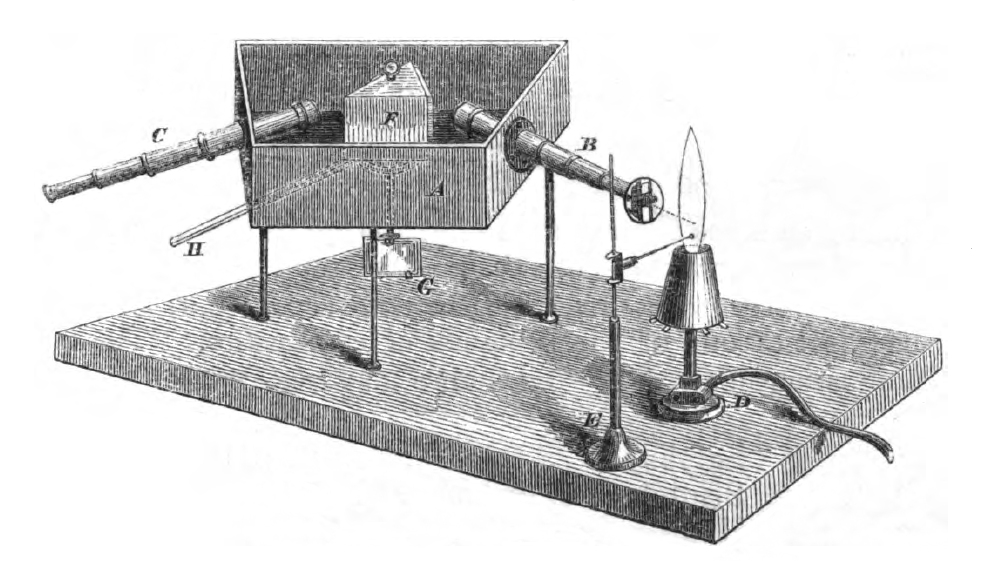
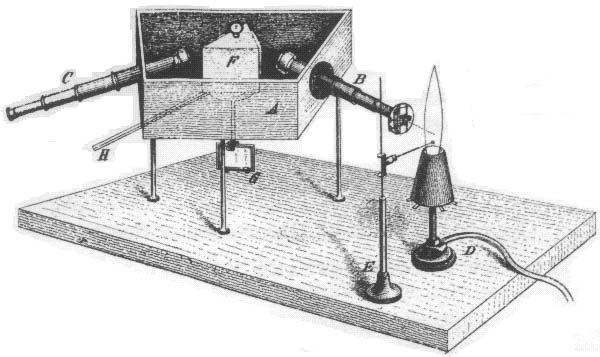
Spectrometer in Chemical Analysis by Spectrum-observations
Gustav Kirchhoff & Robert Bunsen · August 1860
 Book
Primary source
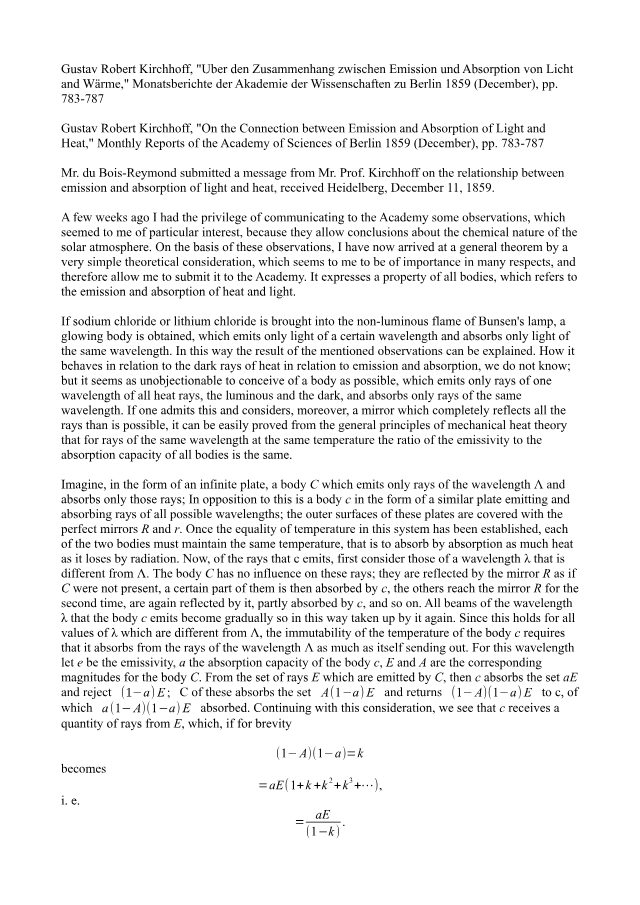
The Laws of Radiation and Absorption: Memoirs by Kirchhoff and Others
D. B. Brace (editor and translator) · 1901
 Photograph
Primary source
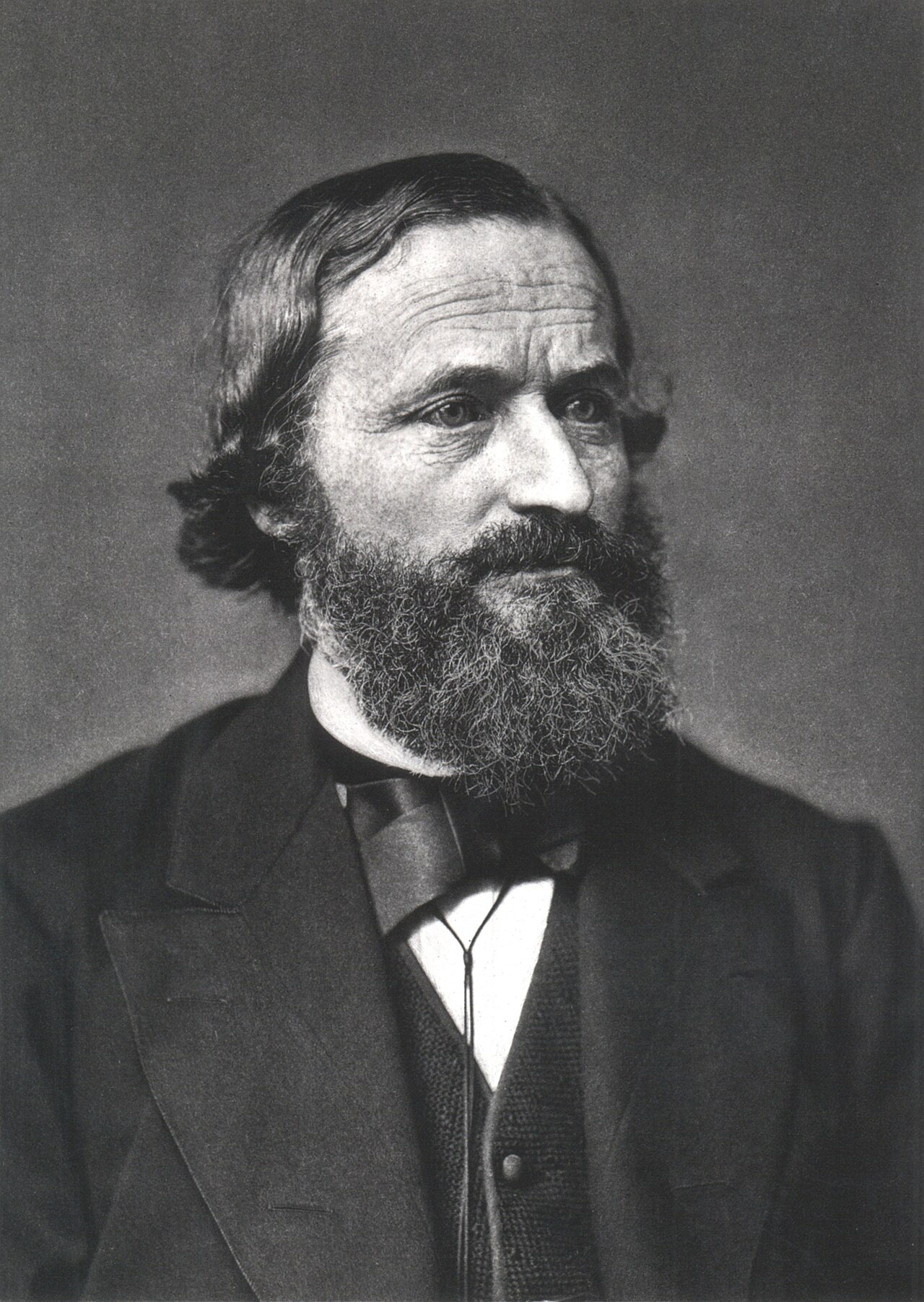
Portrait of Gustav Kirchhoff
Free account
Read every Gustav Kirchhoff source
Sign up free →
Ready when you are
Start chatting with Gustav Kirchhoff now.
20 messages free · No credit card · Available in 50+ languages.