


Primary sourceSpeech21 April 1868
Speech in Favor of Capital Punishment
John Stuart Mill · 21 April 1868
Mill's parliamentary speech of 21 April 1868, supporting capital punishment and arguing against the philanthropists who had reformed the criminal laws.
Mill spoke in Parliament on this motion, and the speech records his own position on punishment and on the reformers he usually supported.
About this source
What it is
This is the text of a speech Mill gave in Parliament on 21 April 1868, in which he spoke in favour of capital punishment. The opening says he would be glad to support the motion, though he usually opposes those he calls the philanthropists. He describes them as people who give their time and money to public causes and are usually on the side of right.
He also recalls that within his memory the criminal laws hanged people for stealing in a dwelling house to the value of 40s., with rows of people seen hanging in front of Newgate.
Why it matters
The speech shows a debate in Victorian Britain over whether the death penalty should be kept. Reformers had changed the criminal laws, and Mill chose to stand against them on this question. It shows how a thinker who supported many liberal causes could still argue for hanging.
Look closer
- How does Mill describe the philanthropists, and why does he say he regrets opposing them?
- What does his memory of past hangings suggest about how punishment had changed?
- Which people and voices does the speech leave out of its account of justice?
This speech is part of the curated material that grounds the AI version of John Stuart Mill on Humy.ai — when students ask about related events, the AI can quote it and cite it.
More John Stuart Mill sources
Meet the AI John Stuart Mill →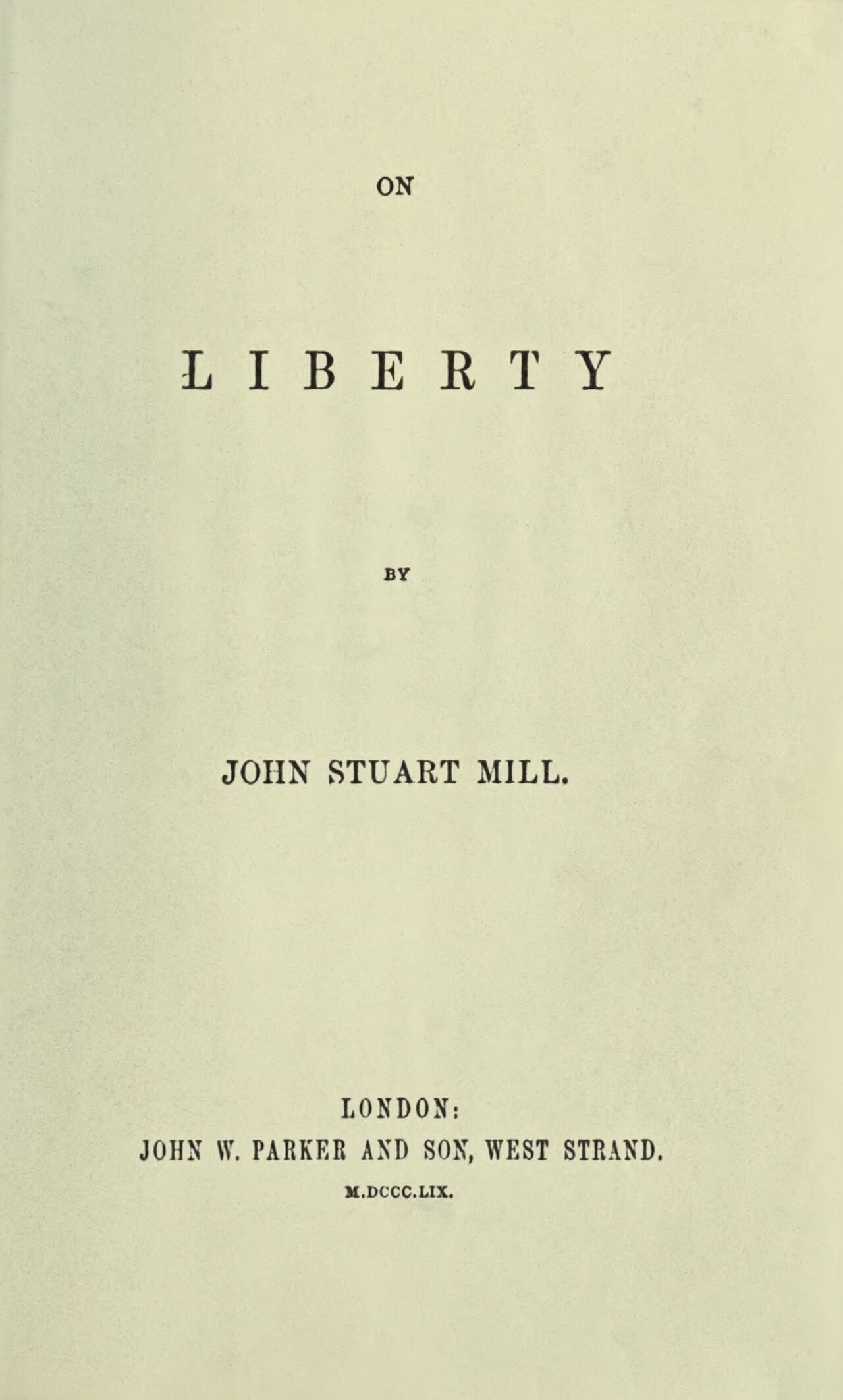 Book
Primary source
On Liberty
John Stuart Mill · 1859
 Book
Primary source
Utilitarianism
John Stuart Mill · 1861
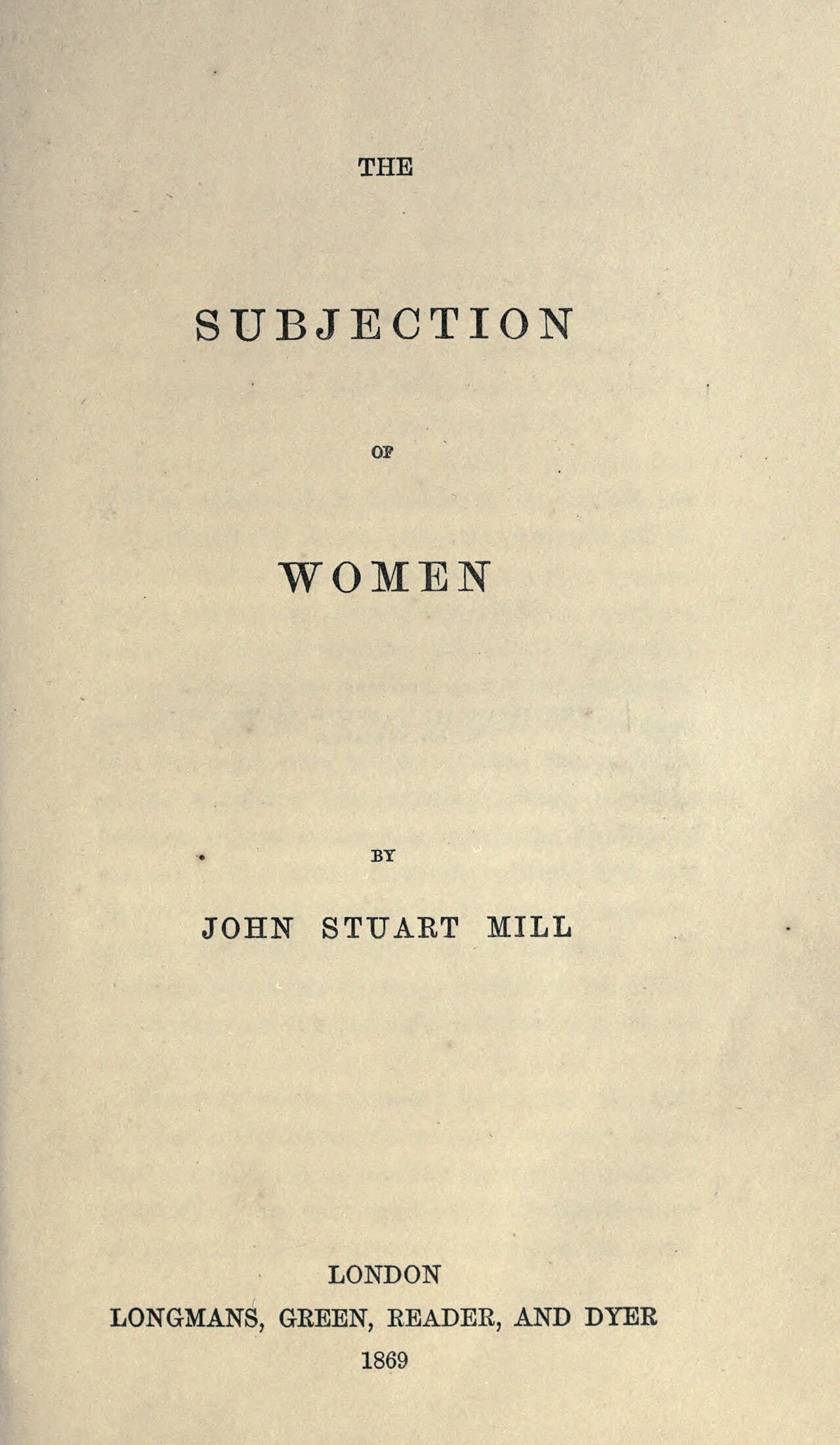 Book
Primary source
The Subjection of Women
John Stuart Mill · 1869
 Book
Primary source
Considerations on Representative Government
John Stuart Mill · 1861
Primary source
Autobiography
John Stuart Mill · 1873 (written; published posthumously)
Ready when you are
Start chatting with John Stuart Mill now.
20 messages free · No credit card · Available in 50+ languages.