


Secondary sourceArtifacttraditionally 8th century; developed 14th century onward
Sringeri Sharada Peetham
traditionally 8th century; developed 14th century onward
A southern Indian monastery traditionally founded by Shankara, though it grew to prominence centuries after his lifetime.
A monastery traditionally founded by Shankara, central to the institutional spread of his teachings.
About this source
What it is
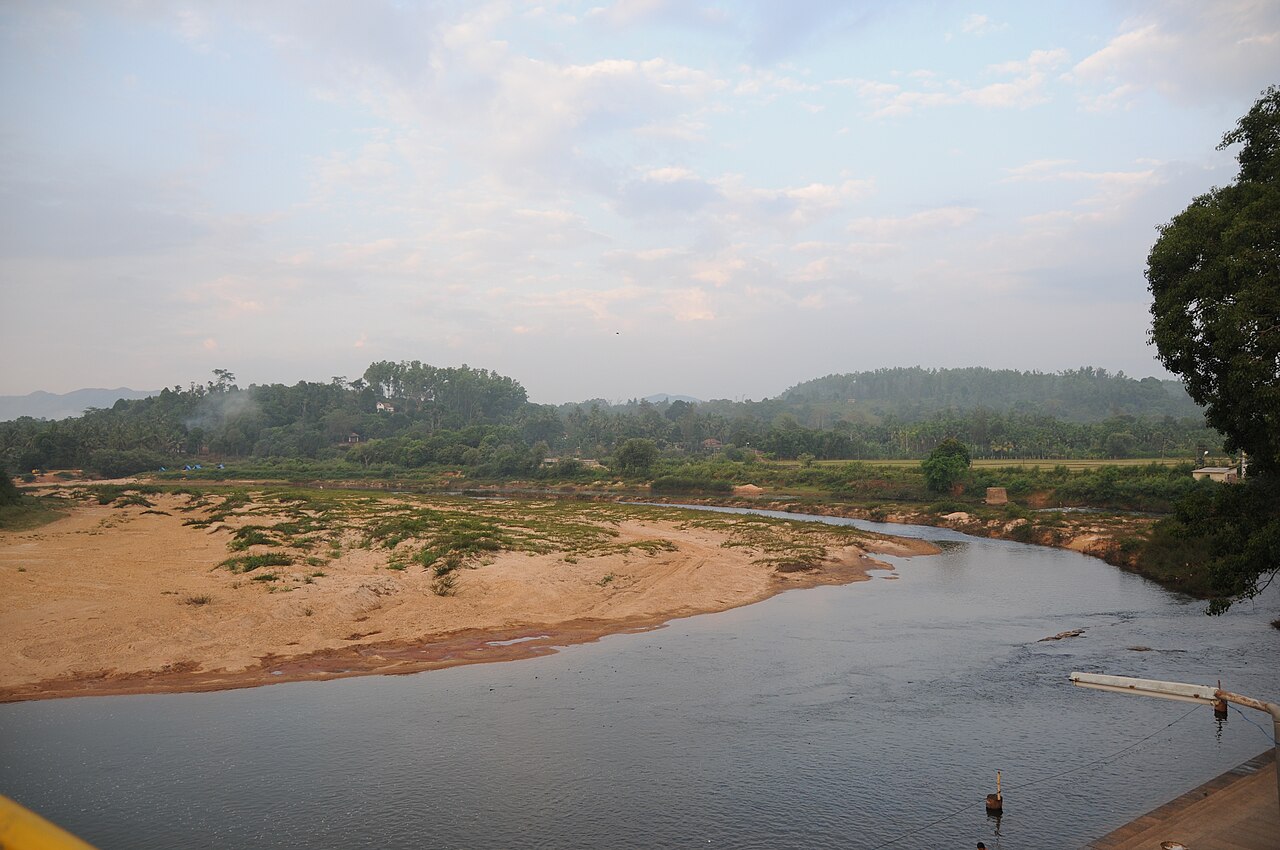
Sringeri Sharada Peetham is a Hindu monastery (matha) in Karnataka, India, with temples dedicated to Shiva and the goddess Sharadamba, located near the Tunga river. Tradition attributes its founding to Adi Shankara in the 8th century, though its prominence developed later, especially under the patronage of the Vijayanagara empire from the 14th century onward.
Why it matters
This monastery is one of several institutions said to have been established by Shankara to spread and organize his Advaita Vedanta teachings. The gap between its claimed 8th-century founding and its documented rise to importance centuries later shows how later rulers and religious communities built up and reinforced Shankara's legacy, turning him into the symbolic founder of a lasting institutional network.
Look closer
- Why might later rulers want to support an institution linked to a famous philosopher from centuries earlier?
- What is the difference between a tradition's claim and what historical evidence can confirm?
- How does an institution like this keep a historical figure's ideas alive long after his death?
This artifact is part of the curated material that grounds the AI version of Adi Shankaracharya on Humy.ai — when students ask about related events, the AI can quote it and cite it.
More Adi Shankaracharya sources
Meet the AI Adi Shankaracharya →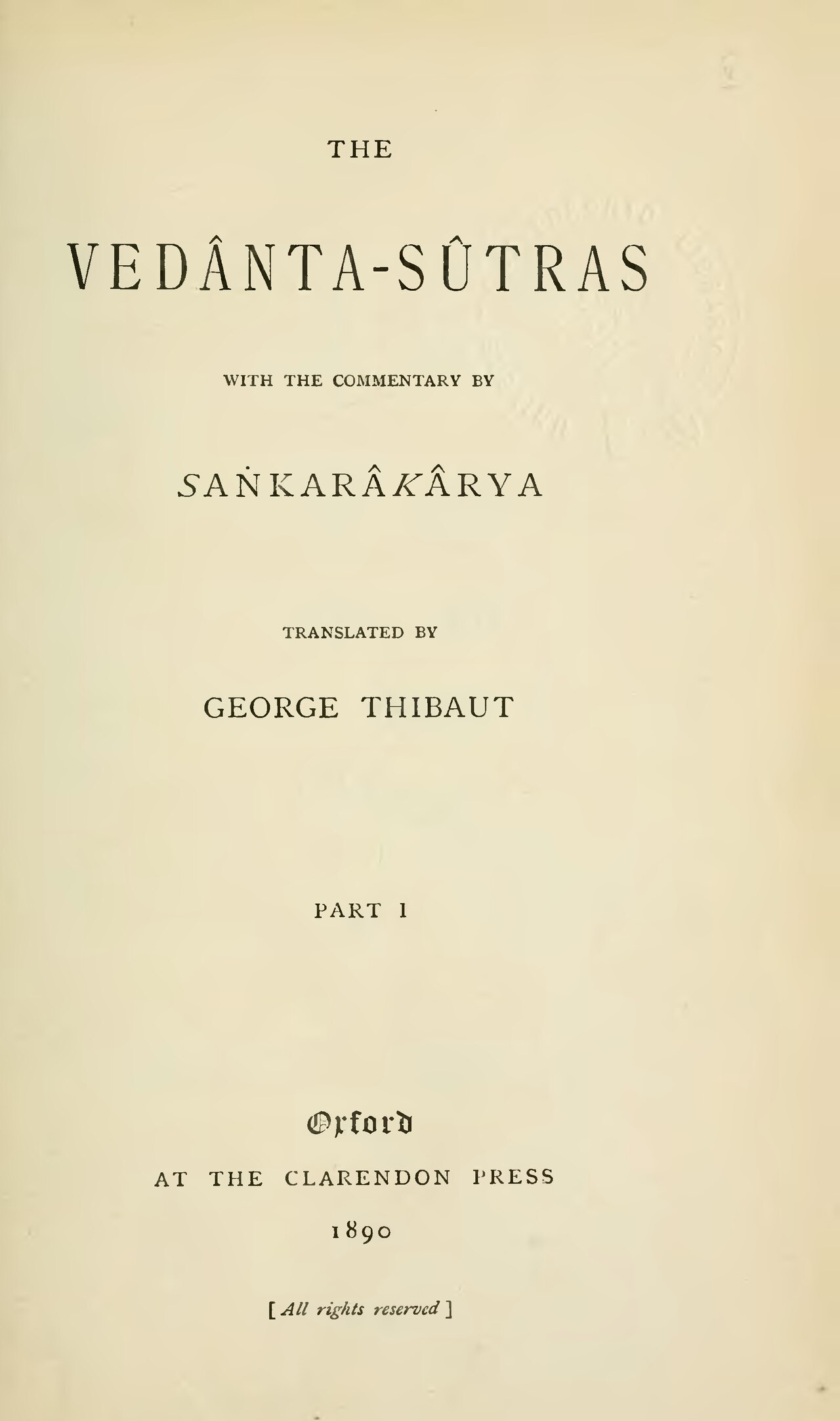 Book
Primary source
Brahma Sutra Bhashya
Adi Shankara · c. early 8th century
 Document
Secondary source
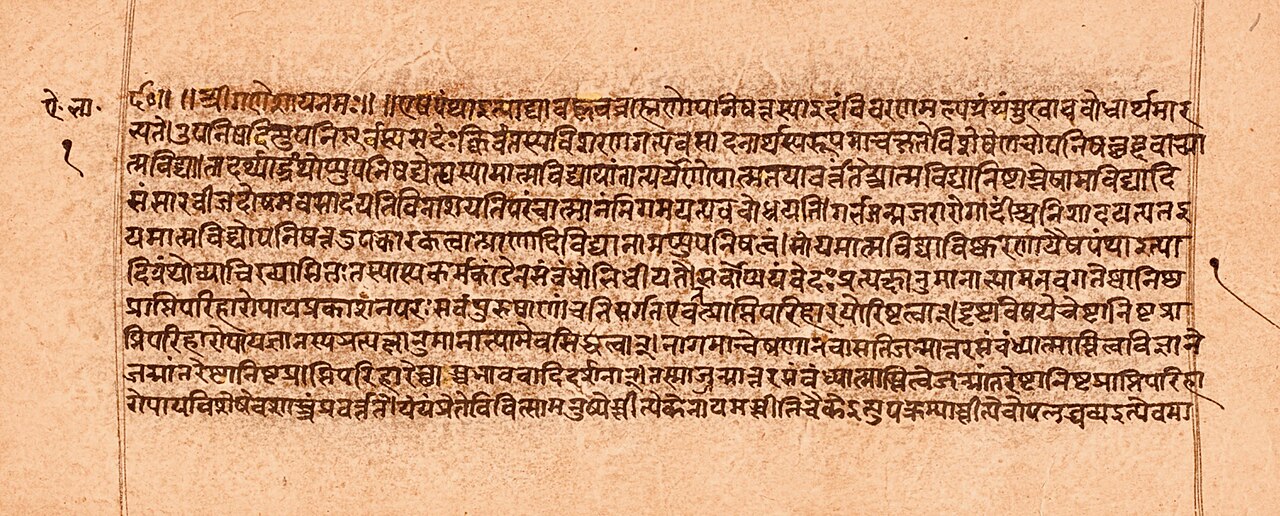
Manuscript of Shankara's Aitareya Upanishad Commentary
1593 CE (manuscript copy)
 Painting
Secondary source
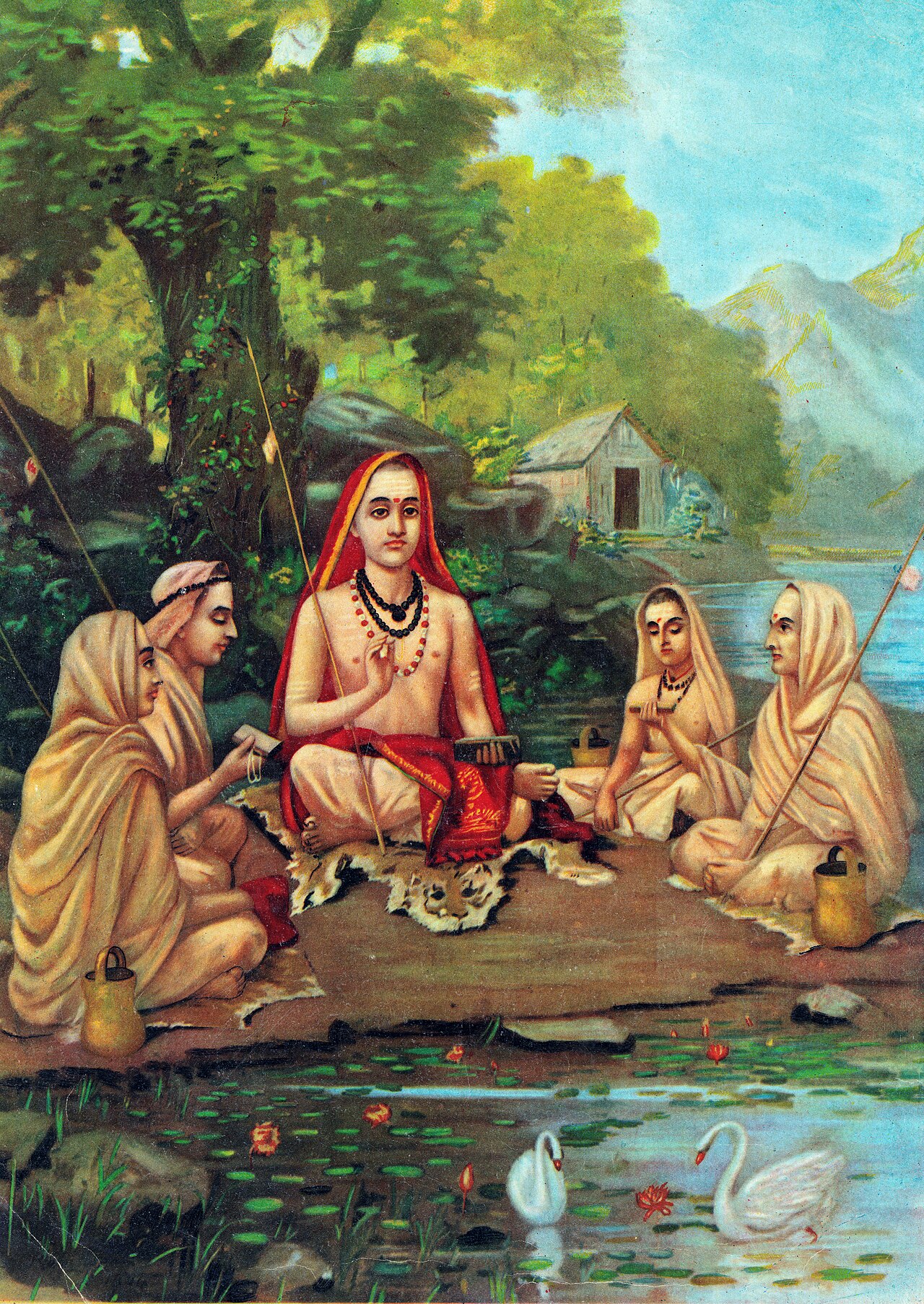
Portrait of Adi Shankara with Disciples
Raja Ravi Varma
 Artifact
Secondary source
Kedarnath Temple
traditionally 8th century
 Document
Secondary source
Gaudapada Karika Manuscript Page
text c. 6th century CE; manuscript copy mid-19th century
Ready when you are
Start chatting with Adi Shankaracharya now.
20 messages free · No credit card · Available in 50+ languages.