


Secondary sourceArtifact1901
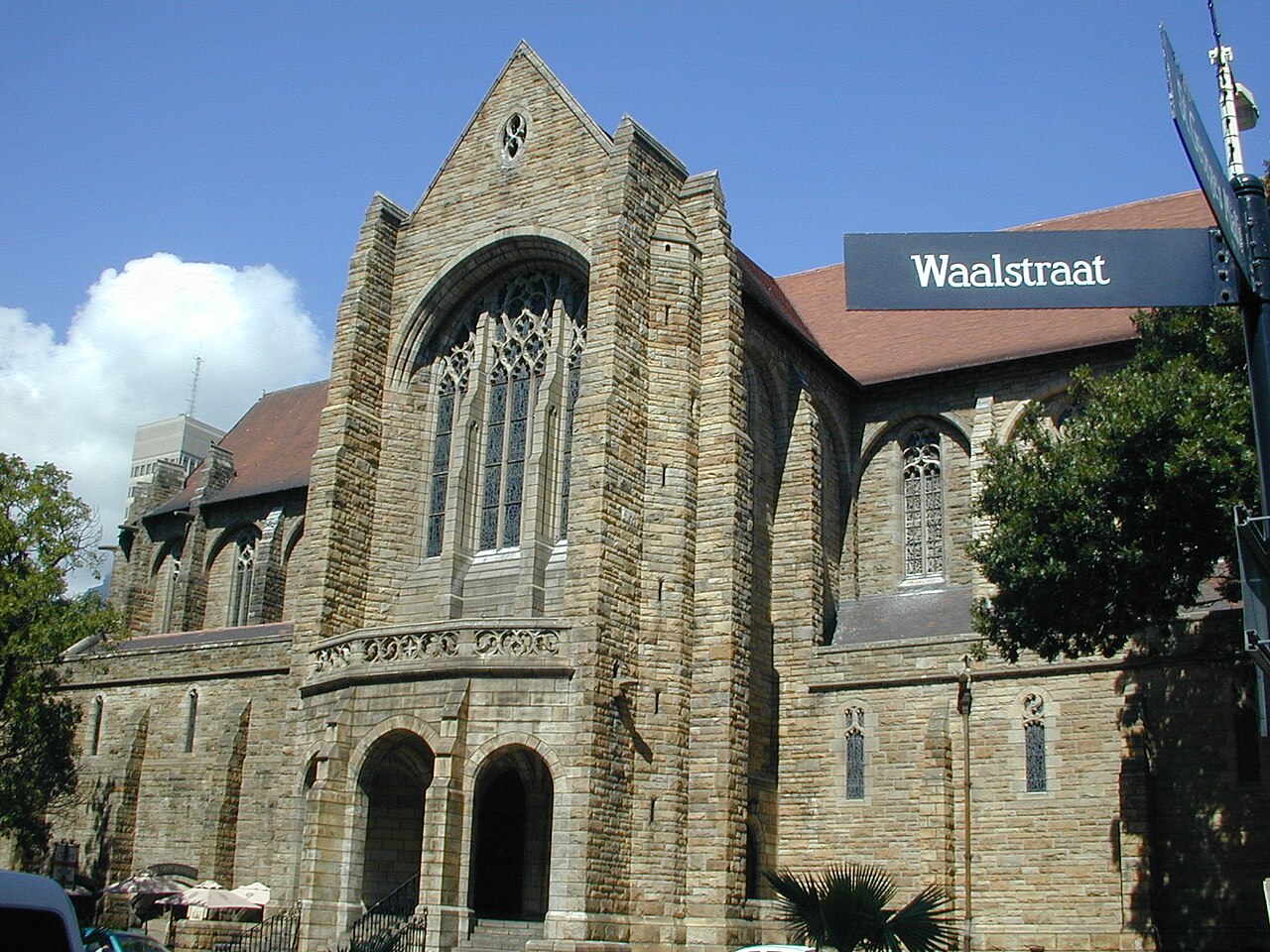
St. George's Cathedral, Cape Town
Herbert Baker · 1901
The Anglican cathedral in Cape Town where Tutu served as archbishop, led anti-apartheid marches, and where his ashes are now interred.
Tutu's cathedral as archbishop, site of his anti-apartheid marches, and his final resting place.
Free Humy account · No credit card · 120,912 sources to read
About this source
What it is
St. George's Cathedral is the Anglican cathedral in Cape Town, designed by Sir Herbert Baker, with its foundation stone laid in 1901. It is the seat of the Archbishop of Cape Town.
Why it matters
As archbishop, Desmond Tutu led numerous marches and campaigns against apartheid from the cathedral's front steps, and it became known as the 'people's cathedral' for its role as a meeting point for activists of all races during the struggle for equality. His remains are now interred in front of the high altar, linking the building permanently to his legacy.
Look closer
- Why might a church building become a center for political protest?
- What does it mean that the cathedral was called the 'people's cathedral'?
- How does burying Tutu's ashes inside the cathedral connect his religious and political roles?
This artifact is part of the curated material that grounds the AI version of Desmond Tutu on Humy.ai — when students ask about related events, the AI can quote it and cite it.
More Desmond Tutu sources
Browse all 87 →Primary source
Testimony before the US House Subcommittee on Africa
Desmond Tutu · 4 December 1984
 Photograph
Primary source
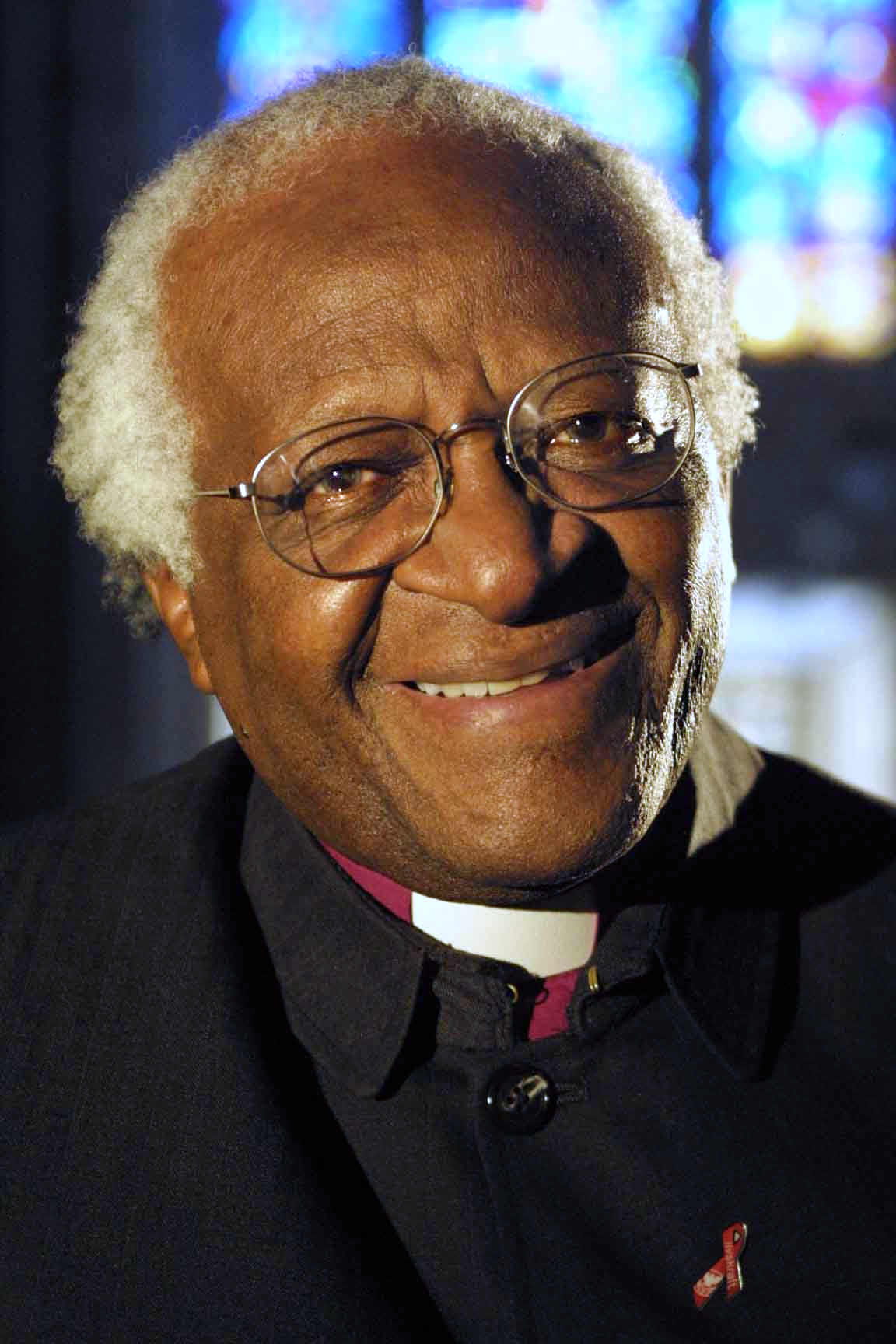
Portrait of Desmond Tutu
 Photograph
Primary source
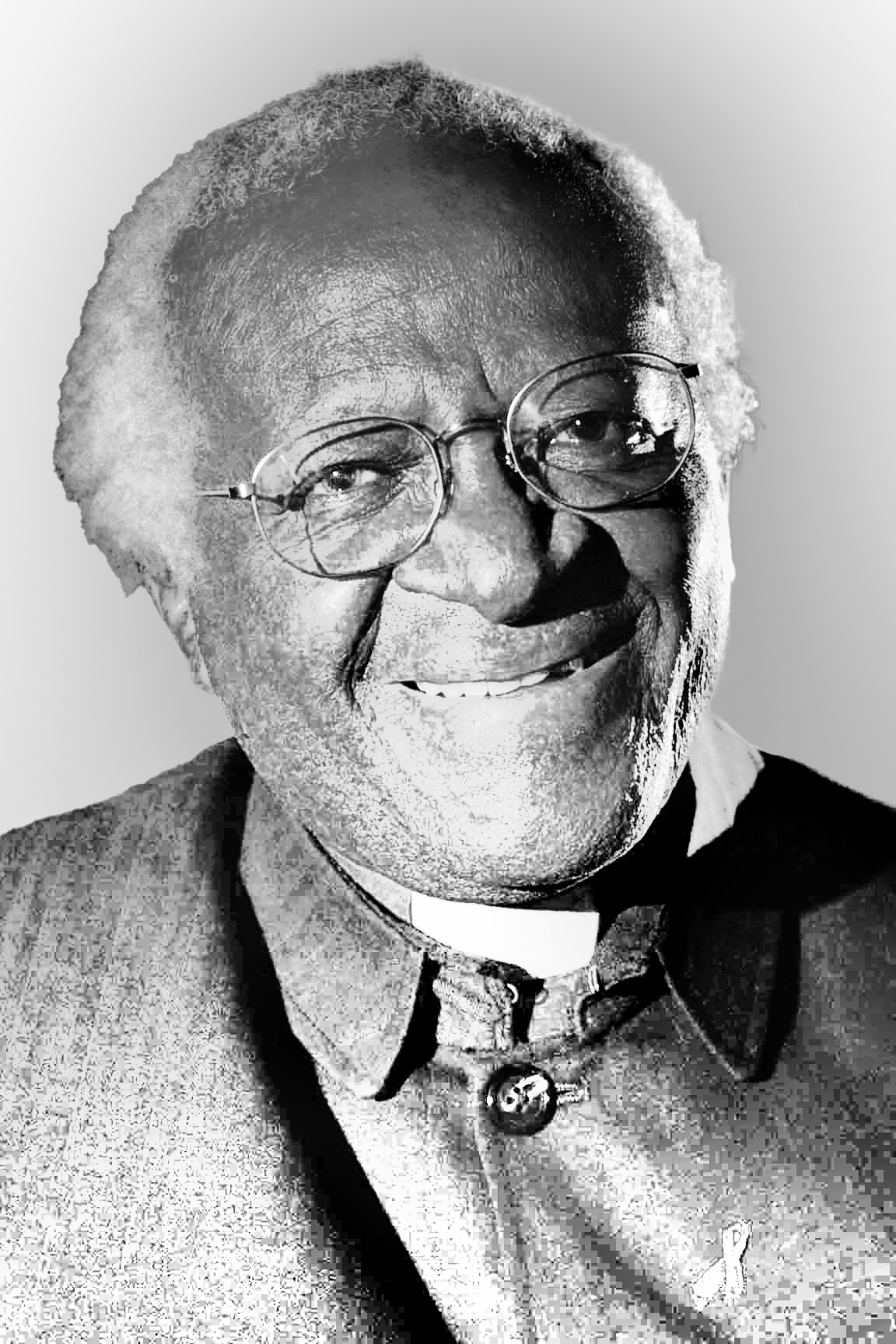
Desmond Tutu in Black and White
Benny Gool
 Photograph
Primary source
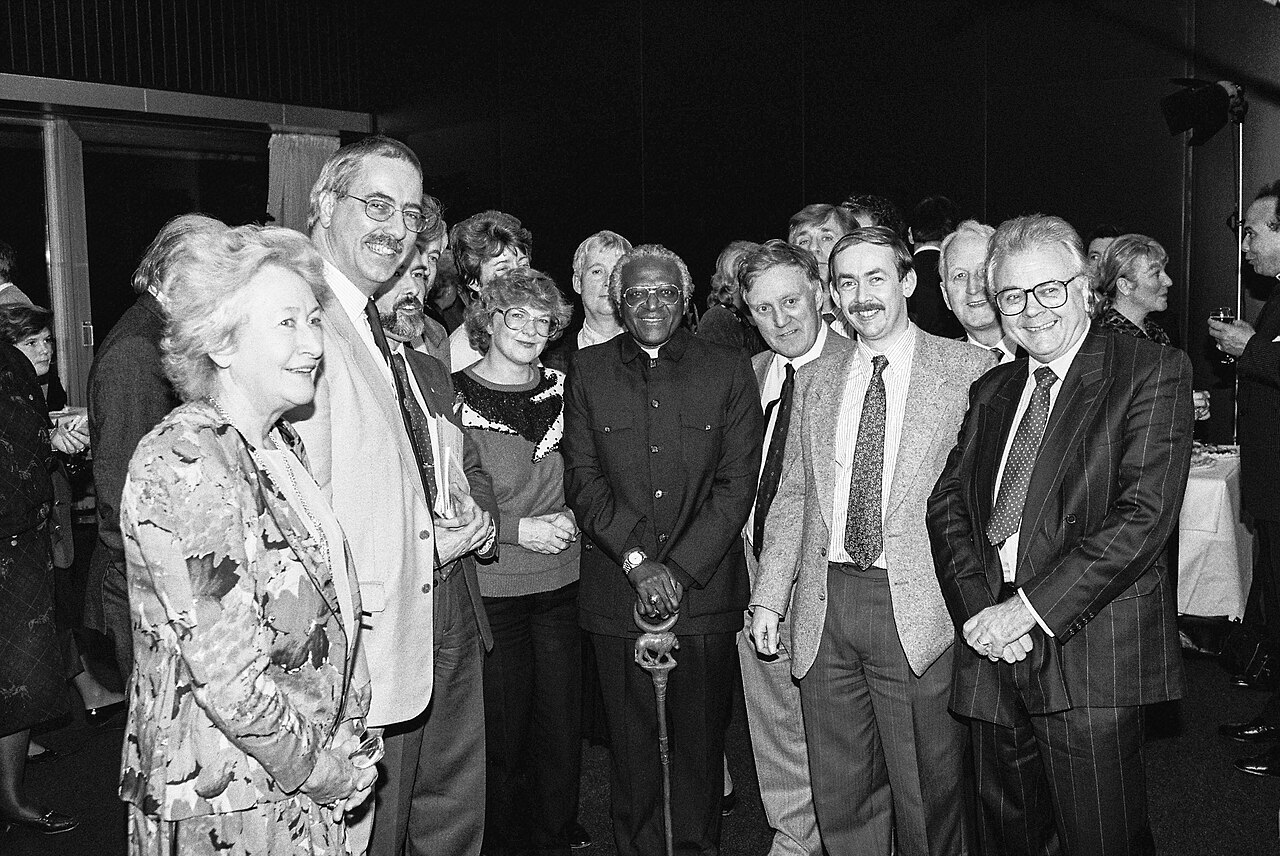
Visit of Archbishop Desmond Tutu at the European Parliament in Strasbourg
European Parliament Multimedia Centre · 1990


Free account
Read every Desmond Tutu source
Sign up free →
Ready when you are
Start chatting with Desmond Tutu now.
20 messages free · No credit card · Available in 50+ languages.