


Secondary sourceArtifact1475
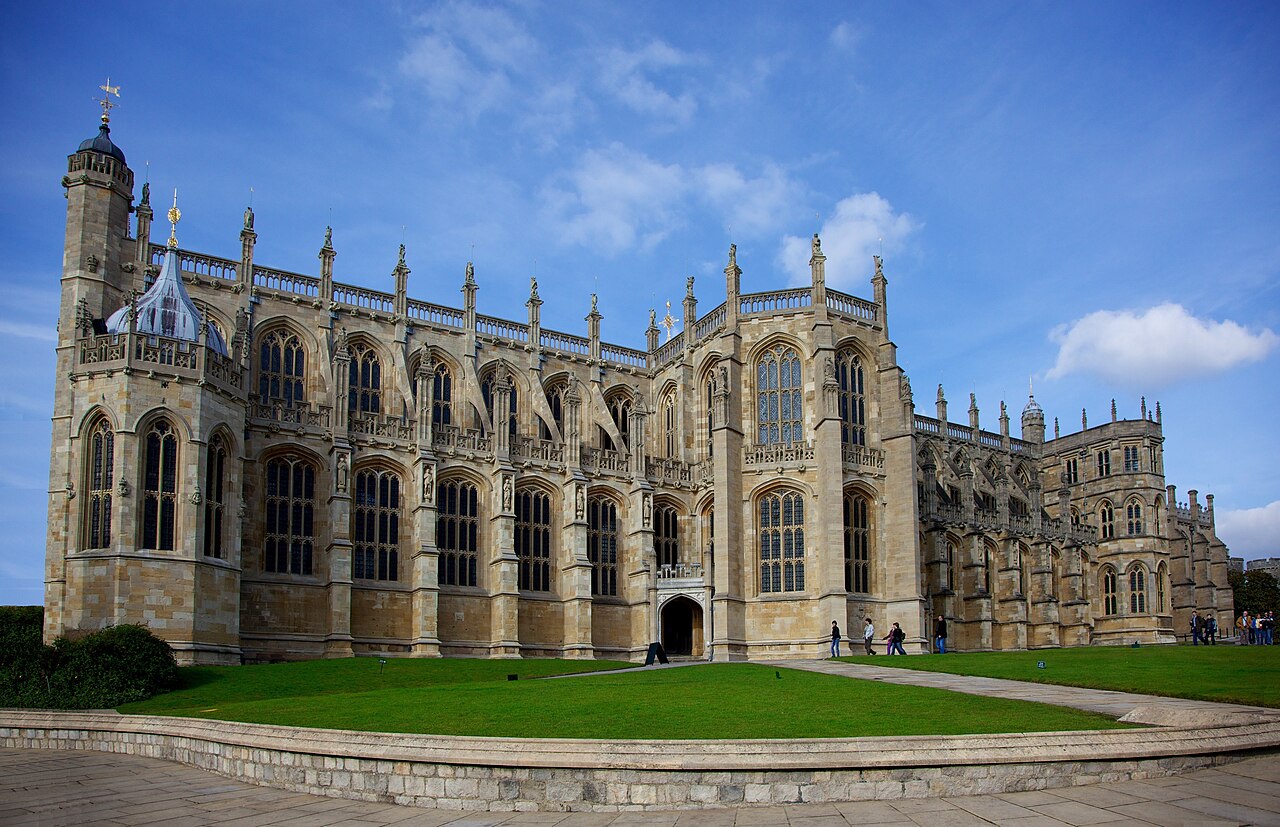
St George's Chapel, Windsor
1475
A late-medieval Gothic chapel in Windsor Castle where royal weddings and burials took place. The curator's record names it as William IV's burial place, beside George III and George IV.
The chapel is recorded as William IV's burial place, which links the building to his death and to the Hanoverian royal line.
About this source
What it is
St George's Chapel stands in the Lower Ward of Windsor Castle. It is a castle chapel built in the late-medieval Perpendicular Gothic style and is a royal peculiar, a church under the direct authority of the monarch. Edward III founded the college in 1348, and the building was greatly enlarged from 1475 to 1528. The chapel has been the scene of many royal services, weddings and burials. Its outer walls carry seventy-six heraldic statues of Royal Beasts. The present statues date from 1925. The curator's record says William IV is buried here beside George III and George IV.
Why it matters
In the 19th century the chapel and the nearby Frogmore Gardens replaced Westminster Abbey as the chosen burial place for the British royal family. George III restored the chapel between 1780 and 1790 and called it the Cathedral. Parliamentary forces plundered the chapel during the English Civil War, and Charles I was later buried in a vault in its choir. These events show how the building carried royal memory across centuries.
Look closer
- What does the outside of the chapel show about the power and identity the monarchy wanted to display?
- Why do you think royal burials moved to this chapel in the 19th century?
- What does a building that honours kings leave out about the people who built it and worked in it?
This artifact is part of the curated material that grounds the AI version of William IV, Edward IV, Jane Seymour and Elizabeth Woodville on Humy.ai — when students ask about related events, the AI can quote it and cite it.
More William IV sources
Browse all 97 →Primary source
Substance of the Speech of the Duke of Clarence on the Slave Trade
William IV · 5 July 1799
 Letter
Primary source
The Reform Act, 1832: Correspondence of Earl Grey with King William IV
William IV and Charles Grey, 2nd Earl Grey · 1830–1832 (published 1867)
 Painting
Primary source
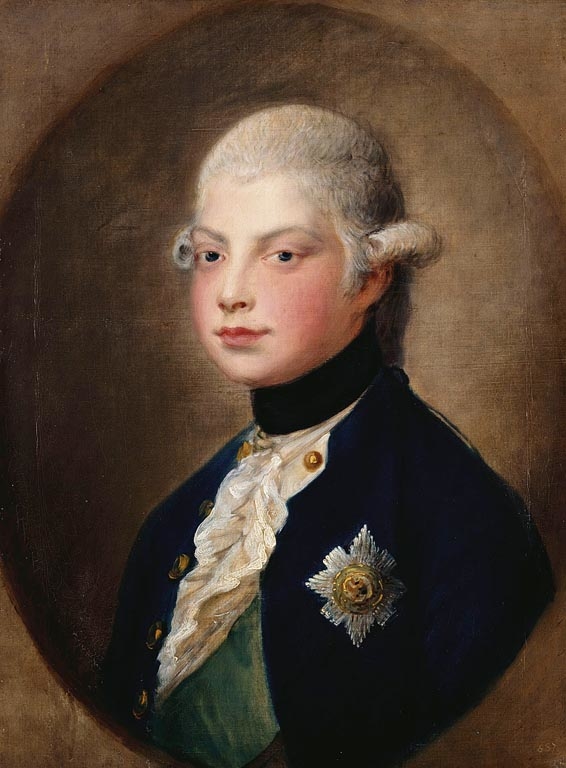
Prince William, later Duke of Clarence
Thomas Gainsborough · 1782
 Painting
Primary source
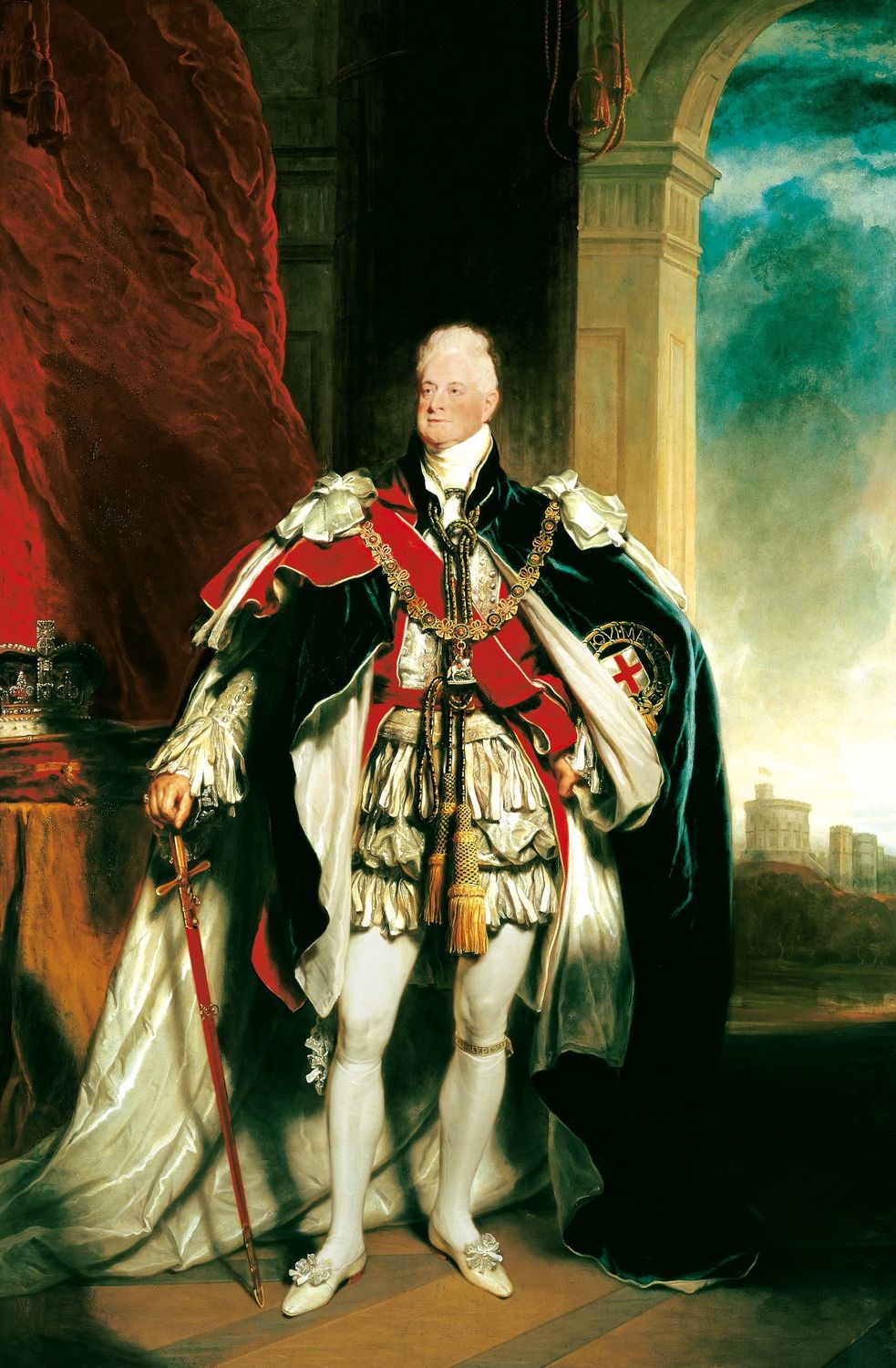
William IV
Martin Archer Shee · 1833
Free account
Read every William IV source
Sign up free →
Ready when you are
Start chatting with William IV now.
20 messages free · No credit card · Available in 50+ languages.