


Secondary sourcePainting1642
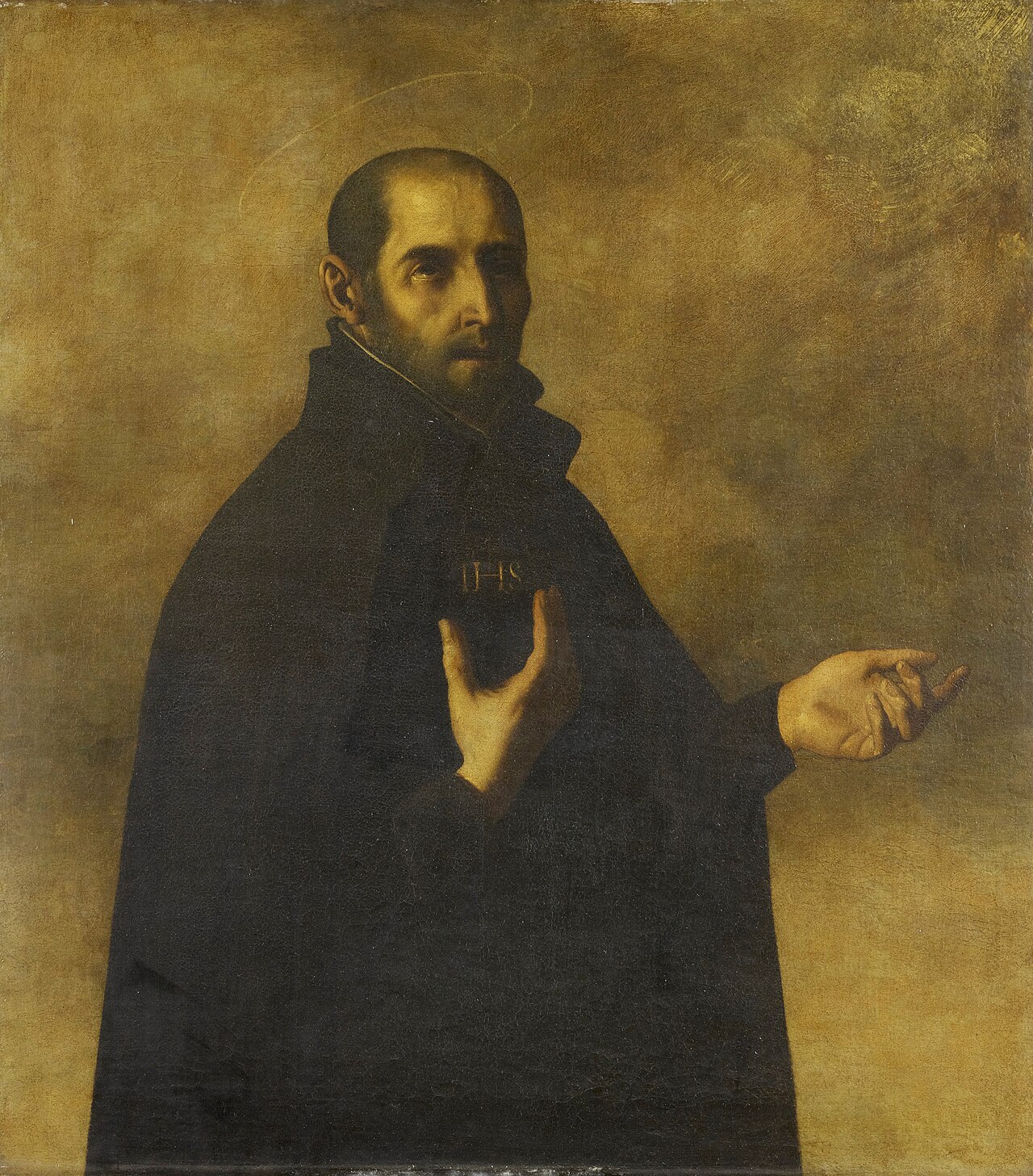
St Ignatius Loyola
Francisco de Zurbarán · 1642
A 1642 Spanish Golden Age portrait of Ignatius by Francisco de Zurbarán, showing how Spain claimed him as its own saint.
This austere Spanish portrait, painted decades after his death, shows how Spain claimed Ignatius as a national religious figure.
About this source
What it is
This painting of Ignatius of Loyola was made in 1642 by Francisco de Zurbarán, a leading painter of the Spanish Golden Age. It shows Ignatius in a dark cloak with a faint halo, one hand raised to his chest where the letters IHS are embroidered, and the other extended outward. It is held in the Royal Collection.
Why it matters
Zurbarán's austere, direct style was typical of Spanish religious painting of the period. Made decades after Ignatius's death and canonization, the portrait reflects how Spain, his homeland, embraced and promoted him as a national religious hero and founder of a major Catholic order.
Look closer
- How does the plain, dark background and simple clothing compare to other, more elaborate portraits of Ignatius?
- What might the letters IHS embroidered on his chest refer to, and why place them there?
- Why might Spanish painters have wanted to emphasize Ignatius's Spanish, rather than international, identity?
This painting is part of the curated material that grounds the AI version of Ignatius of Loyola on Humy.ai — when students ask about related events, the AI can quote it and cite it.
More Ignatius of Loyola sources
Browse all 87 →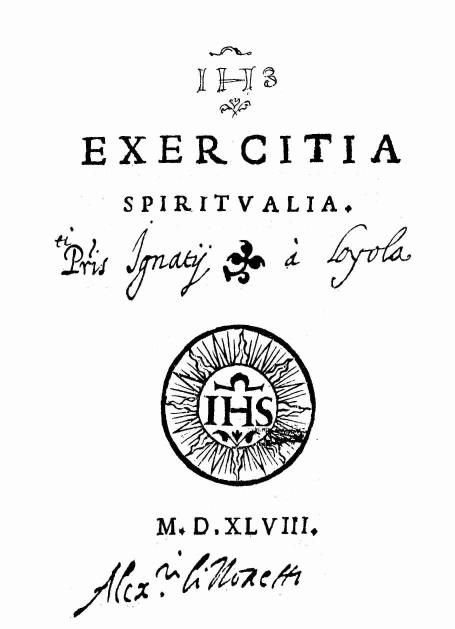 Book
Primary source
Spiritual Exercises
Ignatius of Loyola · 1548 (first printed edition)
 Document
Primary source
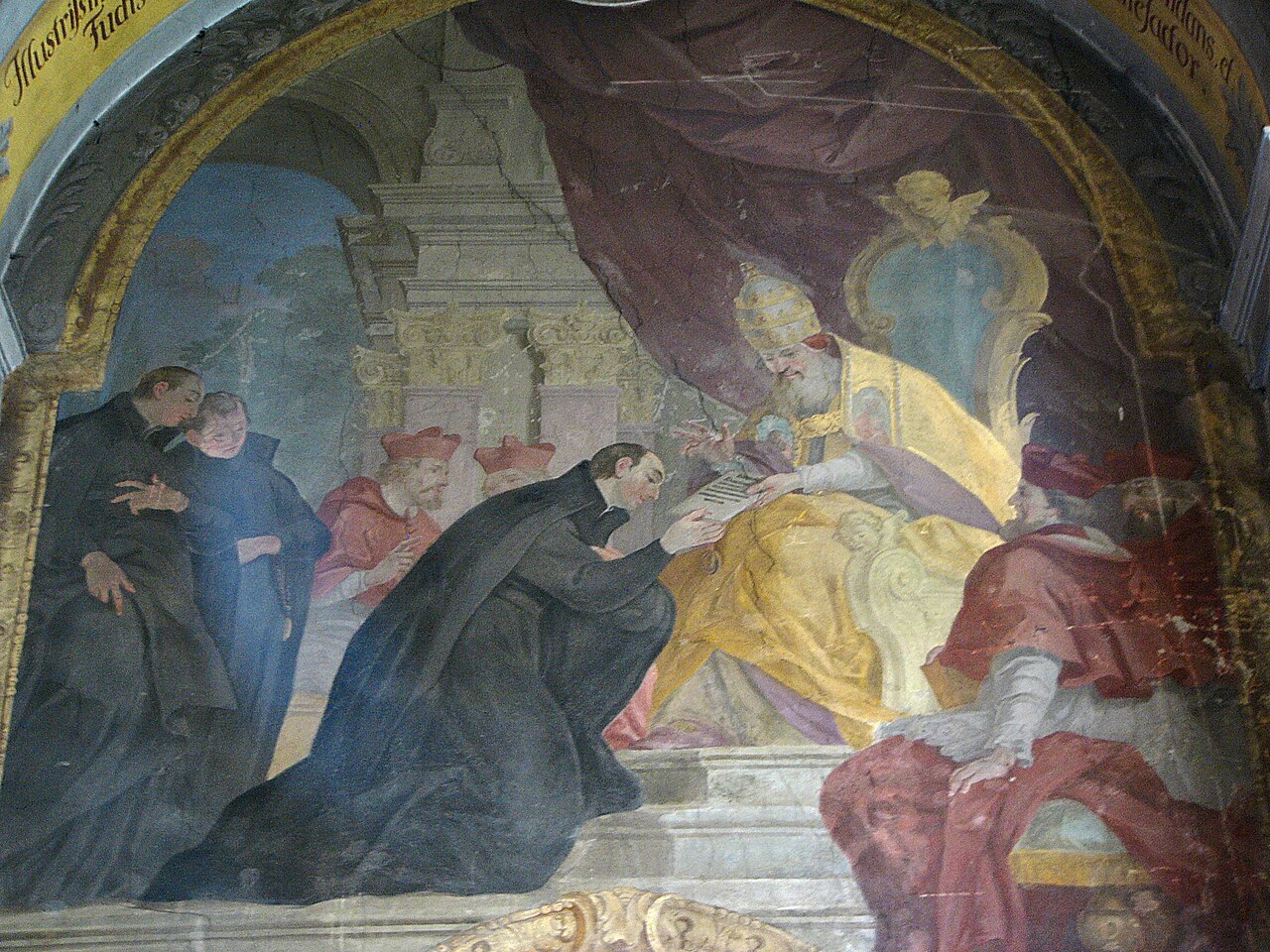
Regimini militantis Ecclesiae
Paul III · 27 September 1540
 Painting
Primary source
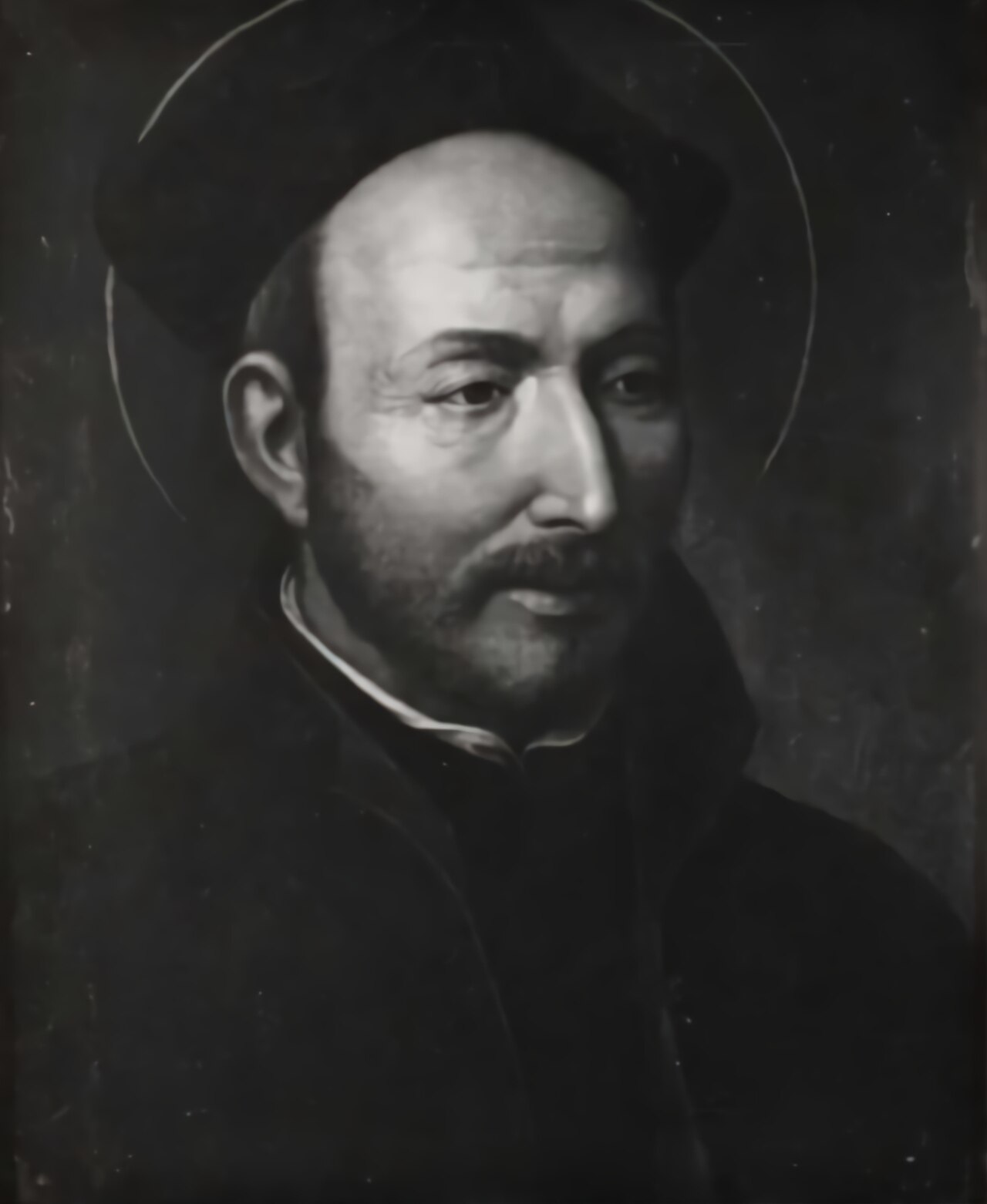
Portrait of Ignatius of Loyola
Jacopino del Conte · 1556
 Artifact
Primary source
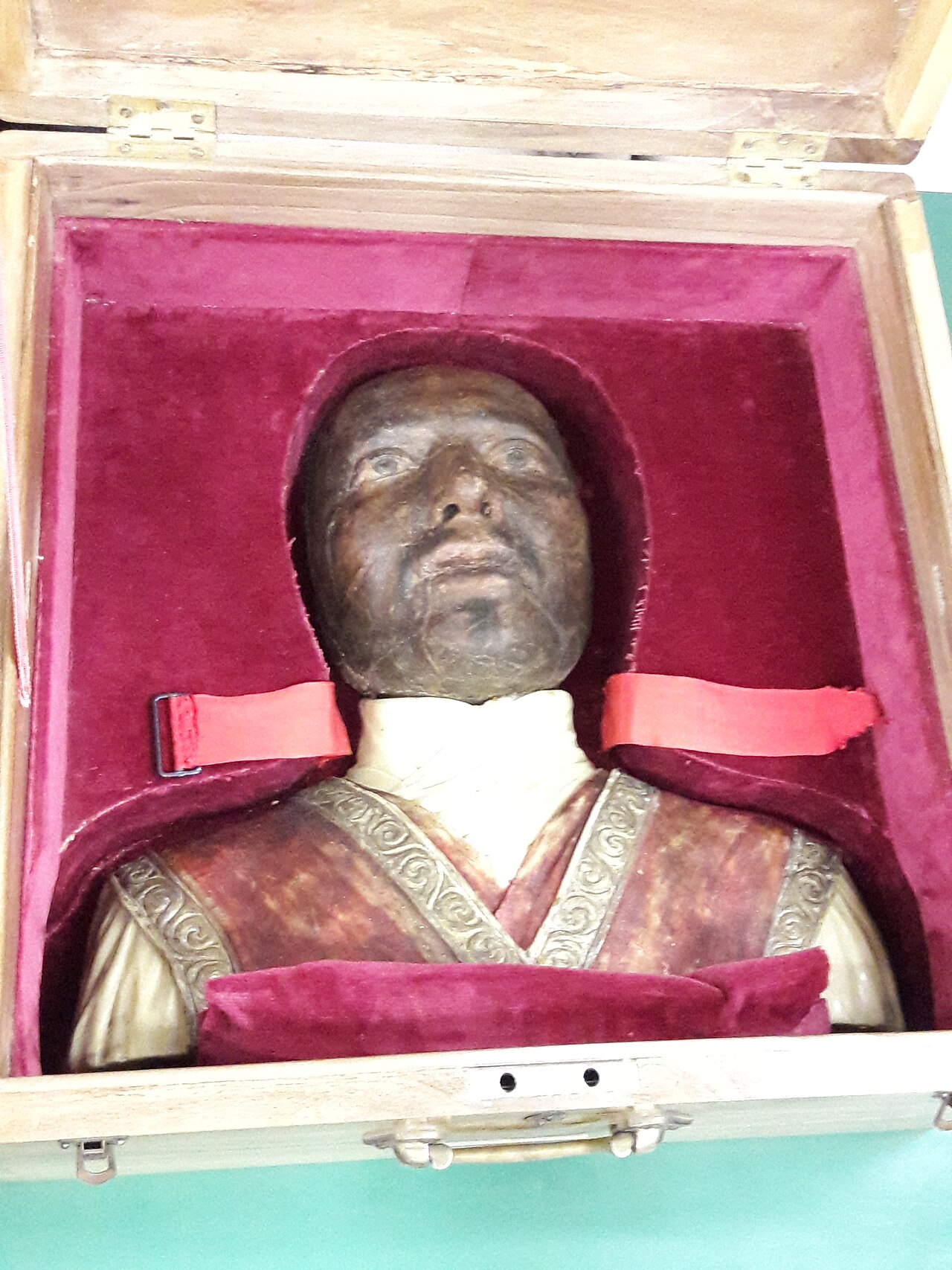
Death Mask of Ignatius of Loyola
Unknown · 1556
Free account
Read every Ignatius of Loyola source
Sign up free →
Ready when you are
Start chatting with Ignatius of Loyola now.
20 messages free · No credit card · Available in 50+ languages.