


Secondary sourcePaintingca. 1759–70
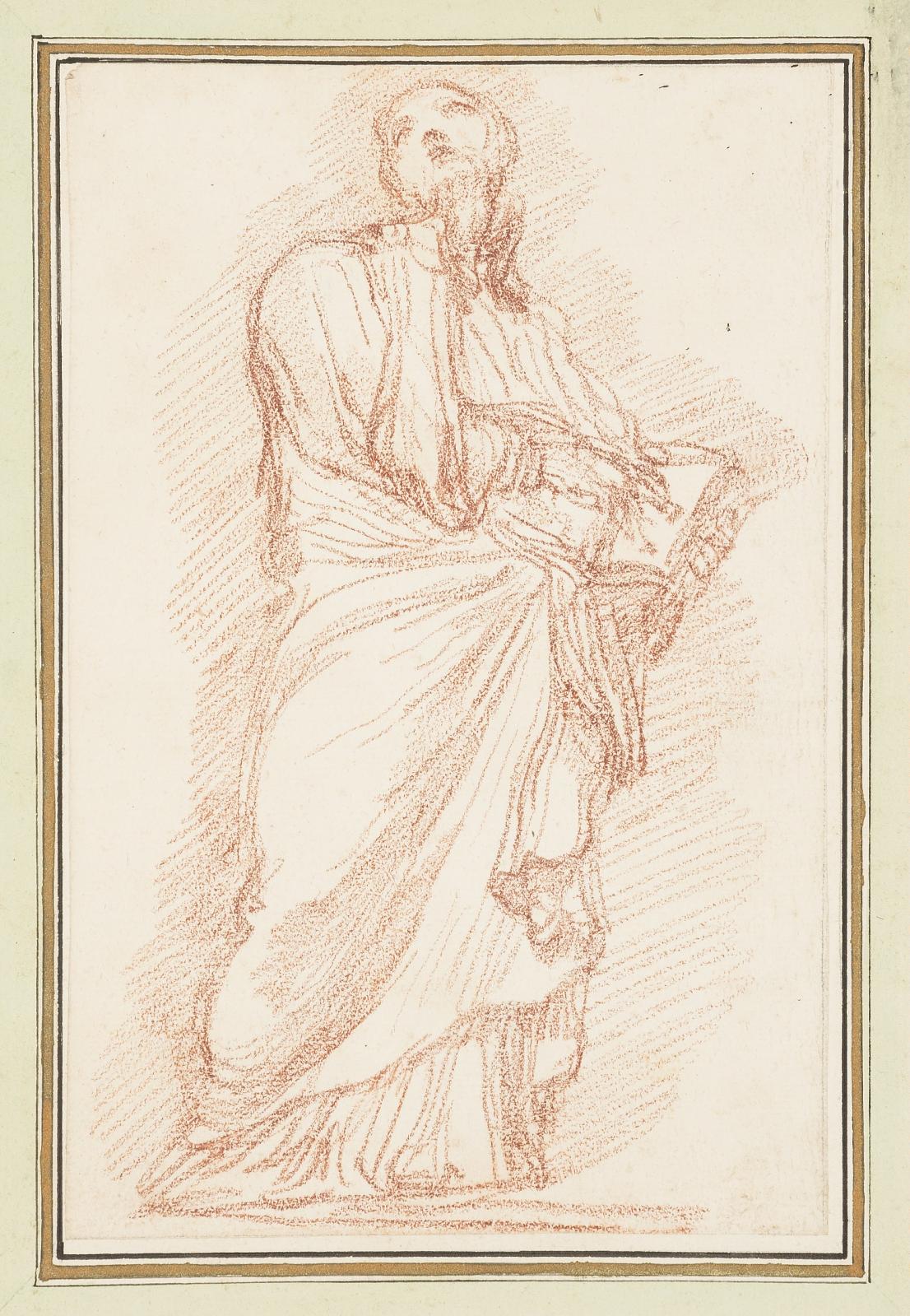
St. Ignatius Loyola from St. Peter's Colonnade
Jean-Robert Ango · ca. 1759–70
A red chalk drawing made around 1759–70 after a statue of Ignatius of Loyola on the colonnade of St. Peter's Basilica.
A drawing after a statue of Ignatius at St. Peter's, showing how he was publicly commemorated in Rome generations after his death.
About this source
What it is
This is a red chalk drawing by Jean-Robert Ango, made around 1759–70 while he was active in Rome. It copies a statue of Ignatius of Loyola by Giovanni Maria de Rossi that stands on the colonnade of St. Peter's Basilica, showing him holding a book and gazing upward. It is held by the Cooper Hewitt, Smithsonian Design Museum.
Why it matters
By the 1700s, Ignatius had been honoured with a statue in one of the most prominent public spaces in Rome, St. Peter's colonnade, showing how central he had become to Catholic Church history. This drawing is a record made by an artist studying that statue, not an image made from life.
Look closer
- Why do you think a statue of Ignatius was placed somewhere as important as St. Peter's colonnade?
- What does the pose — holding a book and looking upward — suggest the sculptor wanted viewers to think about Ignatius?
- Why might an artist travel to Rome just to draw an existing statue?
This painting is part of the curated material that grounds the AI version of Ignatius of Loyola on Humy.ai — when students ask about related events, the AI can quote it and cite it.
More Ignatius of Loyola sources
Browse all 87 →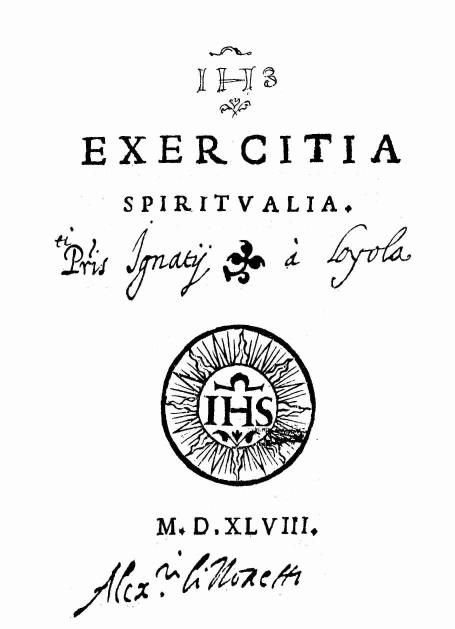 Book
Primary source
Spiritual Exercises
Ignatius of Loyola · 1548 (first printed edition)
 Document
Primary source
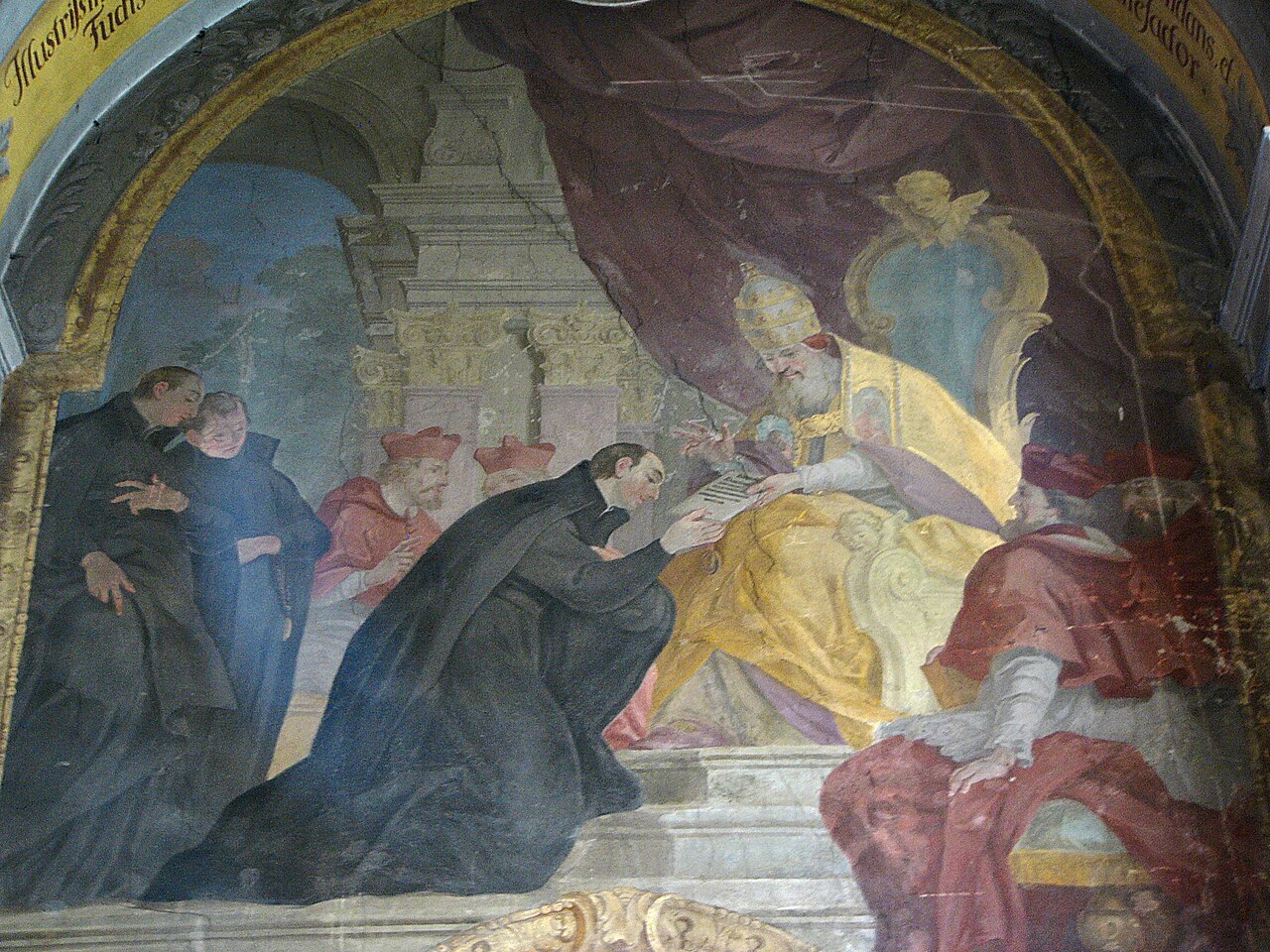
Regimini militantis Ecclesiae
Paul III · 27 September 1540
 Painting
Primary source
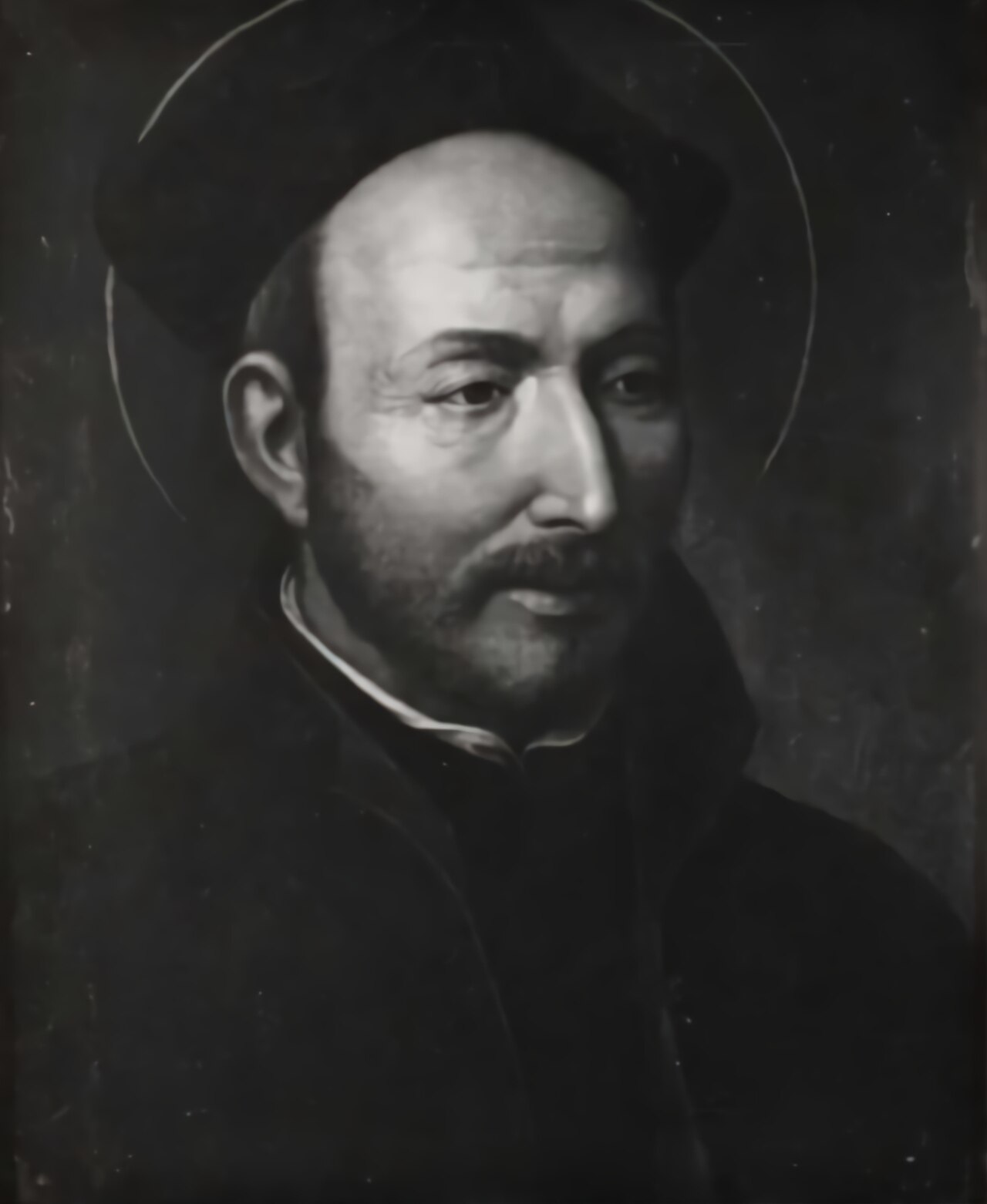
Portrait of Ignatius of Loyola
Jacopino del Conte · 1556
 Artifact
Primary source
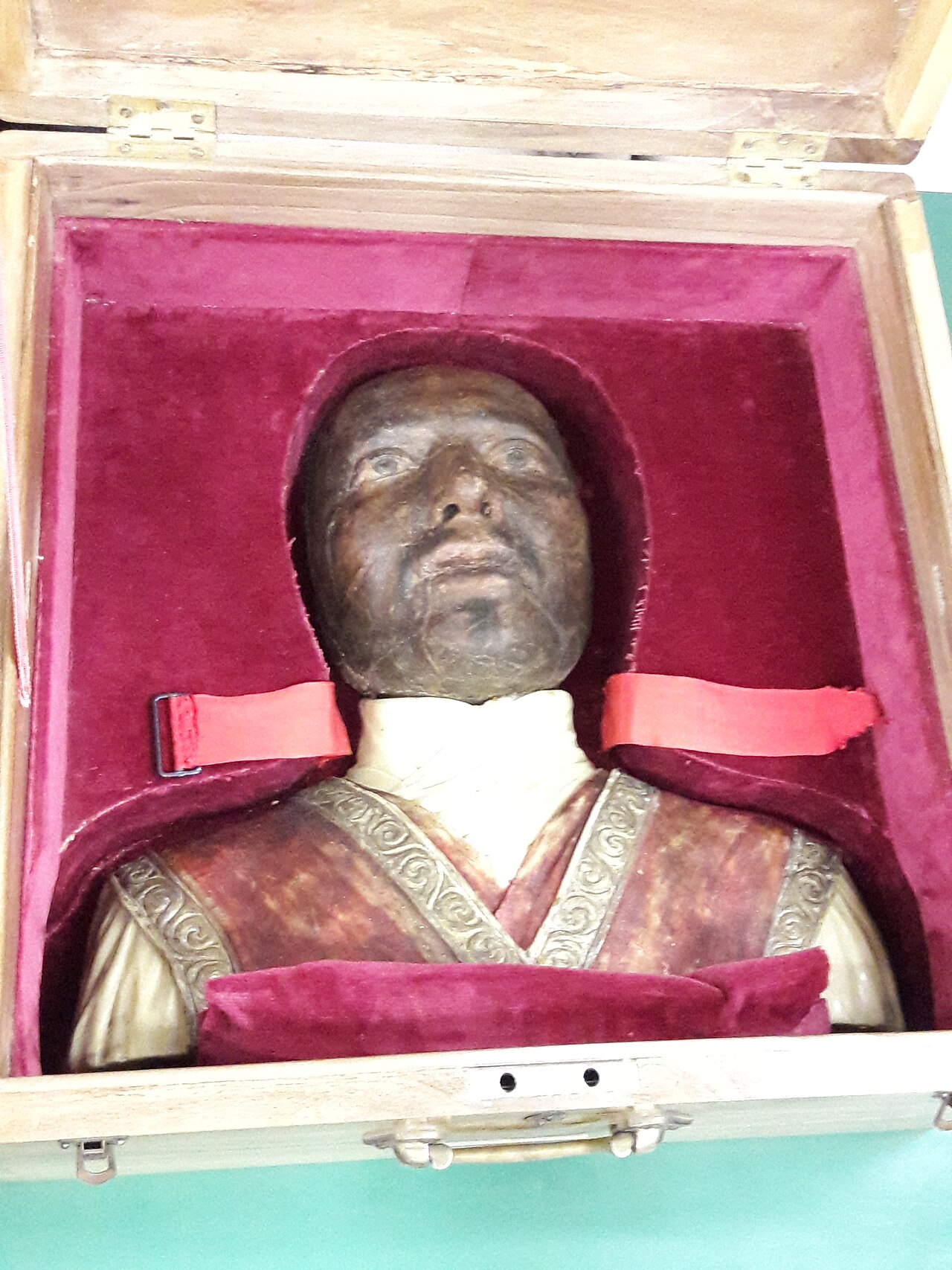
Death Mask of Ignatius of Loyola
Unknown · 1556

Free account
Read every Ignatius of Loyola source
Sign up free →
Ready when you are
Start chatting with Ignatius of Loyola now.
20 messages free · No credit card · Available in 50+ languages.