


Primary sourcePainting1560
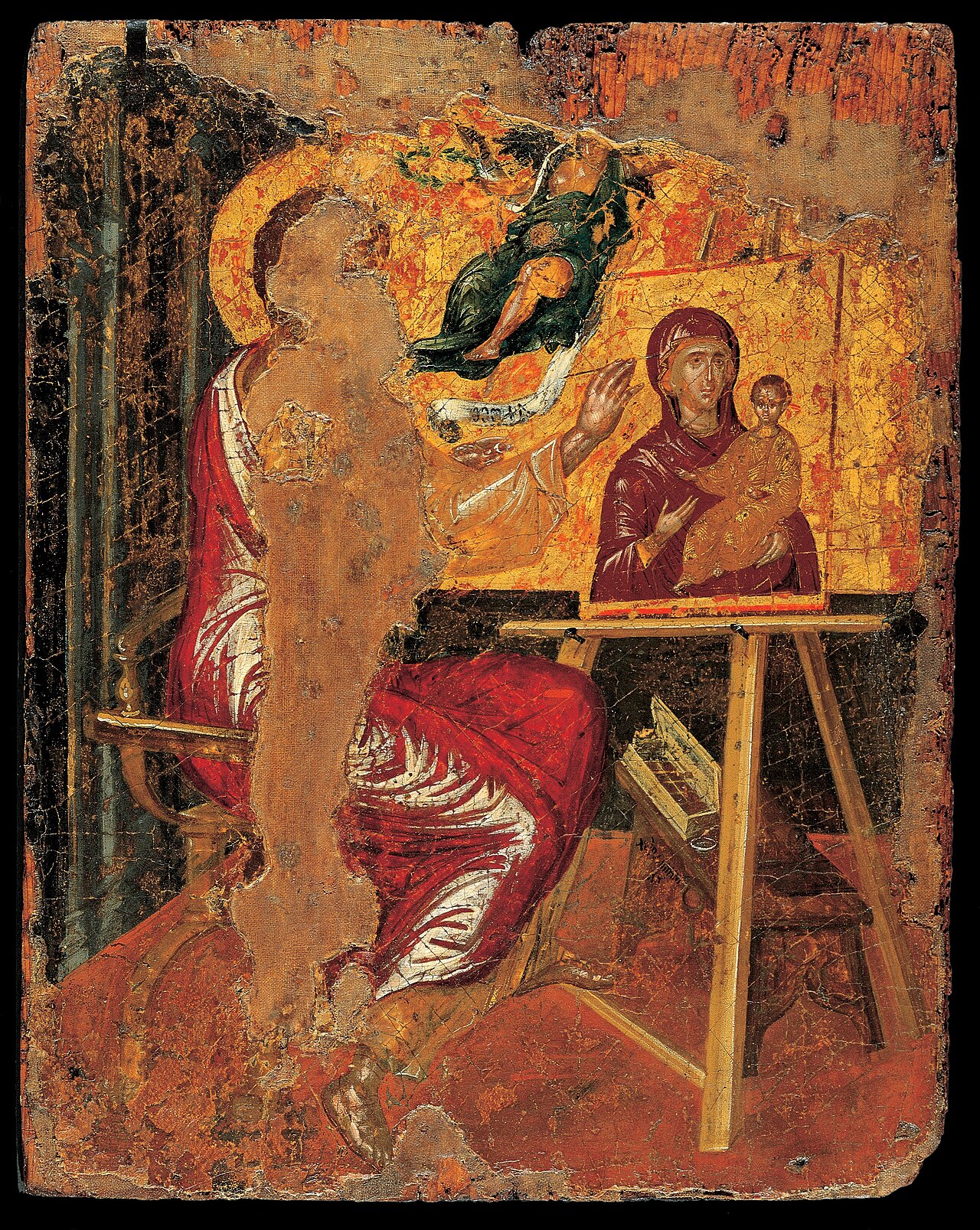
St Luke painting the Virgin
El Greco · 1560
A signed icon by El Greco showing Saint Luke painting the Virgin Mary, made while he was still working in the Cretan icon tradition.
A signed early icon by El Greco, made before he left Crete, showing his roots in Byzantine painting.
About this source
What it is
This gold-background icon, painted around 1560 by El Greco, shows Saint Luke seated with a brush, working at an easel on which the Virgin Mary and Christ Child appear. An angel hovers above holding a scroll. It is held at the Benaki Museum.
Why it matters
Saint Luke was traditionally believed to have painted the first portrait of the Virgin, making him the patron of painters. By choosing this subject, El Greco made a statement about his own craft and its sacred status, early in his career while he still worked within the Cretan icon-painting tradition before his later move to Italy and Spain.
Look closer
- Why might a painter choose to depict another painter at work?
- What does the gold background and worn, cracked paint tell you about how and when this was made?
- What might the angel with the scroll represent?
This painting is part of the curated material that grounds the AI version of El Greco on Humy.ai — when students ask about related events, the AI can quote it and cite it.
More El Greco sources
Browse all 98 →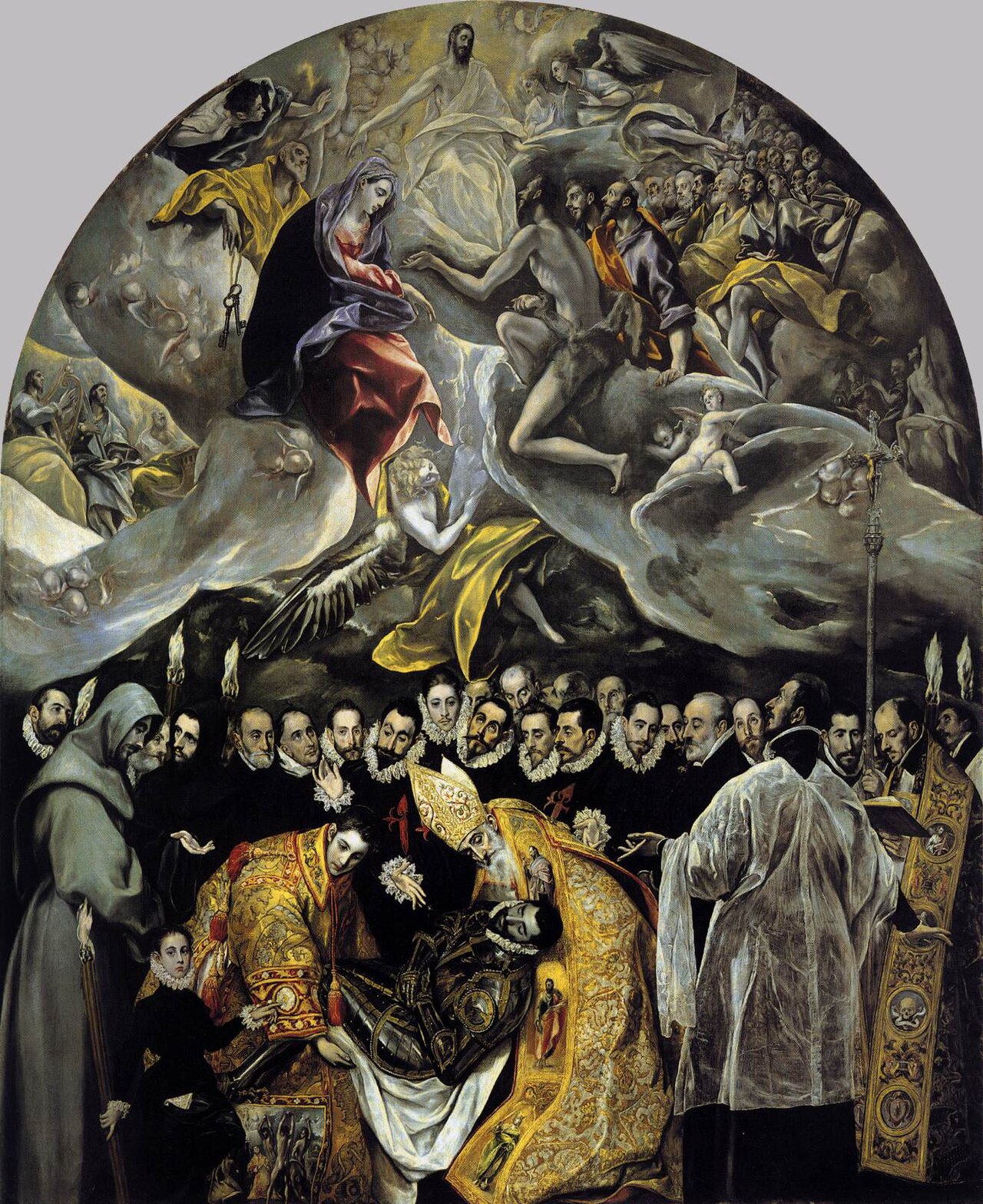 Painting
Primary source
The Burial of the Count of Orgaz
El Greco · 1586
 Painting
Primary source
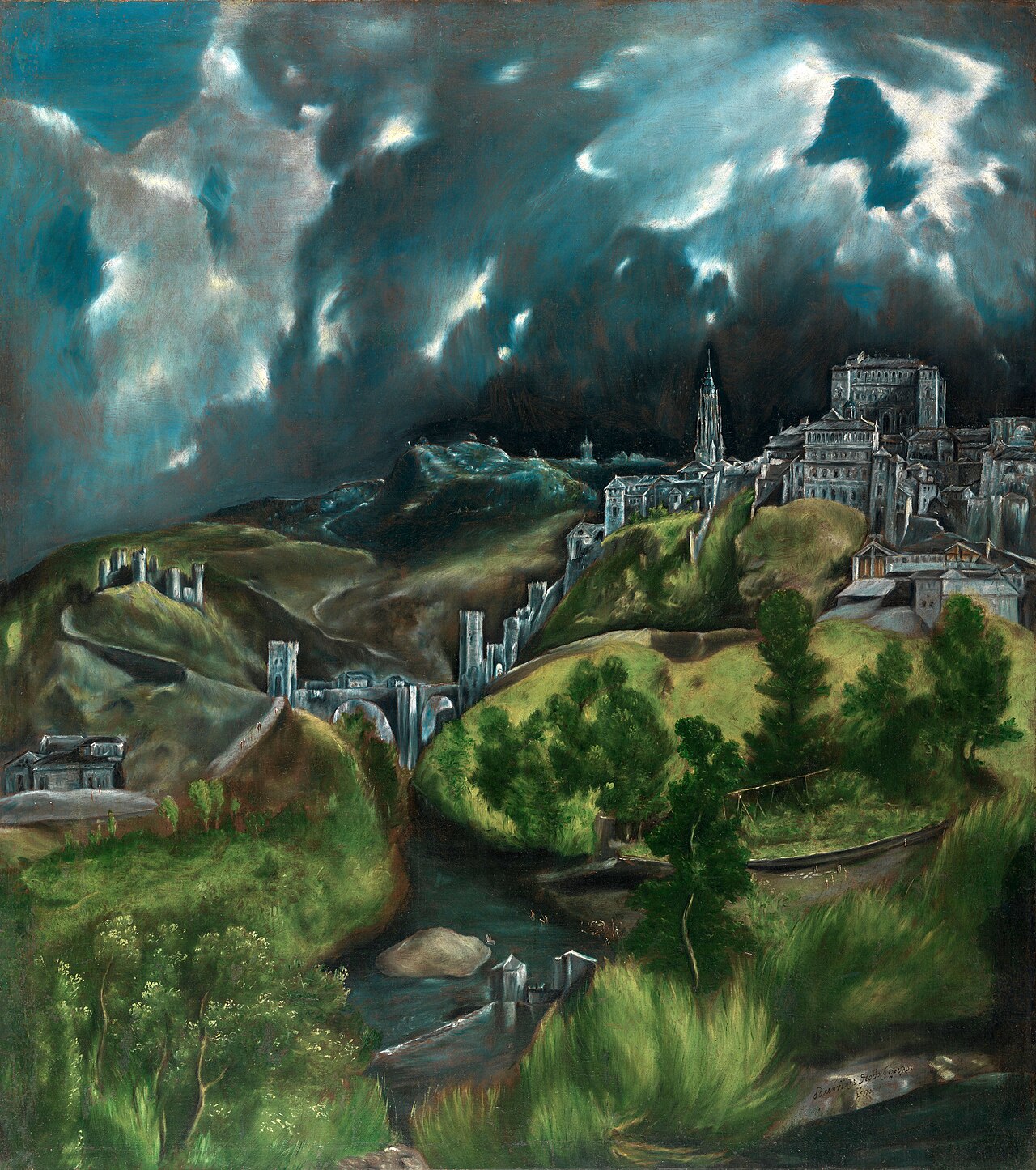
View of Toledo
El Greco · c. 1595-1600
 Painting
Primary source
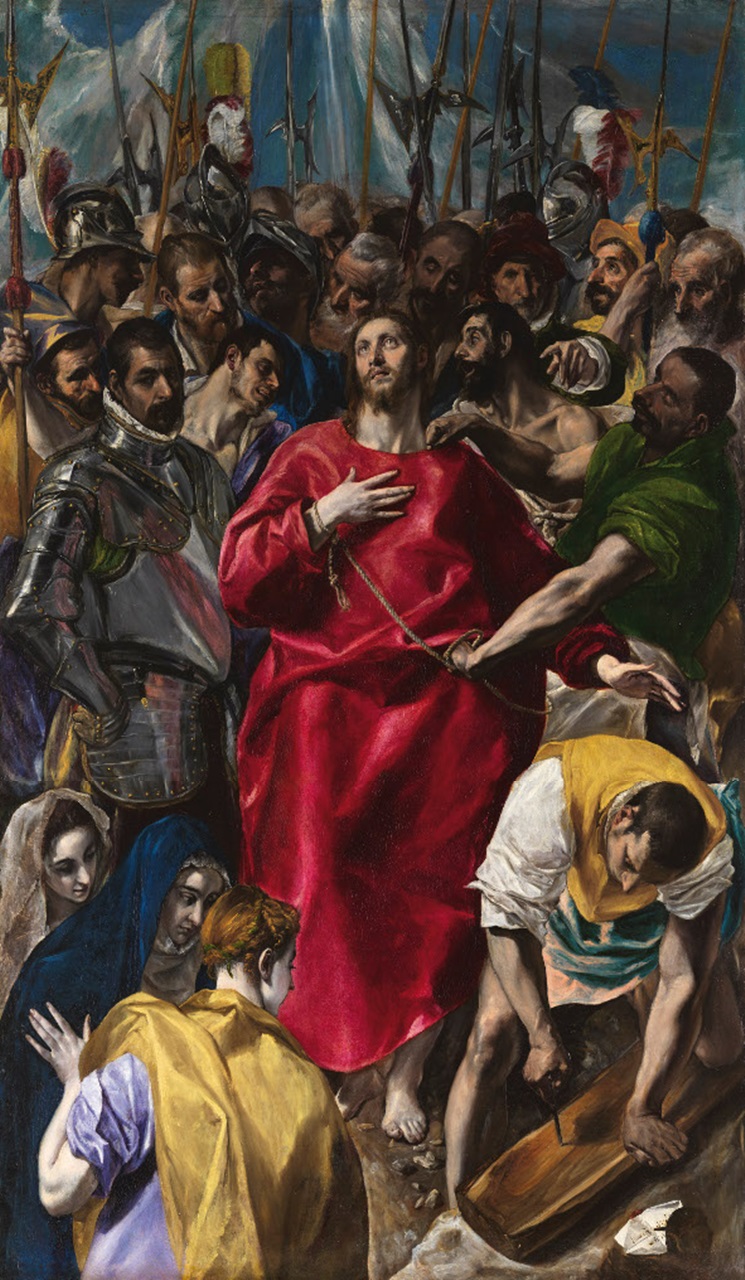
The Disrobing of Christ
El Greco · 1577-1579
 Painting
Primary source
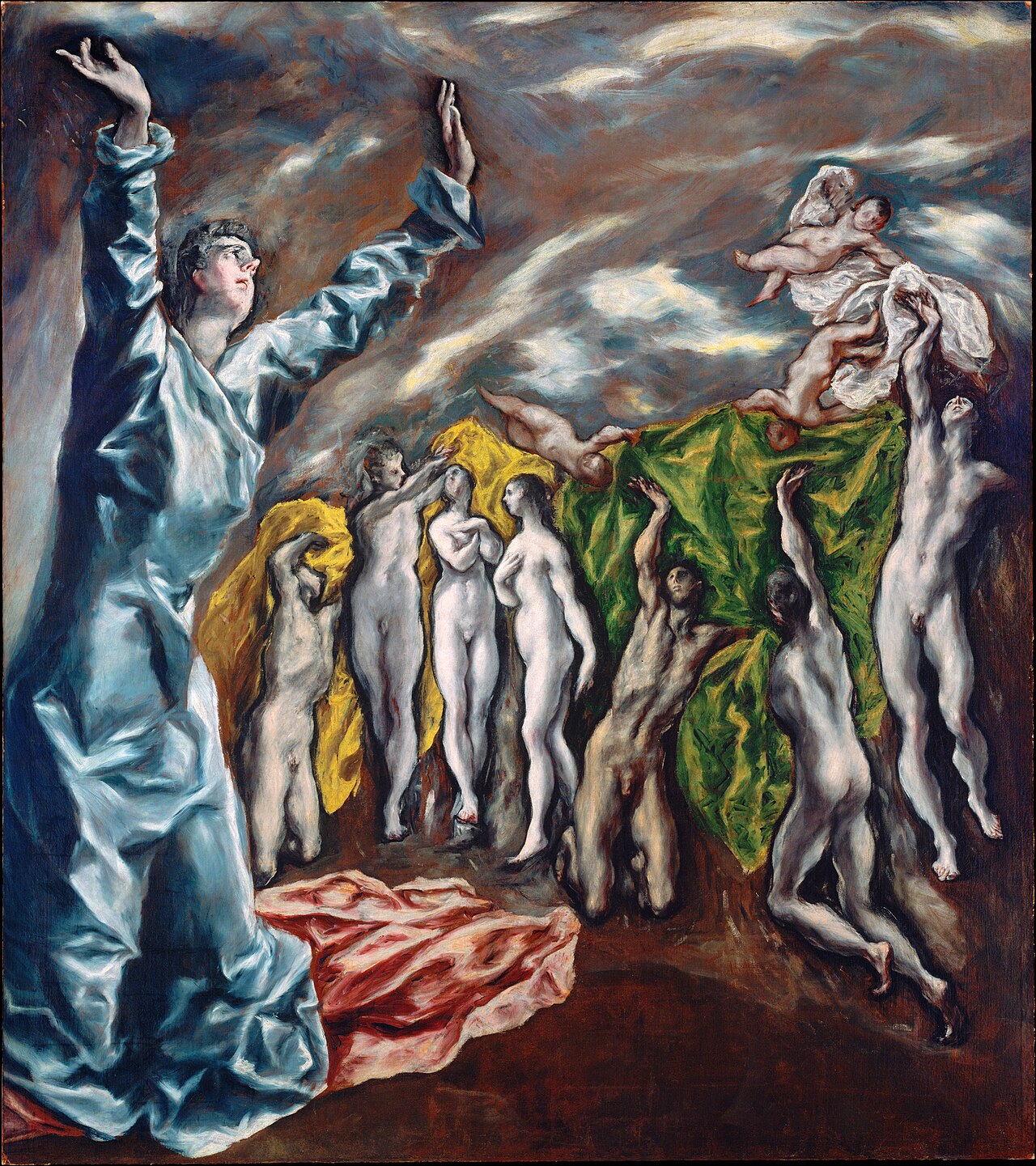
Opening of the Fifth Seal
El Greco · c. 1608-1614
Free account
Read every El Greco source
Sign up free →
Ready when you are
Start chatting with El Greco now.
20 messages free · No credit card · Available in 50+ languages.