


Secondary sourcePhotograph2010
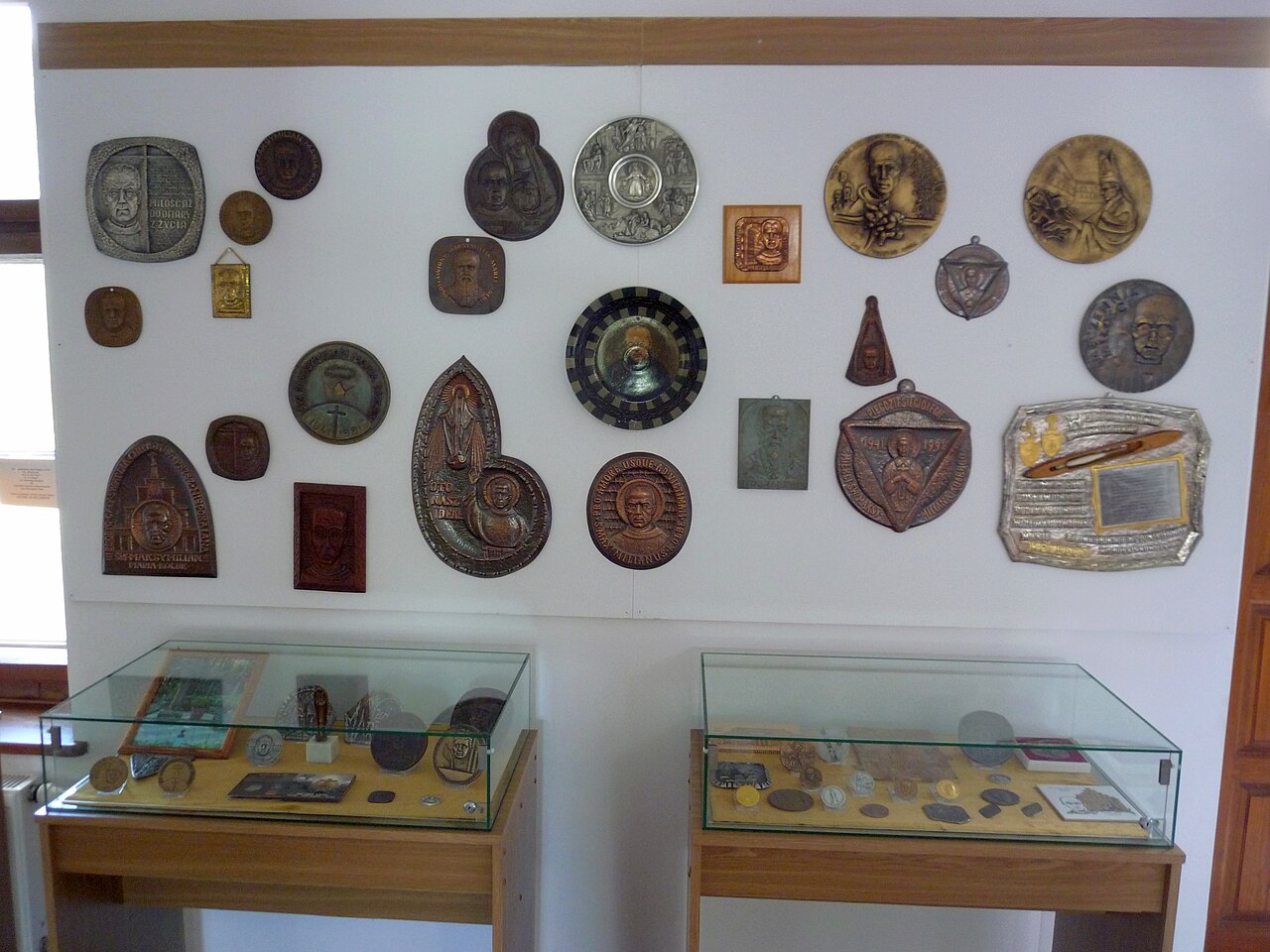
St. Maximilian Museum at Niepokalanów, Interior View
Fczarnowski · 2010
An interior view of the museum at Niepokalanów, opened in 1998, which presents Kolbe's life through medallions, coins and photographs.
A view inside the museum dedicated to Kolbe at Niepokalanów, the friary associated with his life and work.
About this source
What it is
This photograph shows a room in the Museum of St. Maximilian Kolbe at Niepokalanów, opened in August 1998. The walls display bronze and metal medallions and plaques, many with relief portraits and religious motifs, alongside glass cases holding coins, medals and photographs.
Why it matters
Niepokalanów was founded as a Franciscan friary connected to Kolbe, and the museum was created to tell his life story to visitors. The sheer number of commemorative medals and plaques on display shows how extensively his memory has been honoured in Catholic devotional culture since his canonization.
Look closer
- Why might so many different medals and plaques have been made to honour one person?
- What does a museum dedicated entirely to one friar's life tell you about his significance to the Church?
- What questions would you want to ask about the objects you can't clearly see in the cases?
This photograph is part of the curated material that grounds the AI version of Maximilian Kolbe on Humy.ai — when students ask about related events, the AI can quote it and cite it.
More Maximilian Kolbe sources
Browse all 59 →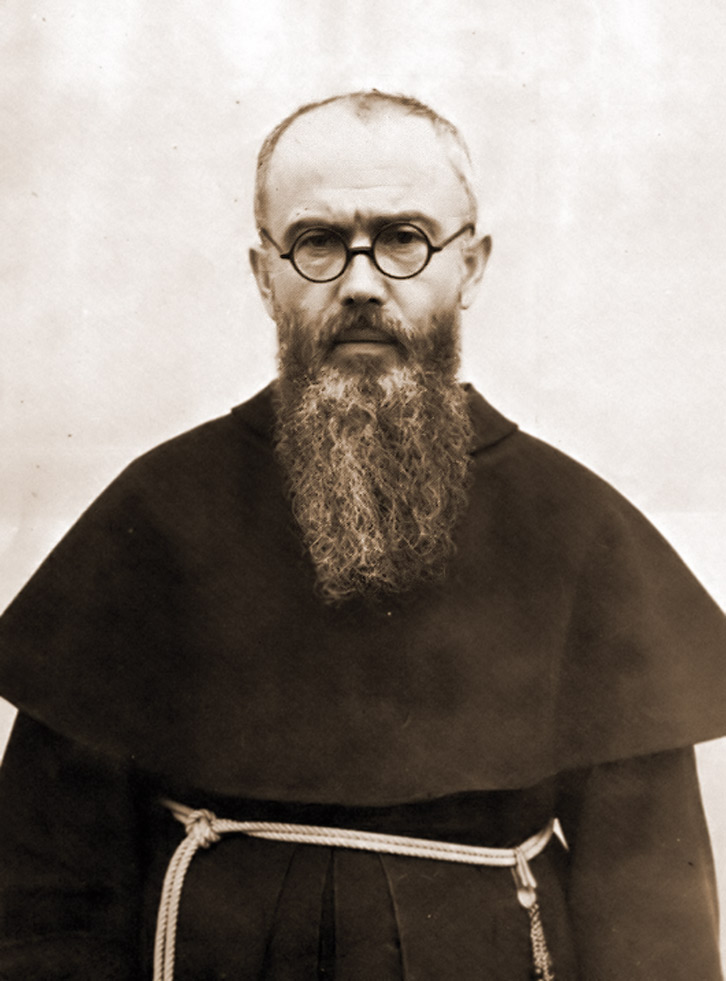 Photograph
Primary source
Portrait of Maximilian Kolbe
1936
 Artifact
Secondary source
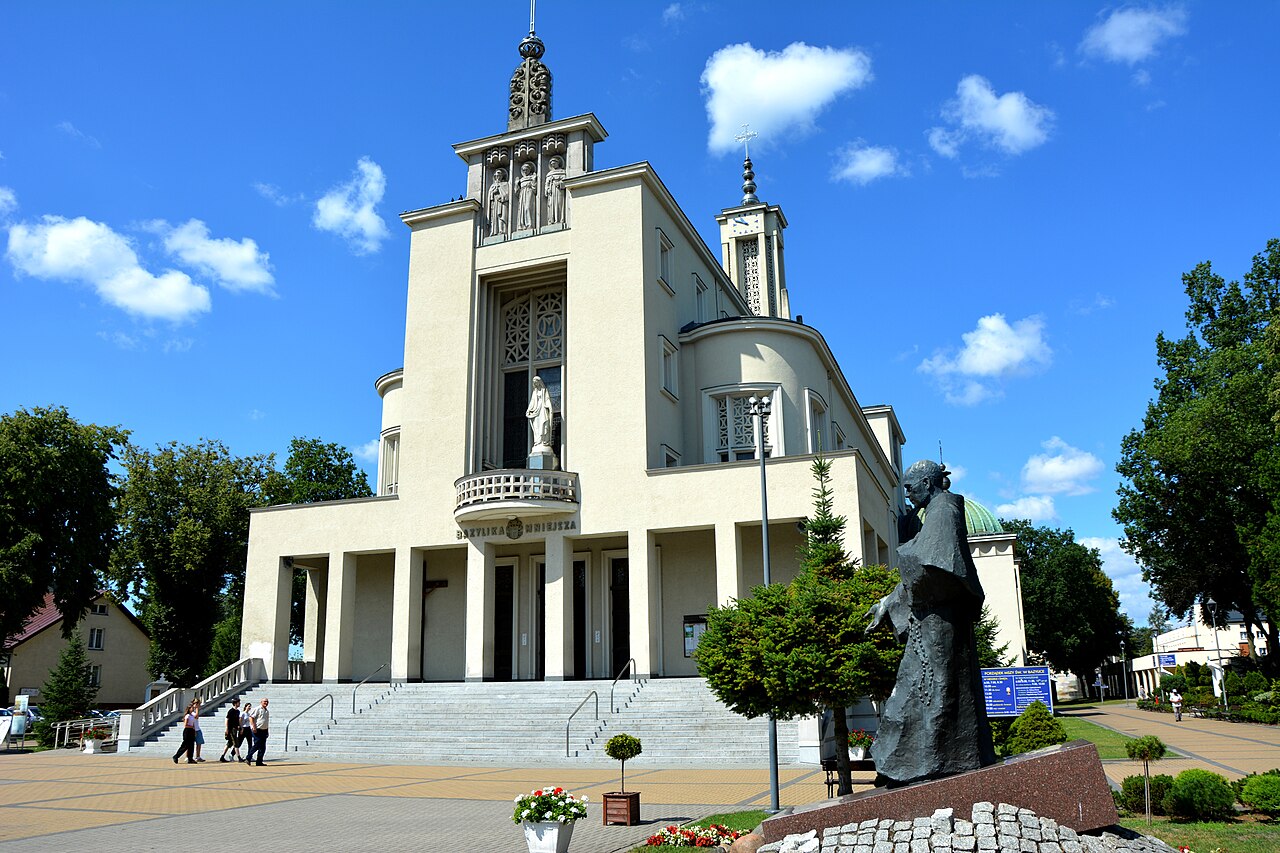
Niepokalanów
founded 1927
 Photograph
Primary source
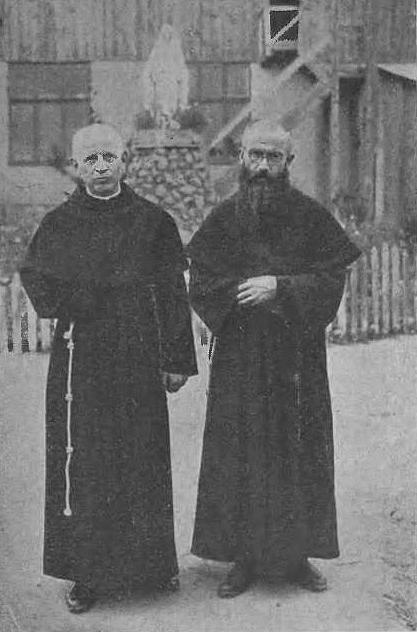
Korneli Czupryk and Maksymilian Kolbe before departure to Japan
1933
 Document
Primary source
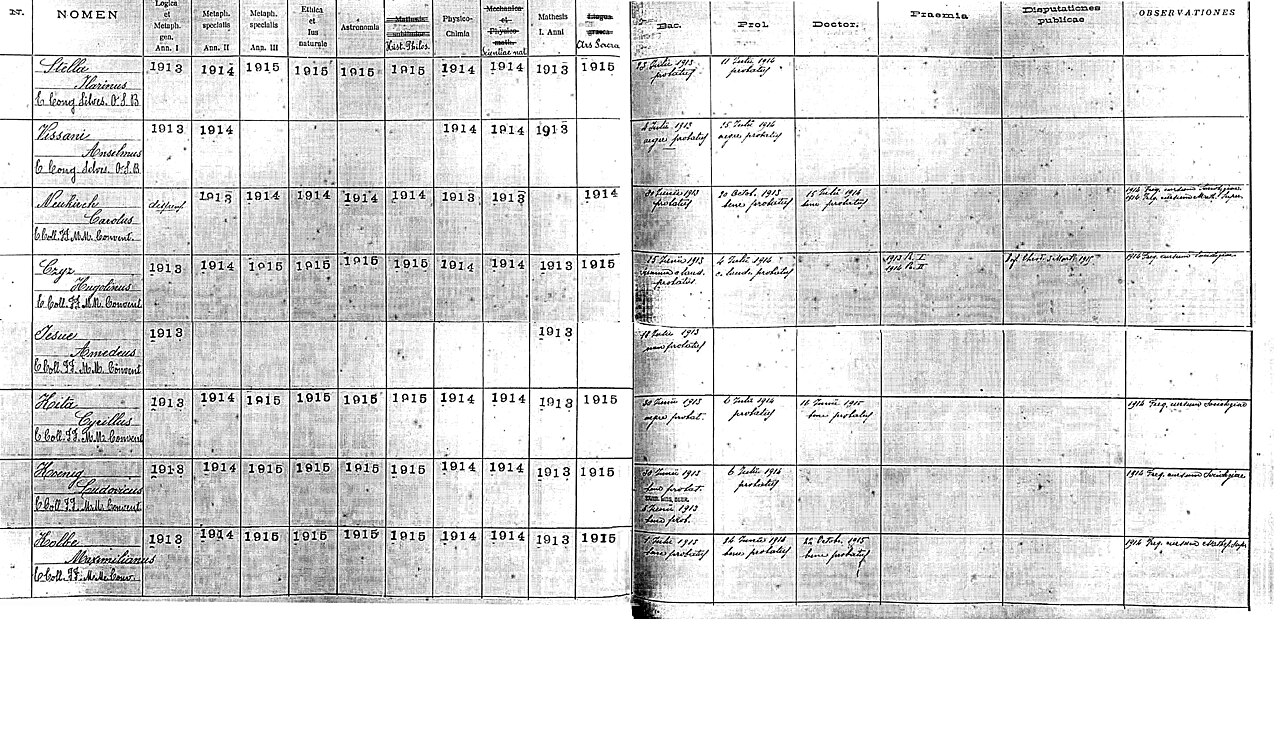
Kolbe Curriculum Studiorum
Pontificia Università Gregoriana - Segreteria generale · 1913-1919
Free account
Read every Maximilian Kolbe source
Sign up free →
Ready when you are
Start chatting with Maximilian Kolbe now.
20 messages free · No credit card · Available in 50+ languages.