


Secondary sourceBook16th century (1560s-1570s)
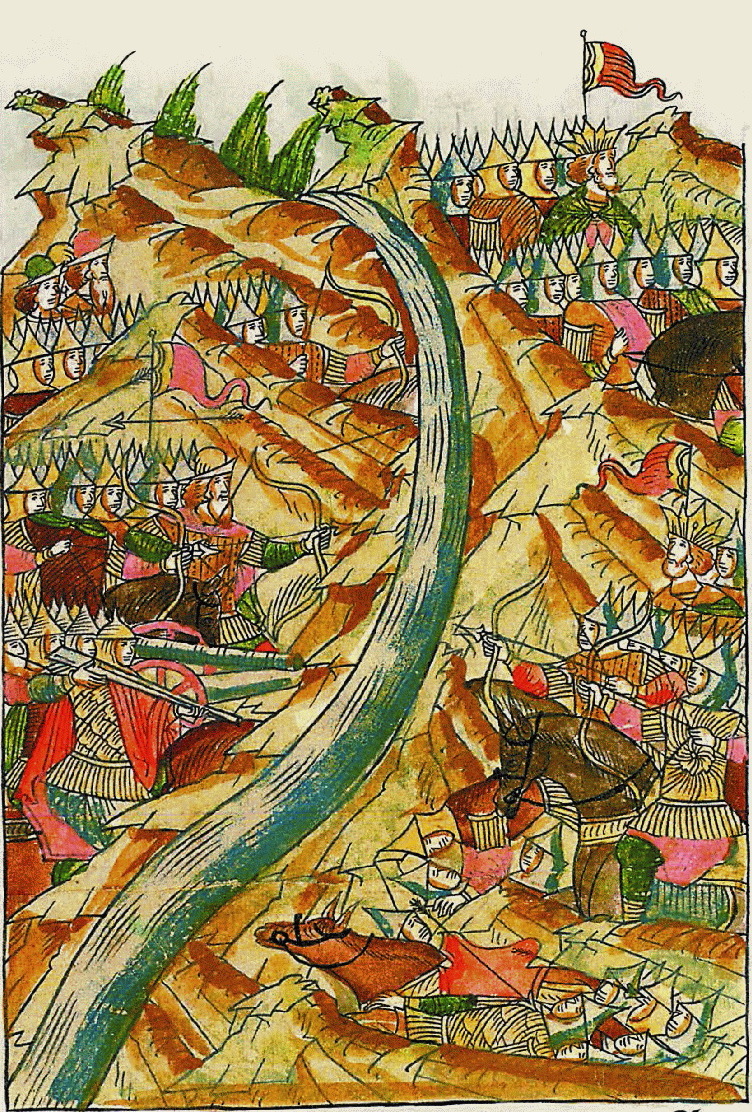
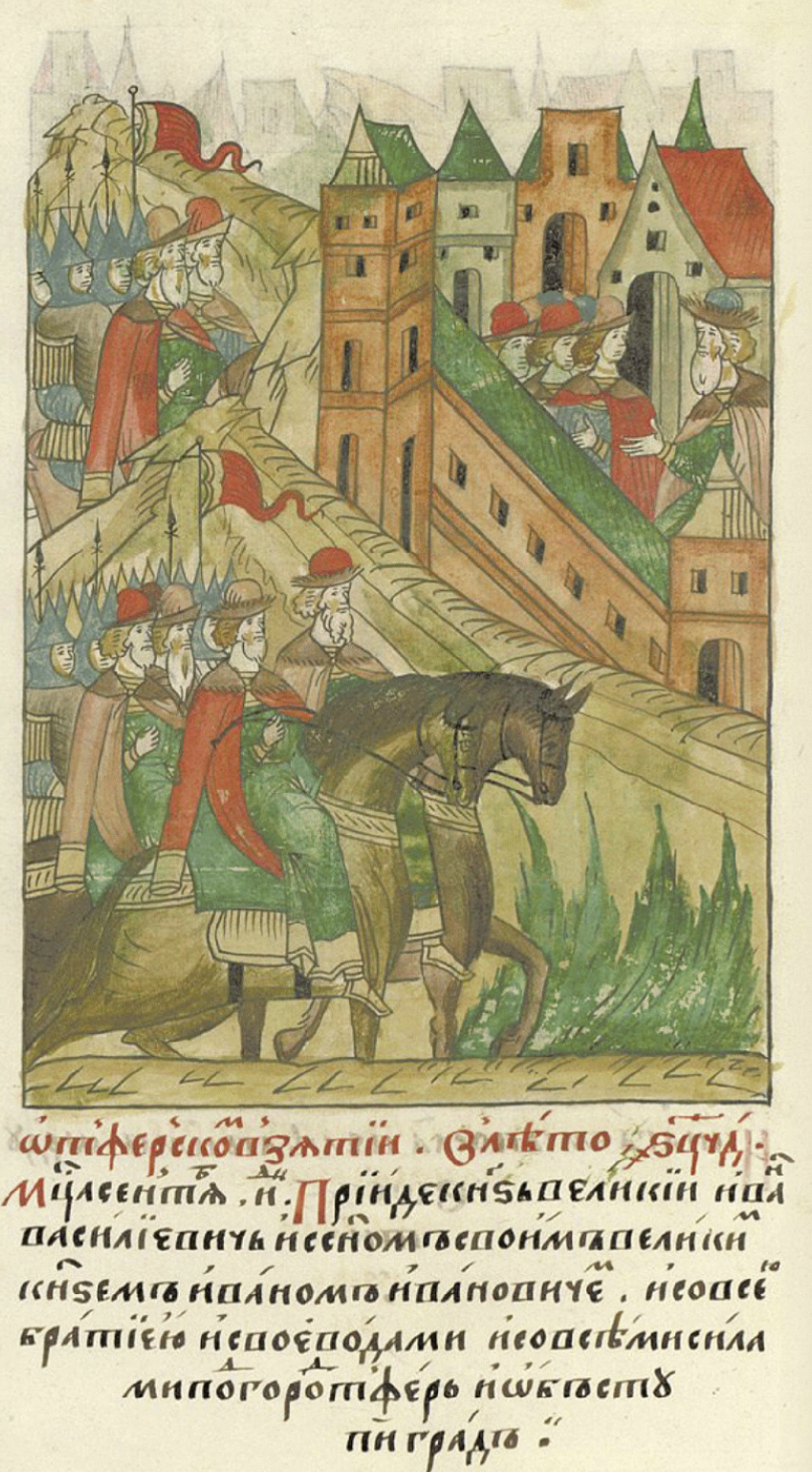
Stand on the Ugra, Facial Chronicle miniature
Anonymous Russian manuscript illuminators · 16th century (1560s-1570s)
A 16th-century manuscript miniature of the 1480 standoff on the Ugra river, which ended Tatar rule over Moscow. It shows archers and fallen soldiers across a river.
Shows the 1480 standoff on the Ugra that ended Tatar rule, a turning point in Ivan III's reign.
About this source
What it is
This is a colored miniature from a Russian chronicle manuscript, part of the Facial Chronicle made in the 1560s and 1570s. It shows armored soldiers with pointed helmets firing bows and crossbows from a hillside across a winding blue river. Figures on the far bank and among the rocks lie fallen. A red and white banner flies at the upper right. The caption quotes the chronicle: our men beat many foes with arrows and muskets, and the enemy arrows fell between them without hurting anyone.
Why it matters
In 1480 Ivan III's forces faced the army of the Great Horde on the Ugra river. Neither side attacked in full force, and the Horde withdrew, which ended Tatar overlordship of Moscow. The picture was drawn about eighty years later and shows how the event was remembered in the sixteenth century, when Moscow saw itself as the defender of Russian lands.
Look closer
- Which side does the picture show as winning, and how can you tell from the fallen figures?
- Why might a chronicle writer quote the text about arrows that did no harm?
- What does the picture leave out, such as the commanders or the cause of the standoff?
This book is part of the curated material that grounds the AI version of Ivan III of Russia on Humy.ai — when students ask about related events, the AI can quote it and cite it.
More Ivan III of Russia sources
Browse all 98 →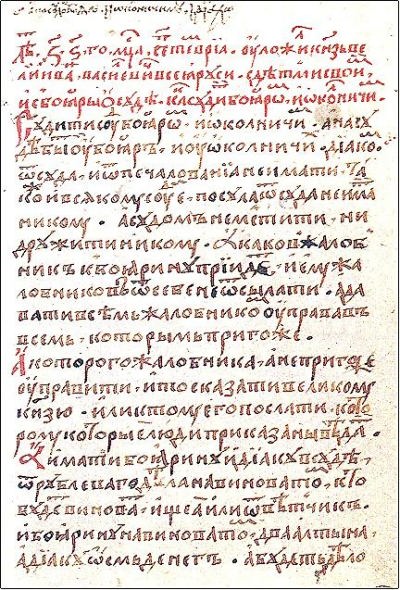 Document
Primary source
Sudebnik of 1497
1497
 Artifact
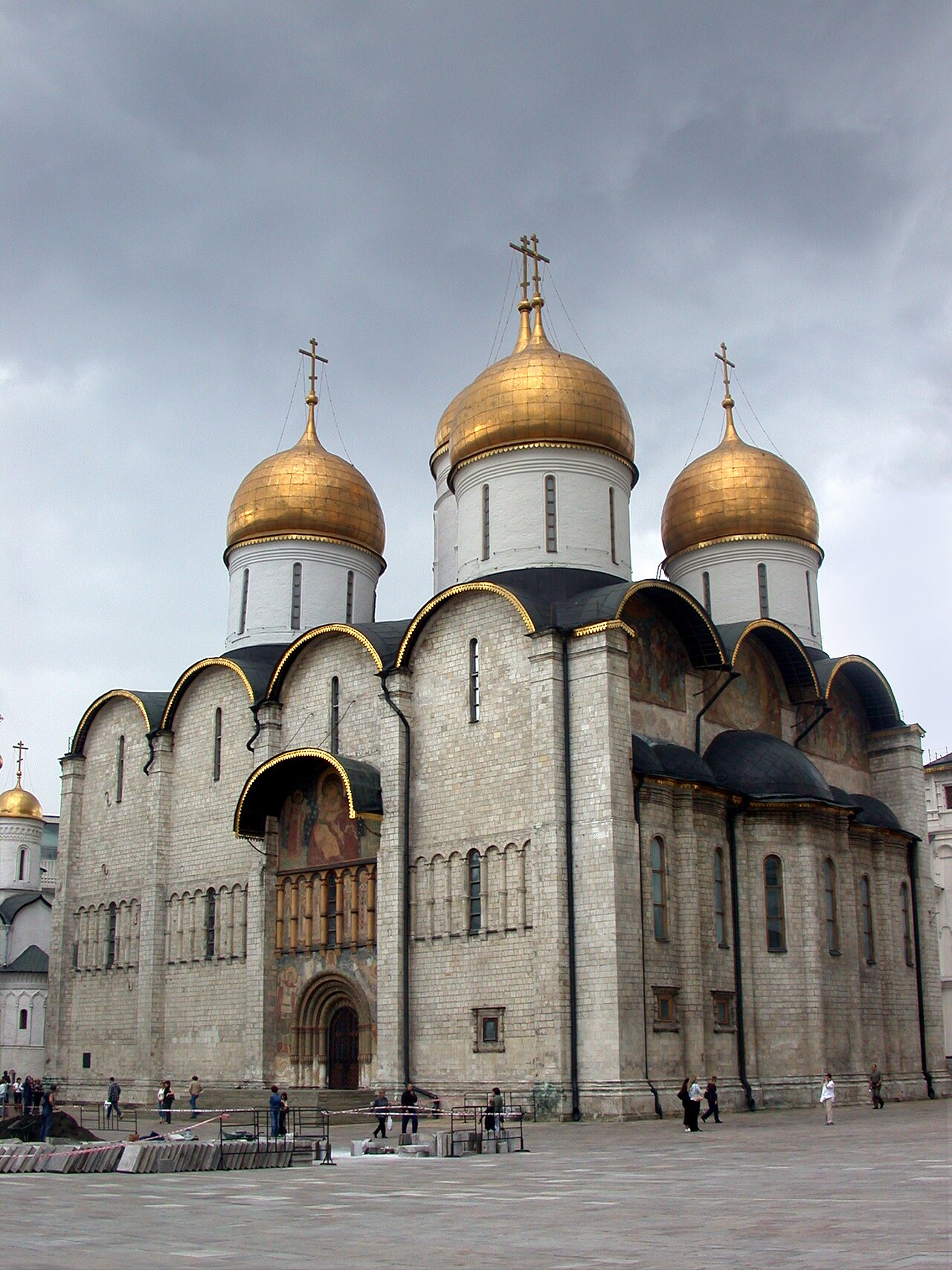
Primary source
Dormition Cathedral
Aristotele Fioravanti · 1475-1479
 Artifact
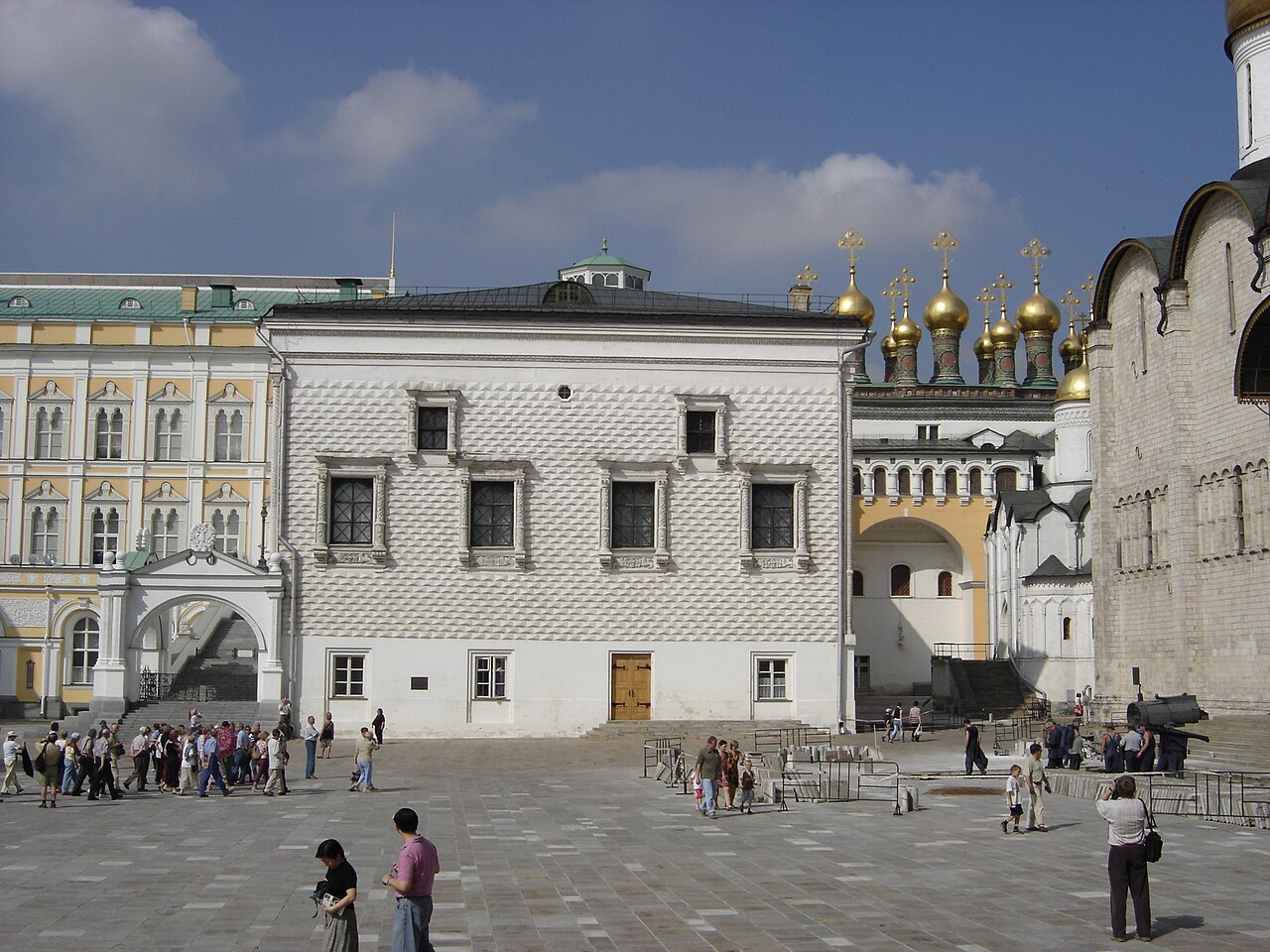
Primary source
Palace of Facets
Marco Ruffo and Pietro Antonio Solari · 1487-1492
 Artifact
Primary source
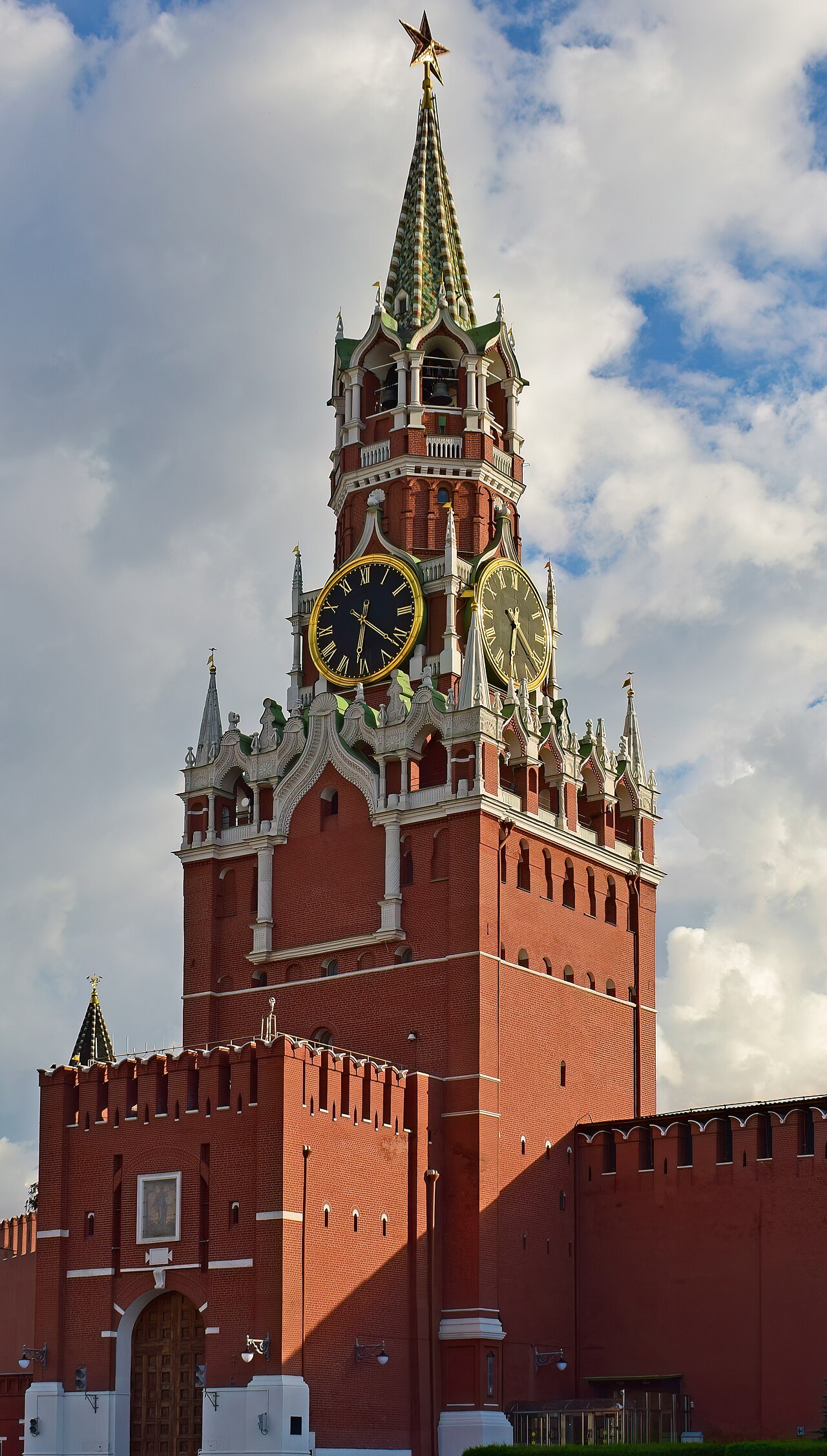
Spasskaya Tower
Pietro Antonio Solari · 1491
Free account
Read every Ivan III of Russia source
Sign up free →
Ready when you are
Start chatting with Ivan III of Russia now.
20 messages free · No credit card · Available in 50+ languages.