


Primary sourcePaintingc. 1870
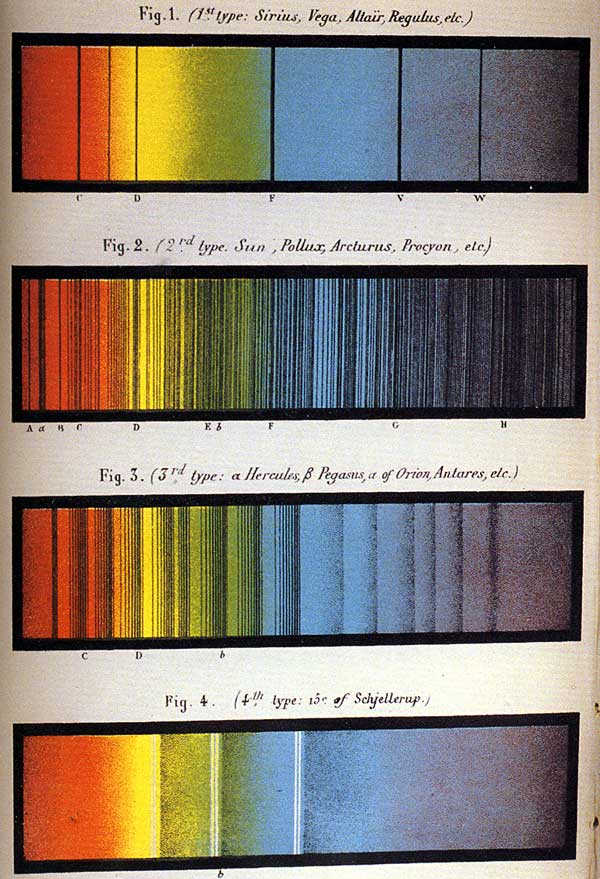
Star spectra by Secchi
c. 1870
A colored lithograph from a book published around 1870 shows Secchi's four classes of stellar spectra. It belongs to the spectroscopy era in which Kirchhoff worked.
It does not show Kirchhoff but illustrates the stellar spectroscopy of his era, the research field where his work applied.
About this source
What it is
This colored lithograph, made around 1870, shows four classes of stellar spectra, arranged as Secchi's classification. It comes from a book published around that time. Each band is a strip of color crossed by dark lines. Fig. 1 has few dark lines, Fig. 2 has many fine lines, Fig. 3 has many dark lines, and Fig. 4 has a few bright and dark lines. The principal lines are labeled with letters that Fraunhofer assigned. The catalogue record does not name the author.
Why it matters
Kirchhoff worked in the era of spectroscopy, when astronomers used spectrographs on large telescopes to study starlight. The record explains that the brightest stars give the clearest spectra, while most stars are much fainter and harder to observe. This chart shows how the field sorted starlight, using line patterns first mapped by Fraunhofer. It does not show Kirchhoff himself, but it shows the scientific world he was part of.
Look closer
- What differences between the four bands can you see, and how might astronomers use them to sort stars?
- Who would have been looking through a spectrograph, and why would faint stars be harder to study?
- The record does not name the author of this lithograph. What might that tell you about how scientific images were made and shared?
This painting is part of the curated material that grounds the AI version of Gustav Kirchhoff on Humy.ai — when students ask about related events, the AI can quote it and cite it.
More Gustav Kirchhoff sources
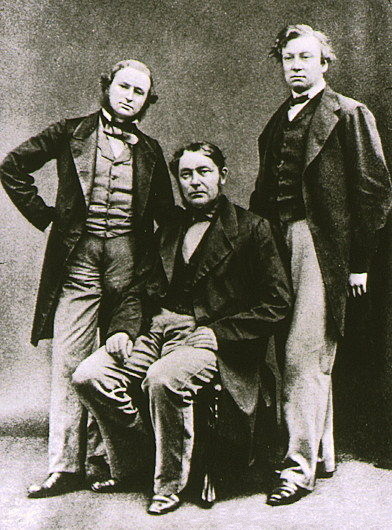
Browse all 55 →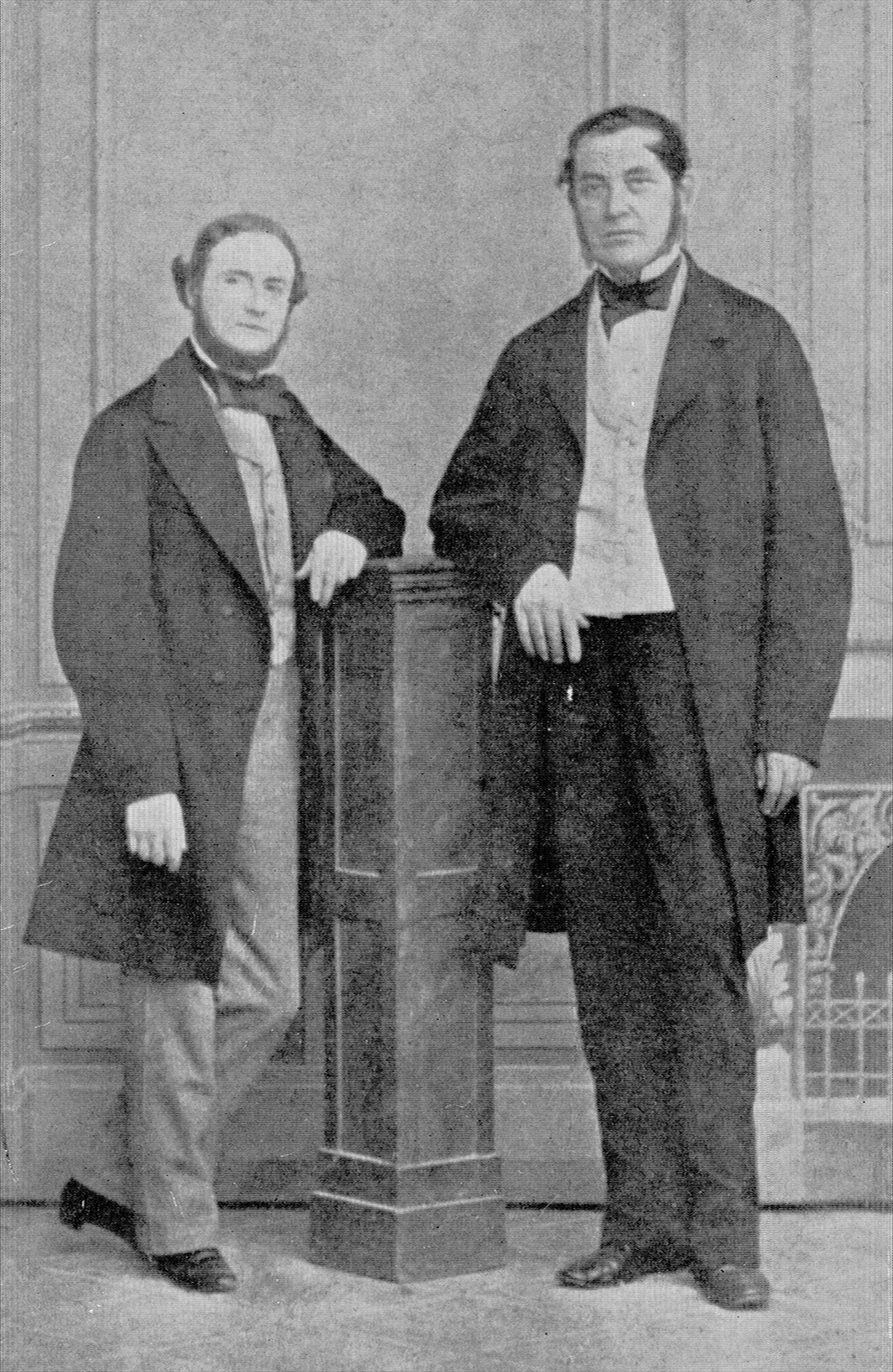 Photograph
Primary source
Photograph of Bunsen and Kirchhoff
Unknown
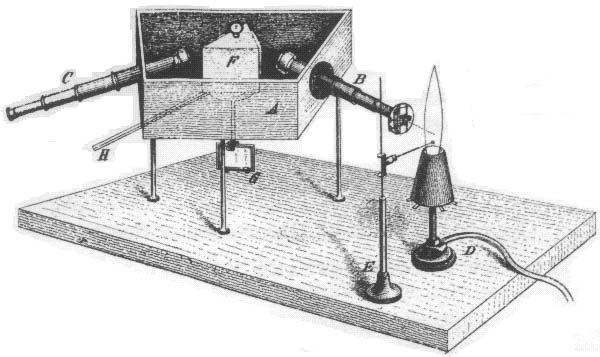
 Document
Primary source
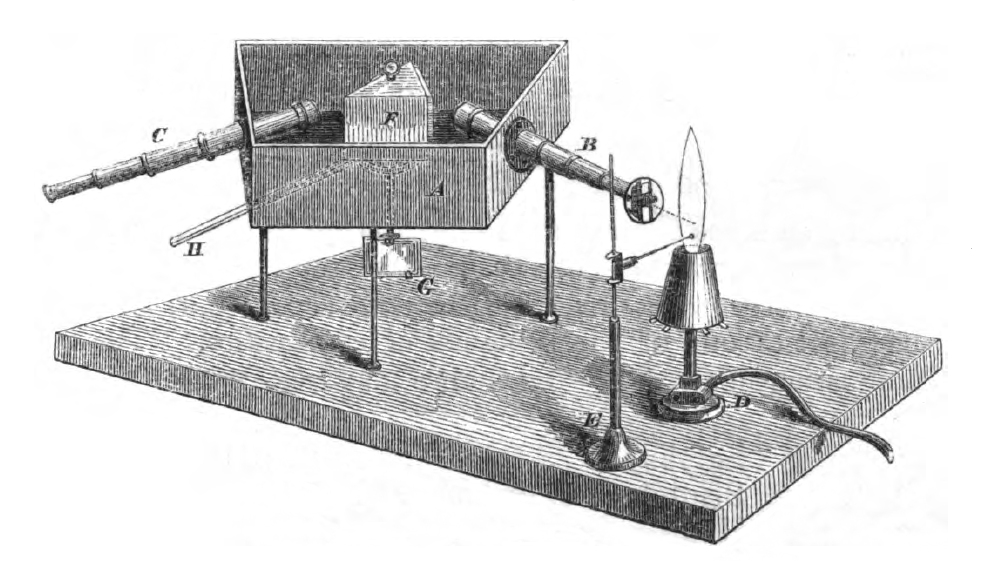
Spectrometer in Chemical Analysis by Spectrum-observations
Gustav Kirchhoff & Robert Bunsen · August 1860
 Book
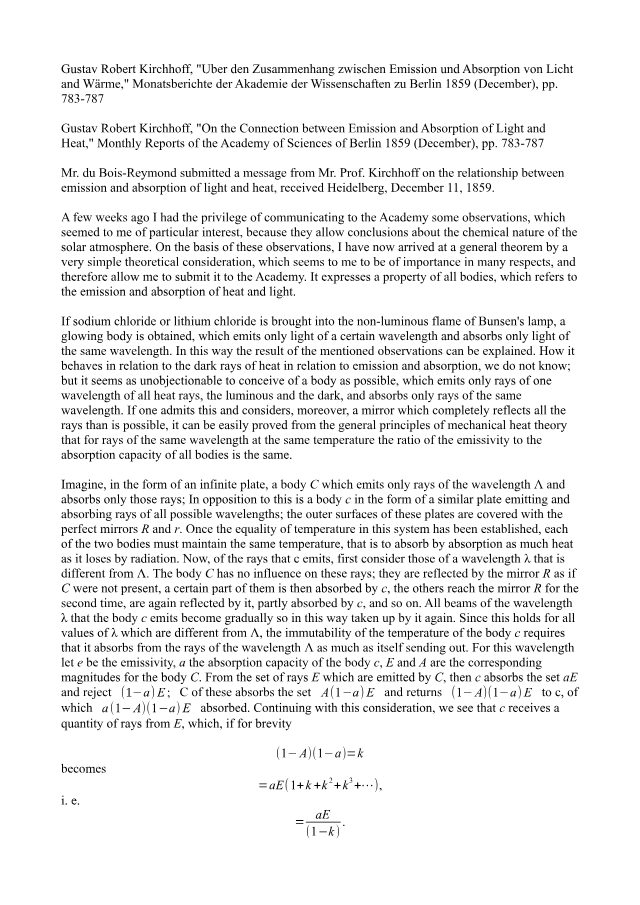
Primary source
The Laws of Radiation and Absorption: Memoirs by Kirchhoff and Others
D. B. Brace (editor and translator) · 1901
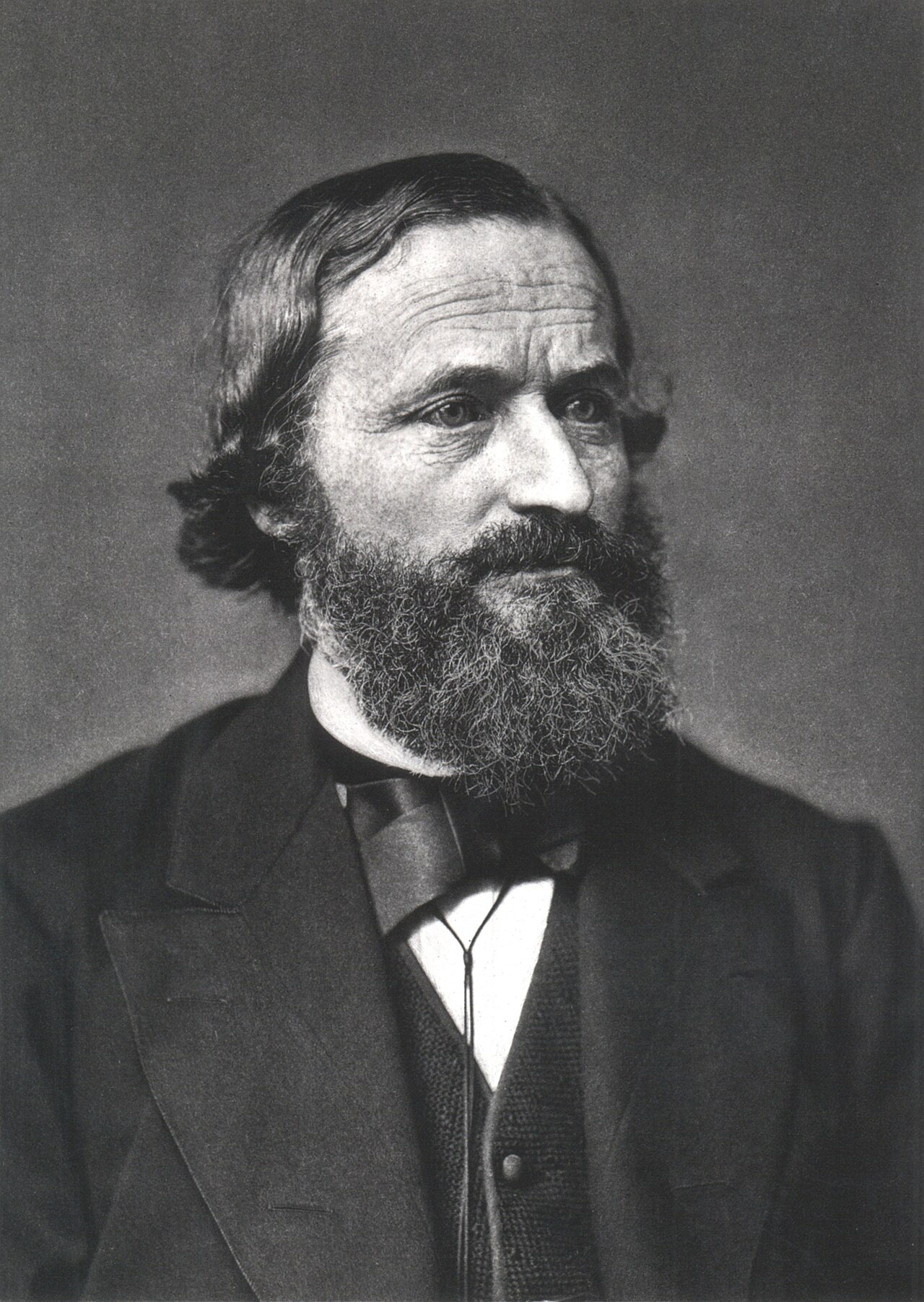 Photograph
Primary source
Portrait of Gustav Kirchhoff
Free account
Read every Gustav Kirchhoff source
Sign up free →
Ready when you are
Start chatting with Gustav Kirchhoff now.
20 messages free · No credit card · Available in 50+ languages.