


Primary sourceArtifact2004
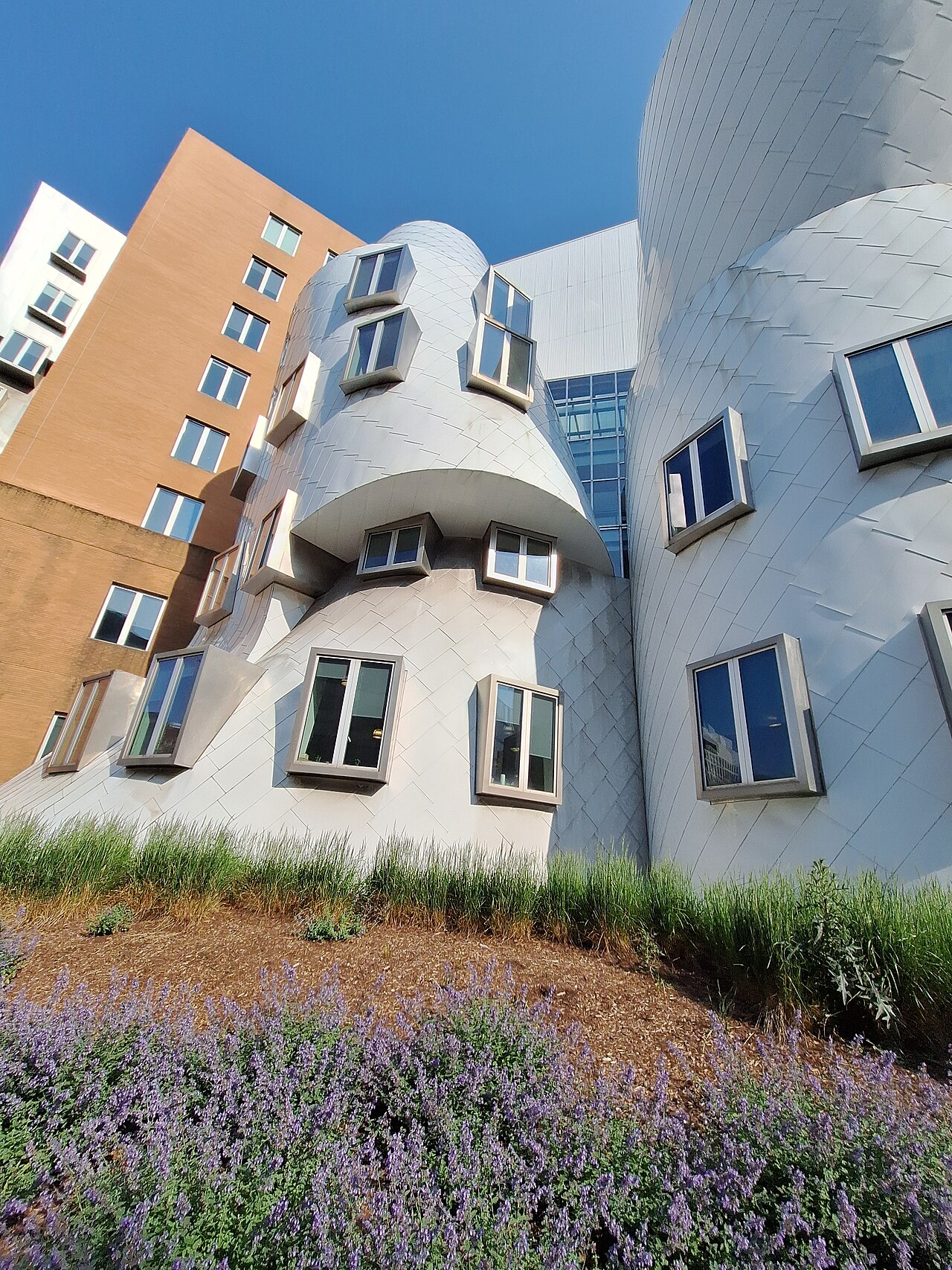
Stata Center
Frank Gehry · 2004
An MIT research and classroom building designed by Frank Gehry, known for its tilted, colliding forms.
Gehry's design for this MIT building, later the subject of a lawsuit over construction defects.
About this source
What it is
The Ray and Maria Stata Center, sometimes called Building 32, is an academic complex at the Massachusetts Institute of Technology (MIT), designed by architect Frank Gehry. It opened in 2004 on the site of MIT's old wartime Building 20, and houses research labs, classrooms and offices for computer science, linguistics and other departments.
Why it matters
The Stata Center shows Gehry's deconstructivist style applied to a working research building, with tilted columns, swerving walls and a mix of materials such as brick, steel and aluminum. A critic described its look as a deliberate metaphor for the freedom and creativity of the research happening inside. The building later became the subject of a widely reported lawsuit over leaks and construction problems, revealing the practical challenges of such experimental designs.
Look closer
- Why might a university want a building that looks 'unfinished' or 'about to collapse'?
- What problems might come from designing a building with such unusual, tilted forms?
- How does the building's appearance reflect the kind of work done inside it?
This artifact is part of the curated material that grounds the AI version of Frank Gehry on Humy.ai — when students ask about related events, the AI can quote it and cite it.
More Frank Gehry sources
Browse all 76 →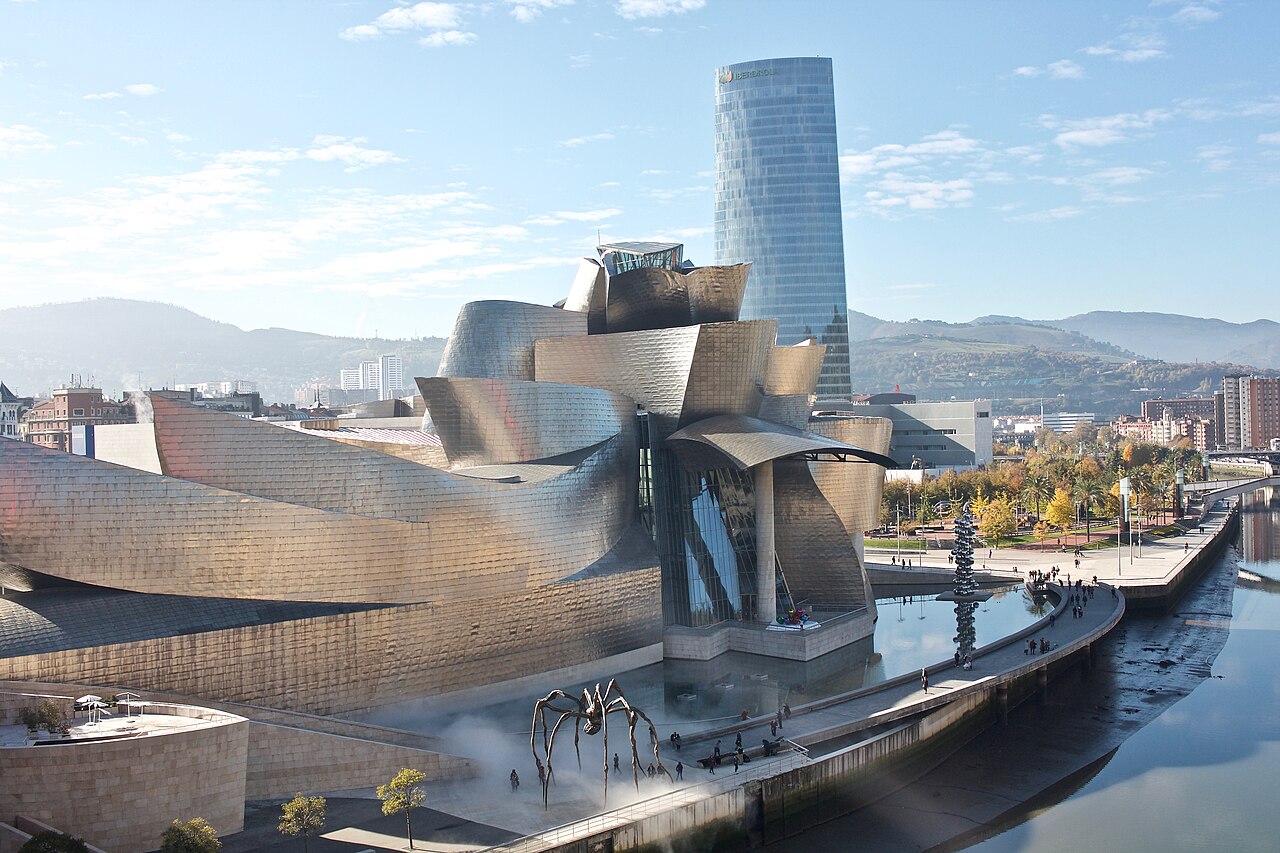 Artifact
Primary source
Guggenheim Museum Bilbao
Frank Gehry · 1997
 Artifact
Primary source
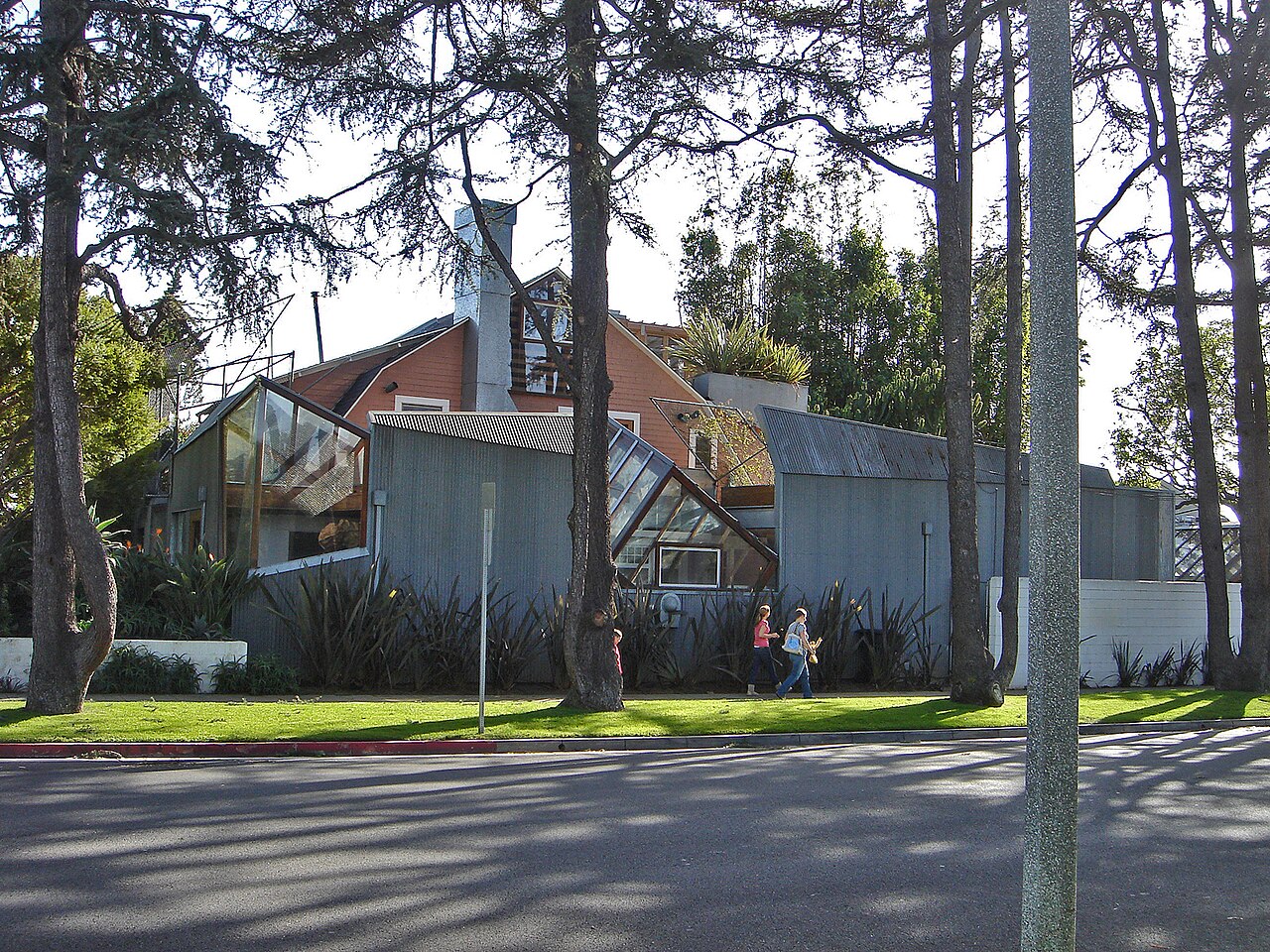
Gehry Residence
Frank Gehry · 1976
 Artifact
Primary source
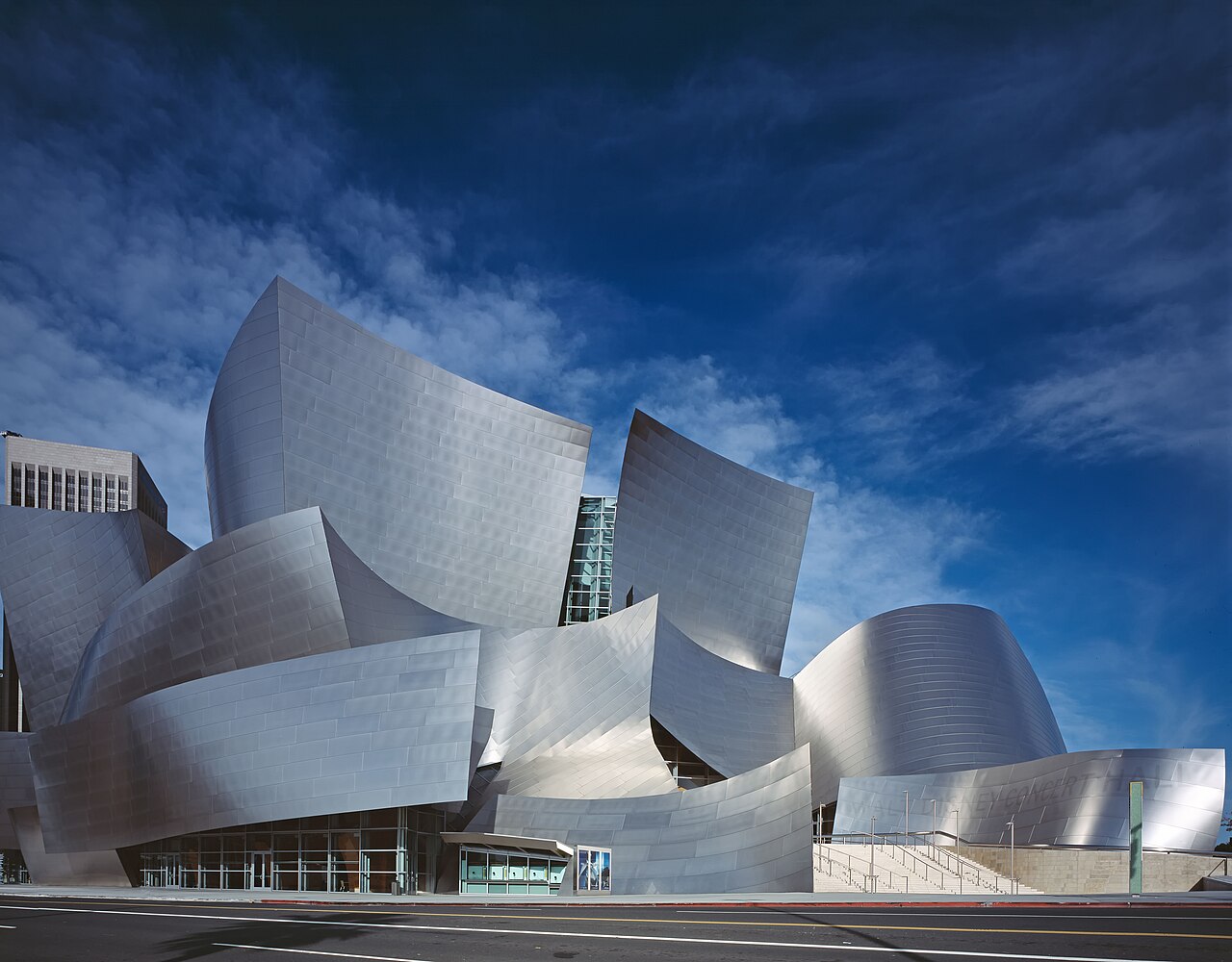
Walt Disney Concert Hall
Frank Gehry · 2003
 Artifact
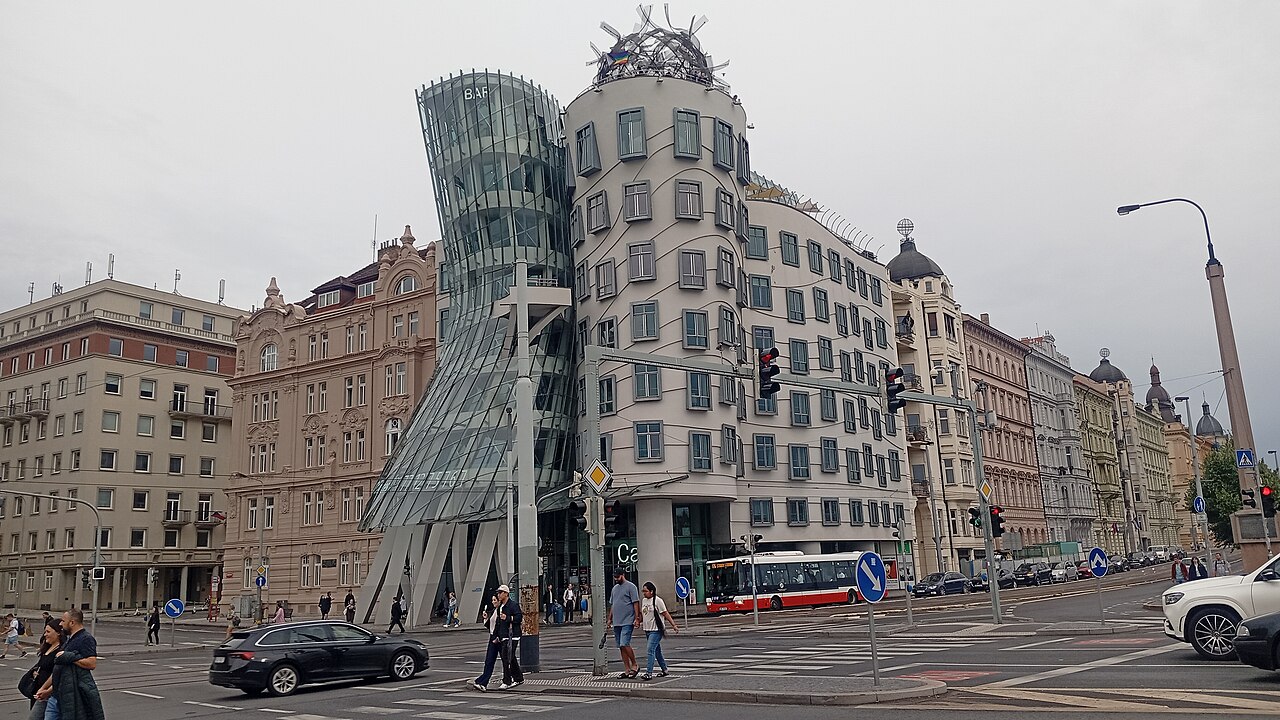
Primary source
Dancing House
Vlado Milunić and Frank Gehry · 1992-1996
Free account
Read every Frank Gehry source
Sign up free →
Ready when you are
Start chatting with Frank Gehry now.
20 messages free · No credit card · Available in 50+ languages.