


Secondary sourceSculpture1968
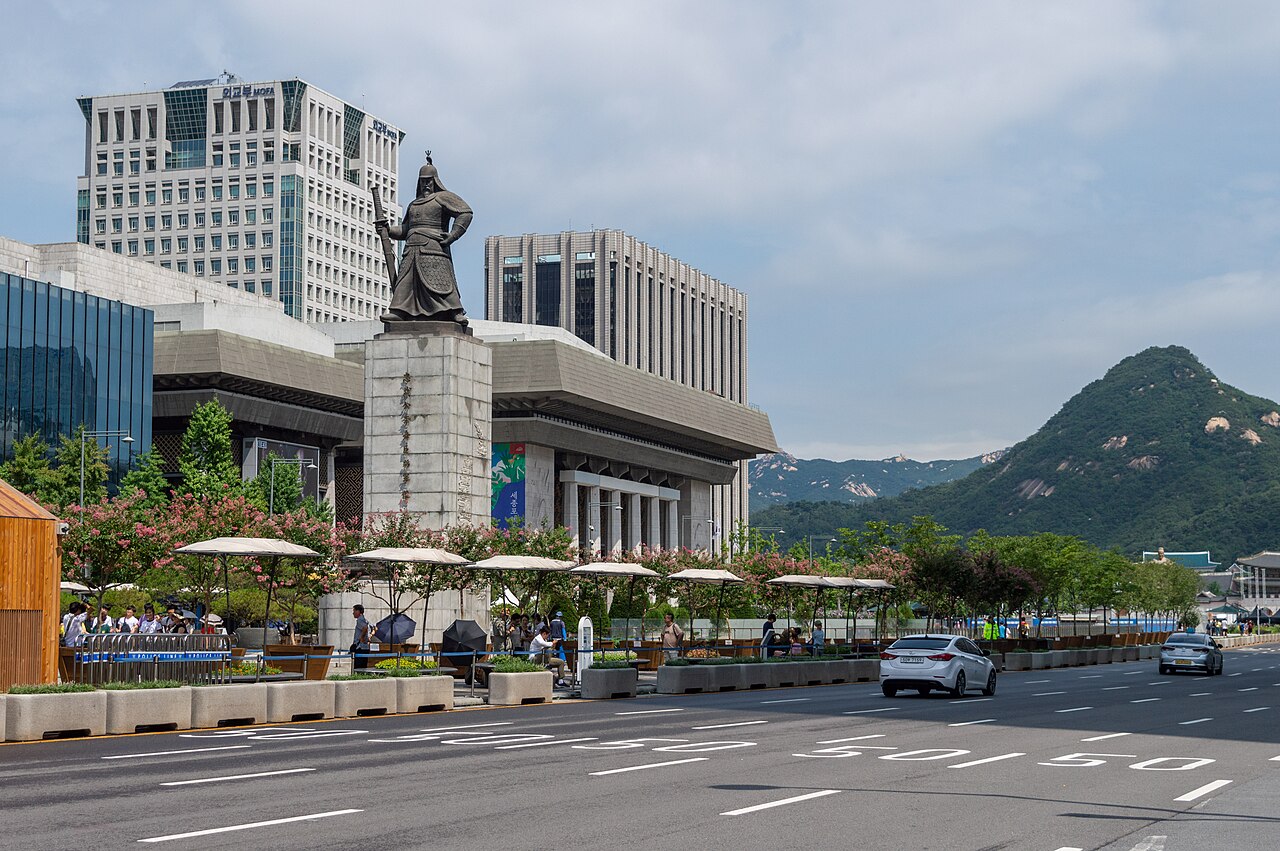
Statue of Admiral Yi Sun-sin
Kim Se-jung · 1968
A 1968 bronze monument in Seoul to the 16th-century admiral Yi Sun-sin, commissioned by President Park Chung-hee as part of his nationalist public works.
Park personally commissioned this statue of his boyhood hero, using nationalist memory to legitimise his government.
About this source
What it is
This 6.5-meter bronze statue of Admiral Yi Sun-sin stands in Gwanghwamun Plaza, Seoul. It was designed by sculptor Kim Se-jung with help from historians, and unveiled on 27 April 1968 in the presence of President Park Chung-hee.
Why it matters
Park reportedly asked for a statue of the figure "most feared and admired by the Japanese," and the project was part of a wider renovation of Gwanghwamun Plaza under his government. The statue became a symbol of modernisation but has also been read as a symbol of the military government that built it, showing how Park's regime used celebrated historical heroes to build legitimacy and national pride.
Look closer
- Why might a military government want to associate itself with a famous war hero from centuries earlier?
- What choices did the sculptor and historians make about the admiral's pose, armor and sword, and why were some of these choices later debated?
- What does the statue's scale and placement in a central plaza suggest about its intended message?
This sculpture is part of the curated material that grounds the AI version of Park Chung-hee and Yi Sun-sin on Humy.ai — when students ask about related events, the AI can quote it and cite it.
More Park Chung-hee sources
Browse all 51 →Primary source
Yushin Constitution
1972
 Photograph
Primary source
5.16 Coup Park Chung-hee
Unknown author · 1961
 Document
Primary source
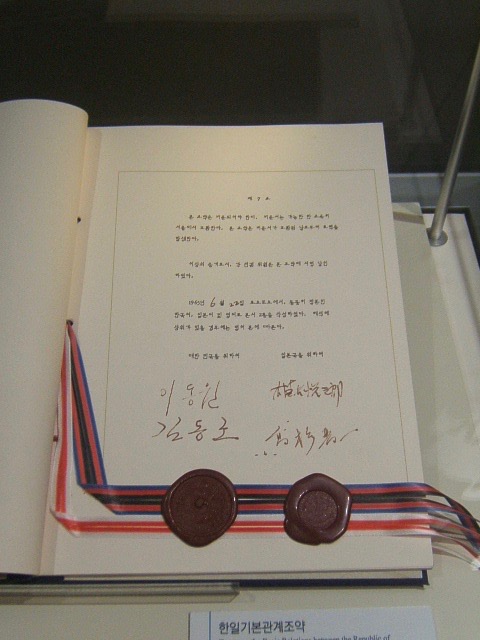
Treaty on Basic Relations between Japan and the Republic of Korea
22 June 1965
 Document
Primary source
National Charter of Education
5 December 1968


Free account
Read every Park Chung-hee source
Sign up free →
Ready when you are
Start chatting with Park Chung-hee now.
20 messages free · No credit card · Available in 50+ languages.