


Secondary sourceSculpture
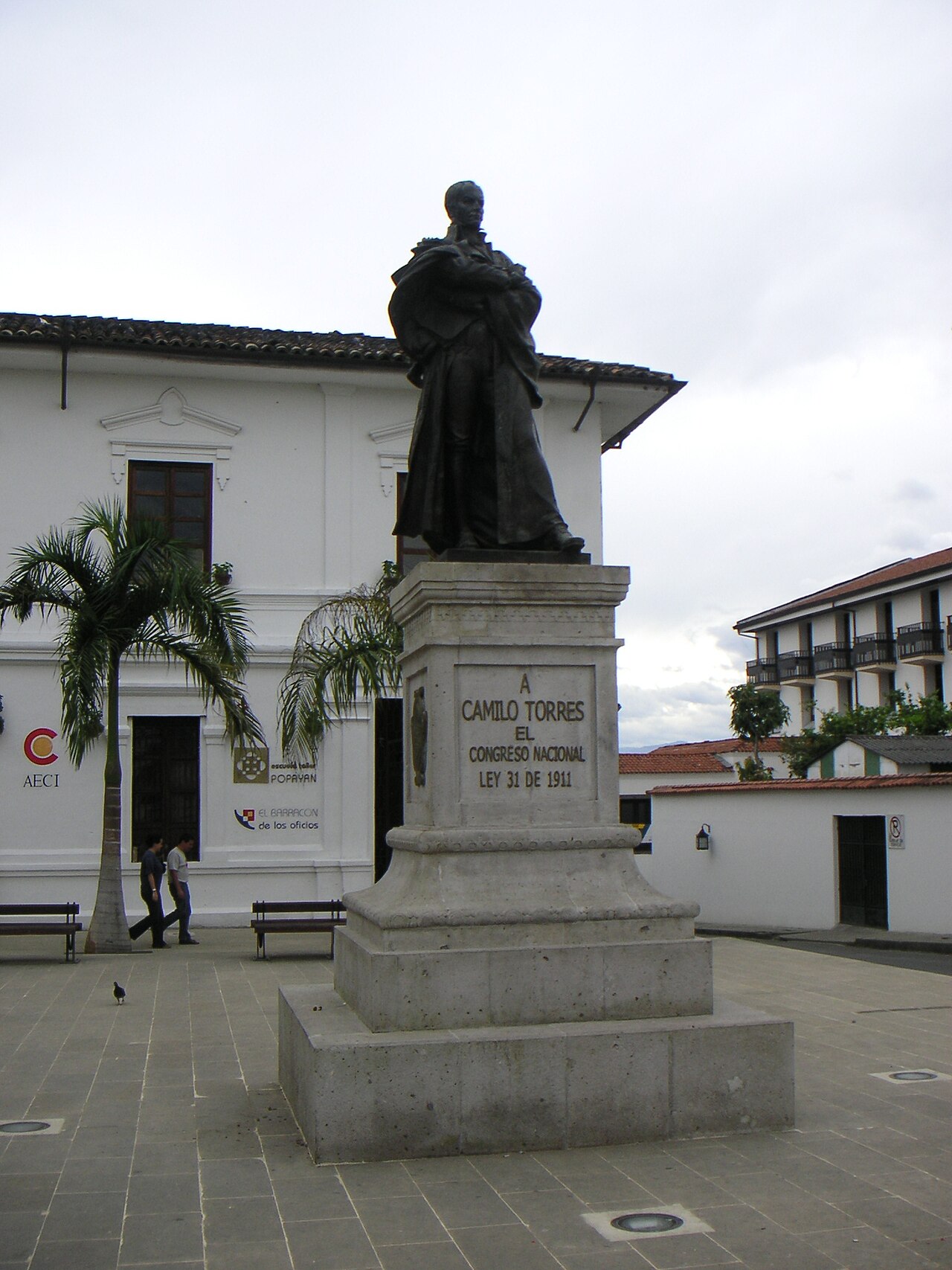
Statue of Camilo Torres, Popayán
A bronze statue of Camilo Torres Tenorio standing in a plaza in Popayán, the city where he was born.
This statue in Popayán, his birthplace, commemorates Torres as a leading figure of Colombian independence.
About this source
What it is
This photograph shows a bronze statue of a standing man in a long cloak, identified as Camilo Torres, on a tall stone pedestal in a plaza in Popayán, Colombia. The pedestal is inscribed with a dedication from the National Congress under a law of 1911.
Why it matters
Popayán was Torres's birthplace, and this monument reflects how the city and the Colombian national government chose to honour him as a figure of the independence era, decades after his death. Official monuments like this show how national governments shape public memory of historical leaders.
Look closer
- Why might the National Congress have passed a law to fund this statue nearly a century after Torres's death?
- What does the choice of a public plaza, rather than a private or hidden location, suggest about his importance to the nation?
- What is missing from a statue like this that a document or letter might tell us about Torres?
This sculpture is part of the curated material that grounds the AI version of Camilo Torres Tenorio on Humy.ai — when students ask about related events, the AI can quote it and cite it.
More Camilo Torres Tenorio sources
Browse all 26 →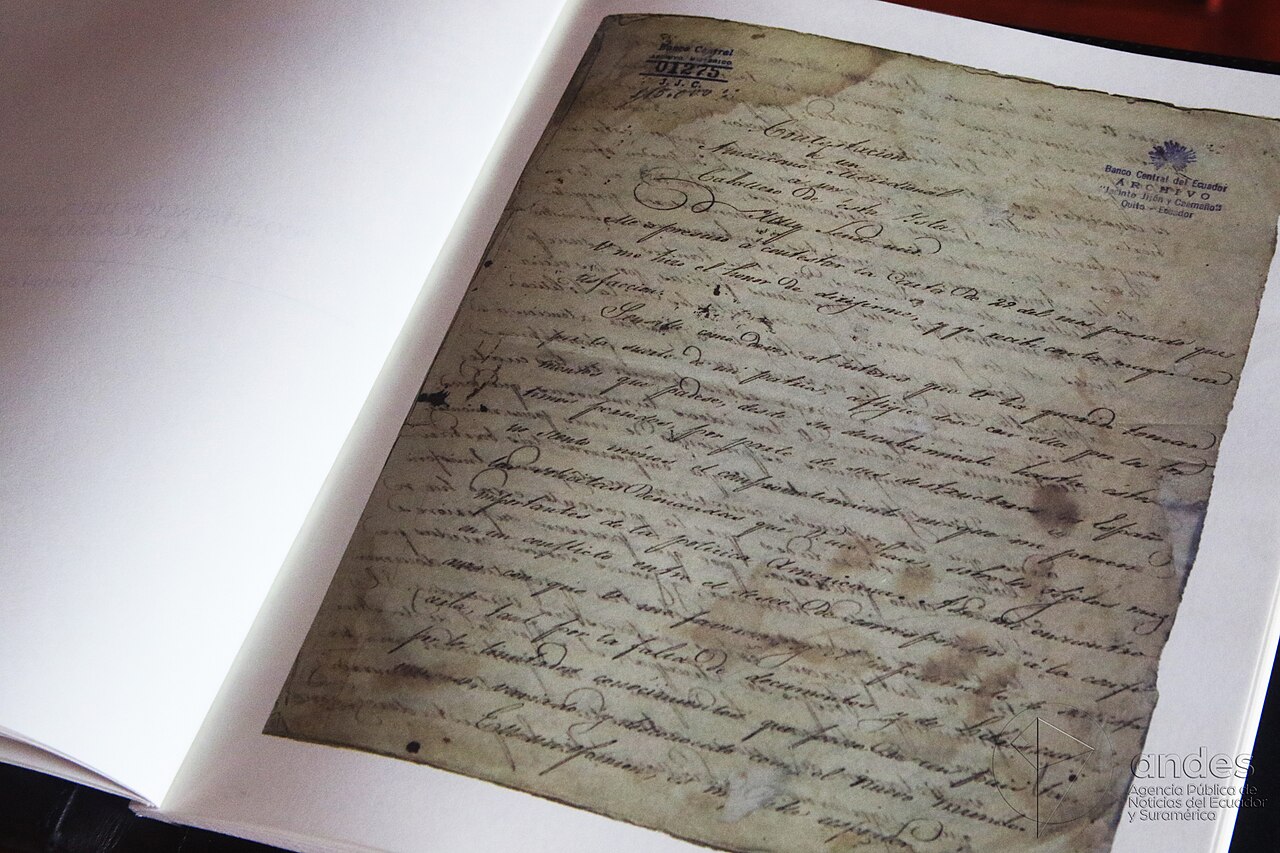 Letter
Primary source
Carta de Jamaica
Simón Bolívar · 1815
 Painting
Secondary source
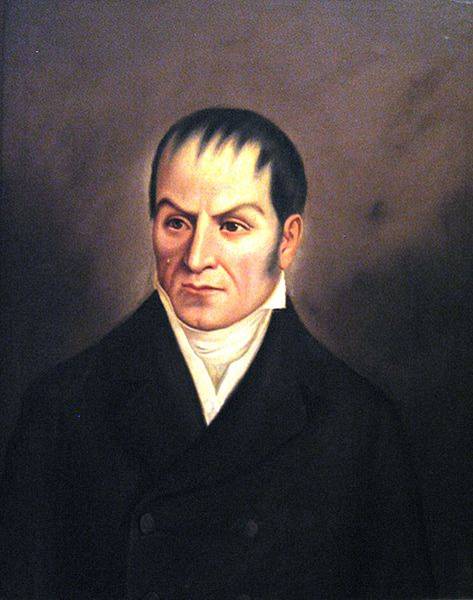
Portrait of Camilo Torres Tenorio
 Newspaper article
Primary source
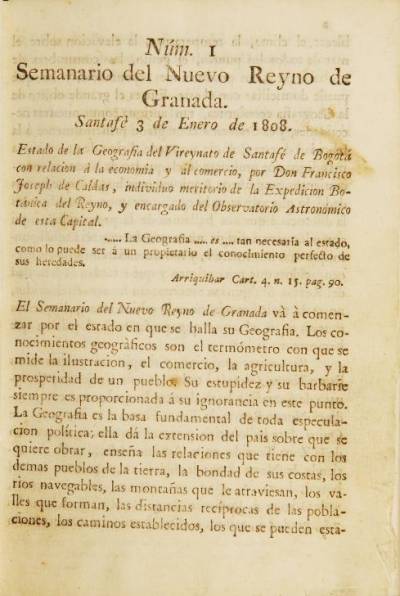
Semanario del Nuevo Reino de Granada
Francisco José de Caldas · 3 January 1808
 Painting
Primary source
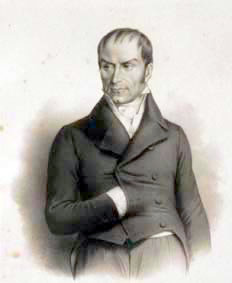
Lithograph of Camilo Torres by José María Espinosa
José María Espinosa Prieto

Free account
Read every Camilo Torres Tenorio source
Sign up free →
Ready when you are
Start chatting with Camilo Torres Tenorio now.
20 messages free · No credit card · Available in 50+ languages.