


Secondary sourceSculpture1875-1876
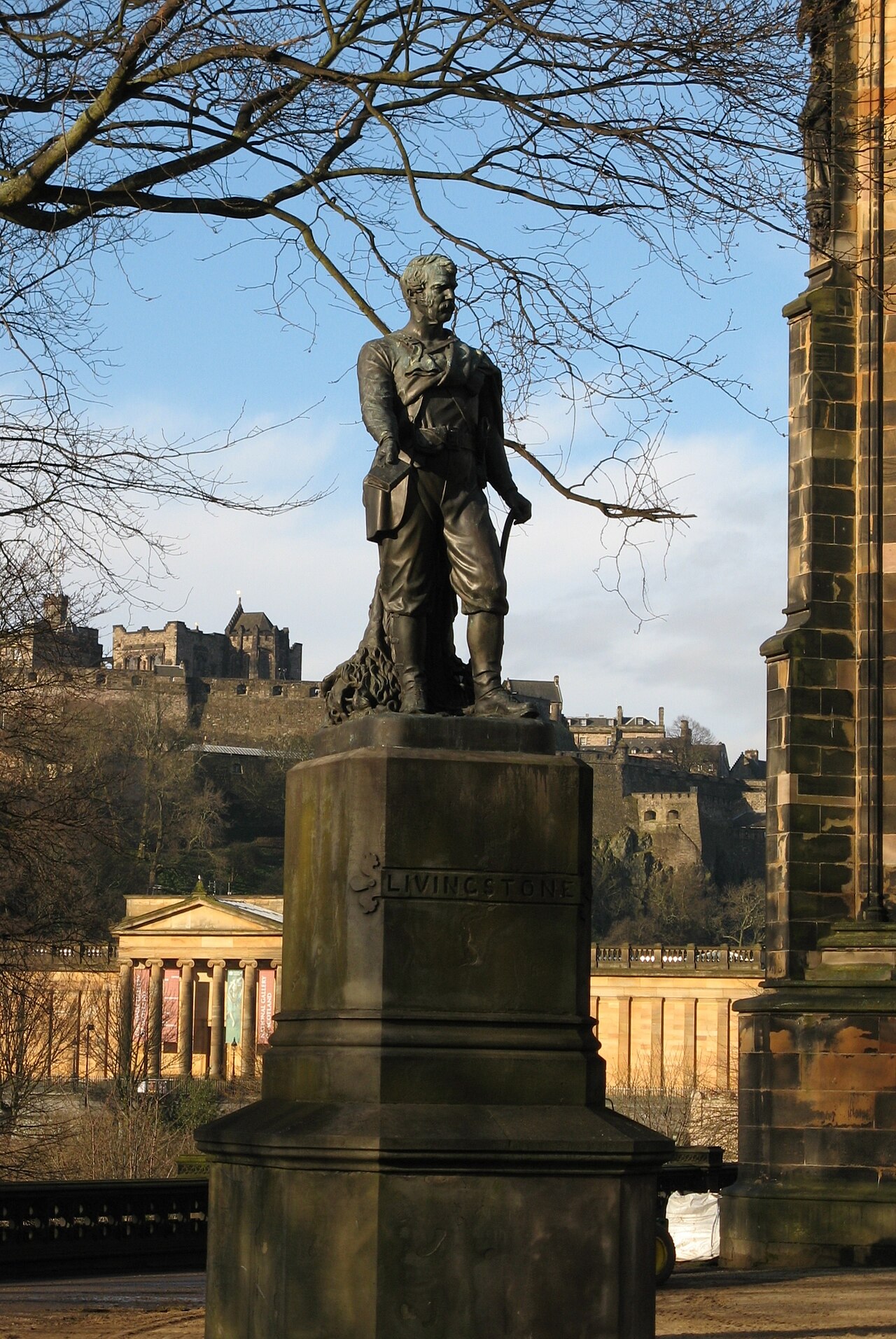
Statue of David Livingstone
Amelia Robertson Hill · 1875-1876
A bronze statue in Edinburgh, made soon after Livingstone's death, showing him as a Victorian explorer hero with Bible and pistol.
This Edinburgh statue, made soon after his death, shows the heroic Victorian image built around Livingstone as explorer and missionary.
About this source
What it is
This bronze statue by Amelia Robertson Hill stands in East Princes Street Gardens, Edinburgh. It was sculpted between 1875 and 1876, after Livingstone's death in 1873, and unveiled in 1876. It shows him in explorer's dress with a cloak, haversack, Bible, pistol, compass and a lion skin.
Why it matters
The lion skin refers to the story of Livingstone surviving a lion attack. Made just a few years after his death, the statue captures the heroic, almost legendary image Victorian Britain built around him as missionary, explorer and symbol of courage.
Look closer
- Why do you think the sculptor included a Bible, a pistol and a lion skin together?
- What image of Livingstone is this statue trying to create, and what might it leave out?
- How does placing a statue on a tall pedestal change how we see the person it honours?
This sculpture is part of the curated material that grounds the AI version of David Livingstone on Humy.ai — when students ask about related events, the AI can quote it and cite it.
More David Livingstone sources
Browse all 93 →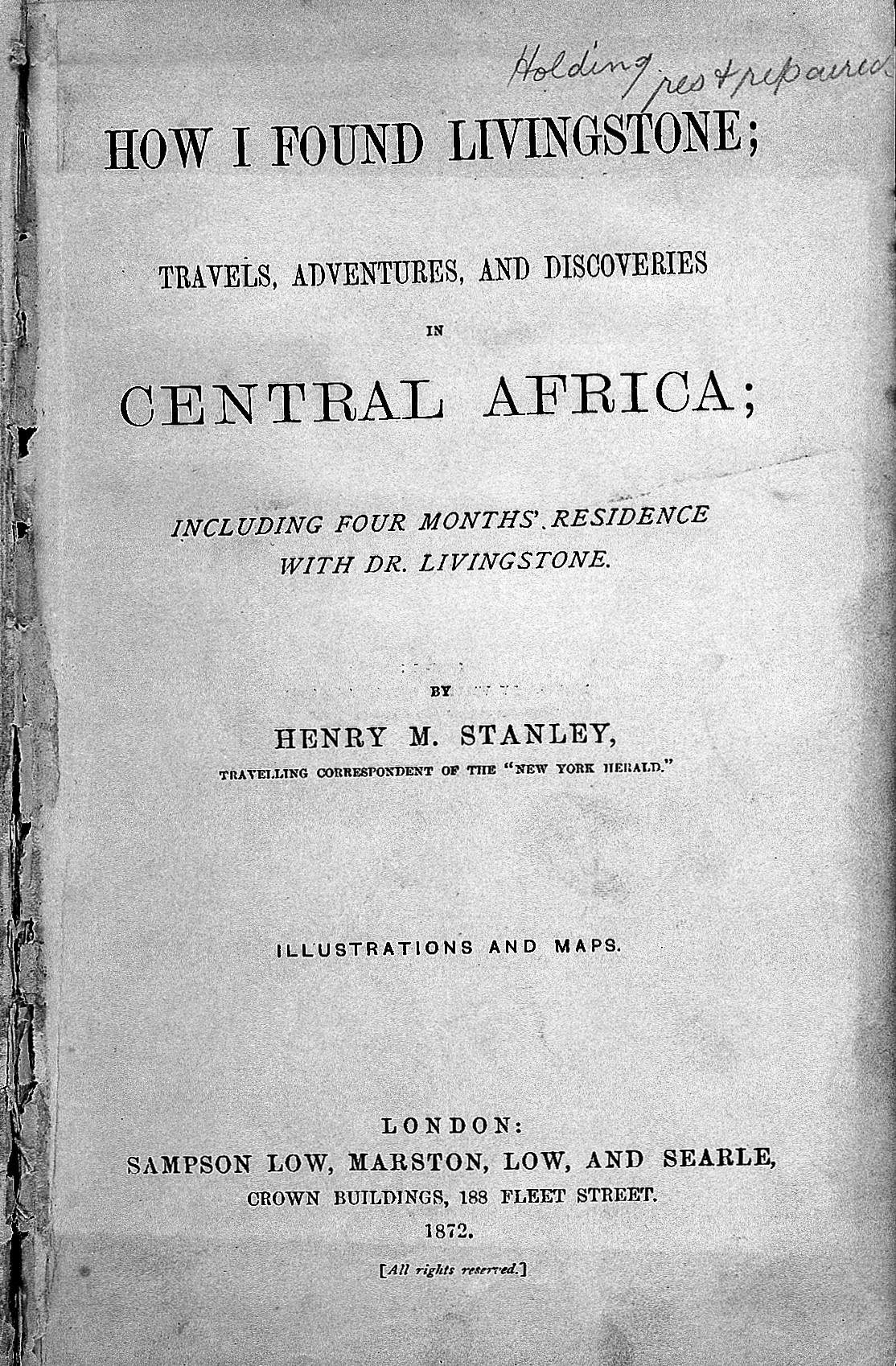 Book
Secondary source
How I Found Livingstone
Henry Morton Stanley · 1872
 Diary entry
Primary source
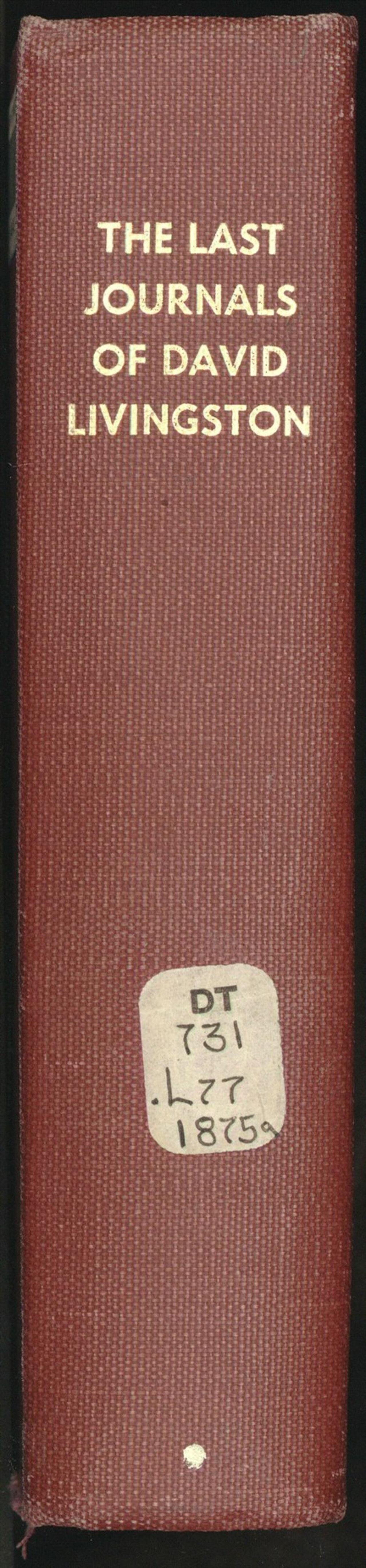
The Last Journals of David Livingstone in Central Africa
David Livingstone; ed. Horace Waller · 1866-1873, published 1874
 Letter
Primary source
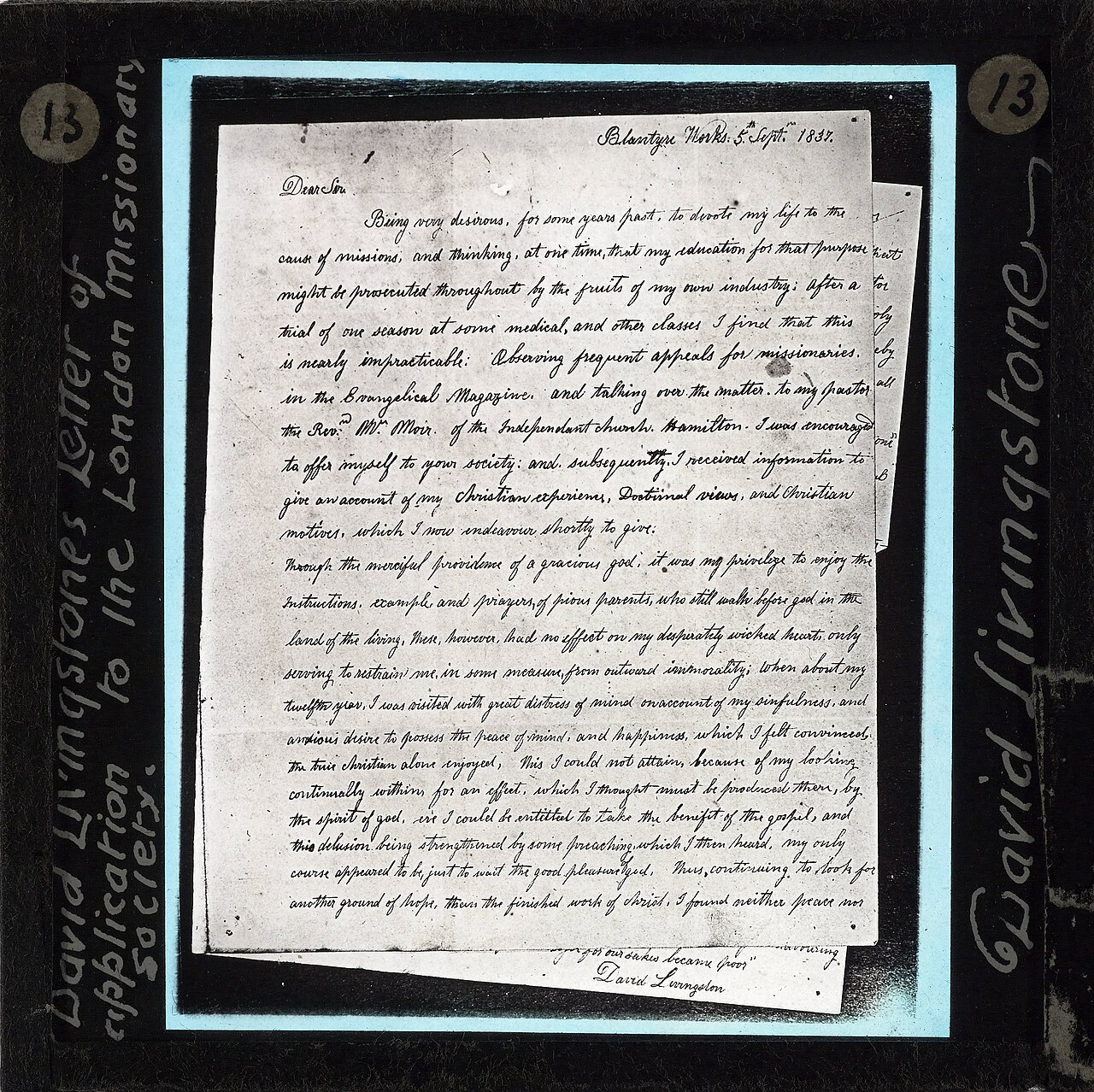
Livingstone's Letter of Application to the London Missionary Society
David Livingstone · 5 September 1837
 Book
Primary source
Narrative of an Expedition to the Zambesi and its Tributaries
David Livingstone; Charles Livingstone · 1865 (covering 1858-1864)
Free account
Read every David Livingstone source
Sign up free →
Ready when you are
Start chatting with David Livingstone now.
20 messages free · No credit card · Available in 50+ languages.