


Secondary sourceSculpture1766
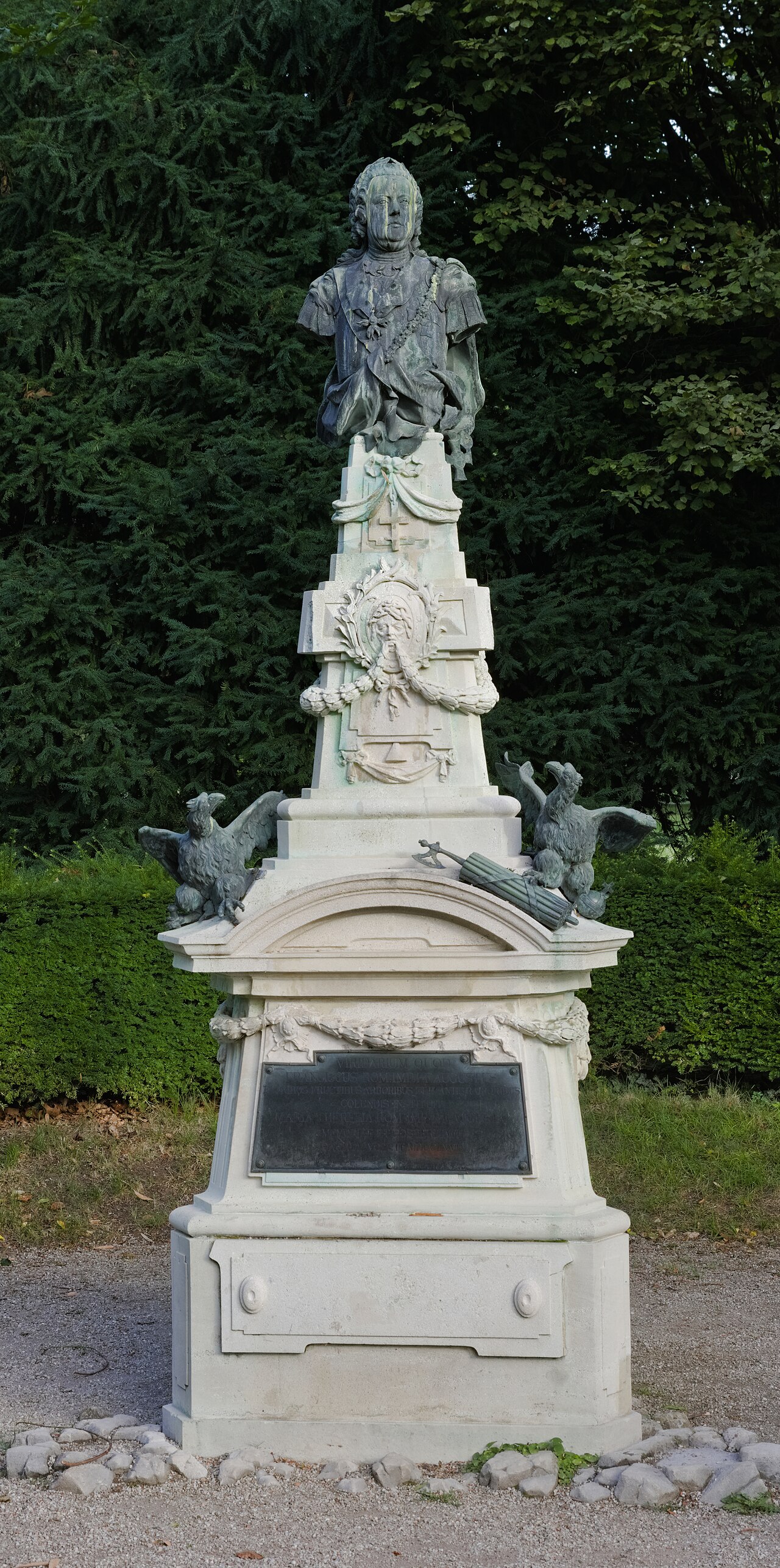
Statue of Francis I, Holy Roman Emperor, Schönbrunn Gardens
Balthasar Ferdinand Moll · 1766
A posthumous 1766 monument by Balthasar Ferdinand Moll in the gardens of Schönbrunn Palace, part of Maria Theresa's memorial to her husband Francis.
This posthumous monument was part of Maria Theresa's commemoration of her husband Francis at their favourite palace.
About this source
What it is
This stone monument, made in 1766 by sculptor Balthasar Ferdinand Moll, stands in the gardens of Schönbrunn Palace in Vienna. It has a bronze bust of a man on top, with garlands, a medallion, and bronze eagles decorating the pedestal.
Why it matters
Francis died in 1765, and this monument was created the following year as part of his wife Empress Maria Theresa's commemoration of him at Schönbrunn, a palace they both loved. It shows how rulers used garden monuments to keep a loved one's memory present in daily life.
Look closer
- Why might a widow choose a favourite palace garden, rather than a church, for a memorial?
- What do the eagles and garlands on the pedestal suggest about how Francis was meant to be remembered?
- What is missing from a bust like this that a full portrait might show?
This sculpture is part of the curated material that grounds the AI version of Francis I, Holy Roman Emperor on Humy.ai — when students ask about related events, the AI can quote it and cite it.
More Francis I, Holy Roman Emperor sources
Browse all 85 →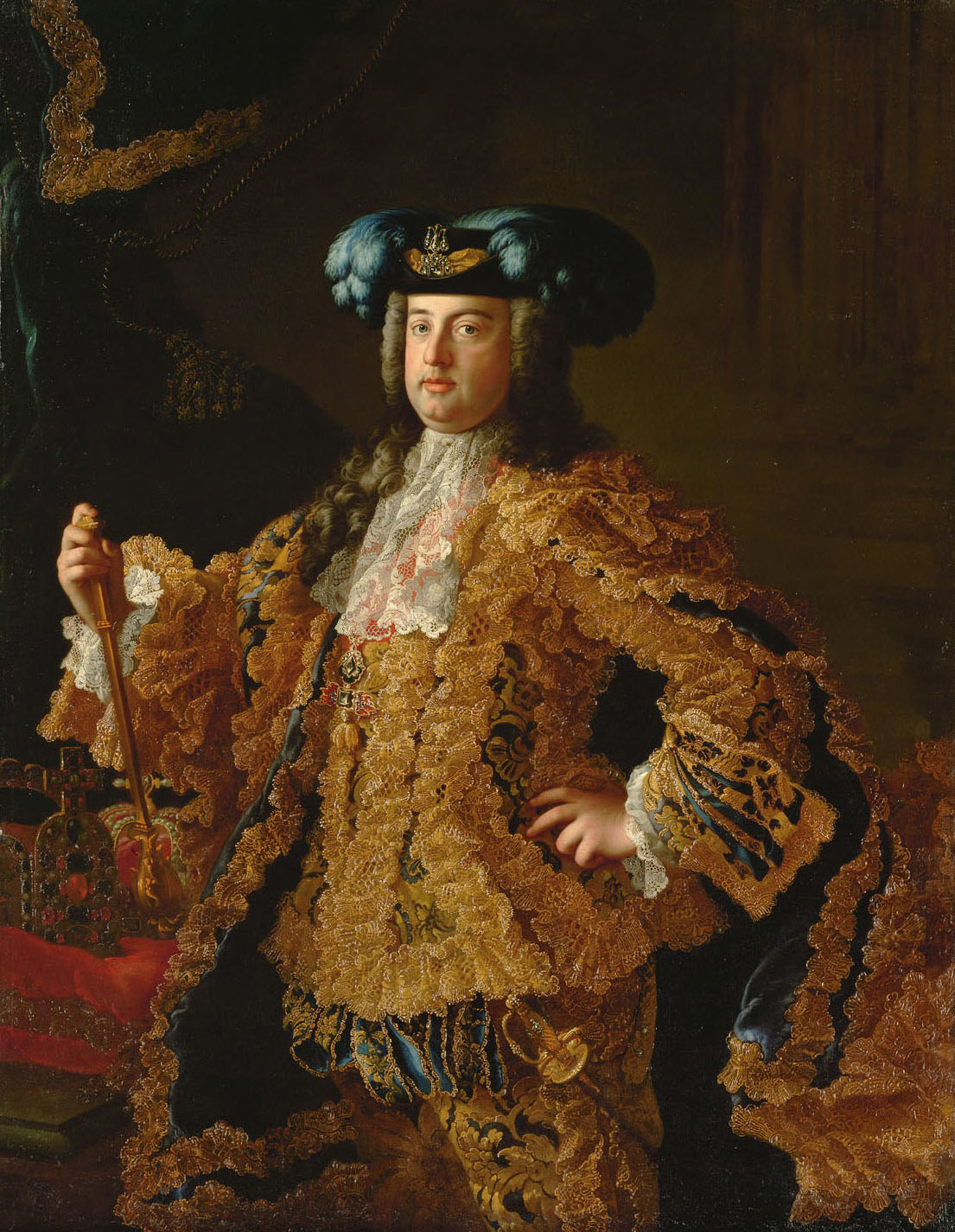 Painting
Primary source
Portrait of Francis I, Holy Roman Emperor
Martin van Meytens
 Painting
Primary source
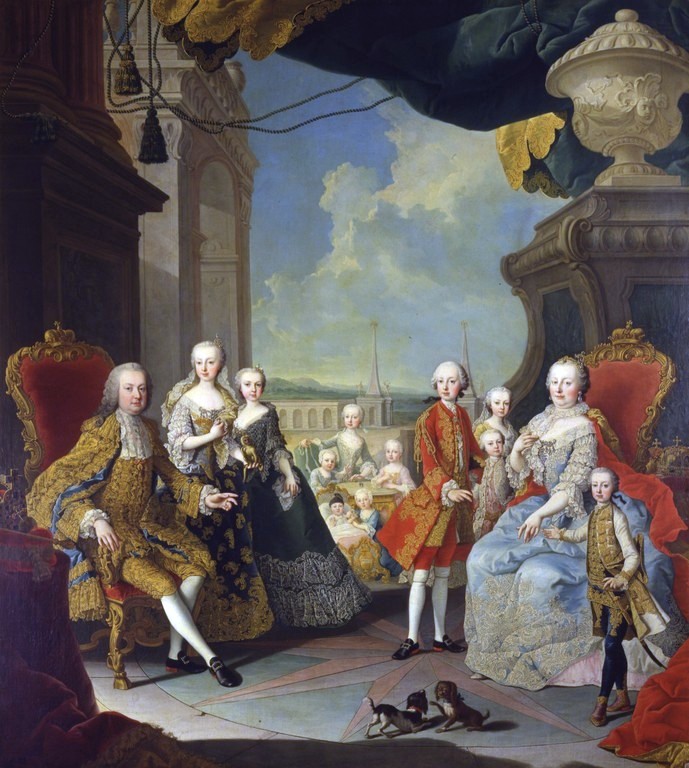
Franz Stephan and Maria Theresa Surrounded by Their Family
Martin van Meytens · 1754
 Painting
Primary source
Emperor Franz I, Empress Maria Theresa and Their Son Archduke Joseph
Jean-Étienne Liotard · 1765
 Painting
Primary source
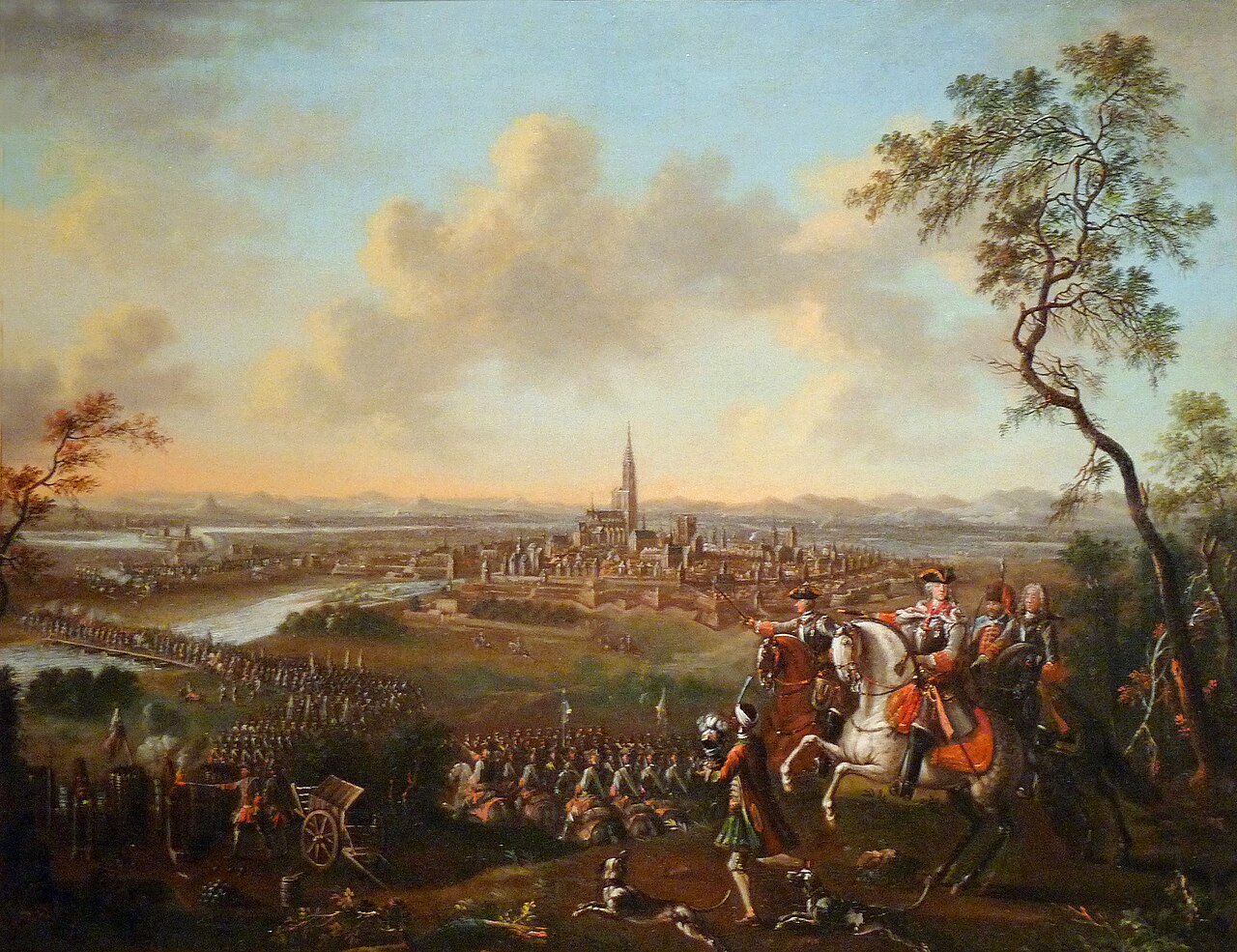
The Duke of Lorraine and escort return to the Rhine in front of Strasbourg
Johann Tobias Sonntag · 1744
Free account
Read every Francis I, Holy Roman Emperor source
Sign up free →
Ready when you are
Start chatting with Francis I, Holy Roman Emperor now.
20 messages free · No credit card · Available in 50+ languages.