


Secondary sourceSculpture
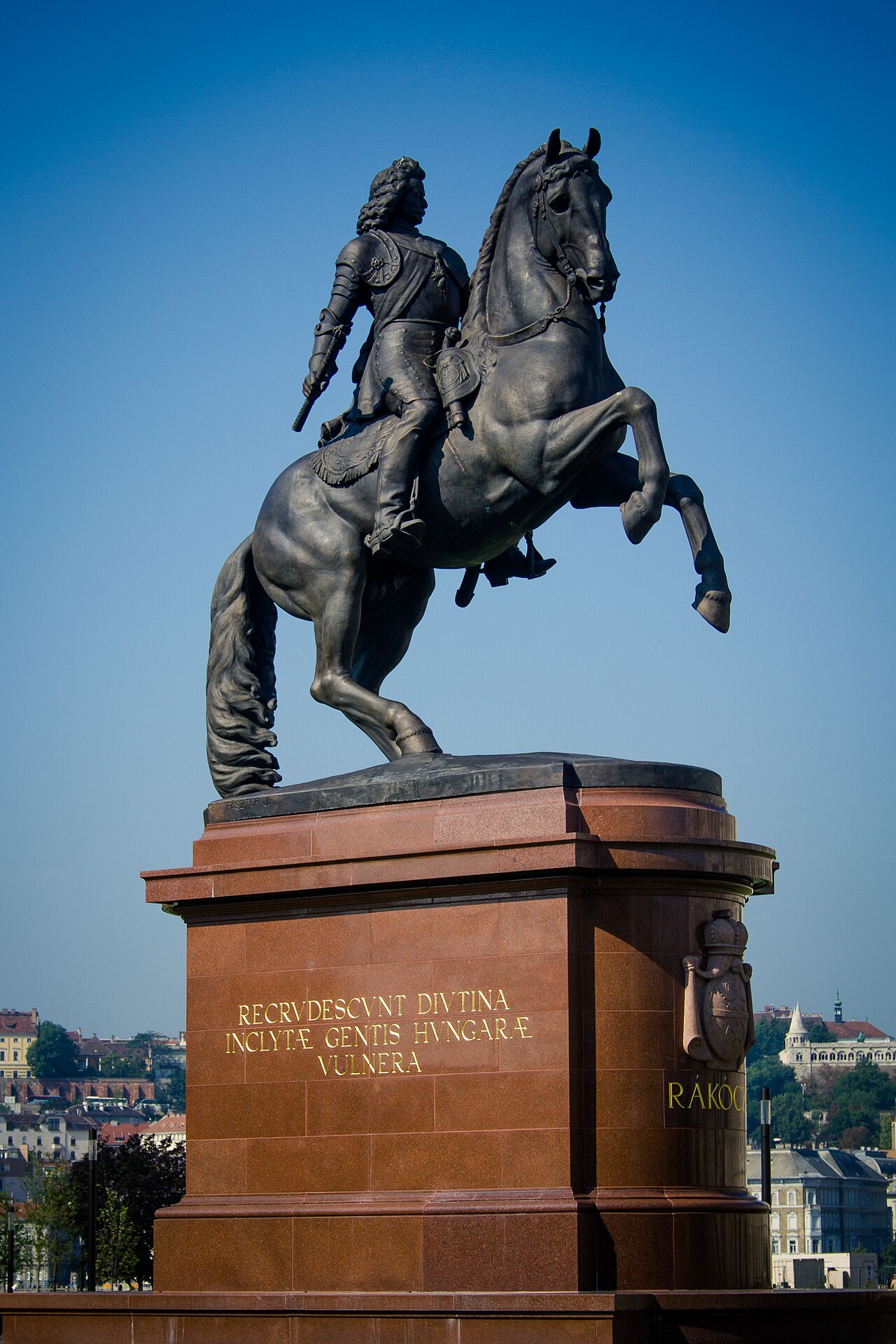
Statue of Francis II Rákóczi, Budapest
János Pásztor
A bronze equestrian statue of Francis II Rákóczi by János Pásztor, standing outside the Hungarian Parliament on Kossuth Square.
A monumental tribute to Rákóczi placed at the heart of Hungary's government, showing his lasting national symbolism.
About this source
What it is
This bronze equestrian statue by sculptor János Pásztor depicts Francis II Rákóczi on a rearing horse, mounted on a red granite pedestal inscribed with his name. It stands on Kossuth Square outside the Hungarian House of Parliament in Budapest.
Why it matters
Placing a monument to Rákóczi outside the national parliament shows how he was later honored as a central figure of Hungarian resistance and independence, long after his uprising against the Habsburgs had failed. The statue reflects how nations use art to shape collective memory of their history.
Look closer
- Why might the sculptor have chosen to show Rákóczi on a rearing horse rather than standing still?
- What does the location, right outside the Parliament, suggest about how Hungary wanted to remember him?
- What parts of Rákóczi's life and defeat might a heroic statue like this leave out?
This sculpture is part of the curated material that grounds the AI version of Francis II Rákóczi on Humy.ai — when students ask about related events, the AI can quote it and cite it.
More Francis II Rákóczi sources
Browse all 90 →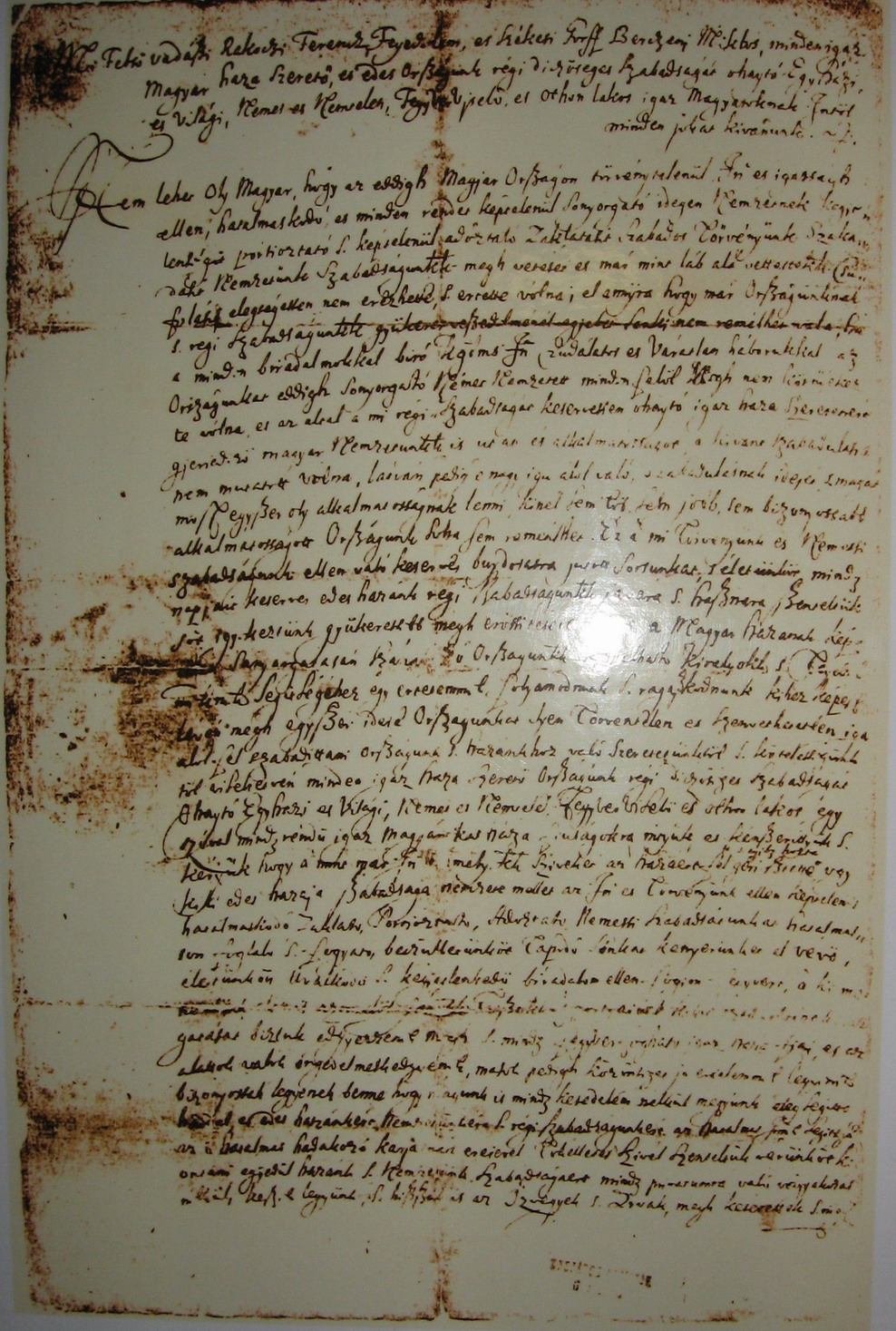 Document
Primary source
Manifesto of Berezhany
Francis II Rákóczi · 1703
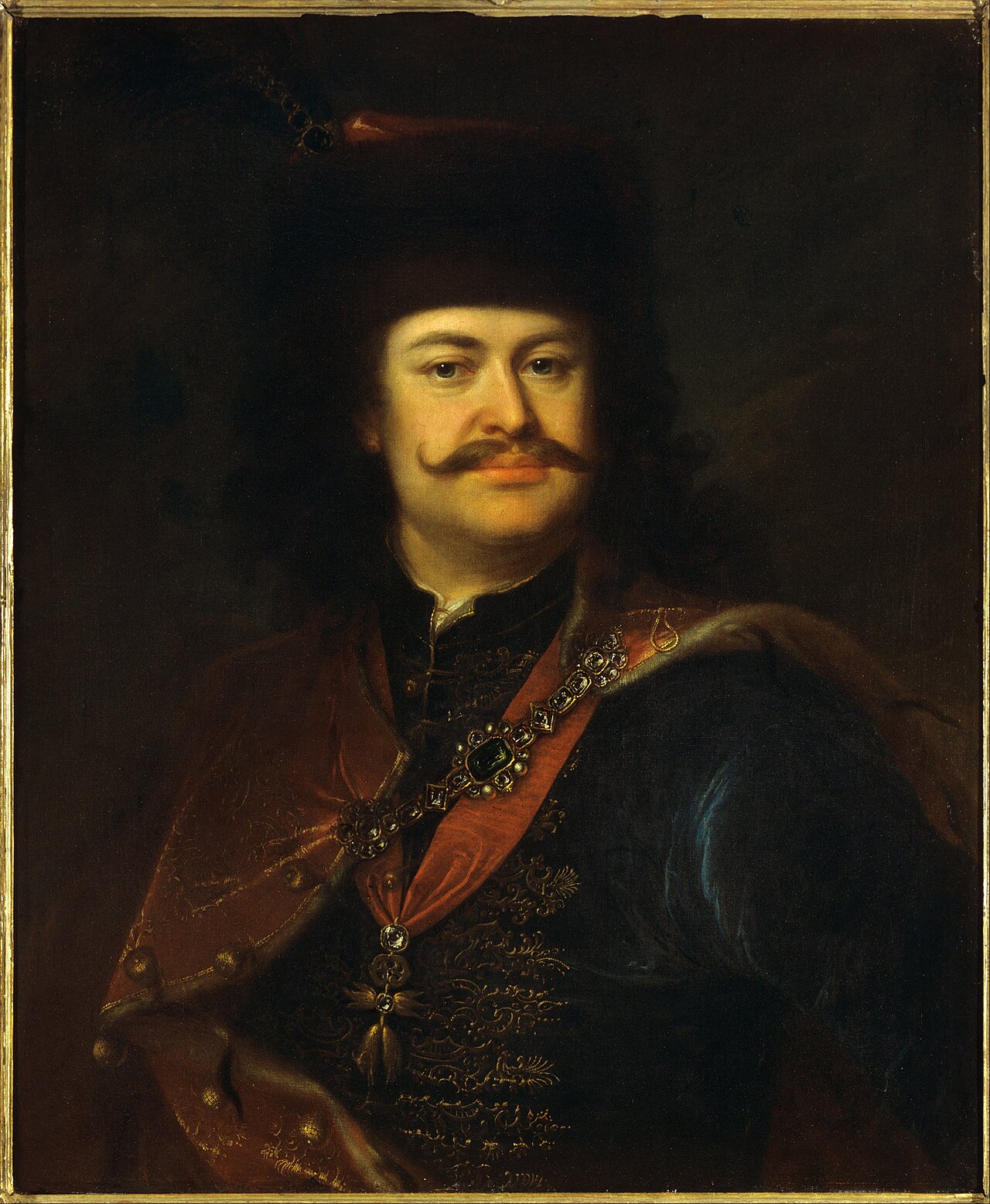 Painting
Primary source
Portrait of Prince Ferenc Rákóczi II
Ádám Mányoki · 1712
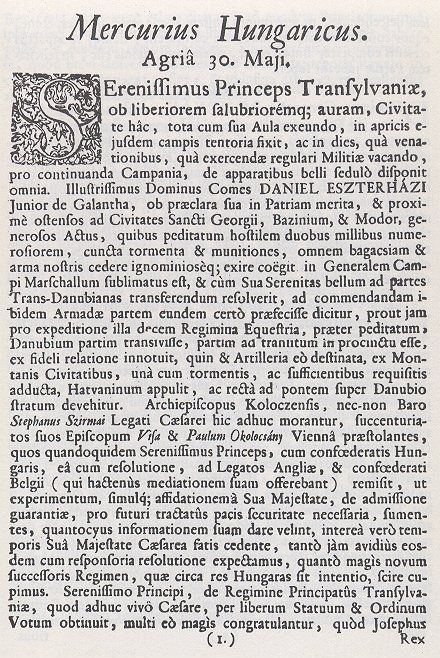 Newspaper article
Primary source
Mercurius Hungaricus
1705
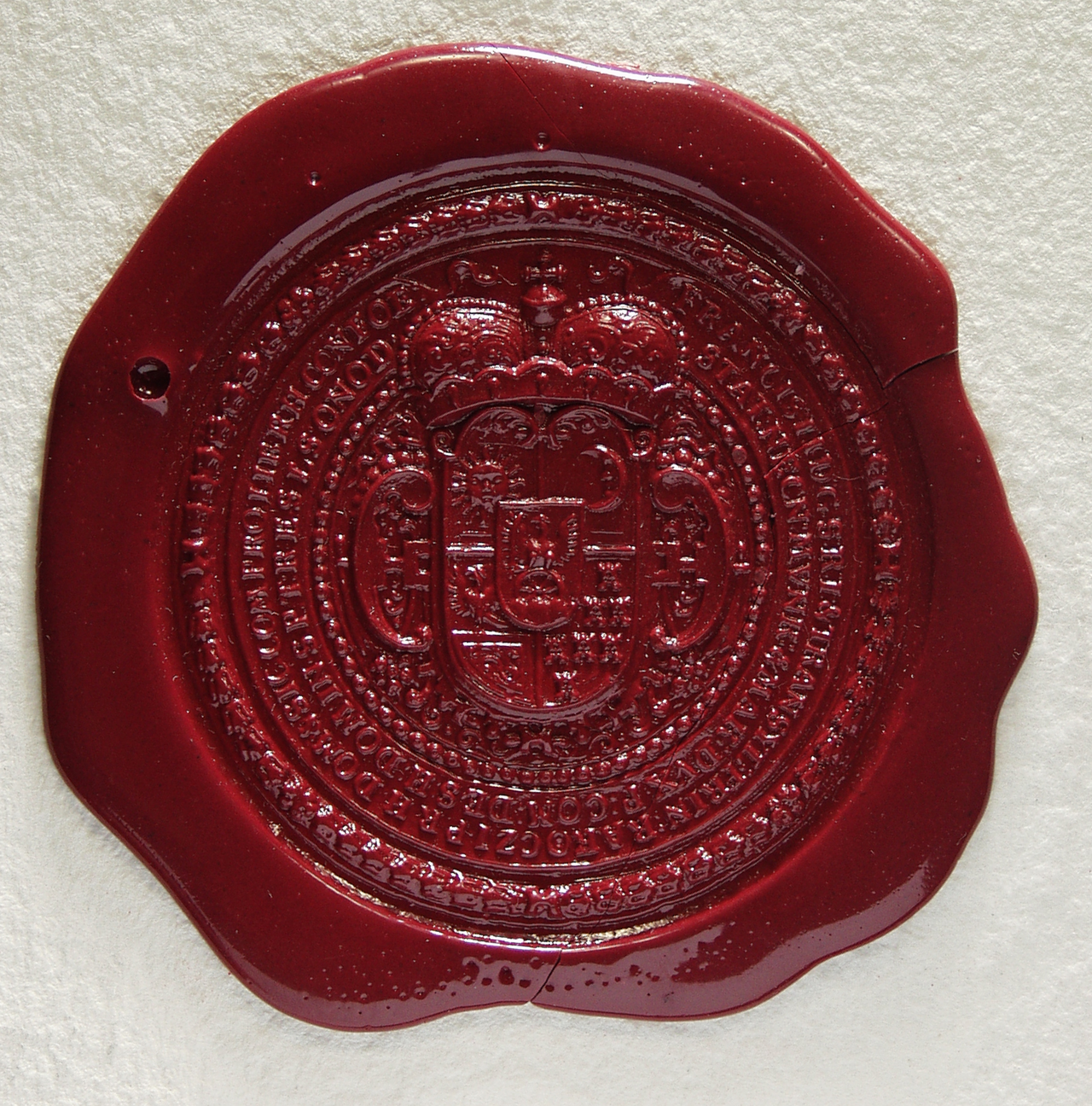 Artifact
Primary source
Great Seal of Francis II Rákóczi
Free account
Read every Francis II Rákóczi source
Sign up free →
Ready when you are
Start chatting with Francis II Rákóczi now.
20 messages free · No credit card · Available in 50+ languages.