


Primary sourceSculpturec. 130s
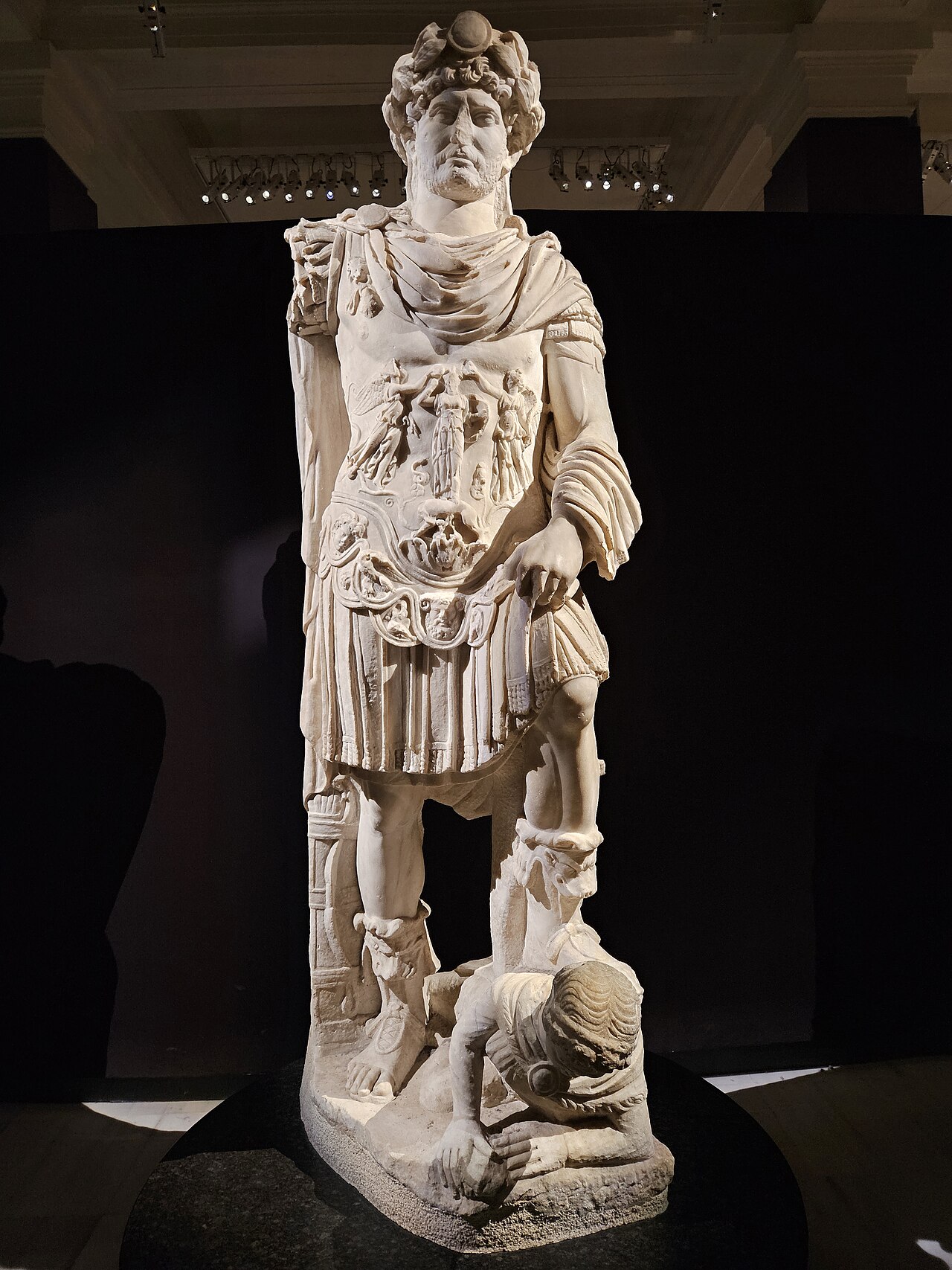
Statue of Hadrian from Hierapytna
Unknown Roman sculptor · c. 130s
A marble statue of Hadrian in armour, standing with his foot on a defeated enemy, found in Crete.
This statue depicts Hadrian in military triumph, showing how his image was shaped for political purposes.
Free Humy account · No credit card · 120,912 sources to read
About this source
What it is
This marble statue shows the emperor Hadrian wearing a cuirass (armoured breastplate), with one foot pressing down on a fallen, bearded enemy figure. It was discovered in Hierapytna, an ancient city on Crete, and dates from the time of Hadrian's reign. It is now held in the Istanbul Archaeology Museums.
Why it matters
Hadrian is often remembered as a peaceful, culture-loving emperor who admired Greek civilization, earning him the nickname "philhellene." Yet this statue presents him in the traditional pose of a military conqueror, trampling an enemy underfoot. It shows how Roman emperors used art to project power and victory, even when their actual reputation rested more on diplomacy, building projects, and travel than on conquest.
Look closer
- Why might a statue show Hadrian as a conqueror even though he was known for peace-making?
- What does the pose and armour tell you about how Romans wanted their emperor to be seen?
- Who do you think commissioned a statue like this, and why?
This sculpture is part of the curated material that grounds the AI version of Hadrian on Humy.ai — when students ask about related events, the AI can quote it and cite it.
More Hadrian sources
Browse all 96 →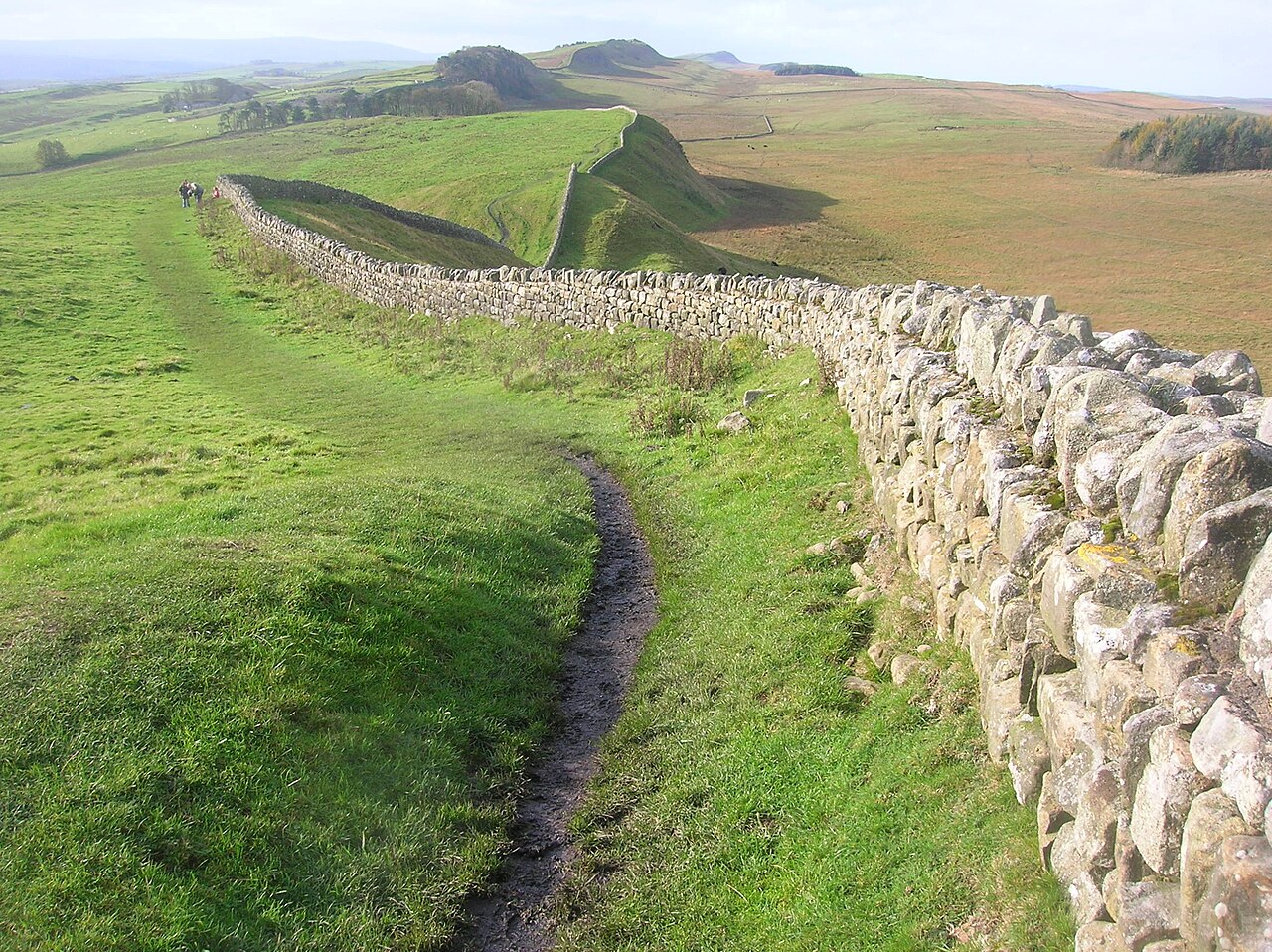 Artifact
Primary source
Hadrian's Wall
Hadrian · begun AD 122
 Artifact
Primary source
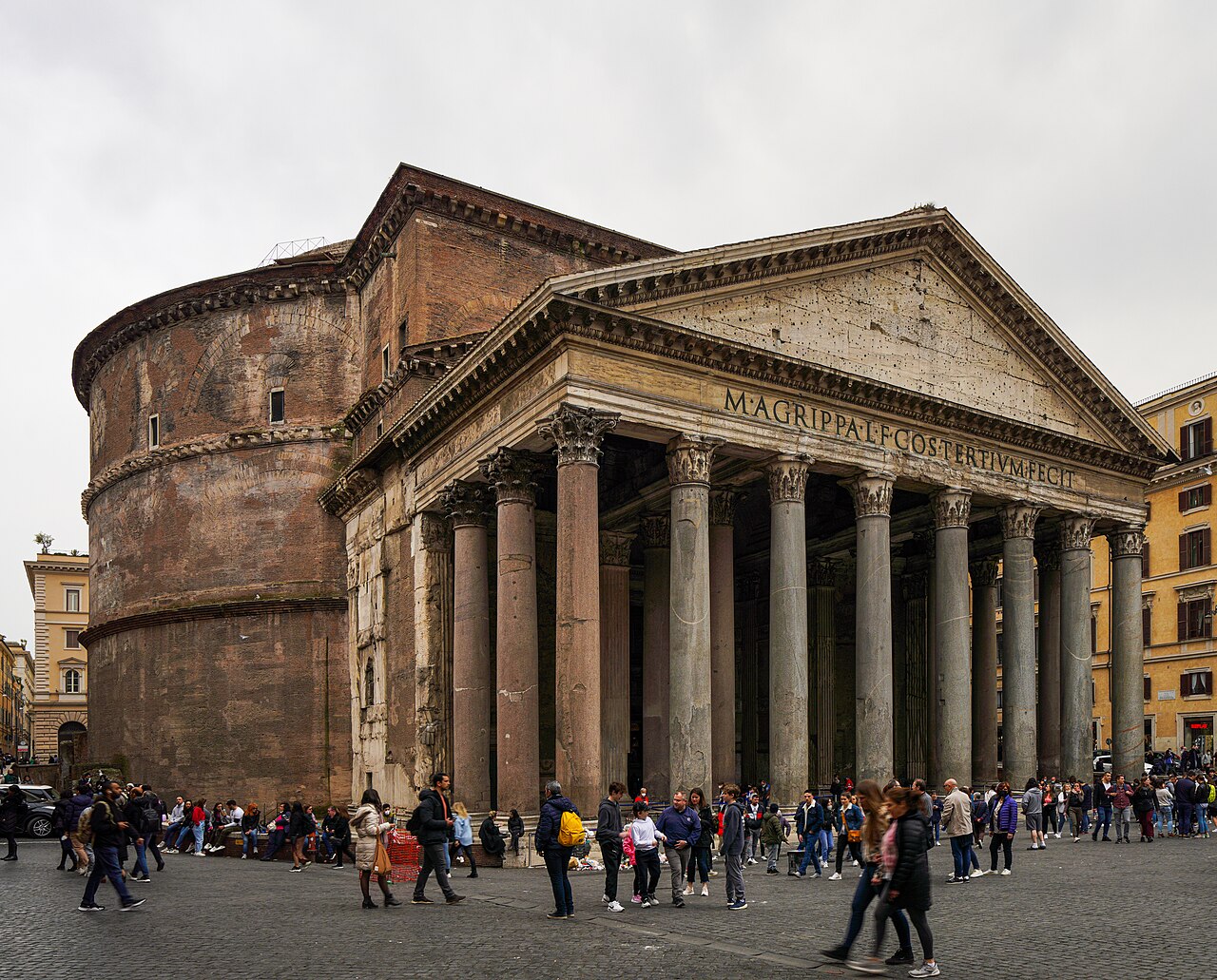
Pantheon
Hadrian · c. AD 126-128
Secondary source
Hadrian
Scriptores Historiae Augustae · late 4th century AD
 Artifact
Primary source
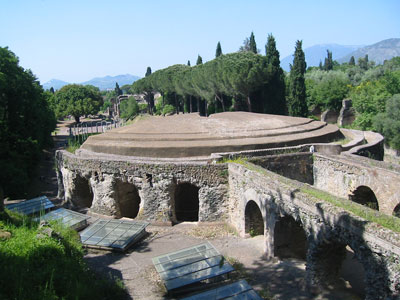
Hadrian's Villa
Hadrian · begun c. AD 120
Free account
Read every Hadrian source
Sign up free →
Ready when you are
Start chatting with Hadrian now.
20 messages free · No credit card · Available in 50+ languages.