


Primary sourceSculpture2nd century AD
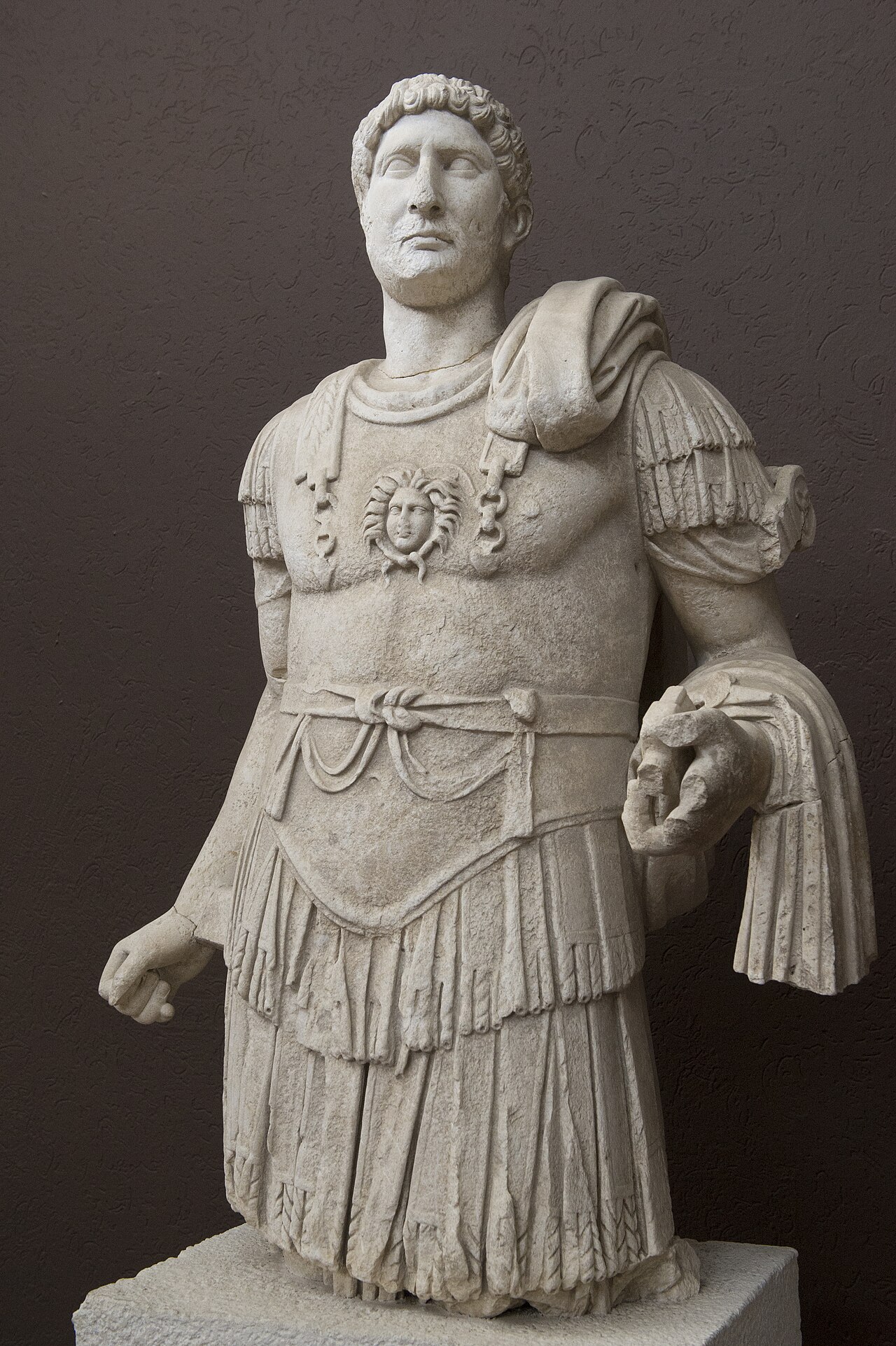
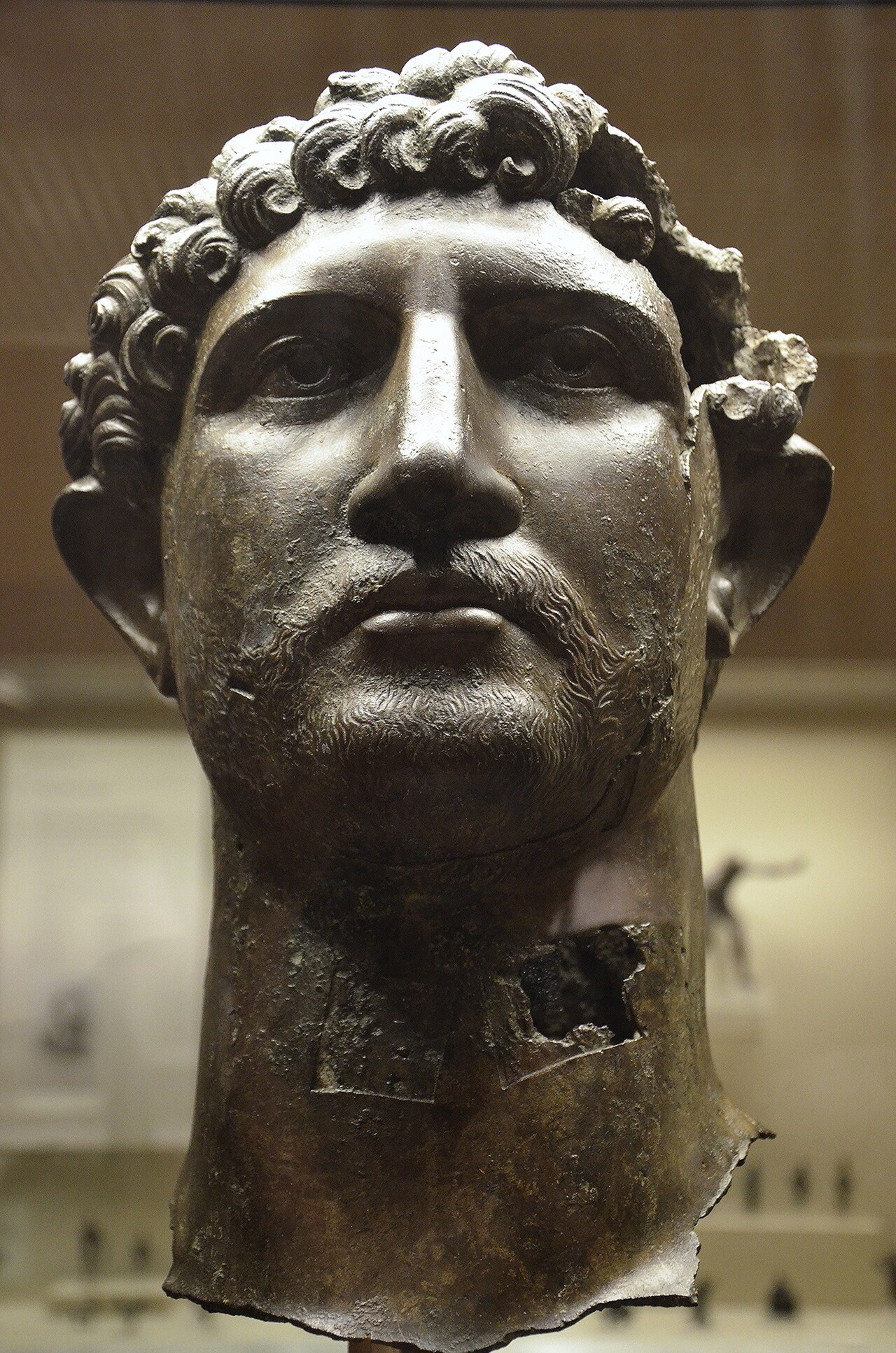
Statue of Hadrian from Troy
2nd century AD
A marble statue of Hadrian in military dress found at the ancient city of Troy, reflecting his honours in the Greek East.
This statue found at Troy reflects the honours given to Hadrian in the Greek East during his travels.
About this source
What it is
This marble statue shows the emperor Hadrian wearing a cuirass decorated with a Medusa head and a military cloak over one shoulder. It was discovered in the odeon, a performance building, at the ancient site of Troy, and is now held in the Troy Museum in Türkiye.
Why it matters
Hadrian was known for his deep interest in Greek culture and history, and he visited and honoured many famous Greek sites, including Troy, during his travels through the eastern empire. A statue like this, placed in a public building for performances and gatherings, shows how Greek cities in Hadrian's time celebrated the emperor as both a military figure and a patron of their heritage.
Look closer
- Why might a statue of Hadrian be placed in an odeon, a building for music and speech?
- What does the choice to show him in military dress suggest about how cities wanted to honour him?
- Why would ancient Troy be an important place for Hadrian to visit or be honoured in?
This sculpture is part of the curated material that grounds the AI version of Hadrian on Humy.ai — when students ask about related events, the AI can quote it and cite it.
More Hadrian sources
Browse all 96 → Artifact
Primary source
Hadrian's Wall
Hadrian · begun AD 122
 Artifact
Primary source
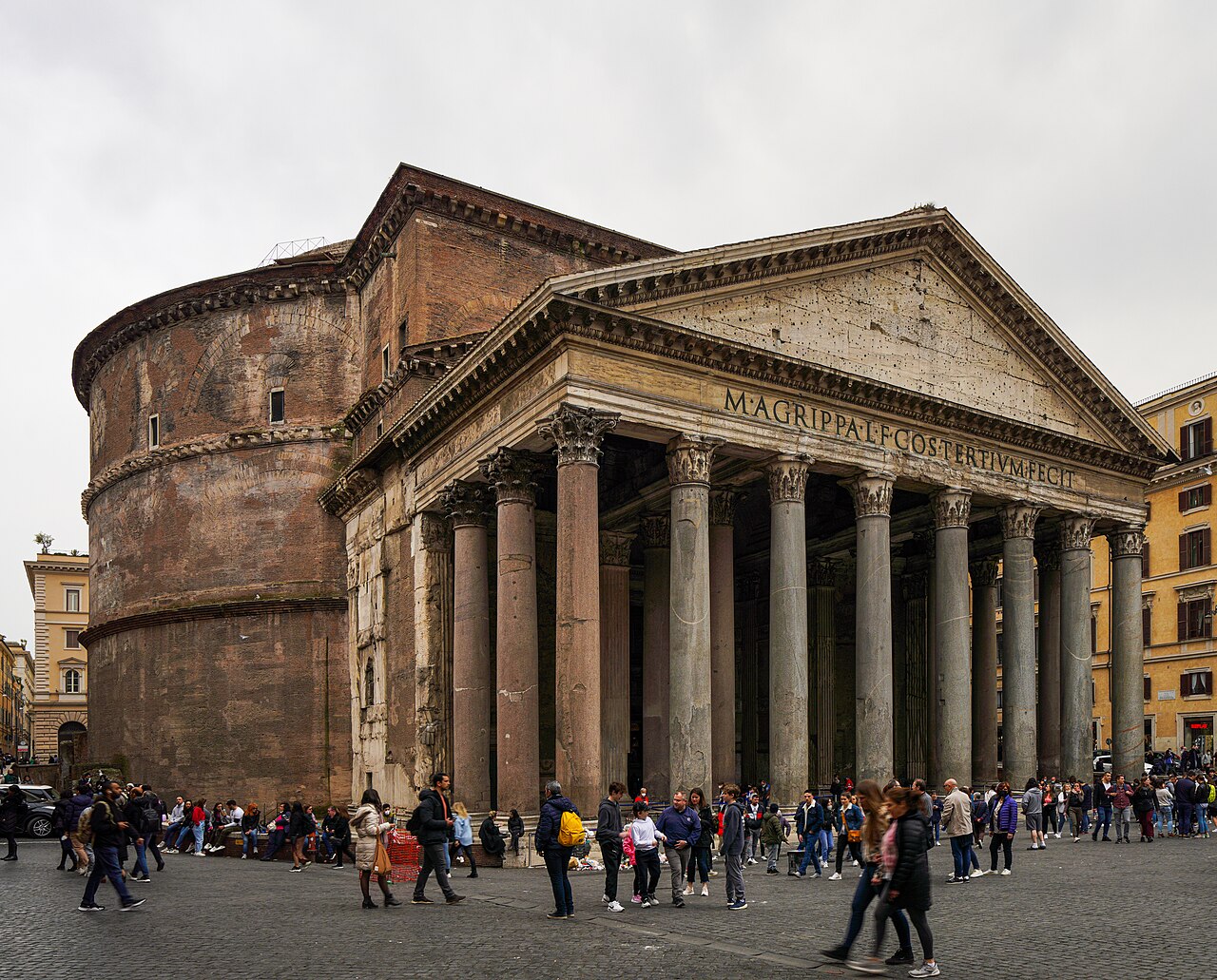
Pantheon
Hadrian · c. AD 126-128
Secondary source
Hadrian
Scriptores Historiae Augustae · late 4th century AD
 Artifact
Primary source
Hadrian's Villa
Hadrian · begun c. AD 120

Free account
Read every Hadrian source
Sign up free →
Ready when you are
Start chatting with Hadrian now.
20 messages free · No credit card · Available in 50+ languages.