


Secondary sourceSculpture1877
Statue of Isambard Kingdom Brunel
Carlo Marochetti · 1877
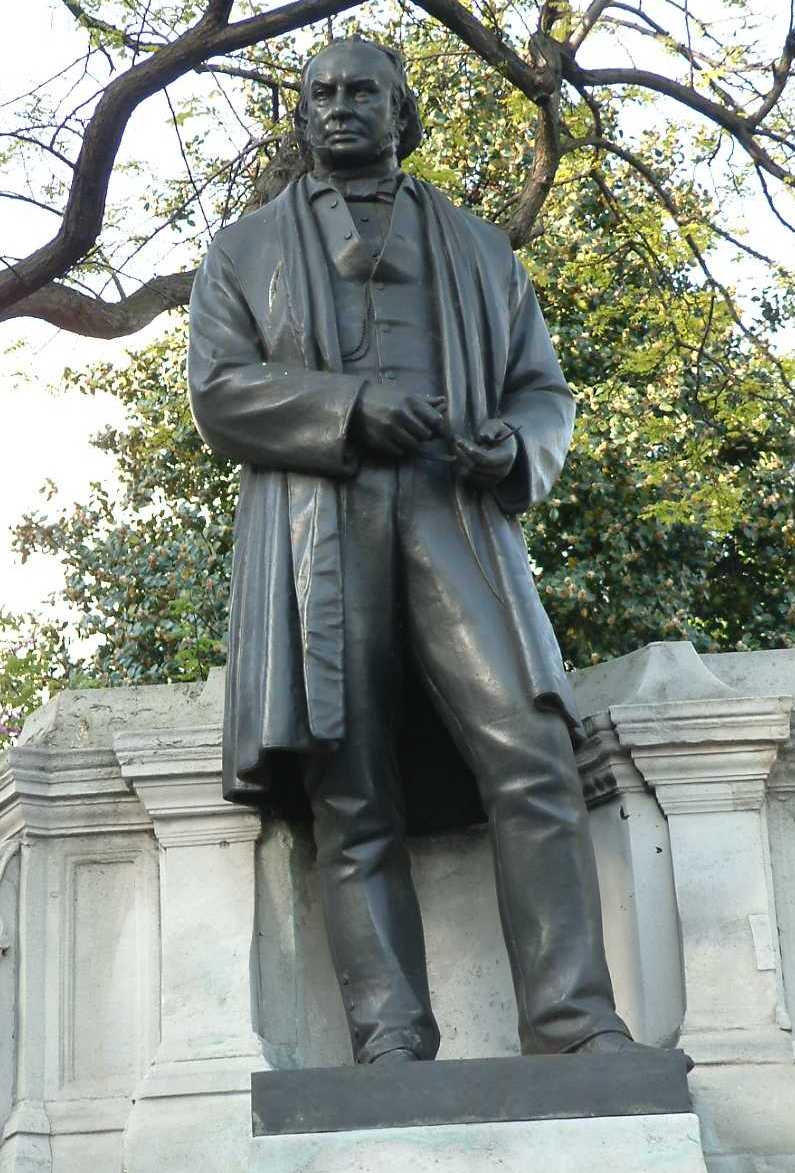
A bronze statue of Brunel by Carlo Marochetti, erected on London's Victoria Embankment in 1877 to honour him as a civil engineer.
This statue memorialises Brunel as a celebrated civil engineer, erected by the Institution of Civil Engineers after his death.
About this source
What it is
This bronze statue of Isambard Kingdom Brunel, created by the sculptor Carlo Marochetti, stands on the Victoria Embankment in London. It shows Brunel standing casually in Victorian dress, holding a pair of dividers, and rests on a stone pedestal designed by the architect Richard Norman Shaw. The statue was commissioned in 1860 after Brunel's death, completed in 1864, but not installed until 1877.
Why it matters
The statue was part of a wider Victorian effort by the Institution of Civil Engineers to honour leading engineers, including Brunel's rivals Robert Stephenson and Joseph Locke, who also received statues. It shows how Victorian society turned engineers into public heroes.
Look closer
- Why do you think the sculptor chose to show Brunel without his famous top hat and cigar, unlike his well-known photographs?
- What does the long delay between commissioning and installing the statue suggest about Victorian attitudes to public memorials?
- Who decided what Brunel should be remembered for, and what does the statue leave out about his life?
This sculpture is part of the curated material that grounds the AI version of Isambard Kingdom Brunel on Humy.ai — when students ask about related events, the AI can quote it and cite it.
More Isambard Kingdom Brunel sources
Meet the AI Isambard Kingdom Brunel →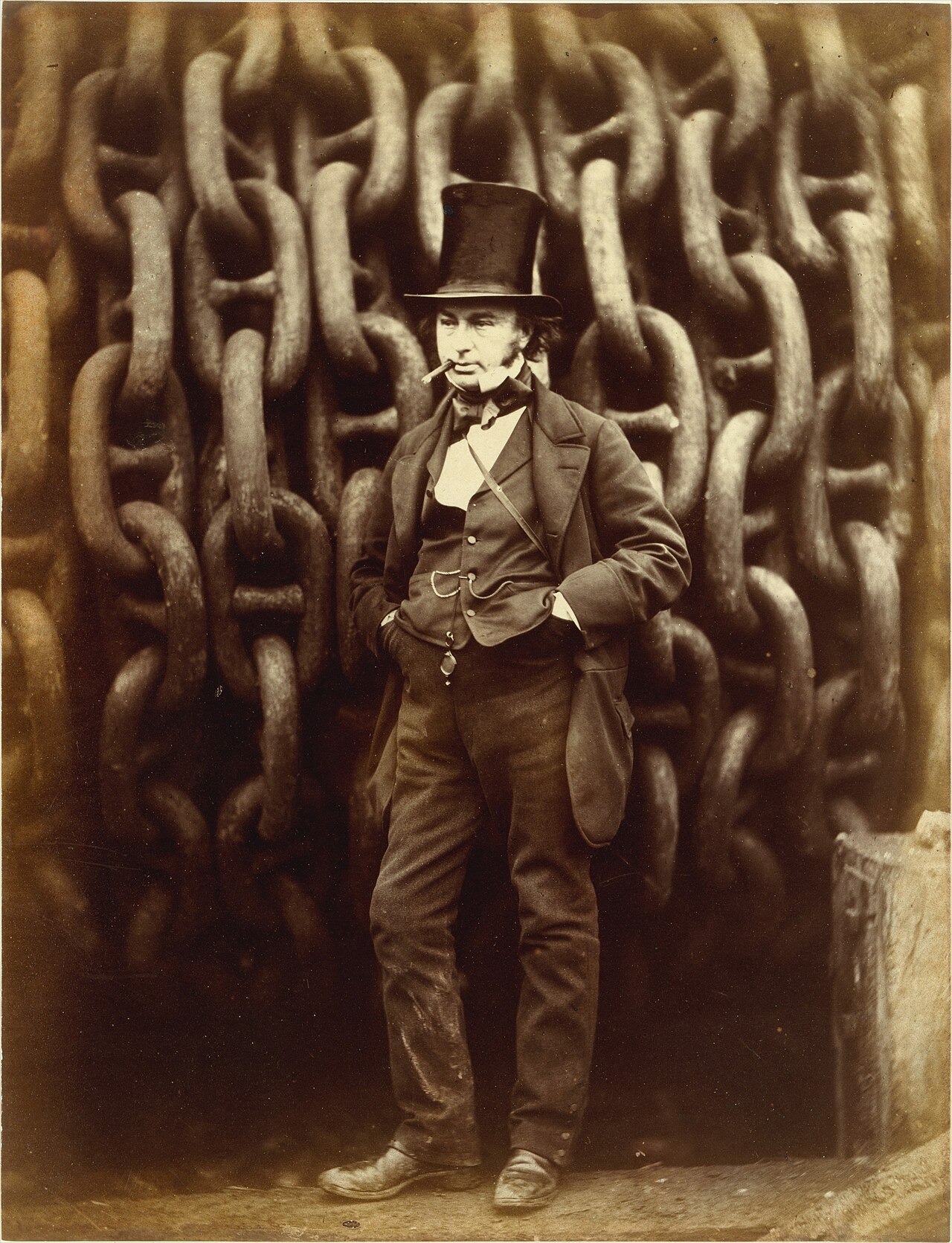 Photograph
Primary source
Isambard Kingdom Brunel Standing Before the Launching Chains of the Great Eastern
Robert Howlett · November 1857
 Artifact
Primary source
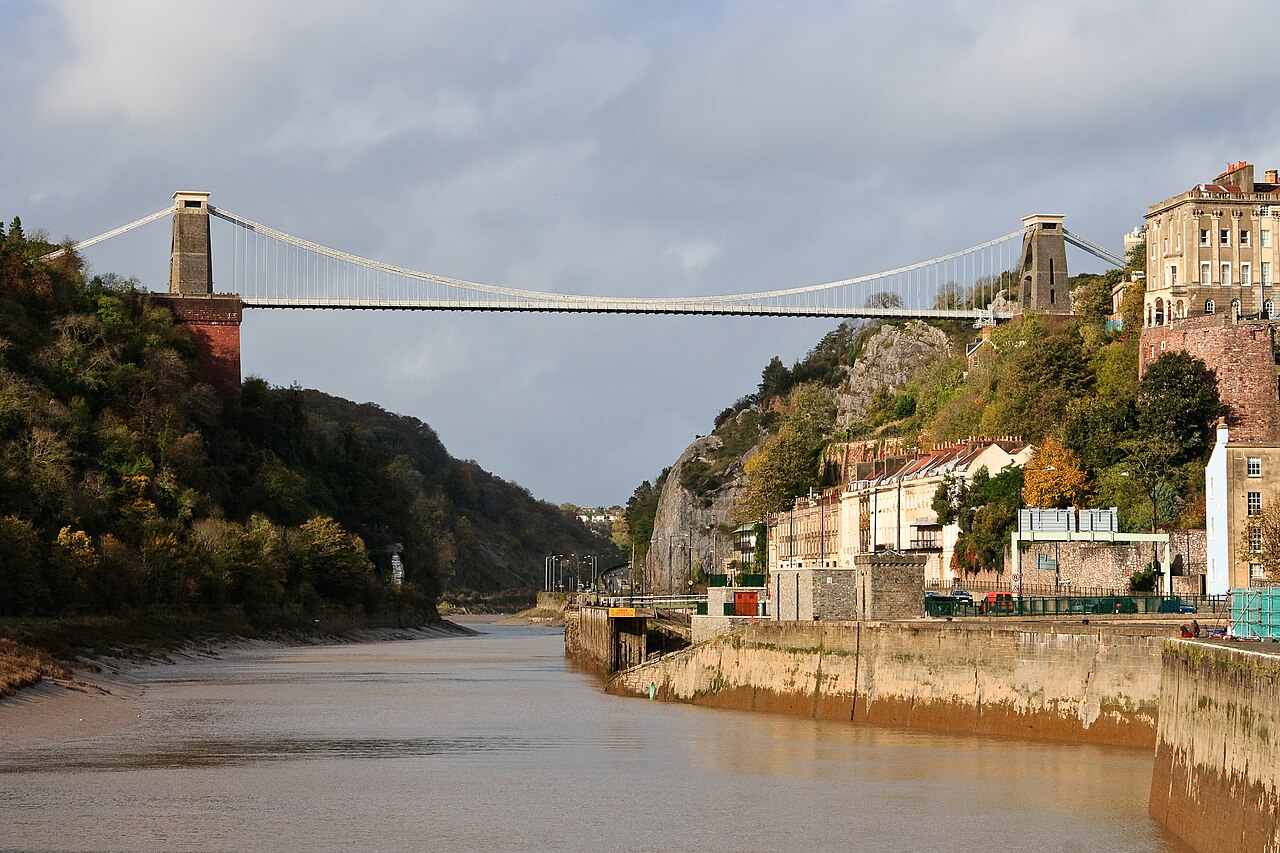
Clifton Suspension Bridge
William Henry Barlow and John Hawkshaw, after a design by Isambard Kingdom Brunel · 1864 (completed)
 Artifact
Primary source
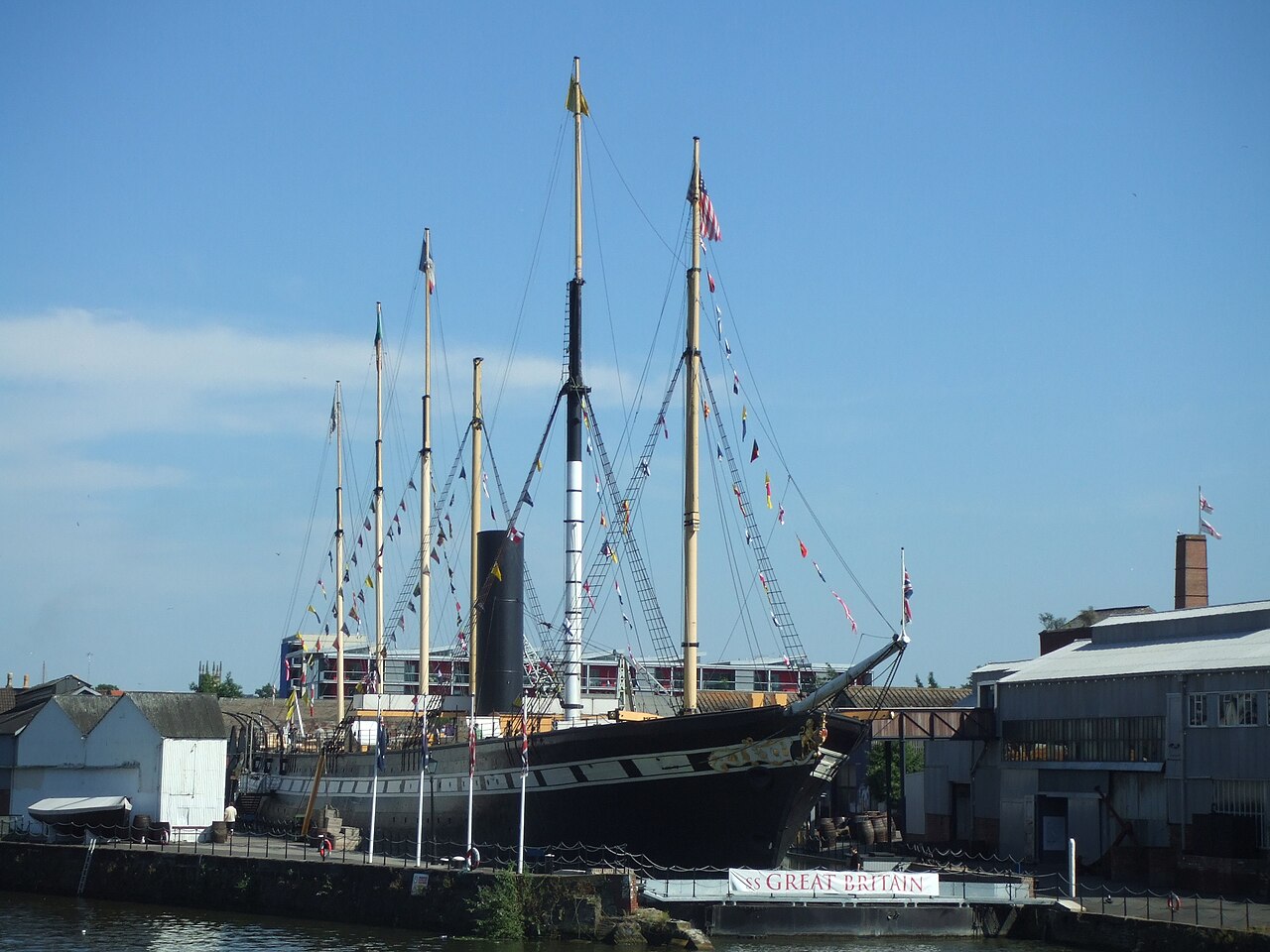
SS Great Britain
Isambard Kingdom Brunel · 1843 (launched)
 Artifact
Primary source
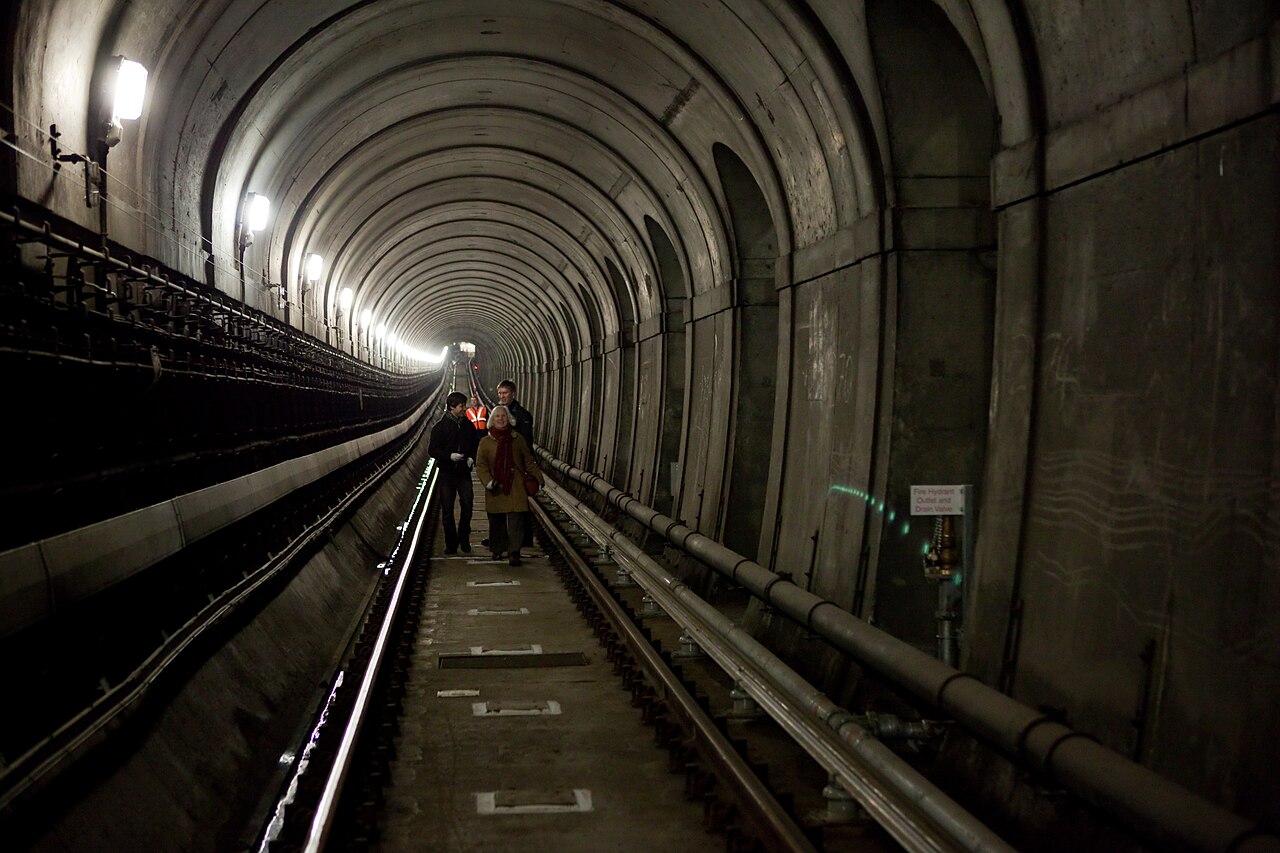
Thames Tunnel
Marc Brunel, with Isambard Kingdom Brunel as resident engineer · 1825-1843
 Artifact
Primary source
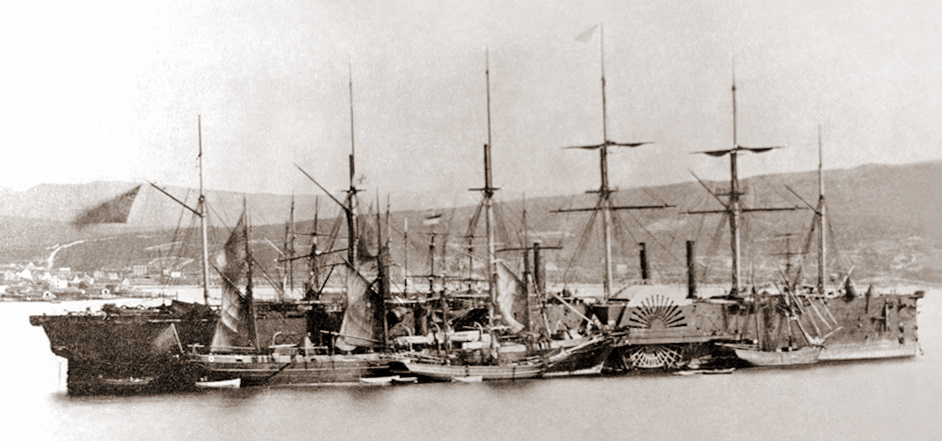
SS Great Eastern
Isambard Kingdom Brunel · 1858 (launched)
Ready when you are
Start chatting with Isambard Kingdom Brunel now.
20 messages free · No credit card · Available in 50+ languages.