


Secondary sourceSculpture1998
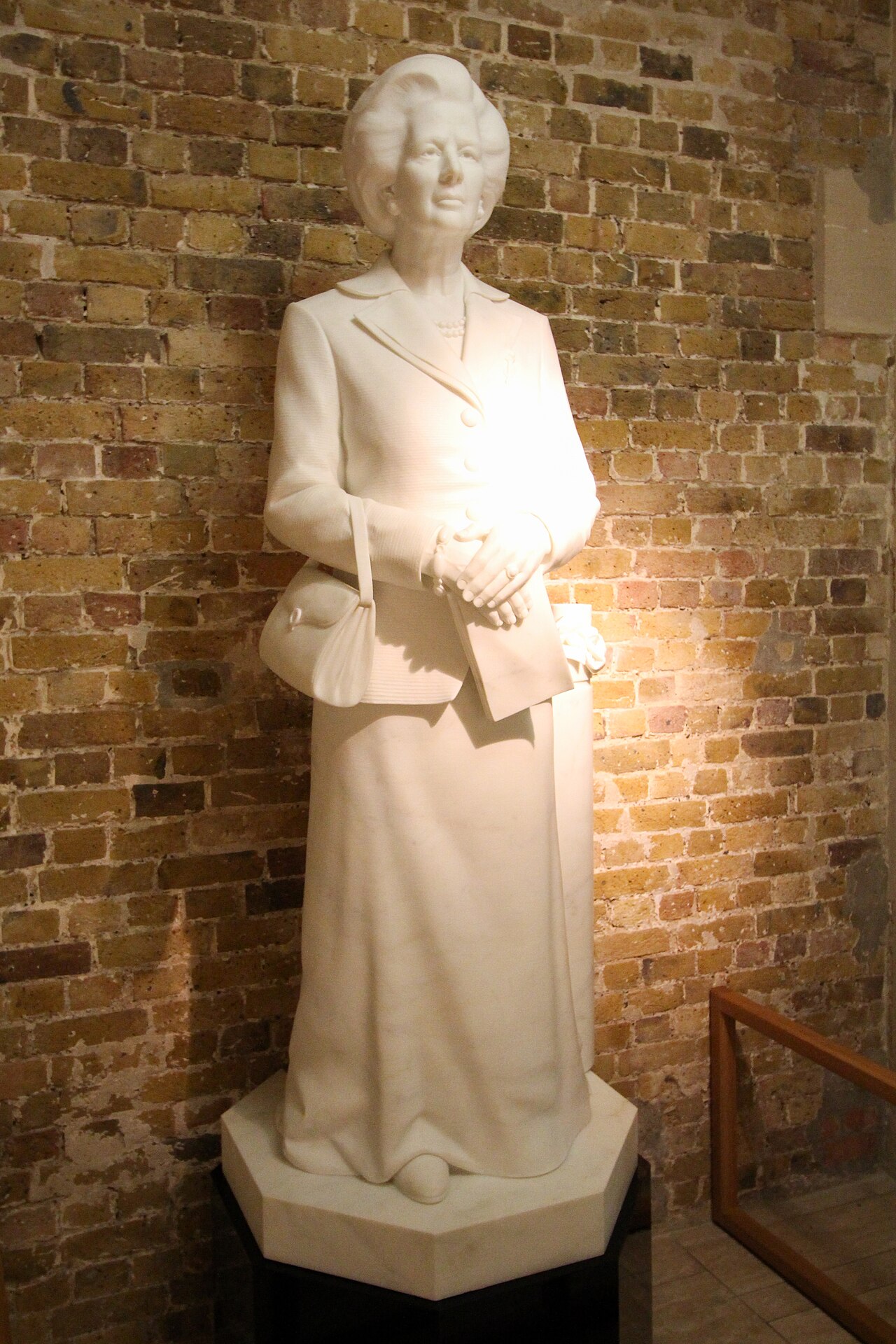
Statue of Margaret Thatcher (Guildhall)
Neil Simmons · 1998
A marble statue of Thatcher by Neil Simmons, famously decapitated by a protester in 2002, showing how divisive she remained after leaving office.
This statue depicts Thatcher and became a symbol of lasting public controversy over her legacy.
About this source
What it is
This marble statue of Margaret Thatcher was sculpted by Neil Simmons and commissioned in 1998, intended for the Members' Lobby of the House of Commons but temporarily placed in the Guildhall, London, because rules then forbade statues of living former prime ministers there. It was unveiled by Thatcher herself in February 2002.
Why it matters
On 3 July 2002, the statue was decapitated by a protester, Paul Kelleher, using a metal pole. He was later convicted of criminal damage. The statue was repaired and remains at Guildhall, while a new bronze version by Antony Dufort was later placed in Parliament. The incident shows how strongly some people still felt about Thatcher's legacy years after she left power, and how public monuments can themselves become sites of protest.
Look closer
- Why might someone attack a statue rather than express disagreement in another way?
- What does this incident tell us about how controversial political leaders are remembered in public spaces?
- Why do you think the statue was kept and repaired rather than removed?
This sculpture is part of the curated material that grounds the AI version of Margaret Thatcher on Humy.ai — when students ask about related events, the AI can quote it and cite it.
More Margaret Thatcher sources
Browse all 98 →Primary source
Sino-British Joint Declaration
Richard Evans · 19 December 1984
 Letter
Primary source
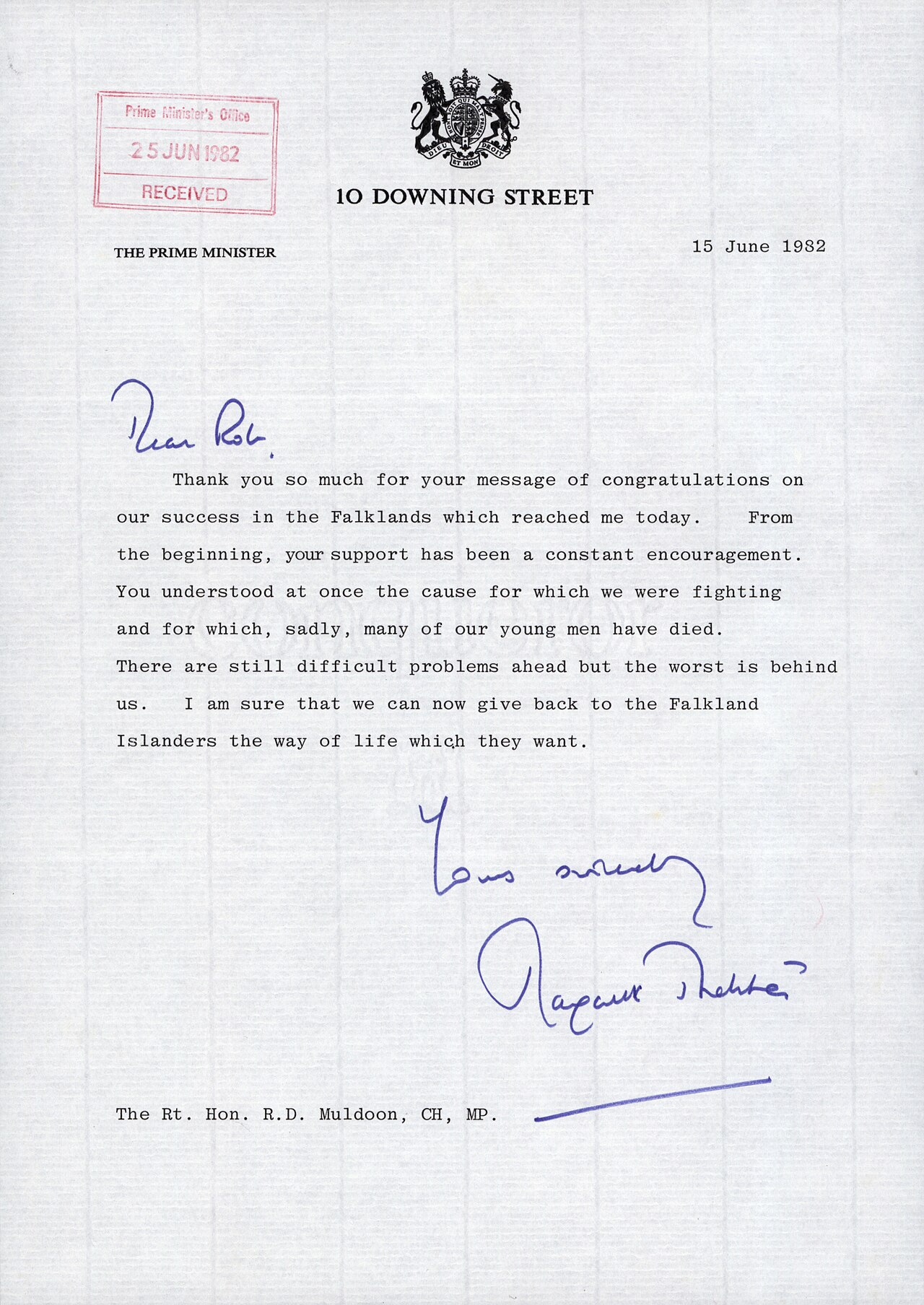
Letter from Margaret Thatcher to Robert Muldoon
Margaret Thatcher · 15 June 1982
 Photograph
Primary source
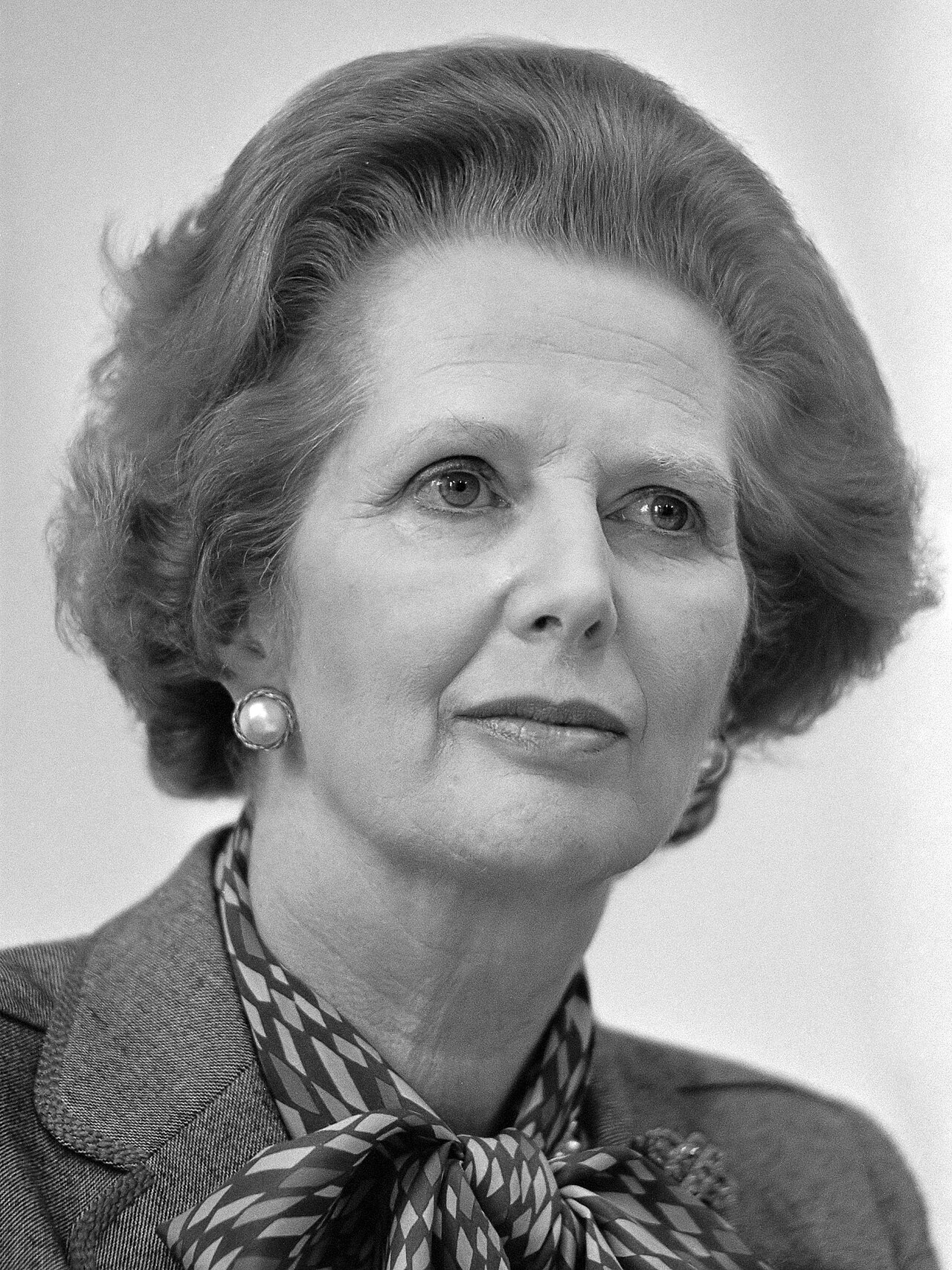
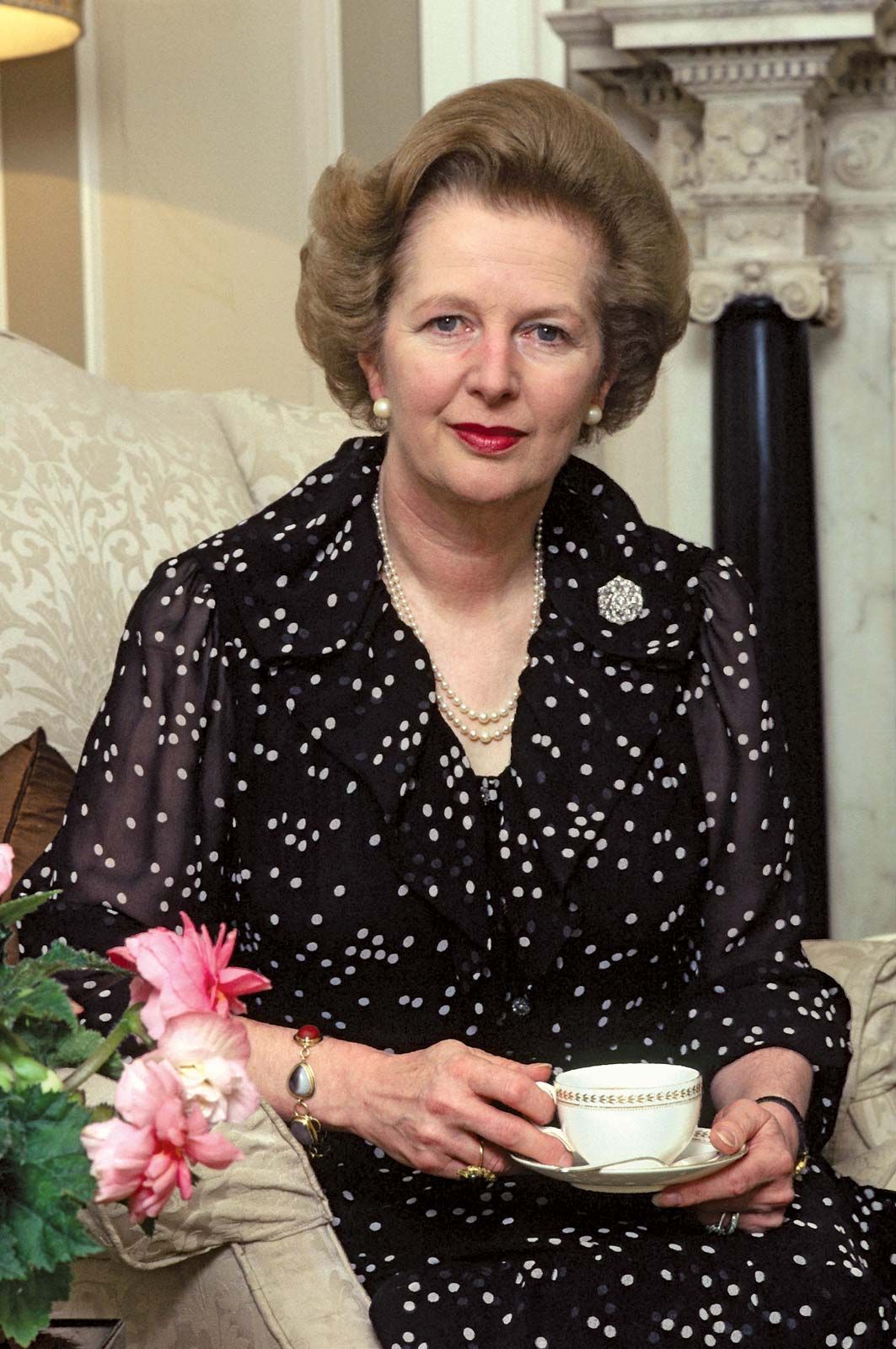
Portrait of Margaret Thatcher
1983
 Photograph
Primary source
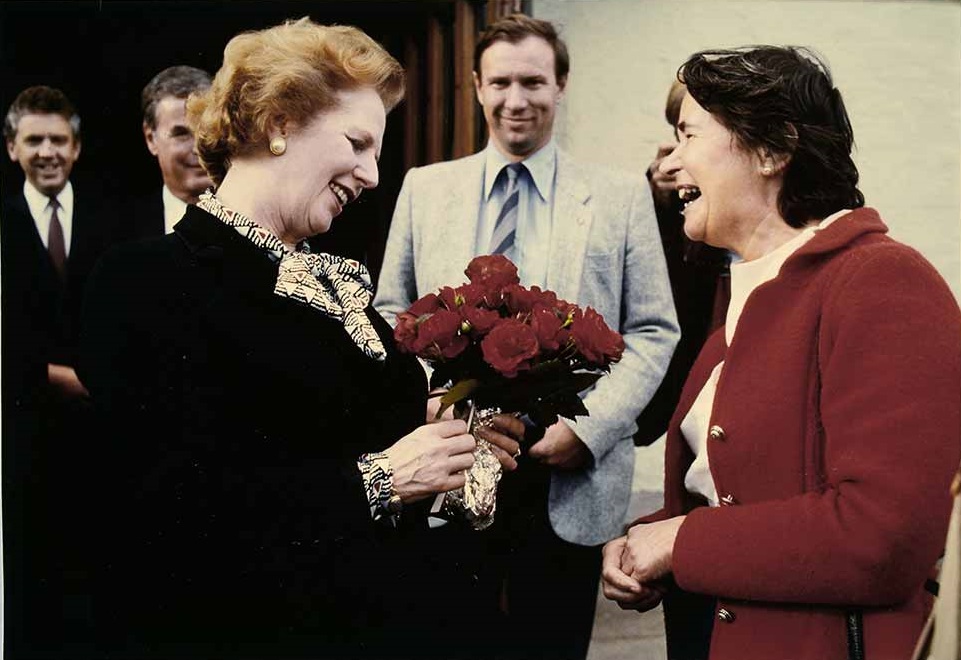
Margaret Thatcher being presented with a bunch of flowers
Free account
Read every Margaret Thatcher source
Sign up free →
Ready when you are
Start chatting with Margaret Thatcher now.
20 messages free · No credit card · Available in 50+ languages.