


Secondary sourceSculpture1874
Statue of Michael Faraday
J. H. Foley · 1874
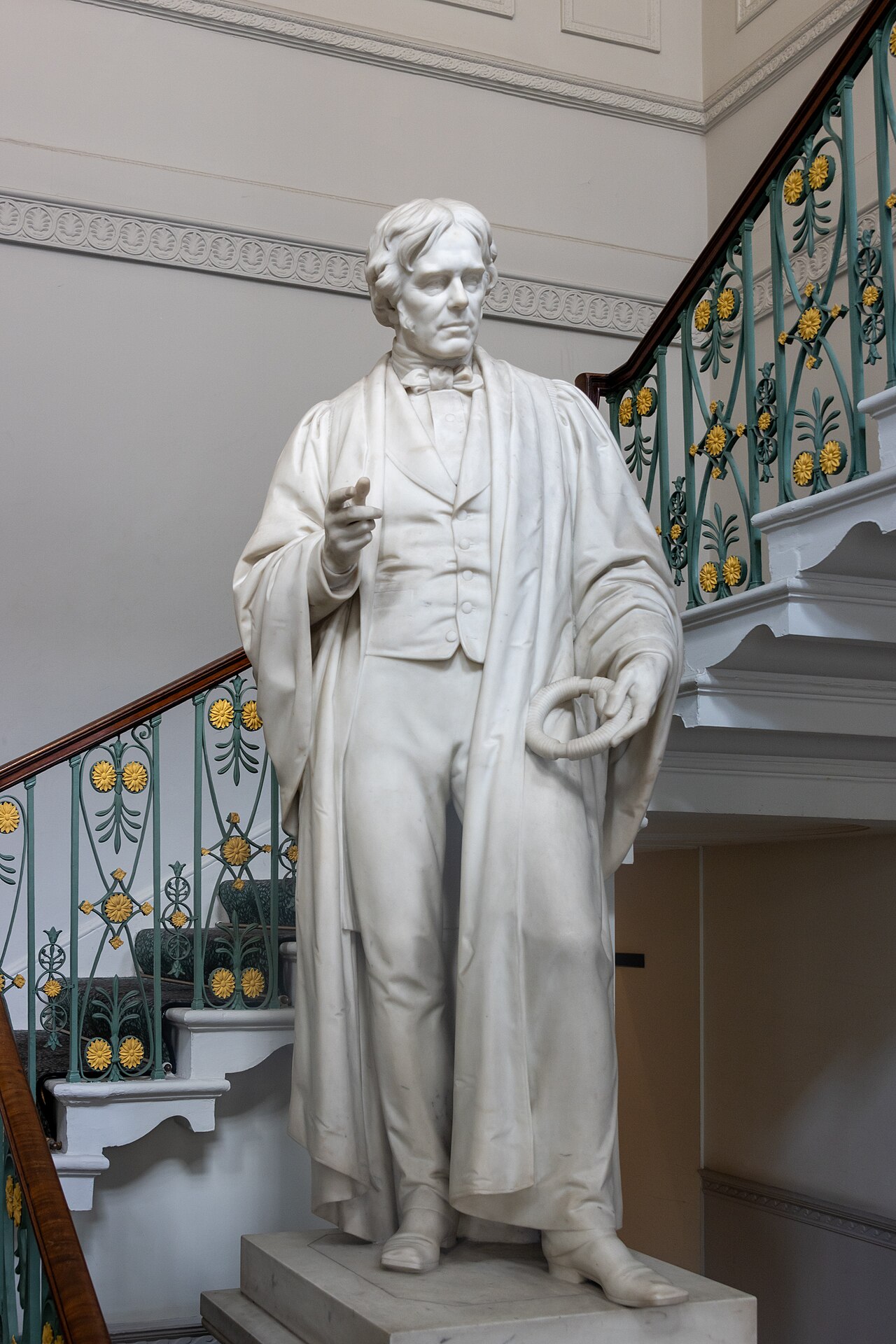
A white marble statue of Faraday, completed in 1874 after his death, shows him pointing and holding a coiled wire. It is the main Victorian commemoration of him.
Shows how Faraday was honoured after his death as one of Britain's great scientists, through a public statue.
About this source
What it is
This is a white marble statue of Michael Faraday, made by J. H. Foley and completed in 1874, several years after Faraday died in 1867. It shows a standing man in a long cloak over a waistcoat and cravat. One hand points, and the other holds a coiled wire. The statue stands on a stone plinth beside a staircase with green and gold ironwork railings.
Why it matters
The statue is the principal Victorian commemoration of Faraday. The coiled wire and pointing gesture link him to his experiments with electricity and magnetism. A public monument like this shows how Britain chose to remember its scientists and what they were thought to stand for.
Look closer
- What objects and gestures does the sculptor give Faraday, and what might they say about his work?
- Why might people in 1874 want a public statue of a scientist who had died seven years earlier?
- What does a marble figure leave out about Faraday as a living person?
This sculpture is part of the curated material that grounds the AI version of Michael Faraday on Humy.ai — when students ask about related events, the AI can quote it and cite it.
More Michael Faraday sources
Browse all 97 →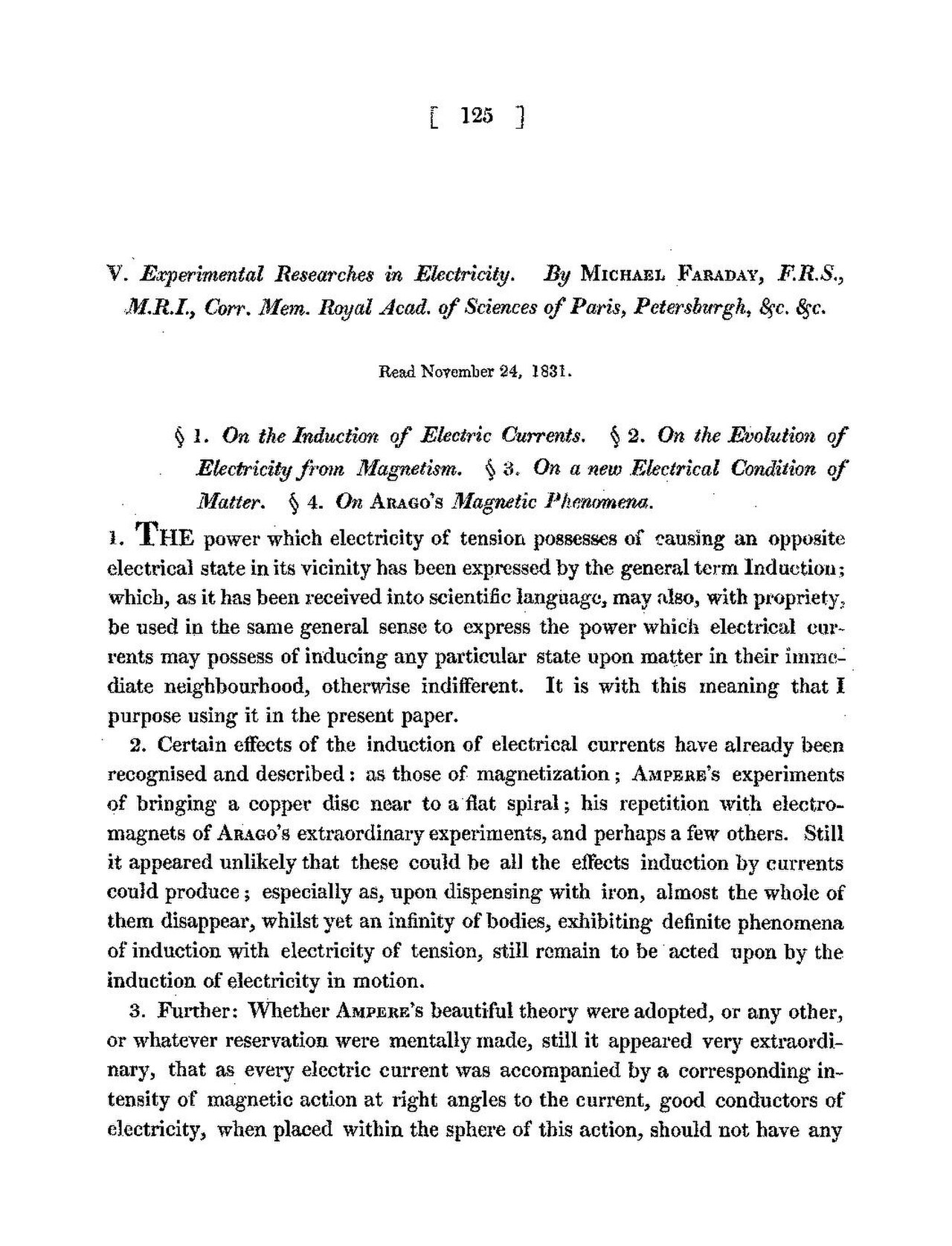 Document
Primary source
Experimental Researches in Electricity, First Series
Michael Faraday · 24 November 1831
 Artifact
Primary source
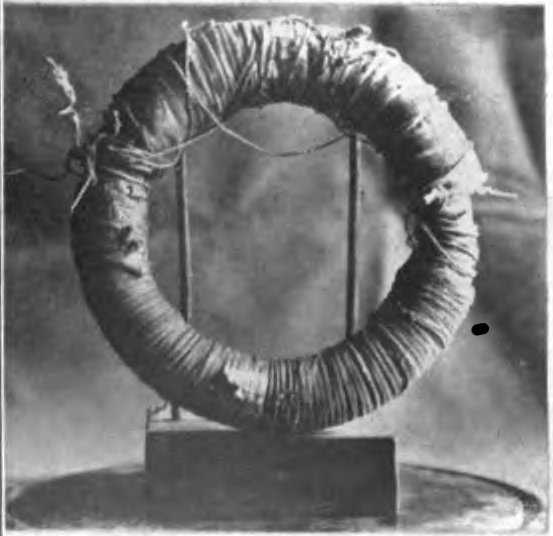
Faraday's Induction Ring
Michael Faraday · 1831
 Book
Primary source
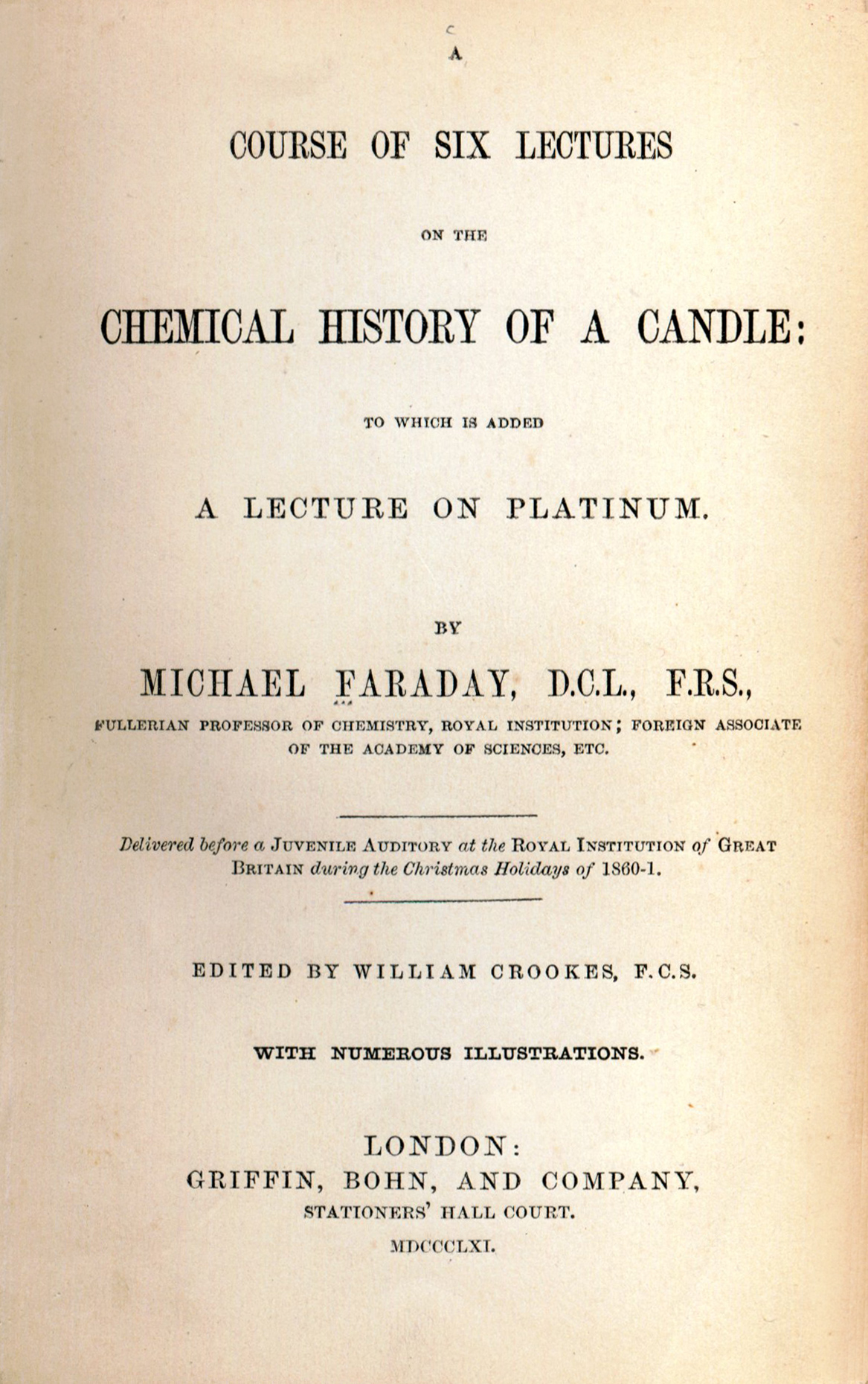
A Course of Six Lectures on the Chemical History of a Candle
Michael Faraday · 1861
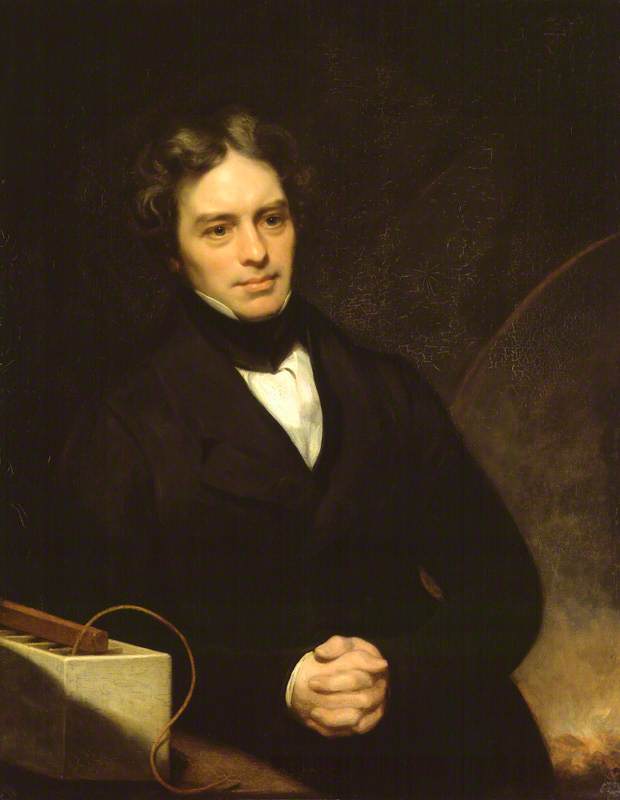 Painting
Primary source
Michael Faraday
Thomas Phillips · 1841–1842
Free account
Read every Michael Faraday source
Sign up free →
Ready when you are
Start chatting with Michael Faraday now.
20 messages free · No credit card · Available in 50+ languages.