


Secondary sourceSculpture
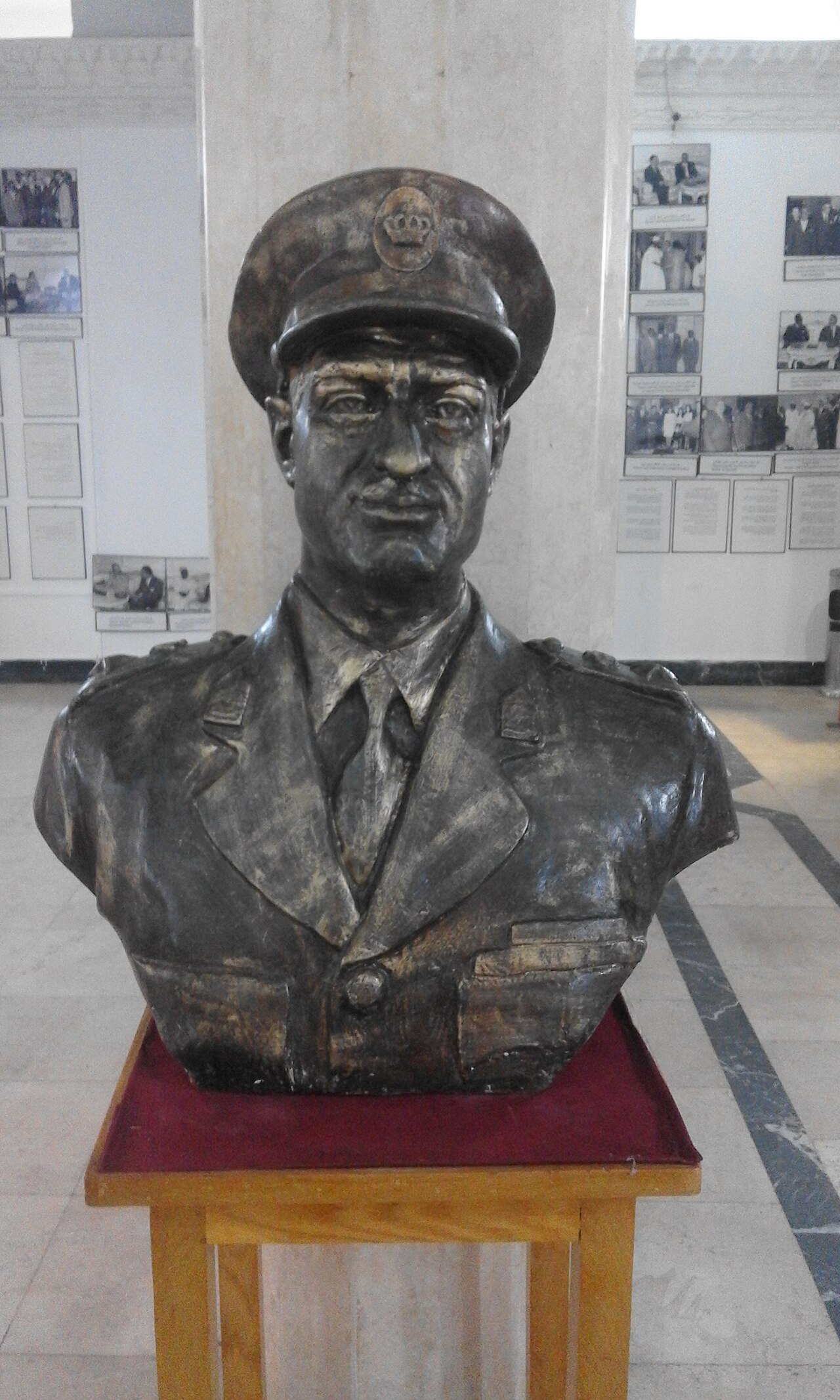
Statue of Nasser at Pharaonic Village, Cairo
Ahmed Nagy (أحمد ناجي)
A photograph of a bronze bust of Nasser in a museum display at the Pharaonic Village in Cairo. It shows how later generations honored him.
Shows how Nasser is commemorated in a later museum display, as a sculpted likeness of him.
About this source
What it is
This is a photograph of a bronze-toned bust of Nasser in a museum hall in Cairo. The bust shows a man in a military peaked cap with a crown emblem, a tunic with epaulettes and a tie, and it sits on a red-topped wooden pedestal. Framed photographs hang on the walls behind it. The image was taken in the Nasser museum in the Pharaonic Village, and the photographer's record credits Ahmed Nagy. The sculptor of the bust is not named in the facts.
Why it matters
Museums and statues were a common way for Egypt to remember Nasser after his death in 1970. A bust in a museum shows how his image was fixed into a national story, with military dress that recalls his career as an army officer. The photograph records how the display presented him to visitors.
Look closer
- What details of the uniform and the setting tell you what the display wants visitors to think about Nasser?
- Why do you think the photograph was taken and shared, and by whom?
- What does a single bust leave out about Nasser's life and the debates about his rule?
This sculpture is part of the curated material that grounds the AI version of Gamal Abdel Nasser on Humy.ai — when students ask about related events, the AI can quote it and cite it.
More Gamal Abdel Nasser sources
Browse all 96 →Primary source
Resignation Speech After the Six-Day War
Gamal Abdel Nasser · 9 June 1967
Primary source
Recording of the Manshiyya Assassination Attempt
Egyptian TV · 1954
 Artifact
Primary source
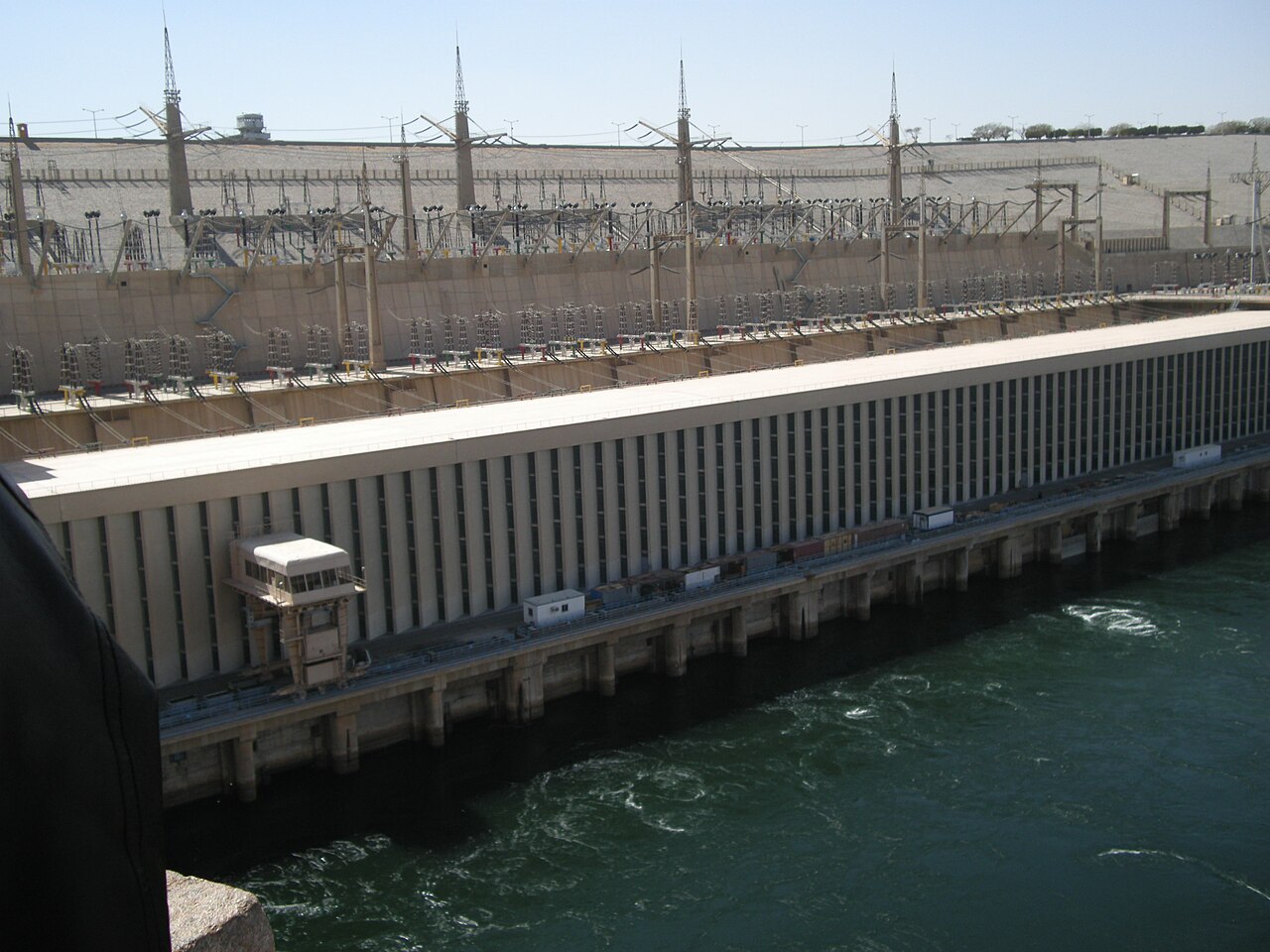
Aswan High Dam
Nikolai Malyshev · 1960–1970
Primary source
Egypt, Syria Merge In New Arab Republic
Universal Newsreels · 3 February 1958
Free account
Read every Gamal Abdel Nasser source
Sign up free →
Ready when you are
Start chatting with Gamal Abdel Nasser now.
20 messages free · No credit card · Available in 50+ languages.