


Secondary sourceSculpture
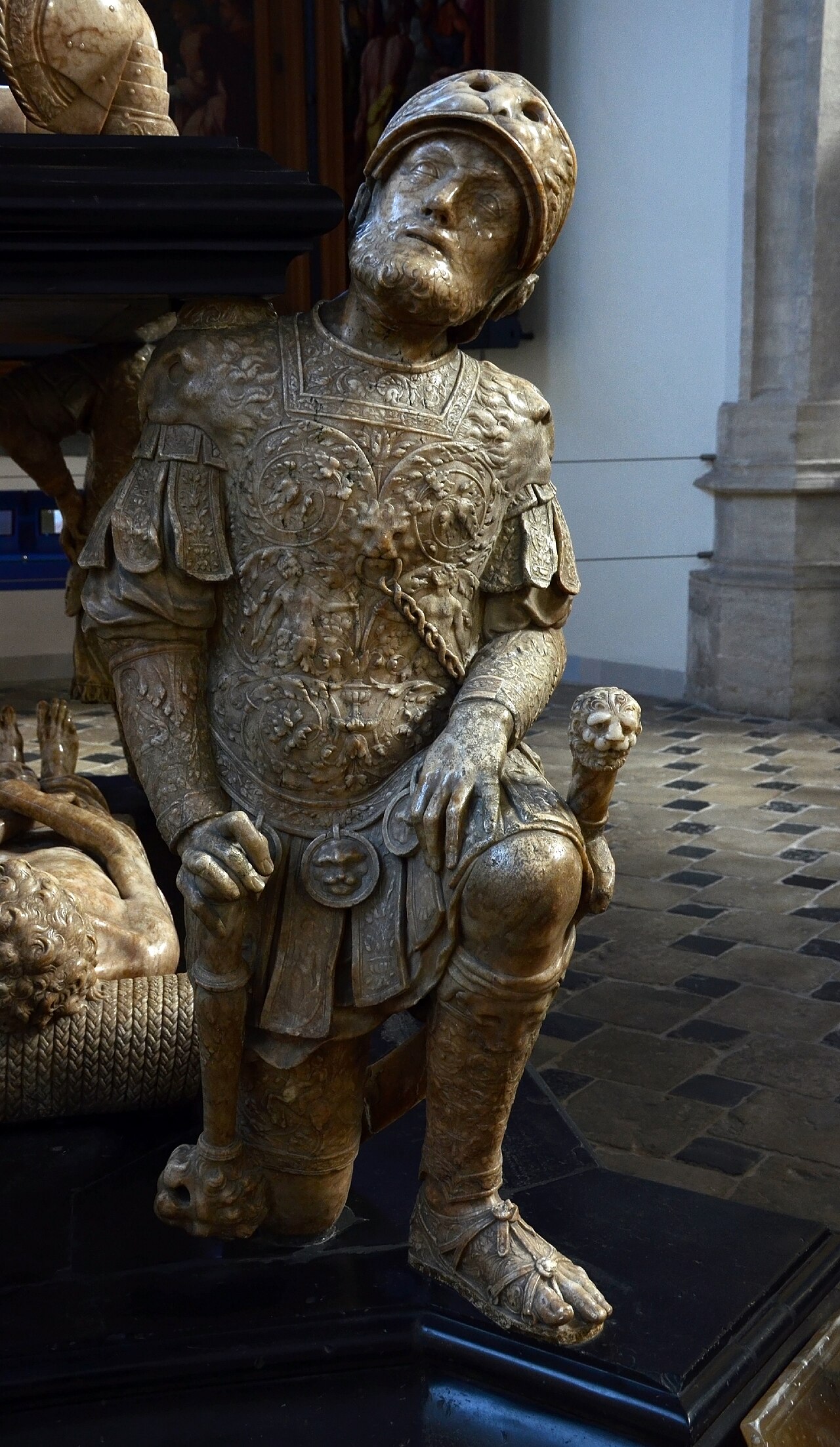
Statue of Philip II of Macedon on the Nassau Mausoleum
A marble statue of Philip II of Macedon on a 16th-century church mausoleum in Breda, where he represents the virtue of prudence.
This later statue uses Philip's image as a symbol of prudence, showing how he was remembered long after his death.
About this source
What it is
This marble statue is part of the mausoleum of Engelbert II of Nassau and Cimburga van Baden in the Grote Kerk (Church of Our Lady) in Breda. It shows a bearded, armored figure identified as Philip II of Macedon, seated and holding a club topped with a lion's head.
Why it matters
Philip appears here not as a historical record but as a symbol: the sculptors used his image centuries after his death to personify the virtue of prudence. This shows how ancient rulers could be reused as moral examples in later European art and tomb monuments, far removed from their own time and context.
Look closer
- Why might a European noble family centuries later want Philip of Macedon's image on their tomb?
- What does the armor and the club with a lion's head suggest about how the sculptor wanted viewers to see this figure?
- Does this statue tell us anything reliable about the real Philip II, or only about the people who built the mausoleum?
This sculpture is part of the curated material that grounds the AI version of Philip II of Macedon on Humy.ai — when students ask about related events, the AI can quote it and cite it.
More Philip II of Macedon sources
Browse all 90 →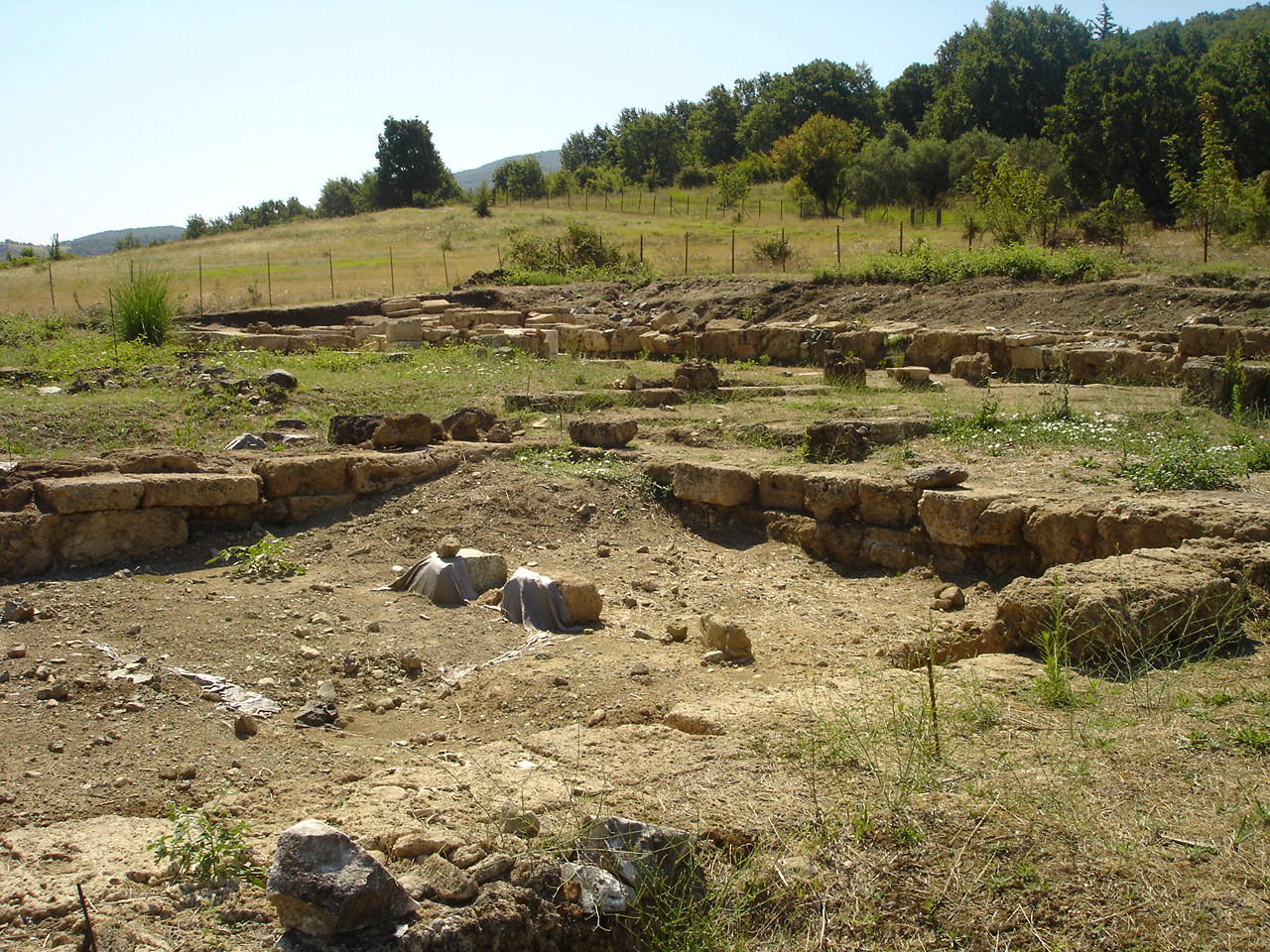 Artifact
Secondary source
Aigai
c. 750 BC onward; Philip's tomb c. 336 BC
 Speech
Primary source
First Philippic
Demosthenes · c. 351-350 BC
 Speech
Primary source
Third Philippic
Demosthenes · 341 BC
 Artifact
Primary source
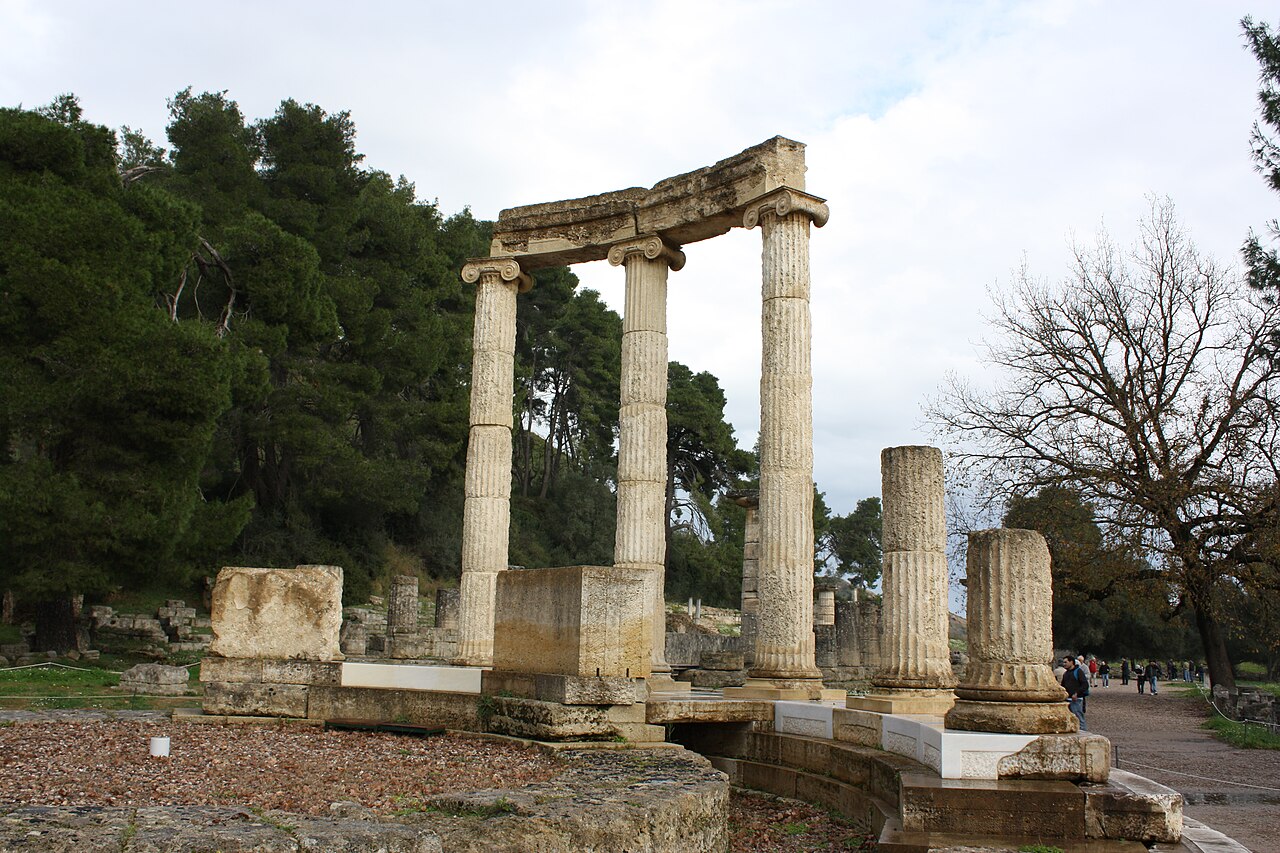
Philippeion
Leochares · begun 338/337 BC, completed under Alexander
Free account
Read every Philip II of Macedon source
Sign up free →
Ready when you are
Start chatting with Philip II of Macedon now.
20 messages free · No credit card · Available in 50+ languages.