


Secondary sourceSculpture2014
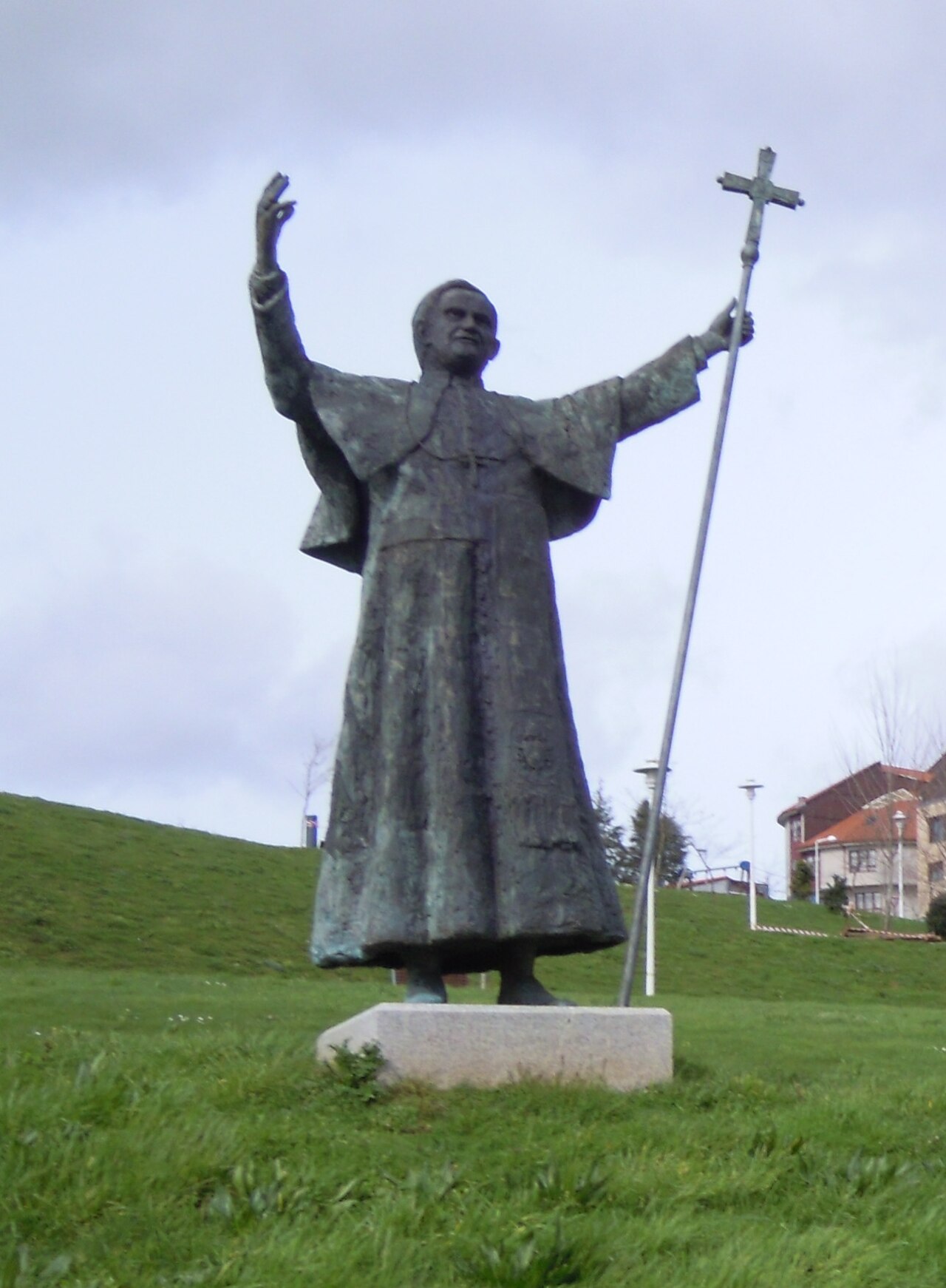
Statue of Pope Benedict XVI, As Cancelas, Santiago de Compostela
Estevoaei · 2014
A bronze statue of Benedict XVI in Santiago de Compostela, made in 2014 after his papacy. It is a later memorial to him.
This statue is a later memorial to Benedict XVI, showing how he was remembered in Santiago after his papacy.
About this source
What it is
This is a photograph of a bronze statue of a robed churchman on a grassy hill in As Cancelas, Santiago de Compostela. The figure has its arms raised in greeting and holds a tall staff topped with a cross. It stands on a granite plinth, with houses and a cloudy sky behind it. The photograph is credited to Estevoaei and dated 26 February 2014.
Why it matters
Statues of leaders are often made to remember them after they have died or left office. This statue was made after Benedict XVI's papacy, which ended in 2013, so it shows how he was honored later. It does not show his own actions or words directly. Students can see it as a view of how a later public memory of the pope was shaped.
Look closer
- What gestures and objects does the sculptor give the figure, and what might they say about him?
- Why might a town choose to place a memorial statue in a public space?
- What does a statue leave out that a document written by the pope himself would show?
This sculpture is part of the curated material that grounds the AI version of Pope Benedict XVI on Humy.ai — when students ask about related events, the AI can quote it and cite it.
More Pope Benedict XVI sources
Browse all 99 →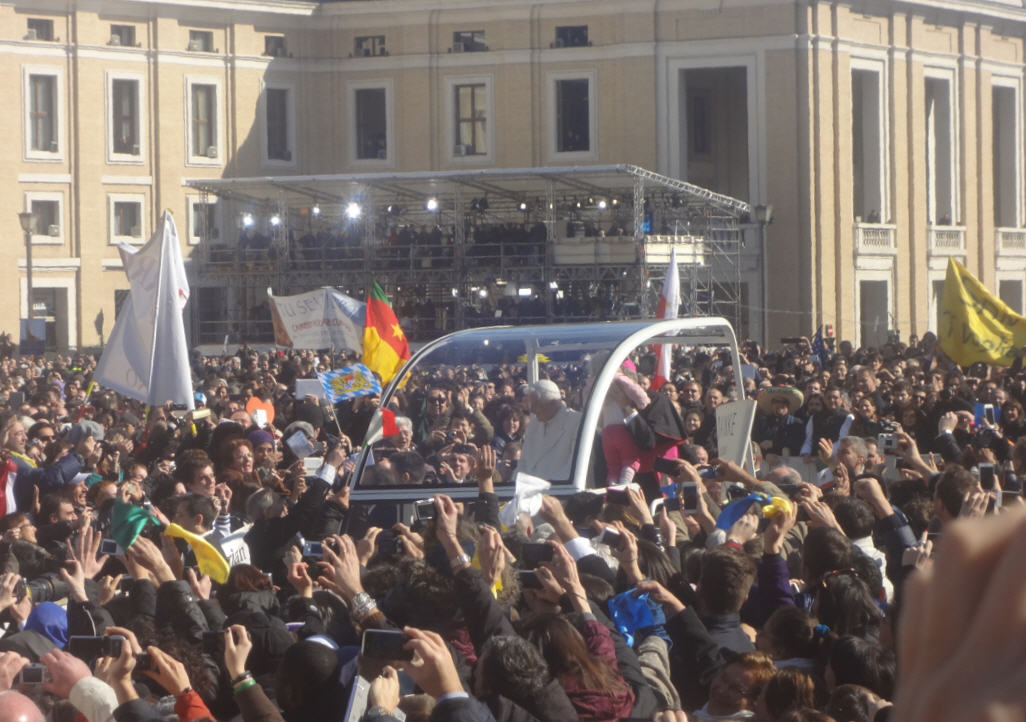 Speech
Primary source
Resignation of Pope Benedict XVI
Benedict XVI · 2013
 Speech
Primary source
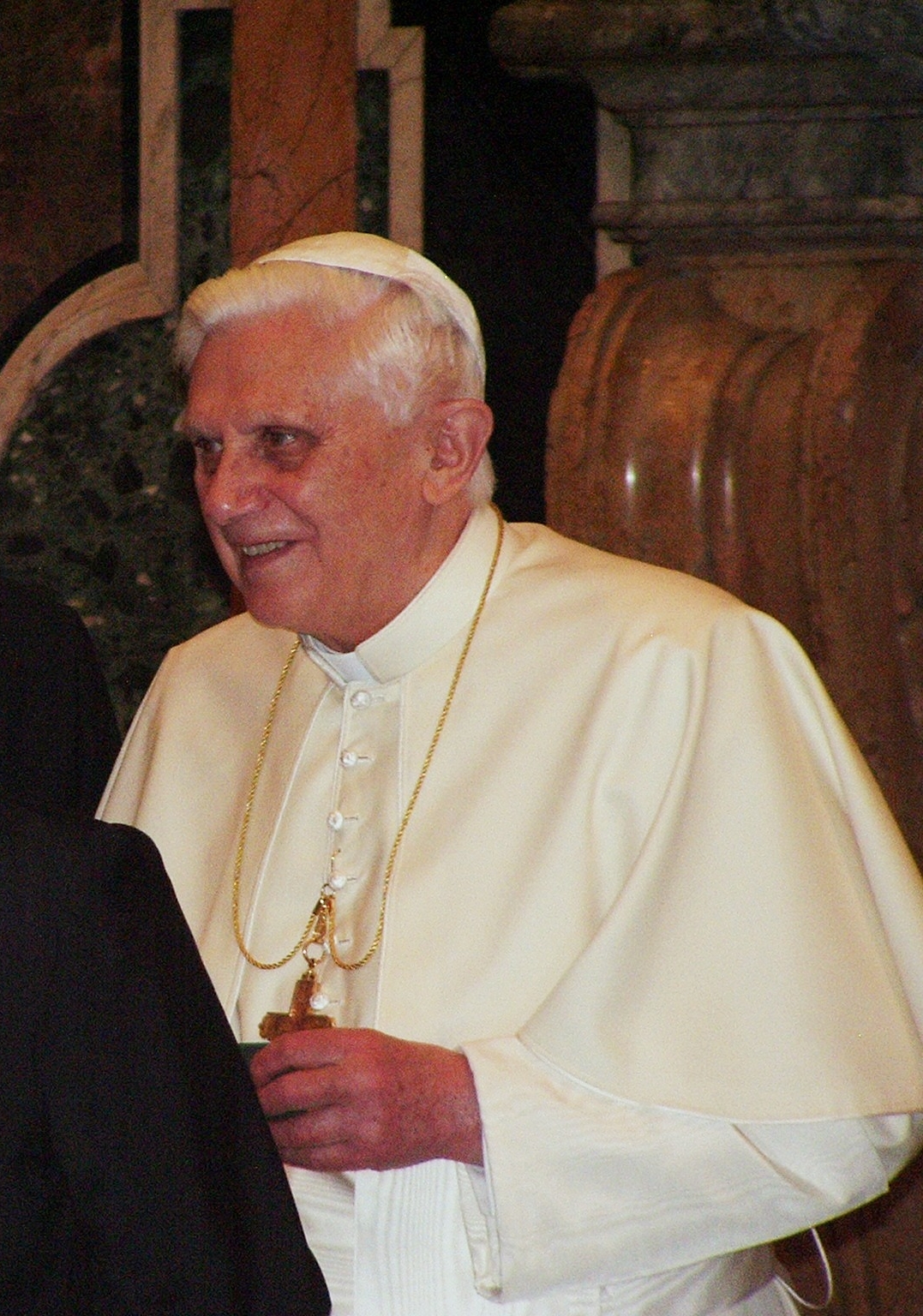
Regensburg Lecture
Benedict XVI · 12 September 2006
 Photograph
Primary source
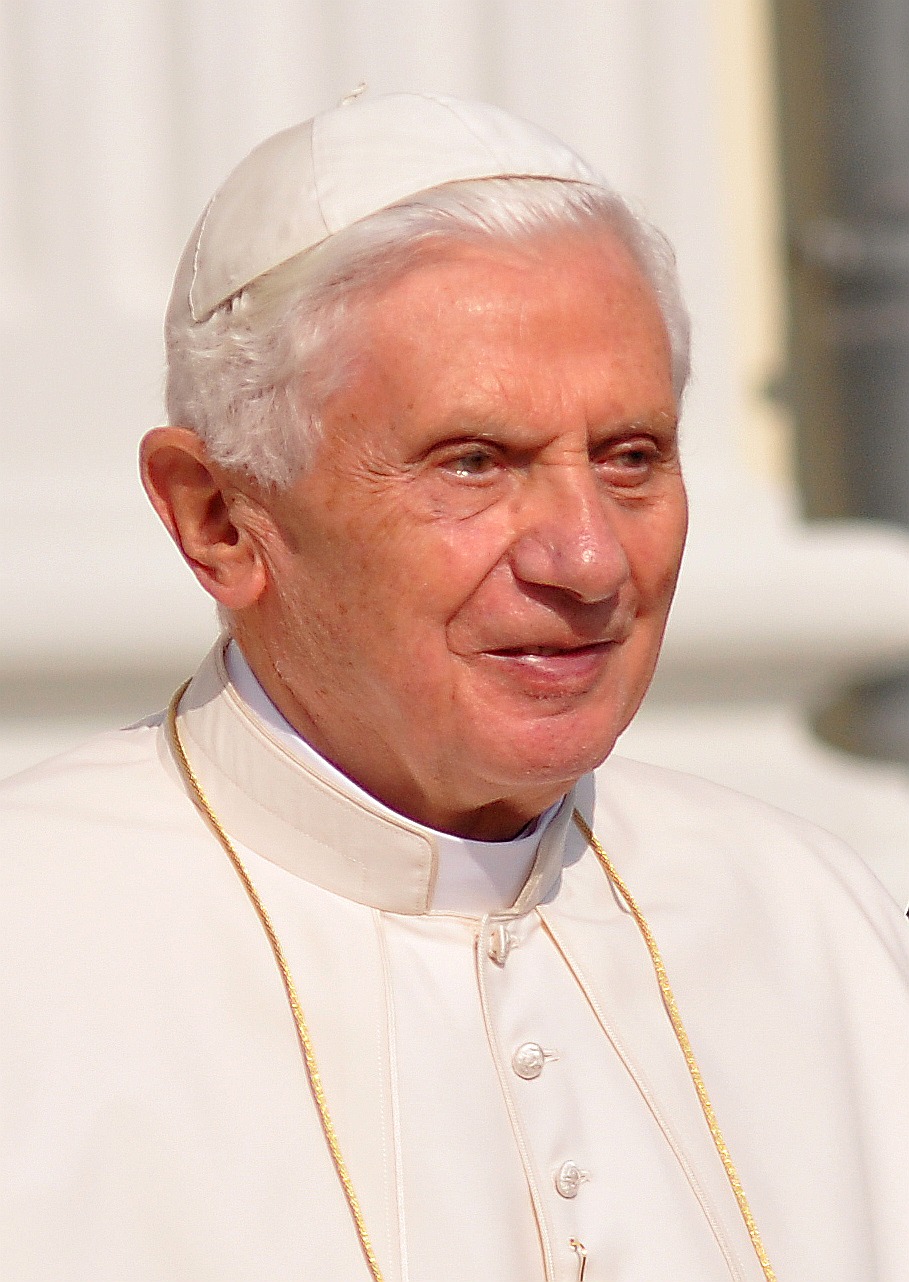
Portrait of Benedict XVI in Berlin
2011
 Photograph
Primary source
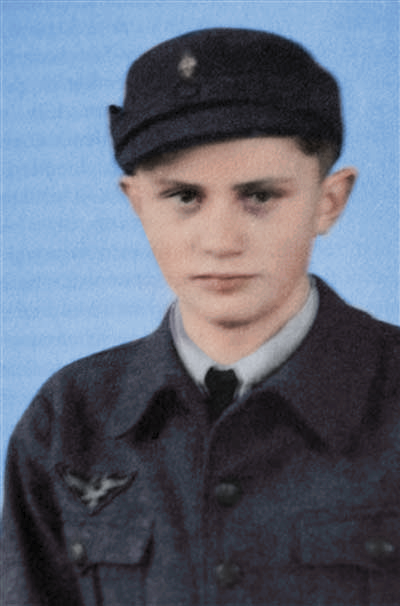
Joseph Ratzinger as a Luftwaffe Auxiliary
Cassowary Colorizations (colourisation of an unknown original photograph) · 1943
Free account
Read every Pope Benedict XVI source
Sign up free →
Ready when you are
Start chatting with Pope Benedict XVI now.
20 messages free · No credit card · Available in 50+ languages.